




April 2020
Dr. Brandon Nelson Discusses How To Resolve Heel Pain (Plantar Fasciitis) Without Physical Therapy

Heel pain or plantar fasciitis continues to be the number one reason people visit a foot and ankle doctor or a podiatrist. Heel pain or pain when you first get up in the morning can be extremely uncomfortable. Many patients that we treat have seen multiple other doctors or physical therapists. Patients have often spent months going to physical therapy and are continuing to go weekly.
I think physical therapy is a great modality and can be highly beneficial for many conditions. However, for heel pain or plantar fasciitis we almost never send patients to physical therapy. The reason being is we cure the problem. At Issaquah Foot & Ankle Specialist, home of the Washington Heel Pain Center we have developed a protocol that has an almost 100% cure rate for plantar fasciitis. If you are still suffering daily with heel pain come see us and we will help you get rid of it once and for all. Give us a call at 425-391-8666 or make an appointment online. Our Issaquah Podiatrists would love to see you!
Dr. Brandon Nelson Talks About How To Get Rid Of Warts
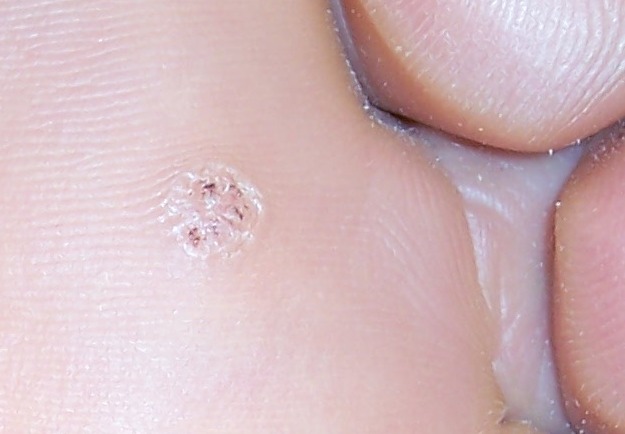
Warts can be very frustrating for patients. They can become quite large, painful and unsightly. Warts on the foot especially can be uncomfortable with playing sports or even walking. The most common type of wart is caused by Human Papillomavirus. There are many different strains of HPV and certain strains are more common on the foot.
The majority of these warts present on the bottom of the foot or the sole of the foot. We provide care for all types of warts and find most warts can completely resolve in just a few treatments. We offer many different treatment options depending on the size, number and location of the wart or warts. We provide care ranging from topical medications, lasers and even excision of warts. If you are looking for a warts specialist in the Issaquah, Bellevue, Mercer Island or Seattle area, come see us and we will help you get rid of them permanently. Give us a call today at 425-391-8666 or make an appointment online. Our Issaquah Podiatrists would love to see you.
Soft Tissue Growth and Bunions.
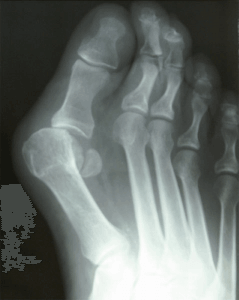
Dr. Timothy Young Talks About Ganglion Cyst Developing Over a Bunion.
Give us a call at 425-391-8666 or make an appointment online today. Our Issaquah Podiatrists would be happy to see you!
Dr. Timothy Young Talks About Tailor’s Bunion Surgery in Seattle.
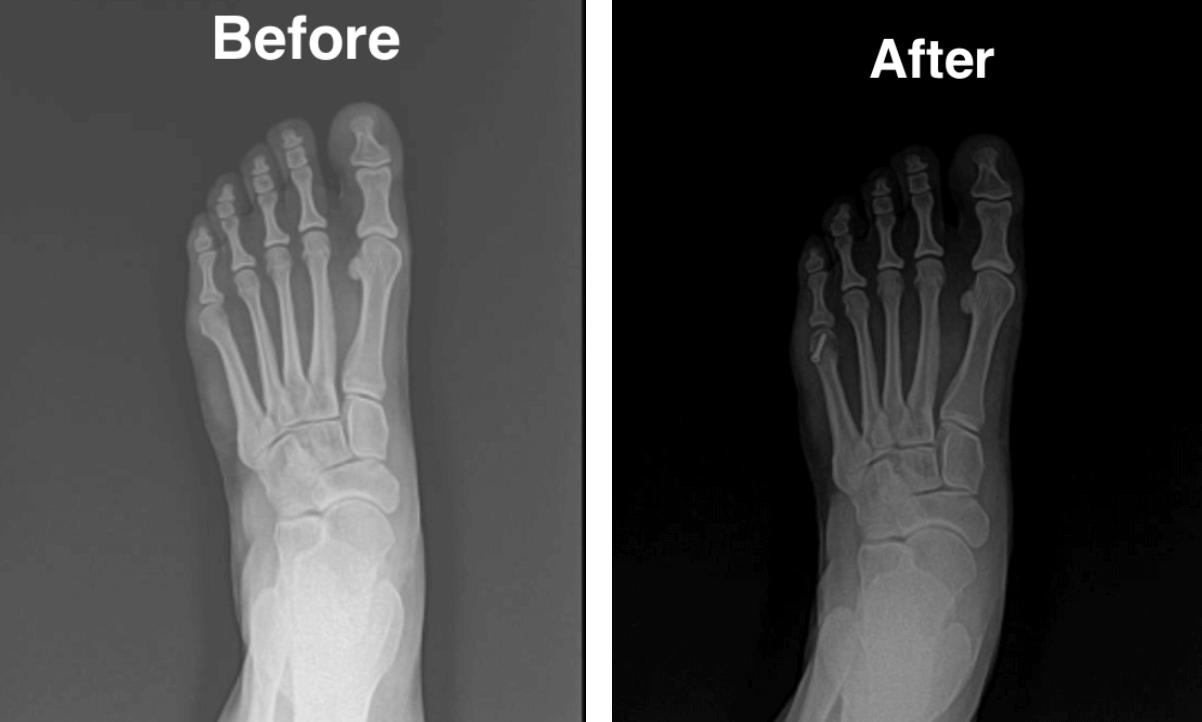
We often ignore the Tailor’s bunion. This is the painful bump that develops on the outside of the foot or lateral aspect of the foot just behind the small toe. Sometimes the surgery is very simple and basic and just involves shaving down the extra bone in the area and smoothing it down and then suturing things back together.
Sesamoiditis
Sesamoiditis is a condition that affects the joint that is just behind the big toe in the area known as the ball of the foot. It is most common in younger people and people who have just begun an exercise program. Since the sesamoid bones are like a pulley controlling the big toe, they can rub against each other and cause a gradual onset of pain. Pain may also be caused by the inflammation of tendons surrounding the bones. If ignored, sesamoiditis can lead to other, more serious problems such as severe irritation and fractures of the bones.
The cause of sesamoiditis is sudden increase in activity. The ball of your foot acts as a springboard to help you lift off when you are jogging or running. Sudden increase in the use of these bones or the tendon that controls them can cause irritation. The tendon then begins to develop inflammation and the joint begins to swell. People with smaller, bonier feet or those with a high arch are typically more susceptible to this condition.
Sesamoiditis is fairly simple to diagnose since the symptoms have a gradual onset rather than a sudden impact. The symptoms begin with slight irritation around the joint shortly after the increase in activity. The discomfort eventually turns to pain with light swelling and possibly redness. Although redness or bruising are rare, this may be a symptom. After each session of exercising, the aggravated joint becomes more irritated and increases into a very intense throbbing.
Treatment for sesamoiditis can vary depending on the severity of the situation. However, treatment is almost always approached in a noninvasive way. For a case that is just beginning the doctor may recommend a very strict rest period that will limit the activity allowed on the joint. If you must be active, a recommendation for as modified shoe or insole, along with bandaging and immobilizing the big toe will be made to ensure that pressure is not placed on the joint. For severe cases, it is typically recommended that the joint and the big toe be completely immobilized to allow adequate time to heal. Ice and an over the counter anti-inflammatory may can help with the pain and discomfort while you are at rest.
When you return to your regular exercise activities, it is recommended that you use an insole that will allow even distribution of impact to your entire foot, rather than just the balls of your foot. This will prevent further aggravation of the injury.
Where Are the Sesamoid Bones Located?
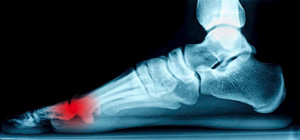 The pain and discomfort that is often experienced with the medical condition sesamoiditis is generally felt under the big toe. Two sesamoid bones are found inside the tendons of the big toe, and can become injured if shoes that are worn do not fit correctly. These types of shoes can include high heels, which typically have inadequate room for the toes to move freely in. A common symptom that many patients experience with this condition can consist of a dull pain that can become stronger as walking and running activities are pursued. It is beneficial to perform exercises that can strengthen the feet, as this may help the foot to generally feel better. If you have pain on the bottom of your foot near the big toe, it is advised that you seek the counsel of a podiatrist who can properly treat this condition.
Sesamoiditis is an unpleasant foot condition characterized by pain in the balls of the feet. If you think you’re struggling with sesamoiditis, contact the podiatrists of Issaquah Foot & Ankle Specialists. Our doctors will treat your condition thoroughly and effectively.
Sesamoiditis
Sesamoiditis is a condition of the foot that affects the ball of the foot. It is more common in younger people than it is in older people. It can also occur with people who have begun a new exercise program, since their bodies are adjusting to the new physical regimen. Pain may also be caused by the inflammation of tendons surrounding the bones. It is important to seek treatment in its early stages because if you ignore the pain, this condition can lead to more serious problems such as severe irritation and bone fractures.
Causes of Sesamoiditis
- Sudden increase in activity
- Increase in physically strenuous movement without a proper warm up or build up
- Foot structure: those who have smaller, bonier feet or those with a high arch may be more susceptible
Treatment for sesamoiditis is non-invasive and simple. Doctors may recommend a strict rest period where the patient forgoes most physical activity. This will help give the patient time to heal their feet through limited activity. For serious cases, it is best to speak with your doctor to determine a treatment option that will help your specific needs.
If you have any questions, please feel free to contact one of our offices located in Issaquah, WA . We offer the newest diagnostic and treatment technologies for all your foot care needs.
Dr. Timothy Young Talks About Anesthesia and Bunion Surgery
Dr. Timothy Young Talks About Anesthesia and Bunion Surgery
Dr. Brandon Nelson Talks About Treatment Options for Achilles Heel Pain, Achilles Tendinitis and Retrocalcaneal Bursitis

At Issaquah Foot and Ankle Specialists, we provide exceptional care as sports medicine physicians. We’re the #1 foot and ankle source for Achilles tendon pain, heel bursitis, bone spurs, and retrocalcaneal bursitis. One of our primary areas of focus is sports medicine and sports injuries. Achilles tendon injuries can be extremely challenging.
We utilize the latest treatment options including shockwave therapy and other cutting edge sports medicine techniques to treat all types of Achilles tendon pain. We can provide urgent care in same-day appointments sports medicine related injuries as we're the #1 foot and ankle clinic. If you live in Bellevue, Seattle, Issaquah, Maple Valley or Sammamish we are here to help. Give us a call at 425-391-8666 or make an appointment online today.
Do Your Child's Feet Hurt?

Have your child's feet been examined lately? Healthy feet are happy feet. If your child is complaining of foot pain, it may be a sign of underlying problems.
MLS Laser Therapy
MLS Laser Therapy is an FDA-approved technology designed to treat various painful conditions. It is often sought out as a successful alternative to surgical treatment and prescription medication that may otherwise bring about negative side effects. During MLS Laser Therapy, light energy enters the damaged cells to stimulate intercellular activity, reducing pain in the affected area and accelerating the recovery process.
MLS Laser Therapy is used in podiatry to treat various conditions. These include heel pain, plantar fasciitis, sports injuries, wounds, Achilles tendonitis, arthritis, neuromas, neurological pain, musculoskeletal disorders, and sore muscles. Aside from the specific conditions MLS Laser Therapy treats, patients can also gain from the treatment’s general benefits. These benefits include a rapid relief of pain, the reduction of swelling caused by inflammation or bruising, faster healing, improved blood circulation, the reduction of scar tissue, and improved nerve function.
MLS Laser Therapy is a non-surgical treatment with no side effects. The treatment process is painless and typically takes a short amount of time to complete. Several treatments may be required depending on the specific condition.
