




August 2021
What You Need to Know About Cuboid Syndrome
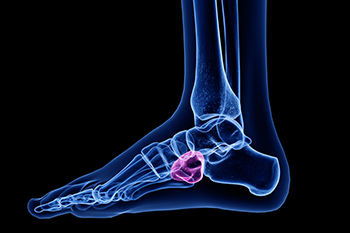
The cuboid bone is one of seven tarsal bones in the foot. It is located on the outside of the foot, midway between the heel and the pinky toe. Cuboid syndrome occurs when this bone becomes dislocated from overuse or from an injury such as a sprained ankle. It may also be caused by foot conditions such as pronated feet. Cuboid syndrome often affects dancers, athletes, and runners. Pain can be felt in various parts of the foot—often in the middle of the foot or at the base of the two smaller toes, or elsewhere in the foot or ankle. Other symptoms may include difficulty walking, swelling, and reduced range of motion in the ankle and foot. Because it can be difficult to pinpoint exactly where the pain is emanating from, it is important to have your foot examined and properly diagnosed by a podiatrist if you are experiencing any of the symptoms in order to recieve proper treatment.
Cuboid syndrome, also known as cuboid subluxation, occurs when the joints and ligaments near the cuboid bone in the foot become torn. If you have cuboid syndrome, consult with the podiatrists from Issaquah Foot & Ankle Specialists. Our doctors will assess your condition and provide you with quality foot and ankle treatment.
Cuboid syndrome is a common cause of lateral foot pain, which is pain on the outside of the foot. The condition may happen suddenly due to an ankle sprain, or it may develop slowly overtime from repetitive tension through the bone and surrounding structures.
Causes
The most common causes of cuboid syndrome include:
- Injury – The most common cause of this ailment is an ankle sprain.
- Repetitive Strain – Tension placed through the peroneus longus muscle from repetitive activities such as jumping and running may cause excessive traction on the bone causing it to sublux.
- Altered Foot Biomechanics – Most people suffering from cuboid subluxation have flat feet.
Symptoms
A common symptom of cuboid syndrome is pain along the outside of the foot which can be felt in the ankle and toes. This pain may create walking difficulties and may cause those with the condition to walk with a limp.
Diagnosis
Diagnosis of cuboid syndrome is often difficult, and it is often misdiagnosed. X-rays, MRIs and CT scans often fail to properly show the cuboid subluxation. Although there isn’t a specific test used to diagnose cuboid syndrome, your podiatrist will usually check if pain is felt while pressing firmly on the cuboid bone of your foot.
Treatment
Just as the range of causes varies widely, so do treatments. Some more common treatments are ice therapy, rest, exercise, taping, and orthotics.
If you have any questions, please feel free to contact one of our offices located in Issaquah, WA . We offer the newest diagnostic and treatment technologies for all your foot care needs.
What is PAD (Peripheral Artery Disease)?
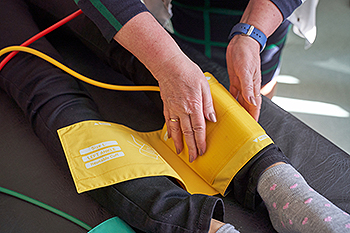
Millions of people in the United States suffer from peripheral artery disease (PAD), which is a narrowing of the arteries in the extremities and other areas of the body (excluding the heart and brain). PAD is most typically caused by an accumulation of fatty material in the arteries (atherosclerosis). PAD can restrict blood flow to the legs and feet where symptoms are often present, including: cold feet, a loss of hair on the legs and feet, skin that has a shiny appearance, toenails that are brittle or grow slowly, sores on the feet or legs that don’t heal, weakness in the legs, difficulty finding a pulse in the foot or leg, and more. It is important to be properly diagnosed and treated early to avoid more dangerous conditions from developing and to reduce the risk of stroke and heart attack. If you are exhibiting any of the symptoms described, it is suggested that you make an appointment with a podiatrist as soon as possible.
Peripheral artery disease can pose a serious risk to your health. It can increase the risk of stroke and heart attack. If you have symptoms of peripheral artery disease, consult with the podiatrists from Issaquah Foot & Ankle Specialists. Our doctors will assess your condition and provide you with quality foot and ankle treatment.
Peripheral artery disease (PAD) is when arteries are constricted due to plaque (fatty deposits) build-up. This results in less blood flow to the legs and other extremities. The main cause of PAD is atherosclerosis, in which plaque builds up in the arteries.
Symptoms
Symptoms of PAD include:
- Claudication (leg pain from walking)
- Numbness in legs
- Decrease in growth of leg hair and toenails
- Paleness of the skin
- Erectile dysfunction
- Sores and wounds on legs and feet that won’t heal
- Coldness in one leg
It is important to note that a majority of individuals never show any symptoms of PAD.
Diagnosis
While PAD occurs in the legs and arteries, Podiatrists can diagnose PAD. Podiatrists utilize a test called an ankle-brachial index (ABI). An ABI test compares blood pressure in your arm to you ankle to see if any abnormality occurs. Ultrasound and imaging devices may also be used.
Treatment
Fortunately, lifestyle changes such as maintaining a healthy diet, exercising, managing cholesterol and blood sugar levels, and quitting smoking, can all treat PAD. Medications that prevent clots from occurring can be prescribed. Finally, in some cases, surgery may be recommended.
If you have any questions, please feel free to contact one of our offices located in Issaquah, WA . We offer the newest diagnostic and treatment technologies for all your foot care needs.
Are You Suffering From Ingrown Toenails?

If left untreated, an ingrown toenail can lead to more serious concerns, such as an infection. Knowing proper nail care can help in the prevention of an ingrown toenail. Give us a call, and get treated!
How to Tell if Your Child May Have a Foot or Ankle Issue
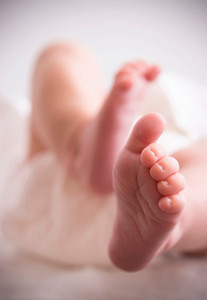
It might be difficult to know when your child has developed a foot or ankle issue. Because they may not be able to verbalize what’s wrong, or their symptoms may be hard to spot, you should keep an eye out for other warning signs. If your child struggles to keep up physically with their friends or their legs or feet get tired, this may be an indication of flat feet. Between the ages of 8 and 14 children may experience sever’s disease, where the Achilles tendon pulls on the growth plate at the back of the heel. This causes heel pain which may cause your child to shy away from physical activities. If your child is hiding their feet from you, they may have noticed some change and want to avoid going to the doctor. If your child seems clumsy or frequently trips or falls it may indicate a balance or neuromuscular issue, or that their feet point inward when they walk or run. Of course if they complain of any pain or discomfort in their feet, or you notice any of these warning signs, make an appointment for your child with a podiatrist for a full examination.
The health of a child’s feet is vital to their overall well-being. If you have any questions regarding foot health, contact the podiatrists of Issaquah Foot & Ankle Specialists. Our doctors can provide the care you need to keep you pain-free and on your feet.
Tips for Keeping Children's Feet Healthy
- Make sure their shoes fit properly
- Look for any signs of in-toeing or out-toeing
- Check to see if they have Clubfoot (condition that affects your child’s foot and ankle, twisting the heel and toes inward) which is one of the most common nonmajor birth defects.
- Lightly cover your baby’s feet (Tight covers may keep your baby from moving their feet freely, and could prevent normal development)
- Allow your toddler to go shoeless (Shoes can be restricting for a young child’s foot)
- Cut toenails straight across to avoid ingrown toenails
- Keep your child’s foot clean and dry
- Cover cuts and scrapes. Wash any scratches with soap and water and cover them with a bandage until they’ve healed.
If you have any questions, please feel free to contact one of our offices located in Issaquah, WA . We offer the newest diagnostic and treatment technologies for all your foot care needs.
Can Wearing Flip Flops Cause Foot Damage?
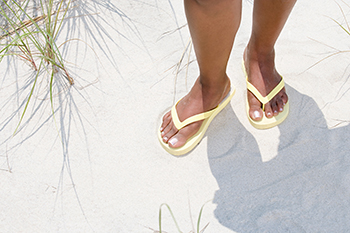 Many people take their feet for granted, despite the fact they are considered to be the foundation of the body. Frequently wearing flip flops may cause foot injury and pain, in addition to contributing to poor foot mechanics. The muscles in the foot may also be negatively affected, and this can lead to serious foot problems. Existing foot conditions like arch and heel pain, may worsen when flip flops are worn. If you would like more information about the harmful effects of wearing flip flops, please consult with a podiatrist.
Flip-flops can cause a lot of problems for your feet. If you have any concerns about your feet or ankles, contact the podiatrists from Issaquah Foot & Ankle Specialists. Our doctors will assist you with all of your foot and ankle needs.
Flip-Flops and Feet
Flip-flops have managed to become a summer essential for a lot of people. While the shoes may be stylish and easy to slip on and off, they can be dangerous to those who wear them too often. These shoes might protect you from fungal infections such as athlete’s foot, but they can also give you foot pain and sprained ankles if you trip while wearing them.
When Are They Okay to Wear?
Flip-flops should only be worn for very short periods of time. They can help protect your feet in places that are crawling with fungi, such as gym locker rooms. Athlete’s foot and plantar warts are two common fungi that flip-flops may help protect your feet against.
Why Are They Bad for My Feet?
These shoes do not offer any arch support, so they are not ideal for everyday use. They also do not provide shock absorption or heel cushioning which can be problematic for your feet. Additionally, you may suffer from glass cuts, puncture wounds, and stubbed toes since they offer little protection for your feet.
More Reasons Why They Are Bad for Your Feet
- They Slow You Down
- May Cause Blisters and Calluses
- Expose Your Feet to Bacteria
If you have any questions, please feel free to contact one of our offices located in Issaquah, WA . We offer the newest diagnostic and treatment technologies for all your foot care needs.
