




March 2026
Understanding Sever’s Disease
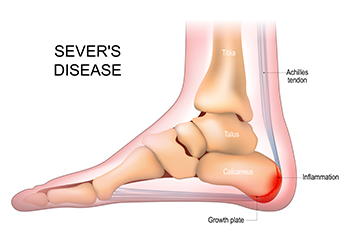
Sever's disease is a common cause of heel pain in active children, especially during periods of rapid growth. Sever's disease develops when repetitive stress irritates the growth plate at the back of the heel bone where the Achilles tendon attaches. Running, jumping, and sports with frequent starts and stops can increase strain on this sensitive area. Children may report heel pain during or after activity, limp, or avoid placing weight on the heel. Symptoms may affect one or both feet and often worsen during sports seasons. A podiatrist can assess foot structure, gait, and activity demands to confirm the diagnosis and rule out other causes of heel pain. Treatment focuses on reducing stress at the heel and supporting a safe return to activity for young athletes. If your active child displays symptoms of Sever's disease, it is suggested that you make an appointment with a podiatrist for an exam, diagnosis, and treatment.
Sever's disease often occurs in children and teens. If your child is experiencing foot or ankle pain, see the podiatrists from Issaquah Foot & Ankle Specialists. Our doctors can treat your child’s foot and ankle needs.
Sever’s Disease
Sever’s disease is also known as calcaneal apophysitis, which is a medical condition that causes heel pain I none or both feet. The disease is known to affect children between the ages of 8 and 14.
Sever’s disease occurs when part of the child’s heel known as the growth plate (calcaneal epiphysis) is attached to the Achilles tendon. This area can suffer injury when the muscles and tendons of the growing foot do not keep pace with bone growth. Therefore, the constant pain which one experiences at the back of the heel will make the child unable to put any weight on the heel. The child is then forced to walk on their toes.
Symptoms
Acute pain – Pain associated with Sever’s disease is usually felt in the heel when the child engages in physical activity such as walking, jumping and or running.
Highly active – Children who are very active are among the most susceptible in experiencing Sever’s disease, because of the stress and tension placed on their feet.
If you have any questions, please feel free to contact one of our offices located in Issaquah, WA . We offer the newest diagnostic and treatment technologies for all your foot care needs.
Facts About a Broken Foot
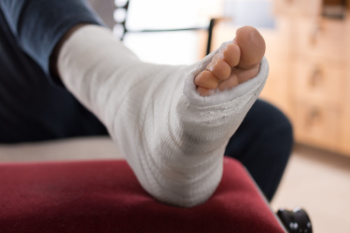
A broken foot refers to a fracture in one or more bones of the foot that disrupts normal movement and weight-bearing. Healing time can vary depending on the location and severity of the fracture, overall health, and how well the foot is protected during recovery. Common symptoms include pain, swelling, bruising, tenderness, and difficulty standing or walking. Causes often involve falls, sports injuries, repetitive stress, or direct impact. Risk factors include osteoporosis, overuse, wearing improper footwear, and high-impact activities. A podiatrist can accurately diagnose the injury using a physical examination and imaging, create a personalized treatment plan, and monitor healing progress. If you have symptoms of a broken foot, it is suggested that you promptly consult a podiatrist who can provide an accurate diagnosis and treatment.
A broken foot requires immediate medical attention and treatment. If you need your feet checked, contact the podiatrists from Issaquah Foot & Ankle Specialists. Our doctors can provide the care you need to keep you pain-free and on your feet.
Broken Foot Causes, Symptoms, and Treatment
A broken foot is caused by one of the bones in the foot typically breaking when bended, crushed, or stretched beyond its natural capabilities. Usually the location of the fracture indicates how the break occurred, whether it was through an object, fall, or any other type of injury.
Common Symptoms of Broken Feet:
- Bruising
- Pain
- Redness
- Swelling
- Blue in color
- Numbness
- Cold
- Misshapen
- Cuts
- Deformities
Those that suspect they have a broken foot shoot seek urgent medical attention where a medical professional could diagnose the severity.
Treatment for broken bones varies depending on the cause, severity and location. Some will require the use of splints, casts or crutches while others could even involve surgery to repair the broken bones. Personal care includes the use of ice and keeping the foot stabilized and elevated.
If you have any questions, please feel free to contact one of our offices located in Issaquah, WA . We offer the newest diagnostic and treatment technologies for all your foot care needs.
Prevent Injury and Fatigue With Custom Orthotics

Custom Orthotics aren't just about comfort; they're your shield against injury and fatigue. By aligning your feet just right, they reduce strain on muscles and joints, ensuring you stay active longer without the usual wear and tear. Whether you're an athlete pushing limits or someone seeking day-to-day ease, Custom Orthotics offer the support you need. Don't let fatigue set the pace; with Custom Orthotics, you're always one step ahead. Call today for more information.
Causes of Cracked Heels in Women
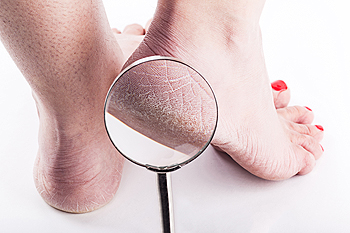
Cracked heels are a condition where the skin surrounding the heel becomes dry, thick, and prone to splitting. In women, cracked heels often develop due to dehydration, excessive exposure to sunlight, and skin changes that affect moisture retention. Wearing improper footwear such as open back shoes or unsupportive sandals can increase pressure on the heel and worsen dryness. Excessive moisture from sweating or frequent water exposure may weaken the skin barrier, while walking barefoot on hard surfaces adds repeated stress. A podiatrist can evaluate the severity of cracked heels, safely remove hardened skin, recommend moisturizing treatments, and address footwear concerns. If cracked heels are causing pain, discomfort, or skin changes, it is suggested that you consult a podiatrist for professional treatment solutions, which may include prescribed medication.
Cracked heels are unsightly and can cause further damage to your shoes and feet. If you have any concerns, contact the podiatrists from Issaquah Foot & Ankle Specialists. Our doctors can provide the care you need to keep you pain-free and on your feet.
Cracked Heels
Cracked heels appear unappealing and can make it harder for you walk around in sandals. Aside from looking unpleasant, cracked heels can also tear stockings, socks, and wear out your shoes. There are several methods to help restore a cracked heel and prevent further damage.
How Do You Get Them?
Dry skin is the number one culprit in creating cracked heels. Many athletes, walkers, joggers, and even swimmers suffer from cracked heels. Age and skin oil production play a role to getting cracked heels as well.
Promote Healing
Over the counter medicines can help, especially for those that need instant relief or who suffer from chronic dry feet.
Wear Socks – Wearing socks with medicated creams helps lock in moisture.
Moisturizers – Applying both day and night will help alleviate dryness which causes cracking.
Pumice Stones – These exfoliate and remove dead skin, which allows for smoother moisturizer application and better absorption into the skin.
Change in Diet
Eating healthy with a well-balanced diet will give the skin a fresh and radiant look. Your body responds to the kinds of food you ingest. Omega-3 fatty acids and zinc supplements can also revitalize skin tissue.
Most importantly, seek professional help if unsure how to proceed in treating cracked heels. A podiatrist will help you with any questions or information needed.
If you have any questions, please feel free to contact one of our offices located in Issaquah, WA . We offer the newest diagnostic and treatment technologies for all your foot care needs.
Relief for First-Step Pain
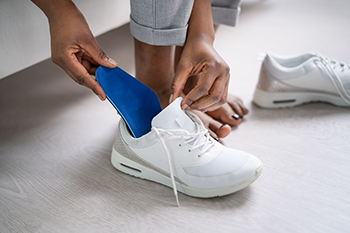
First-step pain often happens when the foot is stiff after rest. Common examples are when getting out of bed, or standing after sitting. This pain can come from strain on the tissue that supports the arch, flat feet, high arches, weight gain, or repeated stress on the heel. Symptoms may include sharp heel pain, sore arches, stiffness, and discomfort that eases after walking, but can return later in the day. Poor foot alignment can place stress on joints and soft tissue, leading to ongoing pain. Orthotics can help by supporting the arch, improving foot alignment, and spreading pressure across the foot. This support can reduce strain and make walking more comfortable. If you feel you may be experiencing first-step pain, it is suggested that you schedule an appointment to learn how podiatric treatment and orthotics can help restore comfort and movement.
Custom orthotics are often an effective solution for people experiencing heel pain, offering both comfort and correction for the underlying causes of discomfort. Heel pain commonly develops when the natural support of the foot becomes strained or imbalanced, leading to inflammation and irritation in the heel area. Conditions such as plantar fasciitis, heel spurs, or flat feet can all contribute to chronic heel pain that worsens with walking or standing. Custom orthotics are designed to fit the exact shape of your foot, providing the support and alignment necessary to reduce stress on the heel and surrounding tissues.
By redistributing pressure and improving overall foot mechanics, custom orthotics allow the heel to function more efficiently during movement. They cushion each step, absorb shock, and correct abnormal gait patterns that may be contributing to pain. Over time, this consistent support can ease inflammation, protect against re-injury, and enhance comfort during both daily and athletic activities.
Unlike prefabricated insoles, custom orthotics are created from a detailed evaluation that may include digital scans or molds of your feet. This ensures a precise and individualized fit that addresses your specific condition. They can be used in various types of footwear, from athletic shoes to dress styles, making them a versatile option for ongoing relief.
If heel pain is limiting your comfort or activity level, it is suggested that you call our office for more information or to schedule an appointment.
If you have any questions please contact one of our offices located in Issaquah, WA .
Understanding Diabetes-Related Foot Ulcers
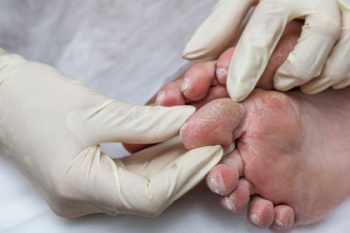
Diabetes-related foot ulcers are open sores that develop due to poor circulation, nerve damage, and prolonged pressure on the feet. They often appear on the bottom of the foot or near bony areas and may look like a shallow or deep wound with redness, drainage, or darkened surrounding skin. Because of nerve damage, it may not feel very painful at first, but some people notice pressure, aching, or signs of infection, such as swelling or odor. Causes include uncontrolled blood sugar, loss of sensation, and delayed wound healing. A podiatrist can help from the start by diagnosing the ulcer, assessing circulation and nerve function, and identifying risk factors. Early treatment may include wound care, debridement, and pressure relief. Care can then progress into advanced wound therapies, custom footwear, and long-term prevention strategies. Early intervention helps protect foot health and mobility. If you have foot complications from diabetes, it is suggested that you regularly see a podiatrist.
Diabetic foot care is important in preventing foot ailments such as ulcers. If you are suffering from diabetes or have any other concerns about your feet, contact the podiatrists from Issaquah Foot & Ankle Specialists. Our doctors can provide the care you need to keep you pain-free and on your feet.
Diabetic Foot Care
Diabetes affects millions of people every year. The condition can damage blood vessels in many parts of the body, especially the feet. Because of this, taking care of your feet is essential if you have diabetes, and having a podiatrist help monitor your foot health is highly recommended.
The Importance of Caring for Your Feet
- Routinely inspect your feet for bruises or sores.
- Wear socks that fit your feet comfortably.
- Wear comfortable shoes that provide adequate support.
Patients with diabetes should have their doctor monitor their blood levels, as blood sugar levels play such a huge role in diabetic care. Monitoring these levels on a regular basis is highly advised.
It is always best to inform your healthcare professional of any concerns you may have regarding your feet, especially for diabetic patients. Early treatment and routine foot examinations are keys to maintaining proper health, especially because severe complications can arise if proper treatment is not applied.
If you have any questions, please feel free to contact one of our offices located in Issaquah, WA . We offer the newest diagnostic and treatment technologies for all your foot care needs.
The Achilles Tendon and Tendinitis

The Achilles tendon is the strong band of tissue that connects the calf muscles to the heel bone and plays a vital role in walking, running and jumping. Achilles tendinitis occurs when this tendon becomes irritated or inflamed often due to overuse, sudden increases in activity, tight calf muscles, or repetitive stress from running and jumping sports. Symptoms may include pain, stiffness, swelling, and tenderness near the back of the heel especially during movement. Without proper care the condition can worsen and interfere with daily activities. A podiatrist can help by accurately diagnosing the condition and creating a personalized treatment plan that may include activity modification, stretching therapy, footwear guidance, and supportive devices to reduce strain on the tendon. If you have heel or ankle pain, it is suggested that you consult a podiatrist who can offer effective relief and treatment solutions for what may be going on.
Achilles tendon injuries need immediate attention to avoid future complications. If you have any concerns, contact the podiatrists of Issaquah Foot & Ankle Specialists. Our doctors can provide the care you need to keep you pain-free and on your feet.
What Is the Achilles Tendon?
The Achilles tendon is a tendon that connects the lower leg muscles and calf to the heel of the foot. It is the strongest tendon in the human body and is essential for making movement possible. Because this tendon is such an integral part of the body, any injuries to it can create immense difficulties and should immediately be presented to a doctor.
What Are the Symptoms of an Achilles Tendon Injury?
There are various types of injuries that can affect the Achilles tendon. The two most common injuries are Achilles tendinitis and ruptures of the tendon.
Achilles Tendinitis Symptoms
- Inflammation
- Dull to severe pain
- Increased blood flow to the tendon
- Thickening of the tendon
Rupture Symptoms
- Extreme pain and swelling in the foot
- Total immobility
Treatment and Prevention
Achilles tendon injuries are diagnosed by a thorough physical evaluation, which can include an MRI. Treatment involves rest, physical therapy, and in some cases, surgery. However, various preventative measures can be taken to avoid these injuries, such as:
- Thorough stretching of the tendon before and after exercise
- Strengthening exercises like calf raises, squats, leg curls, leg extensions, leg raises, lunges, and leg presses
If you have any questions please feel free to contact one of our offices located in Issaquah, WA . We offer the newest diagnostic tools and technology to treat your foot and ankle needs.
Wounds That Don't Heal Need to Be Checked

Your feet are covered most of the day. If you're diabetic, periodic screening is important for good health. Numbness is often a sign of diabetic foot and can mask a sore or wound.
