




May 2024
What Is Toenail Fungus and How Is It Treated?

Toenail fungus, medically termed onychomycosis, is a fungal infection that commonly affects the toenails. It is typically caused by dermatophytes, which are fungi that thrive in warm and moist environments like sweaty shoes or public swimming pools. When these fungi invade the toenail bed, they can cause discoloration, thickening, and crumbling of the nail. Symptoms may include yellowing or darkening of the nail, a distorted shape, and a foul odor. Certain factors increase the risk of developing toenail fungus. Among them are age, poor circulation, weakened immune system, and frequent exposure to moist environments. Common types of fungal infections include distal subungual onychomycosis, white superficial onychomycosis, proximal subungual onychomycosis, and candida onychomycosis. Treatment typically involves prescribed antifungal medications, either topical or oral, depending on the severity of the infection. In severe cases, surgical removal of the nail may be necessary. If you think you have toenail fungus, it is suggested that you schedule an appointment with a podiatrist for a proper diagnosis and treatment at your earliest convenience.
Athlete’s Foot
Athlete’s foot is often an uncomfortable condition to experience. Thankfully, podiatrists specialize in treating athlete’s foot and offer the best treatment options. If you have any questions about athlete’s foot, consult with the podiatrists from Issaquah Foot & Ankle Specialists. Our doctors will assess your condition and provide you with quality treatment.
What Is Athlete’s Foot?
Tinea pedis, more commonly known as athlete’s foot, is a non-serious and common fungal infection of the foot. Athlete’s foot is contagious and can be contracted by touching someone who has it or infected surfaces. The most common places contaminated by it are public showers, locker rooms, and swimming pools. Once contracted, it grows on feet that are left inside moist, dark, and warm shoes and socks.
Prevention
The most effective ways to prevent athlete’s foot include:
- Thoroughly washing and drying feet
- Avoid going barefoot in locker rooms and public showers
- Using shower shoes in public showers
- Wearing socks that allow the feet to breathe
- Changing socks and shoes frequently if you sweat a lot
Symptoms
Athlete’s foot initially occurs as a rash between the toes. However, if left undiagnosed, it can spread to the sides and bottom of the feet, toenails, and if touched by hand, the hands themselves. Symptoms include:
- Redness
- Burning
- Itching
- Scaly and peeling skin
Diagnosis and Treatment
Diagnosis is quick and easy. Skin samples will be taken and either viewed under a microscope or sent to a lab for testing. Sometimes, a podiatrist can diagnose it based on simply looking at it. Once confirmed, treatment options include oral and topical antifungal medications.
If you have any questions, please feel free to contact one of our offices located in Issaquah, WA . We offer the newest diagnostic and treatment technologies for all your foot care needs.
Foot and Ankle Injuries in Distance Running

Distance running, a popular form of exercise and competition, can place significant stress on the feet and ankles, leading to various injuries. One common reason is overuse, as the repetitive pounding of the feet against hard surfaces can strain muscles, tendons, and ligaments over time. Improper footwear or worn-out running shoes lacking adequate support or cushioning can increase the risk of injury. Additionally, biomechanical factors, such as overpronation or supination, where the foot rolls inward or outward excessively during the running gait, can contribute to instability and strain on the ankles. Running on uneven terrain or hard surfaces without proper shock absorption can also heighten the risk of foot and ankle injuries. Furthermore, sudden increases in training volume or intensity without proper conditioning and recovery can overload the lower extremities, predisposing runners to injuries. Foot and ankle injuries are common in people who enjoy running. If this applies to you, it is suggested that you contact a podiatrist who can offer correct treatment methods, in addition to effective injury prevention techniques.
Sports related foot and ankle injuries require proper treatment before players can go back to their regular routines. For more information, contact the podiatrists of Issaquah Foot & Ankle Specialists. Our doctors can provide the care you need to keep you pain-free and on your feet.
Sports Related Foot and Ankle Injuries
Foot and ankle injuries are a common occurrence when it comes to athletes of any sport. While many athletes dismiss the initial aches and pains, the truth is that ignoring potential foot and ankle injuries can lead to serious problems. As athletes continue to place pressure and strain the area further, a mild injury can turn into something as serious as a rupture and may lead to a permanent disability. There are many factors that contribute to sports related foot and ankle injuries, which include failure to warm up properly, not providing support or wearing bad footwear. Common injuries and conditions athletes face, including:
- Plantar Fasciitis
- Achilles Tendinitis
- Achilles Tendon Rupture
- Ankle Sprains
Sports related injuries are commonly treated using the RICE method. This includes rest, applying ice to the injured area, compression and elevating the ankle. More serious sprains and injuries may require surgery, which could include arthroscopic and reconstructive surgery. Rehabilitation and therapy may also be required in order to get any recovering athlete to become fully functional again. Any unusual aches and pains an athlete sustains must be evaluated by a licensed, reputable medical professional.
If you have any questions please contact one of our offices located in Issaquah, WA . We offer the newest diagnostic and treatment technologies for all your foot and ankle needs.
Custom Orthotics For Outdoor Activity

Embrace the great outdoors with confidence and comfort! Whether you're hiking, jogging, or exploring nature, Custom Orthotics are your perfect companion. Tailored to your foot's unique needs, they provide stability on uneven terrains and cushioning for those longer adventures. Don't let foot discomfort limit your outdoor experiences. With Custom Orthotics, every step is supported and secure. Call today to schedule an appointment.
How Stretches Can Keep Your Toes Healthy

Your toes might seem like small, inconsequential parts of your body, but when they're happy and healthy, they play a big role in your overall comfort and mobility. Fortunately, you don't need fancy equipment or hours of time to keep your toes in tip-top shape. Just a few simple toe stretches can go a long way in promoting flexibility, strength, and comfort. Stretching your toes is about promoting blood flow, reducing pain and swelling, and minimizing your risk of injury. Start with both feet flat on the floor, then lift your toes, aiming to get them all to the same height. Hold for a few seconds, then repeat. Similar to the toe lift, but this time, try to spread your toes apart as much as possible while lifting. Stand next to a wall and use your hands for support as you press your toes against the wall, flexing them gently. Wrap a towel or belt around your big toe and gently pull it toward you to increase mobility. Using a wall for support, push the toes of one foot against the floor to stretch them. While these stretches can work wonders for many people, it's essential to listen to your body and consult with a podiatrist if you experience persistent pain or discomfort. They can offer personalized advice and treatment options to keep your feet happy and healthy for years to come. Incorporating these simple toe stretches into your daily routine takes just a few minutes but can make a world of difference in how your toes feel and function. If you are experiencing any type of toe pain, it is suggested that you make an appointment with a podiatrist.
Stretching the feet is a great way to prevent injuries. If you have any concerns with your feet consult with the podiatrists from Issaquah Foot & Ankle Specialists. Our doctors will assess your condition and provide you with quality foot and ankle treatment.
Stretching the Feet
Stretching the muscles in the foot is an important part in any physical activity. Feet that are tight can lead to less flexibility and make you more prone to injury. One of the most common forms of foot pain, plantar fasciitis, can be stretched out to help ease the pain. Stretching can not only ease pain from plantar fasciitis but also prevent it as well. However, it is important to see a podiatrist first if stretching is right for you. Podiatrists can also recommend other ways to stretch your feet. Once you know whether stretching is right for you, here are some excellent stretches you can do.
- Using a foam roller or any cylindrical object (a water bottle or soda can will do), roll the object under your foot back and forth. You should also exert pressure on the object. Be sure to do this to both feet for a minute. Do this exercise three times each.
- Similar to the previous one, take a ball, such as a tennis ball, and roll it under your foot while seated and exert pressure on it.
- Grab a resistance band or towel and take a seat. If you are using a towel, fold it length wise. Next put either one between the ball of your foot and heel and pull with both hands on each side towards you. Hold this for 15 seconds and then switch feet. Do this three times for each foot.
- Finally hold your big toe while crossing one leg over the other. Pull the toe towards you and hold for 15 seconds. Once again do this three times per foot.
It is best to go easy when first stretching your foot and work your way up. If your foot starts hurting, stop exercising and ice and rest the foot. It is advised to then see a podiatrist for help.
If you have any questions please contact one of our offices located in Issaquah, WA . We offer the newest diagnostic and treatment technologies for all your foot and ankle needs.
Need for Custom Orthotics
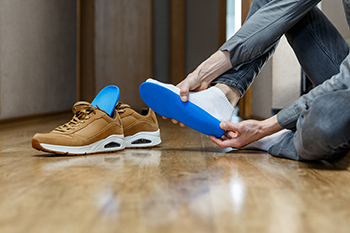
If you are experiencing persistent foot pain, discomfort, or difficulty while walking, it may be a sign that you could benefit from orthotics. Common indicators include arch pain, heel pain, flat feet, or ongoing issues like plantar fasciitis or bunions. Additionally, if you have a history of foot injuries, biomechanical imbalances, or medical conditions that affect the feet, orthotics may be necessary to alleviate symptoms and improve foot function. Determining the type of orthotics needed depends on your foot condition, gait mechanics, and lifestyle. The types of orthotics available, include rigid, semi-rigid, and soft orthotics, each designed to address different needs and provide varying levels of support and cushioning. If you have foot pain that is not improving, it is suggested that you schedule an appointment with a podiatrist to determine which orthotics are best suited to your needs.
Custom orthotics are often an effective solution for people experiencing heel pain, offering both comfort and correction for the underlying causes of discomfort. Heel pain commonly develops when the natural support of the foot becomes strained or imbalanced, leading to inflammation and irritation in the heel area. Conditions such as plantar fasciitis, heel spurs, or flat feet can all contribute to chronic heel pain that worsens with walking or standing. Custom orthotics are designed to fit the exact shape of your foot, providing the support and alignment necessary to reduce stress on the heel and surrounding tissues.
By redistributing pressure and improving overall foot mechanics, custom orthotics allow the heel to function more efficiently during movement. They cushion each step, absorb shock, and correct abnormal gait patterns that may be contributing to pain. Over time, this consistent support can ease inflammation, protect against re-injury, and enhance comfort during both daily and athletic activities.
Unlike prefabricated insoles, custom orthotics are created from a detailed evaluation that may include digital scans or molds of your feet. This ensures a precise and individualized fit that addresses your specific condition. They can be used in various types of footwear, from athletic shoes to dress styles, making them a versatile option for ongoing relief.
If heel pain is limiting your comfort or activity level, it is suggested that you call our office for more information or to schedule an appointment.
If you have any questions please contact one of our offices located in Issaquah, WA .
Managing Cuboid Bone Injuries
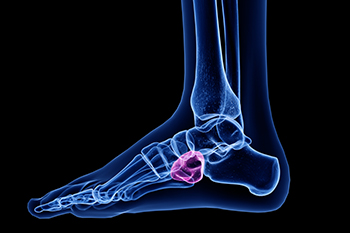
The cuboid bone, a vital component of your foot's structure, often remains unnoticed until a problem arises. The cuboid bone is located on the outer side of the foot, just in front of the heel. It plays a significant role in mobility, aiding in pointing the foot downward and supporting lateral movement. An injury of this bone can lead to cuboid syndrome, which is a partial dislocation at the joint between the heel and the cuboid. Symptoms may include metatarsal pain, lateral ankle instability, hammertoes, or plantar fasciitis. If left untreated, these symptoms can escalate into more severe conditions, such as ankle arthritis or stress fractures. Treatment options involve padding and a manipulation technique to realign the bone. For cuboid fractures, patients may need to refrain from weight-bearing activities for a period of time, followed by a transition to a walking boot. Where conservative methods fail, surgical intervention may be used to stabilize the bone and restore its function, ensuring a quicker recovery. If you are experiencing symptoms of a lateral foot injury, it may involve the cuboid bone. It is suggested that you schedule an appointment with a podiatrist for a thorough exam and indicated treatment options.
Cuboid syndrome, also known as cuboid subluxation, occurs when the joints and ligaments near the cuboid bone in the foot become torn. If you have cuboid syndrome, consult with the podiatrists from Issaquah Foot & Ankle Specialists. Our doctors will assess your condition and provide you with quality foot and ankle treatment.
Cuboid syndrome is a common cause of lateral foot pain, which is pain on the outside of the foot. The condition may happen suddenly due to an ankle sprain, or it may develop slowly overtime from repetitive tension through the bone and surrounding structures.
Causes
The most common causes of cuboid syndrome include:
- Injury – The most common cause of this ailment is an ankle sprain.
- Repetitive Strain – Tension placed through the peroneus longus muscle from repetitive activities such as jumping and running may cause excessive traction on the bone causing it to sublux.
- Altered Foot Biomechanics – Most people suffering from cuboid subluxation have flat feet.
Symptoms
A common symptom of cuboid syndrome is pain along the outside of the foot which can be felt in the ankle and toes. This pain may create walking difficulties and may cause those with the condition to walk with a limp.
Diagnosis
Diagnosis of cuboid syndrome is often difficult, and it is often misdiagnosed. X-rays, MRIs and CT scans often fail to properly show the cuboid subluxation. Although there isn’t a specific test used to diagnose cuboid syndrome, your podiatrist will usually check if pain is felt while pressing firmly on the cuboid bone of your foot.
Treatment
Just as the range of causes varies widely, so do treatments. Some more common treatments are ice therapy, rest, exercise, taping, and orthotics.
If you have any questions, please feel free to contact one of our offices located in Issaquah, WA . We offer the newest diagnostic and treatment technologies for all your foot care needs.
Do Your Child's Feet Hurt?

Have your child's feet been examined lately? Healthy feet are happy feet. If your child is complaining of foot pain, it may be a sign of underlying problems.
