




January 2024
Swollen Ankles Can Signal Health Problems

Swollen feet can serve as an indicator of underlying health issues, primarily stemming from fluid retention in body tissues. This phenomenon, known as edema, results from disruptions in the intricate processes of the circulatory system that can lead to the accumulation of excess fluid, resulting in swollen feet. Various factors contribute to edema, such as prolonged periods of standing that may impede blood flow, pregnancy-induced physiological changes, and varicose veins. In cases of congestive heart failure, the heart's inability to pump blood efficiently leads to blood stagnation, commonly causing edema in the lower limbs. Lymphedema, a consequence of a malfunctioning lymphatic system, can result from surgical procedures or genetic disorders, leading to fluid accumulation. Thyroid disorders, menstrual hormonal fluctuations, and liver damage, particularly cirrhosis caused by long-term alcohol exposure, are additional contributors to edema. Kidney disorders, such as nephrotic syndrome, can cause inefficient water removal and subsequent edema. For help with swollen feet or ankles, it is suggested that you schedule an appointment with a podiatrist for an exam and diagnosis.
Swollen feet can be a sign of an underlying condition. If you have any concerns, contact the podiatrists of Issaquah Foot & Ankle Specialists. Our doctors can provide the care you need to keep you pain-free and on your feet.
Swollen feet are a common ailment among pregnant women and people who stand or sit for extended periods. Aging may increase the possibility of swollen feet and patients who are obese often notice when their feet are swelling too. There may be medical reasons why swollen feet occur:
- Phlebitis - A condition that causes the veins to become inflamed and can also cause leg pain.
- Liver disease - This may lead to low blood levels of albumin which is a protein. This can cause fluid in the blood to pass into the tissues and several areas of the body can become swollen.
- Heart failure - When the heart doesn’t pump properly the blood that is normally pumped back to the heart can pool in the veins of the legs causing swollen feet.
- Kidney disease - One of the main functions of the kidneys is releasing excess fluid in the body. This type of condition can make it difficult for the kidneys to function properly, and as a result the feet may become swollen.
- Deep-vein thrombosis (DVT)- This is a serious condition where blood clots form in the veins of the legs. They can block the return of blood from the legs to the heart which may cause the feet to swell. It is important to be treated by a podiatrist if this condition is present.
Swollen feet can also be caused by bone and tendon conditions, including fractures, arthritis, and tendinitis. Additionally, there may be skin and toenail conditions and an infection may cause the feet to swell. Patients who take medicine to treat high blood pressure may be prone to getting swollen feet.
Many patients elevate their feet to help relieve the swelling and this is generally a temporary remedy. When a podiatrist is consulted the reason behind the swelling can be uncovered and subsequently treated.
If you have any questions please contact one of our offices located in Issaquah, WA . We offer the newest diagnostic and treatment technologies for all your foot and ankle needs.
How Custom-Made Orthotics Can Help You
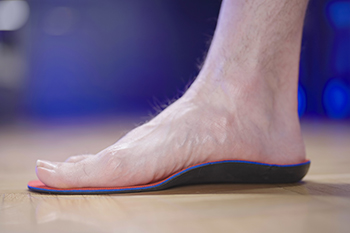
Custom-made orthotics are specialized devices designed to support and improve the function of the feet and lower limbs, offering a personalized solution for individuals with various lower limb problems. These devices are meticulously crafted based on an individual's unique foot structure and specific health needs, providing targeted support where it is most needed. They work by aligning the foot and ankle into their most anatomically efficient position, thereby alleviating stress and strain on the lower limbs. This tailored approach can significantly help in managing conditions such as flat feet, plantar fasciitis, bunions, and arthritis, as well as in alleviating discomfort caused by long periods of standing or walking. By improving foot mechanics, custom orthotics not only address immediate pain and discomfort but also aid in preventing future musculoskeletal issues. They are often recommended by podiatrists, as a key component in a comprehensive treatment plan for lower limb ailments. If you would like to learn how custom-made orthotics can help you, it is suggested that you make an appointment with a podiatrist today.
Custom orthotics are specialized shoe inserts created to support and align the feet according to each person’s unique structure and walking pattern. They are an effective way to relieve foot discomfort caused by conditions such as flat feet, high arches, plantar fasciitis, bunions, and heel pain. When the natural alignment of the foot is off balance, it can lead to pressure points, strain, and pain that affect how a person stands, walks, and moves. Orthotics work by redistributing weight evenly and supporting the arch to reduce stress on the muscles, tendons, and joints of the feet and lower legs.
Foot discomfort can develop for many reasons, including wearing improper footwear, long hours of standing, repetitive motion, or underlying structural problems. Over time, this discomfort can extend beyond the feet, contributing to knee, hip, or lower back pain. Custom orthotics help correct these issues by improving alignment and promoting more efficient movement. They are made using precise measurements and imaging to ensure the best fit for each patient, providing targeted support and cushioning where it is needed most.
Unlike generic insoles, custom orthotics are durable, medically designed, and tailored to your specific needs. Whether you are managing chronic pain, recovering from an injury, or simply seeking better comfort and stability, orthotics can make a noticeable difference in how your feet feel throughout the day.
If you are experiencing persistent foot discomfort or fatigue, it may be time to have your feet evaluated by a podiatrist. Call our office today for more information or to schedule an appointment.
If you have any questions, please feel free to contact one of our offices located in Issaquah, WA .
How Diabetes Affects the Feet
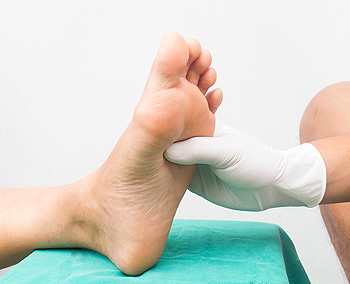
Living with diabetes involves a comprehensive approach to health, with a particular focus on the well-being of your feet. Diabetes affects the blood supply, resulting in peripheral neuropathy and peripheral vascular disease. Both conditions heighten the risk of complications, such as ulcers, gangrene, and possible loss of limb. Warning signs include cold feet, numbness, sharp leg pain, or changes in foot color. Nail changes, corns, calluses, cracked, or dry skin warrant a podiatrist's assessment within one week. The extremities, like the feet, often reveal the first signs of diabetes-related symptoms. Regular check-ups with a podiatrist are essential for tests to gauge blood circulation and nerve function. Prevention is key to averting severe diabetic-related foot problems. Daily care for diabetics includes maintaining stable blood sugar levels, refraining from smoking, engaging in regular exercise, and avoiding barefoot walking. Ensure good foot hygiene by washing and drying the feet daily, and checking the feet for sores, cuts, or unexplained bruises. Wearing well-fitting shoes is also beneficial. Should you notice persistent issues affecting the feet, it is strongly suggested that you schedule an immediate appointment with a podiatrist.
Diabetic foot care is important in preventing foot ailments such as ulcers. If you are suffering from diabetes or have any other concerns about your feet, contact the podiatrists from Issaquah Foot & Ankle Specialists. Our doctors can provide the care you need to keep you pain-free and on your feet.
Diabetic Foot Care
Diabetes affects millions of people every year. The condition can damage blood vessels in many parts of the body, especially the feet. Because of this, taking care of your feet is essential if you have diabetes, and having a podiatrist help monitor your foot health is highly recommended.
The Importance of Caring for Your Feet
- Routinely inspect your feet for bruises or sores.
- Wear socks that fit your feet comfortably.
- Wear comfortable shoes that provide adequate support.
Patients with diabetes should have their doctor monitor their blood levels, as blood sugar levels play such a huge role in diabetic care. Monitoring these levels on a regular basis is highly advised.
It is always best to inform your healthcare professional of any concerns you may have regarding your feet, especially for diabetic patients. Early treatment and routine foot examinations are keys to maintaining proper health, especially because severe complications can arise if proper treatment is not applied.
If you have any questions, please feel free to contact one of our offices located in Issaquah, WA . We offer the newest diagnostic and treatment technologies for all your foot care needs.
Ankle Sprains From Running

For runners, ankle sprains can be a frustrating setback, but understanding the nature of the injury is key to effective recovery. Ankle sprains are classified into three grades, with grades 1 and 2 involving varying degrees of ligament overstretching or partial tearing, while grade 3 signifies a complete tear. The most common type is the lateral or inversion sprain, occurring when the foot rolls outward, injuring the outer ligament that connects the ankle bone to the calf bone. In contrast, the rarer medial ligament sprain happens when the foot rolls inward, affecting ligaments on the inner side of the ankle. Runners may also face the challenge of high ankle sprains, which occur above the ankle in the lower leg. This type of sprain results from a downward pointing and twisting motion. This causes a stretch of the syndesmotic ligaments that connect the tibia and fibula in the lower leg to the top of the foot. It is essential that runners do not ignore such injuries, as failing to heal from an ankle sprain completely can cause chronic weak ankles. For an exam, diagnosis, and treatment options, it is suggested that you schedule an appointment with a podiatrist as quickly as possible after being injured.
Ankle and foot injuries are common among athletes and in many sports. They can be caused by several problems and may be potentially serious. If you are feeling pain or think you were injured in a sporting event or when exercising, consult with the podiatrists from Issaquah Foot & Ankle Specialists. Our doctors will assess your condition and provide you with quality foot and ankle treatment.
Common Injuries
The most common injuries that occur in sporting activities include:
- Achilles Tendonitis
- Achilles Tendon Rupture
- Ankle Sprains
- Broken Foot
- Plantar Fasciitis
- Stress Fractures
- Turf Toe
Symptoms
Symptoms vary depending upon the injury and in some cases, there may be no symptoms at all. However, in most cases, some form of symptom is experienced. Pain, aching, burning, bruising, tenderness, tightness or stiffness, sensation loss, difficulty moving, and swelling are the most common symptoms.
Treatment
Just as symptoms vary depending upon the injury, so do treatment options. A common treatment method is known as the RICE method. This method involves rest, applying ice, compression and elevating the afflicted foot or ankle. If the injury appears to be more serious, surgery might be required, such as arthroscopic or reconstructive surgery. Lastly, rehabilitation or therapy might be needed to gain full functionality in the afflicted area. Any discomfort experienced by an athlete must be evaluated by a licensed, reputable medical professional.
If you have any questions please contact one of our offices located in Issaquah, WA . We offer the newest diagnostic and treatment technologies for all your foot and ankle needs.
Pain in the Ball of the Foot

Metatarsalgia, a painful inflammation in the ball of the foot, can disrupt your daily activities and hinder your mobility. This condition primarily affects the area between your toes and arch, known as the ball of the foot, where the five metatarsal bones connect to your toes. Metatarsalgia is commonly triggered by overuse injuries from participating in running and jumping activities. Other causes can include wearing ill-fitting shoes, foot abnormalities or deformities, or underlying conditions such as arthritis. The pain typically develops gradually, improving with rest, but worsening during weight-bearing activities such as standing, walking, or exercising. Symptoms may include sensations of walking with a foreign object in your shoe, a sharp burning or shooting pain, and numbness or tingling in the toes. Activities that make metatarsalgia worse can include standing for prolonged periods, running, walking barefoot, and engaging in high-impact sports. Pain in the ball of the foot arises from increased pressure on the metatarsal bones during activities like running, causing overuse and inflammation in the affected area. This abnormal stress can irritate tendons, ligaments, and cartilage around the metatarsal bones. If you are experiencing persistent pain in the ball of your foot, it is suggested that you schedule an appointment with a podiatrist for treatment options.
Foot Pain
Foot pain can be extremely painful and debilitating. If you have a foot pain, consult with the podiatrists from Issaquah Foot & Ankle Specialists. Our doctors will assess your condition and provide you with quality foot and ankle treatment.
Causes
Foot pain is a very broad condition that could be caused by one or more ailments. The most common include:
- Bunions
- Hammertoes
- Plantar Fasciitis
- Bone Spurs
- Corns
- Tarsal Tunnel Syndrome
- Ingrown Toenails
- Arthritis (such as Gout, Rheumatoid, and Osteoarthritis)
- Flat Feet
- Injury (from stress fractures, broken toe, foot, ankle, Achilles tendon ruptures, and sprains)
- And more
Diagnosis
To figure out the cause of foot pain, podiatrists utilize several different methods. This can range from simple visual inspections and sensation tests to X-rays and MRI scans. Prior medical history, family medical history, and any recent physical traumatic events will all be taken into consideration for a proper diagnosis.
Treatment
Treatment depends upon the cause of the foot pain. Whether it is resting, staying off the foot, or having surgery; podiatrists have a number of treatment options available for foot pain.
If you have any questions, please feel free to contact one of our offices located in Issaquah, WA . We offer the newest diagnostic and treatment technologies for all your foot care needs.
We Can Treat Your Foot or Ankle Pain

Foot or ankle pain can negatively affect your day-to-day life and can occur due to several different conditions. Pain can also be an indicator of a more serious underlying condition, which is why you should seek professional help as soon as you notice any abnormalities in your feet.
Definition and Causes of Tarsal Tunnel Syndrome

Tarsal tunnel syndrome, abbreviated TTS, is a relatively rare but painful condition involving the compression of the tibial nerve as it passes through the tarsal tunnel, a narrow passageway on the inside of the ankle. The tarsal tunnel is enclosed by bone and ligaments, and when pressure is exerted on the tibial nerve within this space, it can lead to TTS. The exact causes of tarsal tunnel syndrome can vary, but common factors include injury or trauma to the ankle, such as sprains or fractures, which may lead to swelling and compression of the nerve. Overpronation, where the foot rolls excessively inward, can also place additional stress on the tibial nerve. Other factors contributing to TTS may include systemic conditions like diabetes, which can result in nerve inflammation and entrapment. Recognizing the potential causes of tarsal tunnel syndrome is essential in seeking appropriate medical care and taking preventive measures to alleviate this painful condition. If you have foot pain, it is suggested that you contact a podiatrist who can accurately diagnose and treat tarsal tunnel syndrome.
Tarsal tunnel syndrome can be very uncomfortable to live with. If you are experiencing tarsal tunnel syndrome, contact the podiatrists of Issaquah Foot & Ankle Specialists. Our doctors can provide the care you need to keep you pain-free and on your feet.
Tarsal Tunnel Syndrome
Tarsal tunnel syndrome, which can also be called tibial nerve dysfunction, is an uncommon condition of misfiring peripheral nerves in the foot. The tibial nerve is the peripheral nerve in the leg responsible for sensation and movement of the foot and calf muscles. In tarsal tunnel syndrome, the tibial nerve is damaged, causing problems with movement and feeling in the foot of the affected leg.
Common Cause of Tarsal Tunnel Syndrome
- Involves pressure or an injury, direct pressure on the tibial nerve for an extended period of time, sometimes caused by other body structures close by or near the knee.
- Diseases that damage nerves, including diabetes, may cause tarsal tunnel syndrome.
- At times, tarsal tunnel syndrome can appear without an obvious cause in some cases.
The Effects of Tarsal Tunnel Syndrome
- Different sensations, an afflicted person may experience pain, tingling, burning or other unusual sensations in the foot of the affected leg.
- The foot muscles, toes and ankle become weaker, and curling your toes or flexing your foot can become difficult.
- If condition worsens, infections and ulcers may develop on the foot that is experiencing the syndrome.
A physical exam of the leg can help identify the presence of tarsal tunnel syndrome. Medical tests, such as a nerve biopsy, are also used to diagnose the condition. Patients may receive physical therapy and prescriptive medication. In extreme cases, some may require surgery.
If you have any questions please contact one of our offices located in Issaquah, WA . We offer the newest diagnostic and treatment technologies for all your foot and ankle needs.
