




September 2022
Why Are My Feet Swollen?

One can get swollen feet from walking or standing for long periods of time. The swelling is often relieved by resting and elevating the feet. Various other things can cause swelling in the feet, such as conditions with bones and tendons, problems with skin and toenails, or drug side effects. However, there are times when the swelling (or edema) is related to a more serious underlying problem like heart failure, developing blood clots, or kidney disease. So this must not be ignored. If you have swelling in your feet and you do not know the cause, or if the swelling worsens, causes pain, or interferes with mobility, contact a podiatrist immediately and have your feet examined. Swelling can be the first clue that something is going on in your body, and a proper diagnosis is imperative for effective treatment.
Swollen feet can be a sign of an underlying condition. If you have any concerns, contact the podiatrists of Issaquah Foot & Ankle Specialists. Our doctors can provide the care you need to keep you pain-free and on your feet.
Swollen feet are a common ailment among pregnant women and people who stand or sit for extended periods. Aging may increase the possibility of swollen feet and patients who are obese often notice when their feet are swelling too. There may be medical reasons why swollen feet occur:
- Phlebitis - A condition that causes the veins to become inflamed and can also cause leg pain.
- Liver disease - This may lead to low blood levels of albumin which is a protein. This can cause fluid in the blood to pass into the tissues and several areas of the body can become swollen.
- Heart failure - When the heart doesn’t pump properly the blood that is normally pumped back to the heart can pool in the veins of the legs causing swollen feet.
- Kidney disease - One of the main functions of the kidneys is releasing excess fluid in the body. This type of condition can make it difficult for the kidneys to function properly, and as a result the feet may become swollen.
- Deep-vein thrombosis (DVT)- This is a serious condition where blood clots form in the veins of the legs. They can block the return of blood from the legs to the heart which may cause the feet to swell. It is important to be treated by a podiatrist if this condition is present.
Swollen feet can also be caused by bone and tendon conditions, including fractures, arthritis, and tendinitis. Additionally, there may be skin and toenail conditions and an infection may cause the feet to swell. Patients who take medicine to treat high blood pressure may be prone to getting swollen feet.
Many patients elevate their feet to help relieve the swelling and this is generally a temporary remedy. When a podiatrist is consulted the reason behind the swelling can be uncovered and subsequently treated.
If you have any questions please contact one of our offices located in Issaquah, WA . We offer the newest diagnostic and treatment technologies for all your foot and ankle needs.
Causes and Symptoms of Toenail Fungus
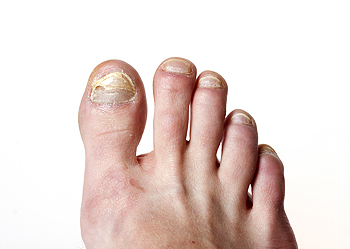
The toenails can become disfigured if they are infected by toenail fungus. The medical term for toenail fungus is onychomycosis, which can be quite unsightly. It is caused by a fungus that lives in warm and moist environments, including public swimming pools, shower room floors, and locker rooms. The fungus can enter the body through small cracks in the skin, and it feeds on keratin that is found on the hard surface of the toenails. Additional factors like poor foot hygiene or wearing socks that are too tight can contribute to the development of toenail fungus. Also, existing medical conditions, such as diabetes and poor circulation, may lead to toenail fungus. Toenail fungus symptoms include hard, brittle toenails that often turn white or yellow. In severe cases, the nail may separate from the nail bed, which may require medical attention. If you experience any symptoms of fungal infection on your toenails, it is suggested that you contact a podiatrist who specializes in diagnosing and treating this condition.
For more information about treatment, contact the podiatrists of Issaquah Foot & Ankle Specialists. Our doctors can provide the care you need to keep you pain-free and on your feet.
Toenail Fungus Treatment
Toenail fungus is a condition that affects many people and can be especially hard to get rid of. Fortunately, there are several methods to go about treating and avoiding it.
Antifungals & Deterrence
Oral antifungal medicine has been shown to be effective in many cases. It is important to consult with a podiatrist to determine the proper regiment for you, or potentially explore other options.
Applying foot powder on the feet and shoes helps keep the feet free of moisture and sweat.
Sandals or open toed shoes – Wearing these will allow air movement and help keep feet dry. They also expose your feet to light, which fungus cannot tolerate. Socks with moisture wicking material also help as well.
If you have any questions please contact one of our offices located in Issaquah, WA . We offer the newest diagnostic and treatment technologies for all your foot and ankle needs.
Reasons for Ankle Pain

Ankle pain can be a result of a sprain, rolling the ankle, arthritis, gout, nerve damage, injury, blocked blood vessels, or infection in the joint. An ankle sprain is the most common cause of ankle pain, and is often caused by rolling or twisting the ankle so that the outside of the ankle moves towards the ground. With a sprain, the ligaments of the ankle holding bones together can get strained or torn. Arthritis - especially osteoarthritis - can also cause pain and inflammation of the joint because it causes wear and tear on the joint. Immediate action to take for ankle pain is rest and elevation of the foot. Compression of the ankle may also help. When the pain subsides, it is a good idea to exercise the ankle by rotating it in circles and flexing it up and down, which can help improve range of motion and reduce swelling. If these actions do not stop the pain completely and/or if there is extreme swelling or bruising, it is time to see a podiatrist for a diagnosis and treatment options.
Ankle pain can have many different causes and the pain may potentially be serious. If you have ankle pain, consult with the podiatrists from Issaquah Foot & Ankle Specialists. Our doctors will assess your condition and provide you with quality foot and ankle treatment.
Ankle pain is any condition that causes pain in the ankle. Due to the fact that the ankle consists of tendons, muscles, bones, and ligaments, ankle pain can come from a number of different conditions.
Causes
The most common causes of ankle pain include:
- Types of arthritis (rheumatoid, osteoarthritis, and gout)
- Ankle sprains
- Broken ankles
- Achilles tendinitis
- Achilles tendon rupture
- Stress fractures
- Tarsal tunnel syndrome
- Plantar fasciitis
Symptoms
Symptoms of ankle injury vary based upon the condition. Pain may include general pain and discomfort, swelling, aching, redness, bruising, burning or stabbing sensations, and/or loss of sensation.
Diagnosis
Due to the wide variety of potential causes of ankle pain, podiatrists will utilize a number of different methods to properly diagnose ankle pain. This can include asking for personal and family medical histories and of any recent injuries. Further diagnosis may include sensation tests, a physical examination, and potentially x-rays or other imaging tests.
Treatment
Just as the range of causes varies widely, so do treatments. Some more common treatments are rest, ice packs, keeping pressure off the foot, orthotics and braces, medication for inflammation and pain, and surgery.
If you have any questions please feel free to contact one of our offices located in Issaquah, WA . We offer the newest diagnostic tools and technology to treat your foot and ankle needs.
Are Bunions Affecting Your Everyday Life?

Have you noticed a bony protrusion on the side of your big toe? If so, you may have developed the foot condition known as a bunion. Don't let bunions interfere with your daily activities.
How Body Weight Can Affect the Feet

Many parts of the body become smaller when excess weight is lost, and this is also true of the feet. It is beneficial to have the feet properly measured when purchasing new shoes, and this will help to ensure a good fit. Research has indicated the feet absorb approximately 120 percent of the body’s weight, and this may explain why foot pain may occur. The excess weight may stretch tissues and muscles, in addition to natural fad pads wearing down. Additionally, the feet and ankles may swell from the added weight, and may generally feel uncomfortable. Many patients have noticed that by losing weight, their feet will feel better, and existing foot conditions may be alleviated. The bone structure of the foot may not change, but the width may be affected, and become smaller. It is beneficial to exercise as often as possible, and this can help the health of the feet. Eating foods that are low in sodium can help to diminish existing swelling, and wearing shoes may become easier. If you have questions about foot health before or after weight is lost, please consult with a podiatrist who can address any concerns you may have.
The more you weigh, the harder your feet must work to support your body. If you’re an obese individual and are concerned about your feet, contact the podiatrists from Issaquah Foot & Ankle Specialists. Our doctors can provide the care you need to keep you pain-free and on your feet.
Obesity and Your Feet
People who are overweight are putting more pressure on their ankles, knees, and hips as well as their feet. This unfortunately can lead to variety of different issues.
Problems & Complications Stemming from Obesity
- When the body is overweight, it tries to compensate by changing the way that it moves. An obese person may lean forward and put extra weight on the wrong part of the foot. This puts unnecessary stress on the feet.
- Obese people are also more likely to develop type II diabetes which is a condition that causes a lot of foot problems. People with diabetes often don’t feel the cuts and sores that they may have on their feet, which can lead to more complicated and severe issues.
- Plantar fasciitis is another foot condition that can be caused by obesity. Plantar fasciitis is an inflammation of the tissue along the bottom of the foot, which causes pain and stiffness while walking and climbing stairs.
If you have any questions please contact one of our offices located in Issaquah, WA . We offer the newest diagnostic and treatment technologies for all your foot and ankle needs.
