




April 2024
Foot Care Tips for Preventing Cracked Heels

Cracked heels can be both painful and unsightly, but with proper foot care they are largely preventable. Begin by keeping your feet clean and moisturized. Regularly washing your feet with mild soap and drying them thoroughly helps prevent bacterial and fungal infections that can worsen heel cracks. Moisturize your feet daily, focusing on the heels, with a rich foot cream or moisturizer containing ingredients like urea or glycerin to hydrate and soften the skin. Exfoliating your heels weekly with a pumice stone or foot scrub helps remove dead skin cells and prevents the buildup of thick, dry patches. Wear properly fitting shoes with adequate support to reduce friction and pressure on the heels, and avoid walking barefoot, especially on hard surfaces. Finally, stay hydrated and maintain a balanced diet rich in vitamins and minerals to promote overall skin health. Cracked heels can be an uncomfortable foot condition, and if you have developed this ailment, it is suggested that you seek the help of a podiatrist. This type of doctor can effectively treat cracked heels and offer additional prevention techniques.
If the skin on your feet starts to crack, you may want to see a podiatrist to find treatment. If you have any concerns, contact the podiatrists from Issaquah Foot & Ankle Specialists. Our doctors can provide the care you need to keep you pain-free and on your feet.
Cracked Heels
It is important to moisturize your cracked heels in order to prevent pain, bleeding, and infection. The reason cracked heels form is because the skin on the foot is too dry to support the immense pressure placed on them. When the foot expands, the dry skin on the foot begins to split.
Ways to Help Heal Them
- Invest in a good foot cream
- Try Using Petroleum Jelly
- Ease up on Soaps
- Drink Plenty of Water
Ways to Prevent Cracked Heels
- Moisturize After Showering
- Skip a Shower
- Keep Shower Water Lukewarm
- Don’t Scrub Your Feet
If you are unsure how to proceed in treating cracked heels, seek guidance from a podiatrist. Your doctor will help you with any questions or information you may need.
If you have any questions, please feel free to contact one of our offices located in Issaquah, WA . We offer the newest diagnostic and treatment technologies for all your foot care needs.
Exercises for Healthy and Strong Feet
 Strengthening your feet is important for overall well-being, reducing the risk of injury, and maintaining foot health over time. A few simple exercises can go a long way to achieving this. Toe scrunches involve placing a small towel on the floor and gripping it with your toes, then releasing it. This exercise strengthens the muscles in your feet. Another helpful exercise is toe raises, where you lift your toes while keeping your heels on the ground, and then lower them back down. This helps improve flexibility and stability. Additionally, calf raises are beneficial for foot and ankle strength. Stand with your feet hip-width apart, then rise onto the balls of your feet and lower back down. These exercises can be done regularly at home. Along with proper foot care and checkups from a podiatrist, these regular foot exercises can contribute to improved foot health and reduced risk of injury. If you want to learn about more foot exercises to incorporate, or you have questions about your foot health, make an appointment with a podiatrist today.
Exercising your feet regularly with the proper foot wear is a great way to prevent injuries and build strength. If you have any concerns about your feet, contact the podiatrists from Issaquah Foot & Ankle Specialists. Our doctors can provide the care you need to keep you pain-free and on your feet.
Exercise for Your Feet
Exercise for your feet can help you gain strength, mobility and flexibility in your feet. They say that strengthening your feet can be just as rewarding as strengthening another part of the body. Your feet are very important, and we often forget about them in our daily tasks. But it is because of our feet that are we able to get going and do what we need to. For those of us fortunate enough to not have any foot problems, it is an important gesture to take care of them to ensure good health in the long run.
Some foot health exercises can include ankle pumps, tip-toeing, toe rises, lifting off the floor doing reps and sets, and flexing the toes. It is best to speak with Our doctors to determine an appropriate regimen for your needs. Everyone’s needs and bodies are different, and the activities required to maintain strength in the feet vary from individual to individual.
Once you get into a routine of doing regular exercise, you may notice a difference in your feet and how strong they may become.
If you have any questions, please feel free to contact one of our offices located in Issaquah, WA . We offer the newest diagnostic and treatment technologies for all your foot care needs.
Custom Orthotics For Foot and Heel Pain

Step into relief and reclaim your mobility! Foot and heel pain can be a thing of the past with the right Custom Orthotics. Customized to your unique foot structure, they provide the support and alignment needed to alleviate discomfort. Whether you're walking, running, or simply standing, Custom Orthotics ensure every step is cushioned and pain-free. Don't let foot ailments dictate your day. With Custom Orthotics, embrace a world of comfort and freedom. Call today to schedule an appointment.
Causes and Implications of Toenail Fungus
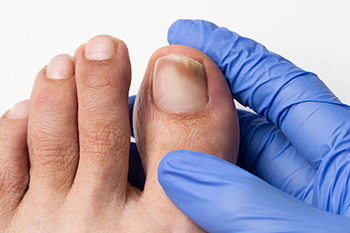
Onychomycosis, commonly known as toenail fungus, is a fungal infection that affects the toenails, leading to discoloration, thickening, and brittleness. This condition occurs when dermatophyte fungi invade the nail bed, typically thriving in warm, moist environments such as sweaty shoes or communal showers. Additionally, yeast and mold can also contribute to the development of onychomycosis. Several factors increase the risk of contracting this infection, including aging, poor circulation, and a weakened immune system. Other factors include trauma to the nail and pre-existing conditions like diabetes or athlete's foot. Furthermore, habits such as walking barefoot in public areas or sharing nail grooming tools can facilitate fungal transmission. Onychomycosis not only affects the aesthetic appearance of the nails but can also cause discomfort, pain, and difficulty in walking if left untreated. If you have developed toenail fungus, it is strongly suggested that you visit a podiatrist who can offer you treatment options which often include prescribed medication for complete healing.
For more information about treatment, contact the podiatrists of Issaquah Foot & Ankle Specialists. Our doctors can provide the care you need to keep you pain-free and on your feet.
Toenail Fungus Treatment
Toenail fungus is a condition that affects many people and can be especially hard to get rid of. Fortunately, there are several methods to go about treating and avoiding it.
Antifungals & Deterrence
Oral antifungal medicine has been shown to be effective in many cases. It is important to consult with a podiatrist to determine the proper regiment for you, or potentially explore other options.
Applying foot powder on the feet and shoes helps keep the feet free of moisture and sweat.
Sandals or open toed shoes – Wearing these will allow air movement and help keep feet dry. They also expose your feet to light, which fungus cannot tolerate. Socks with moisture wicking material also help as well.
If you have any questions please contact one of our offices located in Issaquah, WA . We offer the newest diagnostic and treatment technologies for all your foot and ankle needs.
Tailored Design of Foot Orthotics for Foot and Ankle Problems
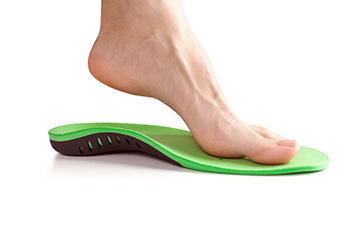
Orthotic design plays a pivotal role in managing various foot problems, ranging from ankle issues to functional impairments and total contact needs. Ankle orthotics are specifically crafted to provide stability and support commonly used for conditions like ankle sprains or instability. Functional orthotics aim to correct biomechanical abnormalities, such as overpronation or supination, by realigning the foot and ankle joints during movement. These orthotics often incorporate features like arch support and heel cups to enhance stability and reduce strain. For individuals requiring total contact orthotics, the design focuses on evenly distributing pressure across the entire foot surface, important for conditions like diabetic foot ulcers. These orthotics are meticulously crafted to conform to the foot's contours, minimizing pressure points and promoting healing. If you are suffering from foot or ankle pain, it is suggested that you make an appointment with a podiatrist to discuss how customized orthotics can increase your comfort, support, and overall foot health.
Our feet carry us through every part of life, absorbing the impact of thousands of steps each day. When they are not properly supported, the effects can extend far beyond the feet themselves. Custom orthotics provide the foundation the body needs by aligning, cushioning, and stabilizing each foot in its most natural position. They are carefully crafted to match the unique structure of each individual’s feet, allowing them to move efficiently and comfortably while reducing stress on the muscles, joints, and ligaments.
Proper foot support is essential for maintaining balance and preventing fatigue. Without it, the body compensates by shifting weight unevenly, which can lead to discomfort in the ankles, knees, hips, or lower back. Custom orthotics help restore this balance by redistributing pressure and promoting a more natural walking pattern. They not only ease existing pain but also protect against future strain or injury by supporting the arches and controlling excessive motion.
Unlike store-bought insoles, custom orthotics are created through detailed assessment and advanced technology to provide precise correction and comfort. They fit seamlessly into most shoes, making them ideal for daily wear, work, or sports.
If your feet feel tired, sore, or unsupported, it is recommended that you contact our office for more information, or to make an appointment.
If you have any questions please contact one of our offices located in Issaquah, WA .
Definition and Causes of an Achilles Tendon Rupture
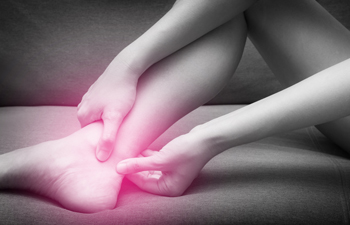
Achilles tendon rupture, a distressing injury affecting the tendon at the back of the ankle, can be debilitating and necessitate prompt attention. This critical tendon connects the calf muscles to the heel bone, facilitating movement like walking, running, and jumping. When subjected to excessive force or strain beyond its capacity, the Achilles tendon can tear partially or completely, resulting in a rupture. These types of injuries are frequently observed during activities involving sudden bursts of acceleration, abrupt changes in direction, or inadequate warm-up routines. Athletes, particularly those engaging in sports demanding rapid movements or high-impact activities, are at increased risk. Additionally, factors such as age weakened tendons due to degeneration, improper footwear, and inadequate conditioning contribute to susceptibility. Recognizing the signs and symptoms, including a sudden sharp pain in the heel, swelling, and difficulty walking or pointing toes downward, is vital for early diagnosis. If you have endured an Achilles tendon rupture, it is strongly suggested that you consult a podiatrist who can offer you effective treatment methods.
Achilles tendon injuries need immediate attention to avoid future complications. If you have any concerns, contact the podiatrists of Issaquah Foot & Ankle Specialists. Our doctors can provide the care you need to keep you pain-free and on your feet.
What Is the Achilles Tendon?
The Achilles tendon is a tendon that connects the lower leg muscles and calf to the heel of the foot. It is the strongest tendon in the human body and is essential for making movement possible. Because this tendon is such an integral part of the body, any injuries to it can create immense difficulties and should immediately be presented to a doctor.
What Are the Symptoms of an Achilles Tendon Injury?
There are various types of injuries that can affect the Achilles tendon. The two most common injuries are Achilles tendinitis and ruptures of the tendon.
Achilles Tendinitis Symptoms
- Inflammation
- Dull to severe pain
- Increased blood flow to the tendon
- Thickening of the tendon
Rupture Symptoms
- Extreme pain and swelling in the foot
- Total immobility
Treatment and Prevention
Achilles tendon injuries are diagnosed by a thorough physical evaluation, which can include an MRI. Treatment involves rest, physical therapy, and in some cases, surgery. However, various preventative measures can be taken to avoid these injuries, such as:
- Thorough stretching of the tendon before and after exercise
- Strengthening exercises like calf raises, squats, leg curls, leg extensions, leg raises, lunges, and leg presses
If you have any questions please feel free to contact one of our offices located in Issaquah, WA . We offer the newest diagnostic tools and technology to treat your foot and ankle needs.
Wounds That Don't Heal Need to Be Checked

Your feet are covered most of the day. If you're diabetic, periodic screening is important for good health. Numbness is often a sign of diabetic foot and can mask a sore or wound.
The Truth About Morton's Neuroma
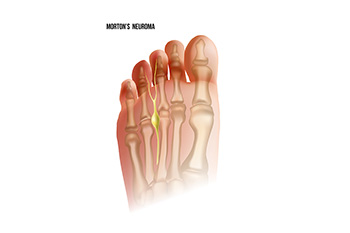
Morton's neuroma, a relatively common foot condition, occurs when a nerve between the toes becomes thickened and inflamed. Despite its name, it is not a true neuroma but rather a thickening of tissue surrounding one of the nerves that leads to the toes. This thickening can cause sharp, burning pain in the ball of the foot or between the toes, typically worsened by walking or wearing tight shoes. Although the exact cause remains unclear, factors such as wearing high heels or tight shoes, participating in high-impact activities, or having certain foot deformities may contribute to its development. Interestingly, Morton's neuroma tends to affect women more often than men. Diagnosis typically involves a physical examination and may include imaging tests such as X-rays or MRI scans to rule out other conditions. Early recognition and appropriate management are key to alleviating symptoms and preventing further complications. If you are experiencing pain in this part of your foot. It is suggested that you visit a podiatrist who can offer treatment options that are best for you.
Morton’s neuroma is a very uncomfortable condition to live with. If you think you have Morton’s neuroma, contact the podiatrists of Issaquah Foot & Ankle Specialists. Our doctors will attend to all of your foot care needs and answer any of your related questions.
Morton’s Neuroma
Morton's neuroma is a painful foot condition that commonly affects the areas between the second and third or third and fourth toe, although other areas of the foot are also susceptible. Morton’s neuroma is caused by an inflamed nerve in the foot that is being squeezed and aggravated by surrounding bones.
What Increases the Chances of Having Morton’s Neuroma?
- Ill-fitting high heels or shoes that add pressure to the toe or foot
- Jogging, running or any sport that involves constant impact to the foot
- Flat feet, bunions, and any other foot deformities
Morton’s neuroma is a very treatable condition. Orthotics and shoe inserts can often be used to alleviate the pain on the forefront of the feet. In more severe cases, corticosteroids can also be prescribed. In order to figure out the best treatment for your neuroma, it’s recommended to seek the care of a podiatrist who can diagnose your condition and provide different treatment options.
If you have any questions, please feel free to contact one of our offices located in Issaquah, WA . We offer the newest diagnostic and treatment technologies for all your foot care needs.
