




March 2025
Sedentary Lifestyle and Diabetic Foot Ulcers
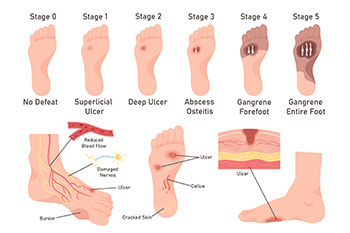
Living an inactive life can seriously worsen diabetic complications, particularly in the feet. People with diabetes who are inactive may experience reduced blood flow, making the skin more fragile. When circulation is poor, small injuries can lead to foot ulcers. This risk increases with peripheral neuropathy, where nerves lose sensation and injuries go unnoticed. Without proper movement, the muscles weaken and support for the foot diminishes. The constant pressure and lack of exercise further harm blood circulation and tissue healing. Over time, these conditions can lead to severe ulcers that are slow to heal, putting individuals at risk of infections and other complications. Staying active helps improve circulation and muscle strength. Good foot care, including daily checks and proper hygiene, is imperative. For any signs of trouble, it is suggested that you see a podiatrist.
Diabetic foot care is important in preventing foot ailments such as ulcers. If you are suffering from diabetes or have any other concerns about your feet, contact the podiatrists from Issaquah Foot & Ankle Specialists. Our doctors can provide the care you need to keep you pain-free and on your feet.
Diabetic Foot Care
Diabetes affects millions of people every year. The condition can damage blood vessels in many parts of the body, especially the feet. Because of this, taking care of your feet is essential if you have diabetes, and having a podiatrist help monitor your foot health is highly recommended.
The Importance of Caring for Your Feet
- Routinely inspect your feet for bruises or sores.
- Wear socks that fit your feet comfortably.
- Wear comfortable shoes that provide adequate support.
Patients with diabetes should have their doctor monitor their blood levels, as blood sugar levels play such a huge role in diabetic care. Monitoring these levels on a regular basis is highly advised.
It is always best to inform your healthcare professional of any concerns you may have regarding your feet, especially for diabetic patients. Early treatment and routine foot examinations are keys to maintaining proper health, especially because severe complications can arise if proper treatment is not applied.
If you have any questions, please feel free to contact one of our offices located in Issaquah, WA . We offer the newest diagnostic and treatment technologies for all your foot care needs.
Struggling With Heel Pain? Custom Orthotics Can Help

Struggling with heel pain? Discover the relief Custom Orthotics can bring. Customized to your foot's unique structure, Custom Orthotics offer targeted support, alleviating pressure points and redistributing weight. This means reduced heel pain and a more comfortable step, every time. Whether you're walking, working, or working out, Custom Orthotics ensure your heels feel cushioned and cared for. Experience the transformative power of Custom Orthotics with us today! Call today for more information.
Causes and Symptoms of Morton’s Neuroma
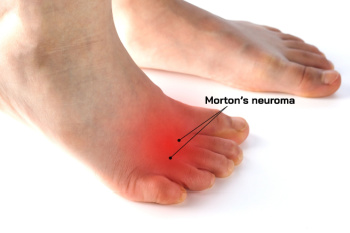
Morton’s neuroma is a painful condition that affects the ball of the foot, usually between the third and fourth toes. It occurs when the tissue surrounding a nerve thickens due to repeated pressure or irritation. Common causes include wearing tight or high-heeled shoes, engaging in high-impact activities such as running, or having foot deformities like flat feet or high arches. Symptoms often include a sharp or burning pain in the forefoot, a sensation of a lump or pebble inside the shoe, and numbness or tingling in the affected toes. Discomfort may worsen with prolonged standing or walking. If you have pain in this part of your foot, it is suggested that you promptly consult a podiatrist who can accurately diagnose and effectively treat Morton’s neuroma.
Morton’s neuroma is a very uncomfortable condition to live with. If you think you have Morton’s neuroma, contact the podiatrists of Issaquah Foot & Ankle Specialists. Our doctors will attend to all of your foot care needs and answer any of your related questions.
Morton’s Neuroma
Morton's neuroma is a painful foot condition that commonly affects the areas between the second and third or third and fourth toe, although other areas of the foot are also susceptible. Morton’s neuroma is caused by an inflamed nerve in the foot that is being squeezed and aggravated by surrounding bones.
What Increases the Chances of Having Morton’s Neuroma?
- Ill-fitting high heels or shoes that add pressure to the toe or foot
- Jogging, running or any sport that involves constant impact to the foot
- Flat feet, bunions, and any other foot deformities
Morton’s neuroma is a very treatable condition. Orthotics and shoe inserts can often be used to alleviate the pain on the forefront of the feet. In more severe cases, corticosteroids can also be prescribed. In order to figure out the best treatment for your neuroma, it’s recommended to seek the care of a podiatrist who can diagnose your condition and provide different treatment options.
If you have any questions, please feel free to contact one of our offices located in Issaquah, WA . We offer the newest diagnostic and treatment technologies for all your foot care needs.
How Foot Orthotics Can Benefit Diabetic Foot Health
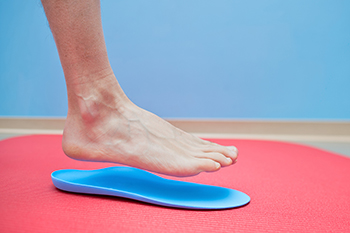
Diabetic foot problems, including neuropathy, poor circulation, and increased risk of ulcers, can make foot care challenging. Foot orthotics are an essential tool in managing these issues, providing both protection and support. Custom orthotics help redistribute pressure across the foot, reducing the risk of developing pressure sores or ulcers, which are common in individuals with diabetes. By improving foot alignment, orthotics can also enhance overall mobility and comfort, reducing strain on vulnerable areas. They can offer additional cushioning to protect the feet from impact and irritation, which is vital for people with decreased sensation. For those with diabetic foot concerns, orthotics provide a preventive and supportive solution, helping maintain foot health and reduce the likelihood of complications. If you have diabetes and your feet are affected, it is suggested that you consult a podiatrist who can fit you for custom-made orthotics.
Custom orthotics are specialized shoe inserts created to support and align the feet according to each person’s unique structure and walking pattern. They are an effective way to relieve foot discomfort caused by conditions such as flat feet, high arches, plantar fasciitis, bunions, and heel pain. When the natural alignment of the foot is off balance, it can lead to pressure points, strain, and pain that affect how a person stands, walks, and moves. Orthotics work by redistributing weight evenly and supporting the arch to reduce stress on the muscles, tendons, and joints of the feet and lower legs.
Foot discomfort can develop for many reasons, including wearing improper footwear, long hours of standing, repetitive motion, or underlying structural problems. Over time, this discomfort can extend beyond the feet, contributing to knee, hip, or lower back pain. Custom orthotics help correct these issues by improving alignment and promoting more efficient movement. They are made using precise measurements and imaging to ensure the best fit for each patient, providing targeted support and cushioning where it is needed most.
Unlike generic insoles, custom orthotics are durable, medically designed, and tailored to your specific needs. Whether you are managing chronic pain, recovering from an injury, or simply seeking better comfort and stability, orthotics can make a noticeable difference in how your feet feel throughout the day.
If you are experiencing persistent foot discomfort or fatigue, it may be time to have your feet evaluated by a podiatrist. Call our office today for more information or to schedule an appointment.
If you have any questions, please feel free to contact one of our offices located in Issaquah, WA .
Managing Athlete’s Foot
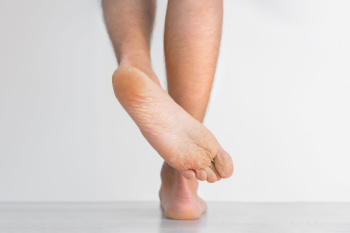
Athlete’s foot is a fungal infection that affects the skin on your feet, particularly between the toes. It often causes itching, redness, peeling, and sometimes blisters. The condition can be painful and may create a burning or stinging sensation, especially when walking or wearing shoes. The fungus thrives in warm, moist environments, making public showers, locker rooms, and tight shoes common sources of infection. Athlete's foot is highly contagious and can spread through direct contact or by touching contaminated surfaces. It can remain contagious as long as the fungus is present, often lasting several weeks, if untreated. A podiatrist can diagnose athlete's foot through a physical examination and may take a sample of the skin to identify the fungus. Treatment typically involves antifungal creams, sprays, or oral medication. Keeping feet clean, dry, and well-ventilated can help prevent reinfection. If you have this condition, it is suggested that you schedule an appointment with a podiatrist for the right treatment.
Athlete’s Foot
Athlete’s foot is often an uncomfortable condition to experience. Thankfully, podiatrists specialize in treating athlete’s foot and offer the best treatment options. If you have any questions about athlete’s foot, consult with the podiatrists from Issaquah Foot & Ankle Specialists. Our doctors will assess your condition and provide you with quality treatment.
What Is Athlete’s Foot?
Tinea pedis, more commonly known as athlete’s foot, is a non-serious and common fungal infection of the foot. Athlete’s foot is contagious and can be contracted by touching someone who has it or infected surfaces. The most common places contaminated by it are public showers, locker rooms, and swimming pools. Once contracted, it grows on feet that are left inside moist, dark, and warm shoes and socks.
Prevention
The most effective ways to prevent athlete’s foot include:
- Thoroughly washing and drying feet
- Avoid going barefoot in locker rooms and public showers
- Using shower shoes in public showers
- Wearing socks that allow the feet to breathe
- Changing socks and shoes frequently if you sweat a lot
Symptoms
Athlete’s foot initially occurs as a rash between the toes. However, if left undiagnosed, it can spread to the sides and bottom of the feet, toenails, and if touched by hand, the hands themselves. Symptoms include:
- Redness
- Burning
- Itching
- Scaly and peeling skin
Diagnosis and Treatment
Diagnosis is quick and easy. Skin samples will be taken and either viewed under a microscope or sent to a lab for testing. Sometimes, a podiatrist can diagnose it based on simply looking at it. Once confirmed, treatment options include oral and topical antifungal medications.
If you have any questions, please feel free to contact one of our offices located in Issaquah, WA . We offer the newest diagnostic and treatment technologies for all your foot care needs.
How Bunions Form
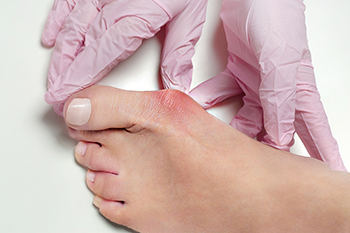
A bunion is a bony bump that forms at the base of the big toe, causing the toe to angle toward the second toe. This misalignment leads to pain, swelling, and difficulty in finding comfortable shoes. Bunions are often caused by a combination of factors, including genetics, abnormal foot mechanics, and wearing tight, ill-fitting shoes that put excessive pressure on the toes. Over time, the pressure can force the joint to shift, resulting in the formation of the bony protrusion. The severity of bunions can vary, with mild cases causing minimal discomfort, while severe cases may lead to significant pain and difficulty walking. In more advanced stages, the affected toe may become rigid and inflamed. Relief options range from conservative measures such as wearing supportive shoes and using padding, to surgical intervention in extreme cases where pain and deformity are unmanageable. If you have a bunion, it is suggested that you are under the care of a podiatrist who can monitor its growth, and offer appropriate treatment solutions.
If you are suffering from bunions, contact the podiatrists of Issaquah Foot & Ankle Specialists. Our doctors can provide the care you need to keep you pain-free and on your feet.
What Is a Bunion?
A bunion is formed of swollen tissue or an enlargement of boney growth, usually located at the base joint of the toe that connects to the foot. The swelling occurs due to the bones in the big toe shifting inward, which impacts the other toes of the foot. This causes the area around the base of the big toe to become inflamed and painful.
Why Do Bunions Form?
Genetics – Susceptibility to bunions are often hereditary
Stress on the feet – Poorly fitted and uncomfortable footwear that places stress on feet, such as heels, can worsen existing bunions
How Are Bunions Diagnosed?
Podiatrists often perform two tests – blood tests and x-rays – when trying to diagnose bunions, especially in the early stages of development. Blood tests help determine if the foot pain is being caused by something else, such as arthritis, while x-rays provide a clear picture of your bone structure to your provider.
How Are Bunions Treated?
- Refrain from wearing heels or similar shoes that cause discomfort
- Select wider shoes that can provide more comfort and reduce pain
- Anti-inflammatory and pain management drugs
- Orthotics or foot inserts
- Surgery
If you have any questions, please feel free to contact one of our offices located in Issaquah, WA . We offer the newest diagnostic and treatment technologies for all your foot care needs.
It's Time for Beautiful Feet

You don't need an excuse to have beautiful nails. Step outside without worrying about the appearance of your feet.
