

July 2018

Friday, 20 July 2018 06:22

How to Treat Ankle Sprains

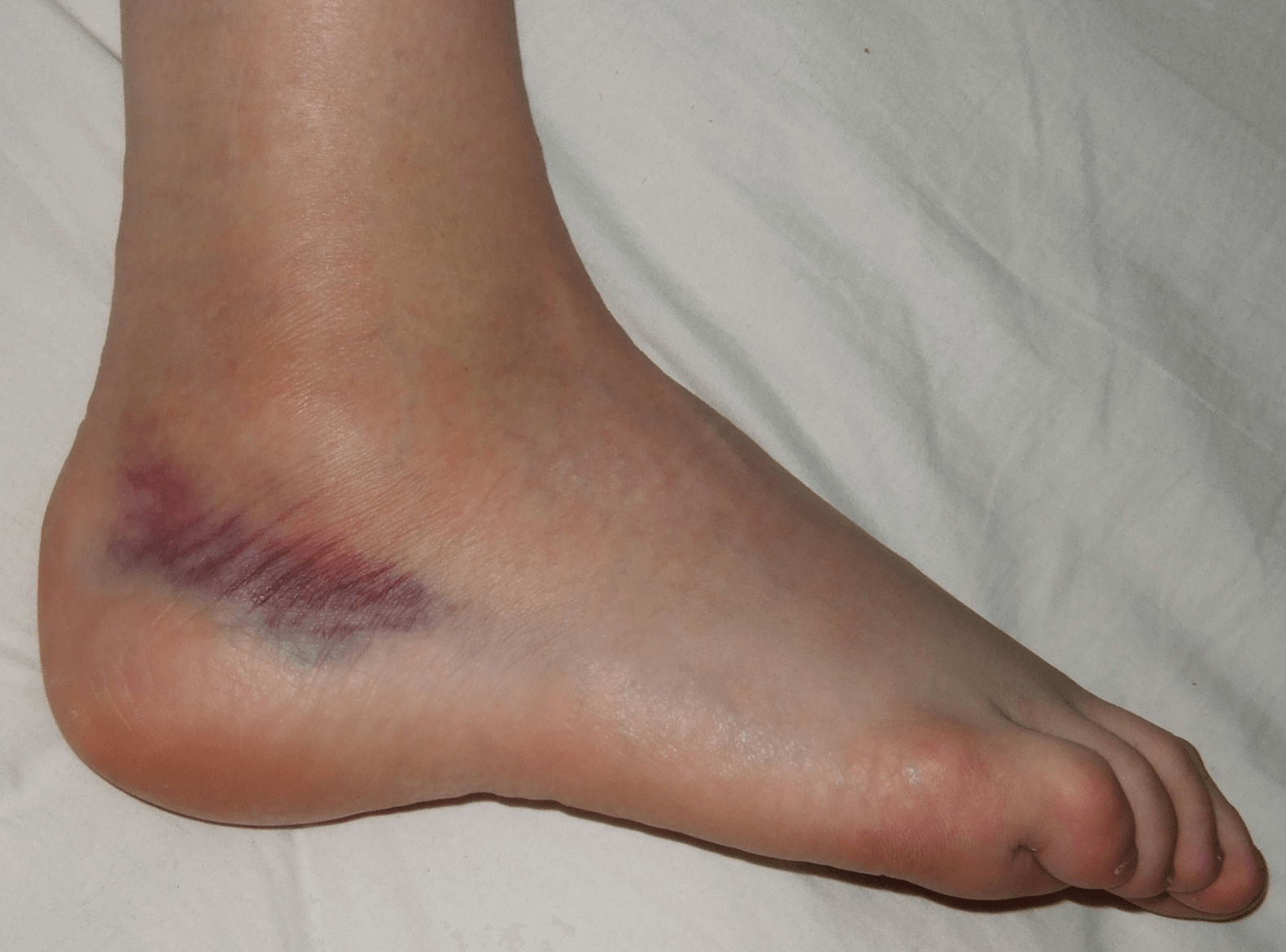
Ankle sprains are a common injury we see during the summer, especially as people begin to get outside and enjoy the Pacific Northwest summer. I like to encourage my patients to wear high top hiking boots and make sure to ramp up to get in shape for hiking. Wearing a pack when going for a walk or a jog around the neighborhood is a great idea. The most common type of ankle sprain encountered is an inversion type. An inversion ankle sprain involves your foot rolling inward and accounts for 80% of all sprains. Most people tend to treat ankle sprains with the “RICE” protocol. “RICE” stands for rest, ice, compression and elevation.

With very mild ankle sprains this is appropriate, however if your sprain involves a tear of a ligament you should see your foot and ankle specialists. Ligament tears occur frequently and if misdiagnosed can lead to long term complications such as ankle instability and ankle arthritis. I personally see quite a few complications on a weekly basis from untreated or undertreated ankle sprains. The best piece of advice I can impart is to see your podiatrist to have your ankle sprain evaluated and prevent long term complications.

If you are experiencing any ankle pain, give us a call at 425-391-8666 or visit us online for an appointment.
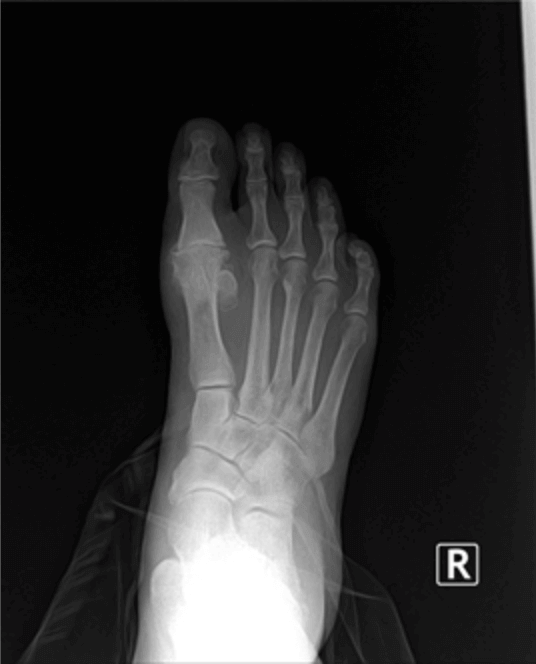

Arthritis is an extremely common pathology encountered and as we mature becomes more frequent for us as individuals. Most people will experience what is called post-traumatic arthritis or arthritis that occurs years after an injury. An example of this is, if you had fractured or broken your ankle you may develop arthritis in that ankle in years to come. Arthritis usually starts with pain and swelling of a joint that progressively becomes more uncomfortable, especially with activities. Another example we see a lot of is, arthritis of the big toe or 1st metatarsal phalangeal joint. Patients often relate a history of stubbing the big toe or having a turf toe type injury. Another less common form of arthritis is Rheumatoid arthritis. Rheumatoid arthritis is where your body’s own immune cells attack your cartilage and destroy these cells causing arthritis.

Arthritis in general is the loss of cartilage within a joint. Cartilage is on the ends of bones and where two bones meet and define a joint, each bone will have cartilage on opposing surfaces to allow joints to move smoothly. When that cartilage begins to wear away that is when pain and swelling take place. Some over the counter options that seem to help are fish oil and glucosamine. Others swear by turmeric or tart cherry juice. It is best to have your arthritis evaluated and make sure that is truly the cause of pain. An x-ray is usually sufficient to determine if arthritis is the cause and to discuss the best treatment options. Some of the best treatment options I have seen to help provide relief and spare long term joint destruction are Supartz and Platelet Rich Plasma or Stem Cell Therapy. Supartz is an artificial joint fluid that helps lubricate the joints and has had some great research to support the use. Platlet Rich Plasma or Stem Cell Therapy has come to light recently but seems to be promising. We have been using these therapies for years and have used themon thousands of patients. If you suffer from arthritis in the foot or ankle and would like to be evaluated for these options come see us at Issaquah Foot & Ankle Specialists. 

Call us at 425-391-8666 or visit us online to make an appointment today.

Ingrown toenails are basically a bacterial infection in your nail border. Most people experience pain and swelling with some drainage from the site. It seems to be more common with children than adults, and and more so in boys than girls. There also appears to be a genetic predisposition, where usually somebody else has suffered from them in the past, like their dad. People try all types of home remedies to speak of. Kids learn all sorts of ideas like cutting a notch in the toenail, placing cotton under the corners of the nails, and more extreme ideas like performing your own removal of the nail. I can tell you none of these work.

The best option is to soak the nail. I recommend soaking the nail twice daily in 2 tbsp. of Epsom salts and warm water for 10 minutes. Then cover the nail with antibiotic ointment and a bandage. If the offending nail does not resolve in a couple days it is recommended to see your local podiatrist. Usually oral antibiotics only prolong the inevitable. I see quite a few people that try multiple rounds of oral antibiotics, all to no avail. It is much easier to come in and have the nail fixed. The procedure itself is simple and quite quick to perform. Patients always wonder why they didn’t come in sooner. If you are suffering from an ingrown we will happily help you resolve that painful nail so you can enjoy the rest of your summer. 

Call us today at 425-391-8666 or make an appointment online.

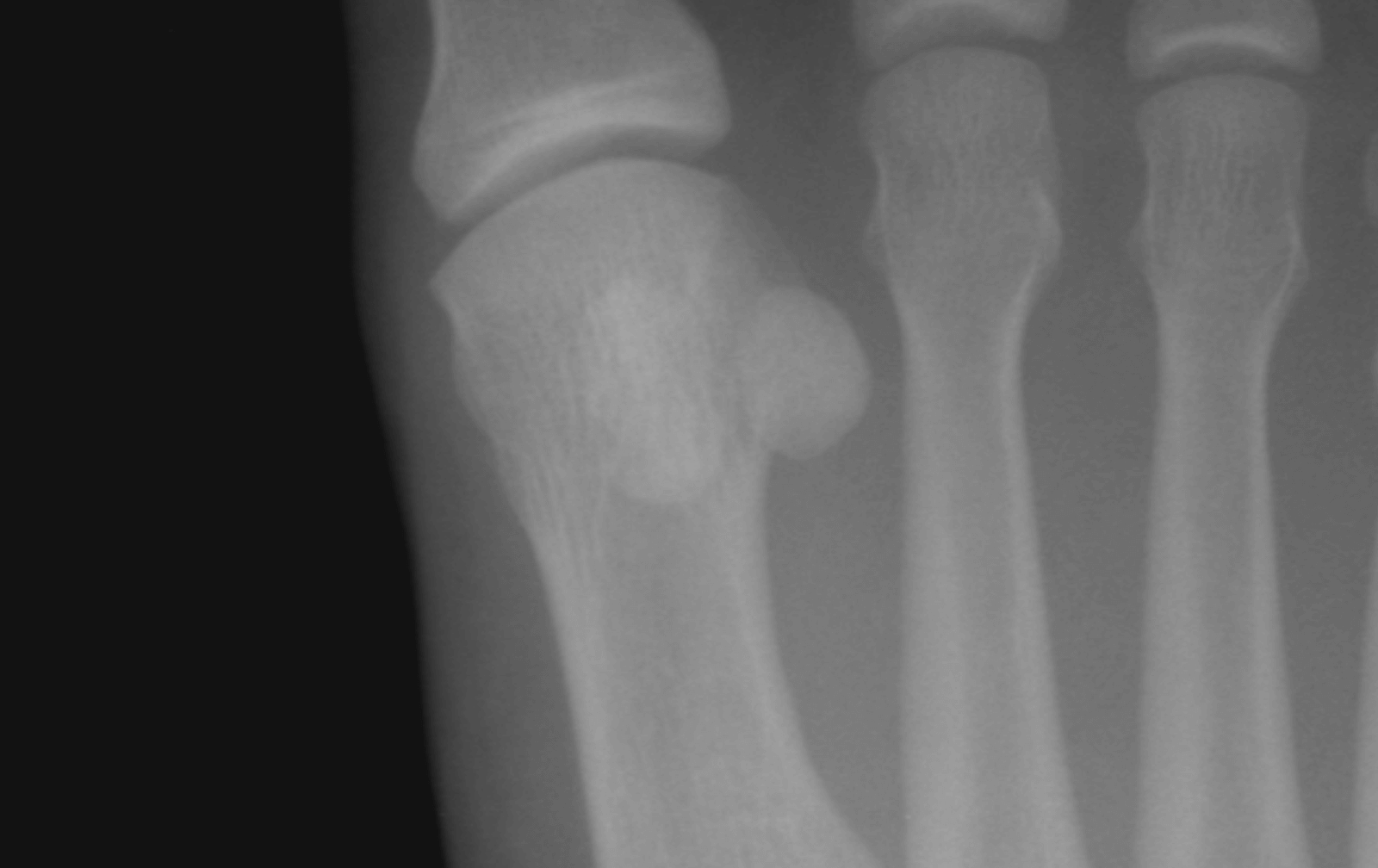
Sesamoid Bone


It is summer time and nobody wants to be laid up with a fracture that won't heal.


Sesamoid injuries can be particularly difficult to heal. The sesamoid bones are tethered at one end, and they are being pulled by a tendon at the other end. These bones are almost always under some type of traction unless there is absolute nonweightbearing. Being nonweightbearing is the ideal approach to treating sesamoid fractures. But even with nonweightbearing these fractures don't always heal. The blood supply is not good to these bones and they can be vulnerable to all kinds of injuries.


The traditional approaches include casting, bone healing supplements (Ortho ProBono), bone stimulator devices.

Additional approaches now can also include Platlet Rich Plasma Injections combined with EPAT (shockwave therapy). These treatments can help your body recruit additional blood supply to the area to promote healing, along with increasing local healing factors. The great thing about these additional treatments is that you are able to use your own bodys healing power!


If you have had a foot or ankle injury and are looking for medical treatment, please contact myself Dr Timothy Young or my partner Dr Brandon Nelson, or give us a call at 425-391-8666.

Friday, 06 July 2018 05:50

Plantar Fasciitis Treatment Options

5 out of 5 stars
Total Reviews : 274