




December 2019
Effects of Having a Stress Fracture
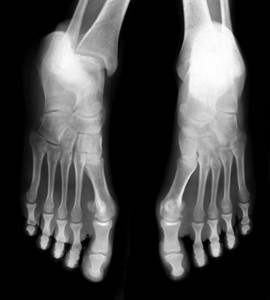 Stress fractures refer to having small breaks in the bone, commonly found in the second and third metatarsals of the foot. Stress fractures may not be obvious at first, however they tend to worsen overtime if not treated, and can be very painful. They typically occur due to overuse in a sporting activity, and can be prevented by gradually intensifying your workout and properly warming up before practicing an intense, high energy activity. It’s also important you wear footwear that gives your feet needed support, especially if you are running or jogging on uneven, or rugged surfaces. In terms of treatment, it is suggested that you get plenty of rest, treat the area with ice, and keep the foot elevated to avoid further swelling. We recommend you consult with a podiatrist for a proper diagnosis and an advised treatment plan.
Activities where too much pressure is put on the feet can cause stress fractures. To learn more, contact the podiatrists from Issaquah Foot & Ankle Specialists. Our doctors can provide the care you need to keep your pain free and on your feet.
Dealing with Stress Fractures of the Foot and Ankle
Stress fractures occur in the foot and ankle when muscles in these areas weaken from too much or too little use. The feet and ankles then lose support when walking or running from the impact of the ground. Since there is no protection, the bones receive the full impact of each step. Stress on the feet can cause cracks to form in the bones, thus creating stress fractures.
What Are Stress Fractures?
Stress fractures occur frequently in individuals whose daily activities cause great impact on the feet and ankles. Stress factors are most common among:
- Runners
- People affected with Osteoporosis
- Tennis or basketball players
- Gymnasts
- High impact workouts
Symptoms
Pain from the fractures occur in the area of the fractures and can be constant or intermittent. It will often cause sharp or dull pain with swelling and tenderness. Engaging in any kind of activity which involves high impact will aggravate pain.
If you have any questions please contact one of our offices located in Issaquah, WA . We offer the newest diagnostic and treatment technologies for all your foot and ankle needs.
Who Does Sever’s Disease Affect?
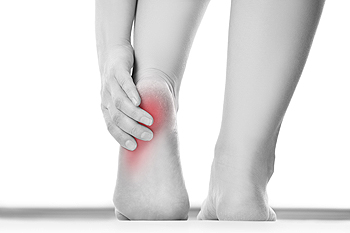 Teenagers and children who actively participate in running and jumping sporting activities may be familiar with Sever’s disease. This condition affects the growth plate in the heel, and it occurs as a result of the bones, muscles, and tendons growing at different rates. The symptoms that are typically associated with this condition can consist of walking on tiptoes, pain when the heel is squeezed, and it may be difficult to walk upon arising in the morning. Moderate relief may be felt when the affected foot is elevated, and it may help to wear shoe inserts which can provide additional support. If your child has developed Sever’s disease, it is advised that you consult with a podiatrist who can guide your child toward proper treatment.
Sever's disease often occurs in children and teens. If your child is experiencing foot or ankle pain, see the podiatrists from Issaquah Foot & Ankle Specialists. Our doctors can treat your child’s foot and ankle needs.
Sever’s Disease
Sever’s disease is also known as calcaneal apophysitis, which is a medical condition that causes heel pain I none or both feet. The disease is known to affect children between the ages of 8 and 14.
Sever’s disease occurs when part of the child’s heel known as the growth plate (calcaneal epiphysis) is attached to the Achilles tendon. This area can suffer injury when the muscles and tendons of the growing foot do not keep pace with bone growth. Therefore, the constant pain which one experiences at the back of the heel will make the child unable to put any weight on the heel. The child is then forced to walk on their toes.
Symptoms
Acute pain – Pain associated with Sever’s disease is usually felt in the heel when the child engages in physical activity such as walking, jumping and or running.
Highly active – Children who are very active are among the most susceptible in experiencing Sever’s disease, because of the stress and tension placed on their feet.
If you have any questions, please feel free to contact one of our offices located in Issaquah, WA . We offer the newest diagnostic and treatment technologies for all your foot care needs.
Bunion Surgery
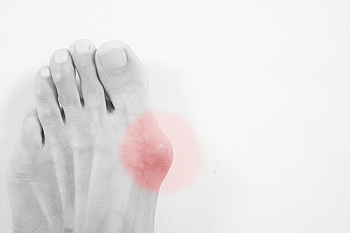 A bony protrusion on the bottom of the big toe may be indicative of a bunion. It develops as a result of wearing shoes that do not have enough room for the toes to move freely in, or it may come from certain genetic factors. They can cause severe pain and discomfort, and in certain cases, surgery may be necessary for permanent relief. Patients may be eligible for surgery if there is consistent pain while performing daily activities, or if you are unable to straighten or bend your big toe. There are specific types of bunion surgery. An osteotomy consists of cutting the joint in the big toe, and aligning it to it’s normal placement. An exostectomy is performed when the bunion is removed from the joint, and an alignment is not necessary. If metal plates are needed to correct the deformity, an arthrodesis may be performed. If you have a bunion, please consult with a podiatrist who can help you to determine if bunion surgery is correct for you.
Foot surgery is sometimes necessary to treat a foot ailment. To learn more, contact the podiatrists of Issaquah Foot & Ankle Specialists. Our doctors will assist you with all of your foot and ankle needs.
When Is Surgery Necessary?
Foot and ankle surgery is generally reserved for cases in which less invasive, conservative procedures have failed to alleviate the problem. Some of the cases in which surgery may be necessary include:
- Removing foot deformities like bunions and bone spurs
- Severe arthritis that has caused bone issues
- Cosmetic reconstruction
What Types of Surgery Are There?
The type of surgery you receive will depend on the nature of the problem you have. Some of the possible surgeries include:
- Bunionectomy for painful bunions
- Surgical fusion for realignment of bones
- Neuropathy decompression surgery to treat nerve damage
Benefits of Surgery
Although surgery is usually a last resort, it can provide more complete pain relief compared to non-surgical methods and may allow you to finally resume full activity.
Surgical techniques have also become increasingly sophisticated. Techniques like endoscopic surgery allow for smaller incisions and faster recovery times.
If you have any questions, please feel free to contact one of our offices located in Issaquah, WA . We offer the newest diagnostic and treatment technologies for all your foot care needs.
Reminder: When Was the Last Time...?

Custom orthotics, or shoe inserts, should be periodically replaced. Orthotics must fit properly to give you the best results. Protect your feet and ankles!
Can Flat Feet Cause Pain?
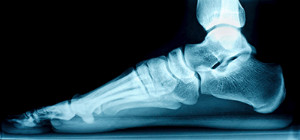 The medical term that is known as flat feet refers to feet that have an absent or low arch. The majority of babies are born without an arch, however it will generally develop as they enter their teenage years. This condition is noticeable when the foot lies completely on the floor. The foot will naturally turn inward in order to grip the floor, which may cause pain and discomfort. The Achilles tendon may become affected as a result of the position of the heel, and this may lead to difficulty with walking. Many patients have found relief when orthotics are worn, which may provide the support that is needed as daily tasks are completed. If you have flat feet, it is suggested that you consult with a podiatrist who can properly evaluate your condition, and recommend the best treatment option for you.
Flatfoot is a condition many people suffer from. If you have flat feet, contact the podiatrists from Issaquah Foot & Ankle Specialists. Our doctors will treat your foot and ankle needs.
What Are Flat Feet?
Flatfoot is a condition in which the arch of the foot is depressed and the sole of the foot is almost completely in contact with the ground. About 20-30% of the population generally has flat feet because their arches never formed during growth.
Conditions & Problems:
Having flat feet makes it difficult to run or walk because of the stress placed on the ankles.
Alignment – The general alignment of your legs can be disrupted, because the ankles move inward which can cause major discomfort.
Knees – If you have complications with your knees, flat feet can be a contributor to arthritis in that area.
Symptoms
- Pain around the heel or arch area
- Trouble standing on the tip toe
- Swelling around the inside of the ankle
- Flat look to one or both feet
- Having your shoes feel uneven when worn
Treatment
If you are experiencing pain and stress on the foot you may weaken the posterior tibial tendon, which runs around the inside of the ankle.
If you have any questions, please feel free to contact one of our offices located in Issaquah, WA . We offer the newest diagnostic and treatment technologies for all your foot care needs.
Ankle X-Ray is Negative
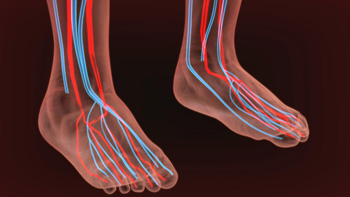 Michael Pierce is a defensive tackle for the Baltimore Ravens and suffered an ankle injury in the game played on Nov. 10 against the Cincinnati Bengals. It appears he incurred the injury in the first quarter, and was instructed to leave the game at halftime. After X-rays were performed, it was determined there was no fracture, which proved to be positive news. As an important part of the teams defense, Coach John Harbaugh is hopeful for Pierce’s return next week. Despite this unfortunate injury, the Ravens won the game with a score of 49-13.
Sports related foot and ankle injuries require proper treatment before players can go back to their regular routines. For more information, contact the podiatrists of Issaquah Foot & Ankle Specialists. Our doctors can provide the care you need to keep you pain-free and on your feet.
Sports Related Foot and Ankle Injuries
Foot and ankle injuries are a common occurrence when it comes to athletes of any sport. While many athletes dismiss the initial aches and pains, the truth is that ignoring potential foot and ankle injuries can lead to serious problems. As athletes continue to place pressure and strain the area further, a mild injury can turn into something as serious as a rupture and may lead to a permanent disability. There are many factors that contribute to sports related foot and ankle injuries, which include failure to warm up properly, not providing support or wearing bad footwear. Common injuries and conditions athletes face, including:
- Plantar Fasciitis
- Achilles Tendinitis
- Achilles Tendon Rupture
- Ankle Sprains
Sports related injuries are commonly treated using the RICE method. This includes rest, applying ice to the injured area, compression and elevating the ankle. More serious sprains and injuries may require surgery, which could include arthroscopic and reconstructive surgery. Rehabilitation and therapy may also be required in order to get any recovering athlete to become fully functional again. Any unusual aches and pains an athlete sustains must be evaluated by a licensed, reputable medical professional.
If you have any questions please contact one of our offices located in Issaquah, WA . We offer the newest diagnostic and treatment technologies for all your foot and ankle needs.
Treatment Options for a Broken Foot
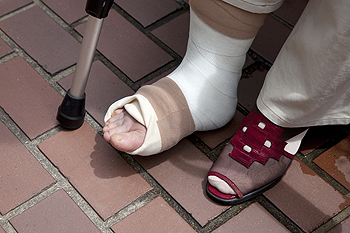 A common cause of a broken foot is a traumatic fall. Additionally, it can happen gradually from repeated stress that occurs in the same area of the foot. This can develop from frequently participating in sporting activities that involve running and jumping. The symptoms that many patients experience include severe pain and discomfort, an inability to walk, and the foot may become swollen or bruised. After a proper diagnosis is performed, which typically consists of having an X-ray taken, treatment can begin. The type of treatment may depend on the severity of the fracture. Effective methods can consist of wearing a boot or cast. If your foot is severely fractured, surgery may be necessary to repair the affected bones. If you have broken your foot, please consult with a podiatrist as quickly as possible to begin treatment.
A broken foot requires immediate medical attention and treatment. If you need your feet checked, contact the podiatrists from Issaquah Foot & Ankle Specialists. Our doctors can provide the care you need to keep you pain-free and on your feet.
Broken Foot Causes, Symptoms, and Treatment
A broken foot is caused by one of the bones in the foot typically breaking when bended, crushed, or stretched beyond its natural capabilities. Usually the location of the fracture indicates how the break occurred, whether it was through an object, fall, or any other type of injury.
Common Symptoms of Broken Feet:
- Bruising
- Pain
- Redness
- Swelling
- Blue in color
- Numbness
- Cold
- Misshapen
- Cuts
- Deformities
Those that suspect they have a broken foot shoot seek urgent medical attention where a medical professional could diagnose the severity.
Treatment for broken bones varies depending on the cause, severity and location. Some will require the use of splints, casts or crutches while others could even involve surgery to repair the broken bones. Personal care includes the use of ice and keeping the foot stabilized and elevated.
If you have any questions, please feel free to contact one of our offices located in Issaquah, WA . We offer the newest diagnostic and treatment technologies for all your foot care needs.
