




October 2023
Advantages of In-Office Surgical Procedures
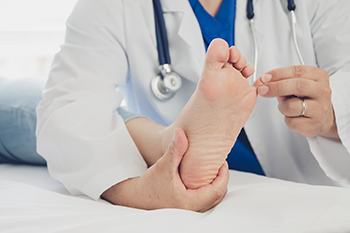
In-office surgery is an evolving trend in podiatry, offering numerous benefits for both patients and their doctors. This type of procedure can be less expensive and time-consuming, as well as more convenient, for both. In-office surgery eliminates the need for patients and podiatrists to travel to hospitals or ambulatory surgical centers, which can save a lot of time. Also, having certain procedures performed at your podiatrist’s office may be the perfect solution for patients seeking more affordable options for their foot health needs. In addition, medical advancements, such as mini C-arms and the use of local anesthesia, contribute to a safer surgical environment. Plus, in-office surgery procedures often can reduce patient anxiety because they are viewed as being easier and less costly. Many common foot conditions, such as bunions, nail problems, neuromas, and warts, can be effectively treated in the podiatrist’s office. It is thought that about 80 percent of podiatry surgical cases fall into this category. To find out more about in-office surgery, it is suggested that you consult your podiatrist to see what options are available.
Foot surgery is sometimes necessary to treat a foot ailment. To learn more, contact the podiatrists of Issaquah Foot & Ankle Specialists. Our doctors will assist you with all of your foot and ankle needs.
When Is Surgery Necessary?
Foot and ankle surgery is generally reserved for cases in which less invasive, conservative procedures have failed to alleviate the problem. Some of the cases in which surgery may be necessary include:
- Removing foot deformities like bunions and bone spurs
- Severe arthritis that has caused bone issues
- Cosmetic reconstruction
What Types of Surgery Are There?
The type of surgery you receive will depend on the nature of the problem you have. Some of the possible surgeries include:
- Bunionectomy for painful bunions
- Surgical fusion for realignment of bones
- Neuropathy decompression surgery to treat nerve damage
Benefits of Surgery
Although surgery is usually a last resort, it can provide more complete pain relief compared to non-surgical methods and may allow you to finally resume full activity.
Surgical techniques have also become increasingly sophisticated. Techniques like endoscopic surgery allow for smaller incisions and faster recovery times.
If you have any questions, please feel free to contact one of our offices located in Issaquah, WA . We offer the newest diagnostic and treatment technologies for all your foot care needs.
Essential Exercises to Prevent Running Injuries
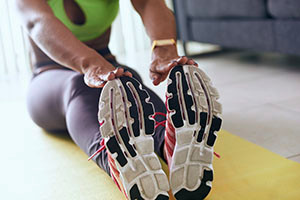
Running is an excellent way to stay fit and enjoy the great outdoors, but it can also come with the risk of injuries. Fortunately, there are specific exercises you can incorporate into your routine to reduce the likelihood of these setbacks. Strengthening your lower body muscles, particularly the quadriceps, hamstrings, and glutes can help stabilize your legs and absorb shock more effectively. Lunges, squats, and calf raises are all beneficial exercises. Additionally, it is important to prioritize core strength. A strong core helps maintain proper running form, reducing strain on your limbs and joints. Planks and bridges are excellent exercise choices for building core stability. Flexibility is another key factor in injury prevention. Regular stretching, especially for the calves, hamstrings, and hip flexors, can improve your range of motion and reduce the risk of strains. Balance exercises, such as single-leg stands and stability ball exercises, can enhance your coordination and reduce the risk of sprains. Incorporating these exercises into your regular regimen can keep you injury-free and can help you to enjoy running for years to come. If you would like more information on what exercises and stretches to perform that can help prevent running injuries, it is suggested that you speak with a podiatrist who can provide you with useful tips.
Exercising your feet regularly with the proper foot wear is a great way to prevent injuries. If you have any concerns about your feet, contact the podiatrists of Issaquah Foot & Ankle Specialists. Our doctors will treat your foot and ankle needs.
How to Prevent Running Injuries
Many common running injuries are caused by overuse and overtraining. When the back of the kneecap starts wearing out and starts causing pain in your knee, this is commonly referred to as runner’s knee. Runner’s knee is a decrease in strength in your quadriceps and can occur if you’re not wearing properly fitted or supporting shoes. To prevent runner’s knee, focusing on hip strengthening is a good idea, as well as strengthening your quads to keep the kneecaps aligned.
What Are Some Causes of Running Injuries?
- One cause of a common running injury is called iliotibial band syndrome.
- Plantar fasciitis is also another common injury.
- Stress fractures can occur from overtraining, lack of calcium, or even your running style.
Best Ways to Prevent Running Injuries
- Wear footwear that fits properly and suits your running needs.
- Running shoes are the only protective gear that runners have to safeguard them from injury.
- Make a training schedule. Adding strengthening exercises as well as regular stretching can help keep you strong and limber and can lessen the possibility of injuries.
- Stretching keeps muscles limber; this will help you gain better flexibility.
If you have any questions, please feel free to contact one of our offices located in Issaquah, WA . We offer the newest diagnostic and treatment technologies for all your foot care needs.
Medical Causes of Cracked Heels
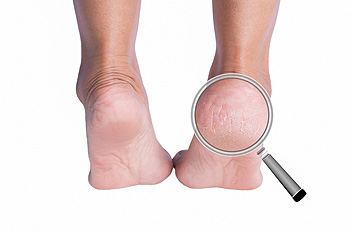
Cracked heels, though often viewed as a cosmetic concern, can be indicative of underlying medical issues. One common medical cause is dry skin or xerosis, which leads to the skin on the heels losing its moisture and elasticity, making it prone to cracking. Conditions such as eczema and psoriasis can exacerbate this dryness, intensifying heel fissures. Another medical culprit is athlete's foot, a fungal infection that can cause dry, flaky, and cracked skin not only on the feet but also between the toes. Peripheral neuropathy, a condition affecting nerve function, can lead to dry skin and decreased sweat production, contributing to heel cracking. Furthermore, systemic diseases like diabetes and thyroid disorders can impair skin health, making individuals more susceptible to cracked heels. Addressing the medical causes of cracked heels often involves treating the underlying condition. Additionally, practicing proper foot care, such as moisturizing and wearing appropriate footwear may help to manage cracked heels. If you have this condition, it is strongly suggested that you are under the care of a podiatrist who can offer prescribed medication as a successful treatment tool.
Cracked heels are unsightly and can cause further damage to your shoes and feet. If you have any concerns, contact the podiatrists from Issaquah Foot & Ankle Specialists. Our doctors can provide the care you need to keep you pain-free and on your feet.
Cracked Heels
Cracked heels appear unappealing and can make it harder for you walk around in sandals. Aside from looking unpleasant, cracked heels can also tear stockings, socks, and wear out your shoes. There are several methods to help restore a cracked heel and prevent further damage.
How Do You Get Them?
Dry skin is the number one culprit in creating cracked heels. Many athletes, walkers, joggers, and even swimmers suffer from cracked heels. Age and skin oil production play a role to getting cracked heels as well.
Promote Healing
Over the counter medicines can help, especially for those that need instant relief or who suffer from chronic dry feet.
Wear Socks – Wearing socks with medicated creams helps lock in moisture.
Moisturizers – Applying both day and night will help alleviate dryness which causes cracking.
Pumice Stones – These exfoliate and remove dead skin, which allows for smoother moisturizer application and better absorption into the skin.
Change in Diet
Eating healthy with a well-balanced diet will give the skin a fresh and radiant look. Your body responds to the kinds of food you ingest. Omega-3 fatty acids and zinc supplements can also revitalize skin tissue.
Most importantly, seek professional help if unsure how to proceed in treating cracked heels. A podiatrist will help you with any questions or information needed.
If you have any questions, please feel free to contact one of our offices located in Issaquah, WA . We offer the newest diagnostic and treatment technologies for all your foot care needs.
Understanding the Basics of Ingrown Toenails
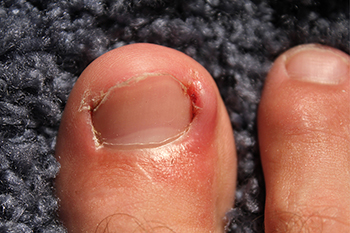
Ingrown toenails are a common and often painful foot condition that can disrupt daily life. Understanding the definition and recognizing the symptoms is essential for managing this ailment effectively. An ingrown toenail occurs when the edge of a toenail, usually the big toe, grows into the surrounding skin instead of over it. This can lead to redness, swelling, and tenderness along the side of the affected toe. As the nail continues to dig into the skin, it can cause pain and discomfort, making it a challenge to wear shoes or walk comfortably. In some cases, ingrown toenails can become infected, resulting in pus drainage and increased pain. The common culprits behind ingrown toenails include improper nail trimming, wearing tight-fitting shoes, hereditary factors, or injury. It is helpful for individuals with diabetes, poor circulation, or weakened immunity to be especially cautious, as ingrown toenails can lead to more severe complications. Timely intervention is important. Soaking the foot in warm, soapy water, gently lifting the ingrown edge of the nail, and keeping the area clean can help alleviate symptoms. If you have developed an ingrown toenail, it is strongly suggested that you are under the care of a podiatrist who can effectively treat this condition.
Ingrown toenails may initially present themselves as a minor discomfort, but they may progress into an infection in the skin without proper treatment. For more information about ingrown toenails, contact the podiatrists of Issaquah Foot & Ankle Specialists. Our doctors can provide the care you need to keep you pain-free and on your feet.
Ingrown Toenails
Ingrown toenails are caused when the corner or side of a toenail grows into the soft flesh surrounding it. They often result in redness, swelling, pain, and in some cases, infection. This condition typically affects the big toe and may recur if it is not treated properly.
Causes
- Improper toenail trimming
- Genetics
- Improper shoe fitting
- Injury from pedicures or nail picking
- Abnormal gait
- Poor hygiene
You are more likely to develop an ingrown toenail if you are obese, have diabetes, arthritis, or have any fungal infection in your nails. Additionally, people who have foot or toe deformities are at a higher risk of developing an ingrown toenail.
Symptoms
Some symptoms of ingrown toenails are redness, swelling, and pain. In rare cases, there may be a yellowish drainage coming from the nail.
Treatment
Ignoring an ingrown toenail can have serious complications. Infections of the nail border can progress to a deeper soft-tissue infection, which can then turn into a bone infection. You should always speak with your podiatrist if you suspect you have an ingrown toenail, especially if you have diabetes or poor circulation.
If you have any questions, please feel free to contact one of our offices located in Issaquah, WA . We offer the newest diagnostic and treatment technologies for all your foot care needs.
See Your Foot Specialist Regularly If You Work On Your Feet

Do you work on your feet all day and find your feet in pain? Don't go to work in pain each day. Your foot pain can be treated, and we can help.
Understanding the Connection Between Gout and Kidney Disease
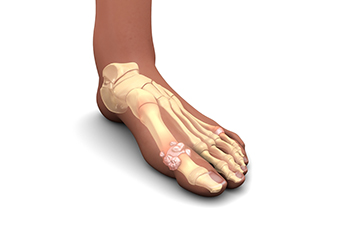
Gout and kidney disease are two distinct medical conditions, but they share a complex relationship that can significantly affect one's health. Gout is a type of arthritis characterized by sudden, severe joint pain, often in the big toe, caused by the buildup of uric acid crystals in the joints. Kidney disease involves the impaired function of the kidneys, leading to the buildup of waste and toxins in the body. What ties these two conditions together is uric acid. When the kidneys are unable to effectively filter and excrete uric acid, it can accumulate in the bloodstream, increasing the risk of gout attacks. Furthermore, some medications used to treat gout can potentially worsen kidney function. Managing both conditions requires a comprehensive approach. It is beneficial for patients to monitor kidney function, control uric acid levels, and adopt lifestyle changes. These can include eating a balanced diet and drinking plenty of water. If you are experiencing gout attacks, it is strongly suggested that you are under the care of a podiatrist who can determine what the cause is, and offer appropriate treatment options.
Gout is a painful condition that can be treated. If you are seeking treatment, contact the podiatrists from Issaquah Foot & Ankle Specialists. Our doctors will treat your foot and ankle needs.
What Is Gout?
Gout is a form of arthritis that is characterized by sudden, severe attacks of pain, redness, and tenderness in the joints. The condition usually affects the joint at the base of the big toe. A gout attack can occur at any random time, such as the middle of the night while you are asleep.
Symptoms
- Intense Joint Pain - Usually around the large joint of your big toe, and it most severe within the first four to twelve hours
- Lingering Discomfort - Joint discomfort may last from a few days to a few weeks
- Inflammation and Redness -Affected joints may become swollen, tender, warm and red
- Limited Range of Motion - May experience a decrease in joint mobility
Risk Factors
- Genetics - If family members have gout, you’re more likely to have it
- Medications - Diuretic medications can raise uric acid levels
- Gender/Age - Gout is more common in men until the age of 60. It is believed that estrogen protects women until that point
- Diet - Eating red meat and shellfish increases your risk
- Alcohol - Having more than two alcoholic drinks per day increases your risk
- Obesity - Obese people are at a higher risk for gout
Prior to visiting your podiatrist to receive treatment for gout, there are a few things you should do beforehand. If you have gout you should write down your symptoms--including when they started and how often you experience them, important medical information you may have, and any questions you may have. Writing down these three things will help your podiatrist in assessing your specific situation so that he or she may provide the best route of treatment for you.
If you have any questions, please feel free to contact one of our offices located in Issaquah, WA . We offer the newest diagnostic and treatment technologies for all your foot care needs.
