




September 2021
Why Are My Toenails Thick?
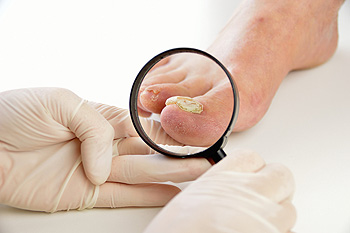
Thickened toenails are typically a sign of a fungal toenail infection, which can cause changes in the texture and color of the toenail. An infected toenail can often thicken, become brittle or crumbly, and develop white, yellow, or brown discoloration. But while fungal infections are the most common cause of thickened toenails, they are not the only cause. Psoriasis, a skin condition, can also affect the toenails, making them thicker, pitted, and discolored. Paronychia, a nail disease caused by a bacterial infection, can thicken the toenail, make it discolored, and cause redness, pain, and inflammation around the nail. Diabetes can cause toenails to thicken because not enough nutrients are reaching the toenails to maintain their health. Other reasons your toenails may be thickened include onychogryphosis (Ram’s Horn), aging, a toenail injury, or a rare condition called yellow nail syndrome. If you notice changes in the thickness, color, or shape of your toenails, it is suggested that you schedule an appointment with a podiatrist.
If left untreated, toenail fungus may spread to other toenails, skin, or even fingernails. If you suspect you have toenail fungus it is important to seek treatment right away. For more information about treatment, contact the podiatrists of Issaquah Foot & Ankle Specialists. Our doctors can provide the care you need to keep you pain-free and on your feet.
Symptoms
- Warped or oddly shaped nails
- Yellowish nails
- Loose/separated nail
- Buildup of bits and pieces of nail fragments under the nail
- Brittle, broken, thickened nail
Treatment
If self-care strategies and over-the-counter medications does not help your fungus, your podiatrist may give you a prescription drug instead. Even if you find relief from your toenail fungus symptoms, you may experience a repeat infection in the future.
Prevention
In order to prevent getting toenail fungus in the future, you should always make sure to wash your feet with soap and water. After washing, it is important to dry your feet thoroughly especially in between the toes. When trimming your toenails, be sure to trim straight across instead of in a rounded shape. It is crucial not to cover up discolored nails with nail polish because that will prevent your nail from being able to “breathe”.
In some cases, surgical procedure may be needed to remove the toenail fungus. Consult with your podiatrist about the best treatment options for your case of toenail fungus.
If you have any questions please contact one of our offices located in Issaquah, WA . We offer the newest diagnostic and treatment technologies for all your foot and ankle needs.
What Is This Rash on My Feet?
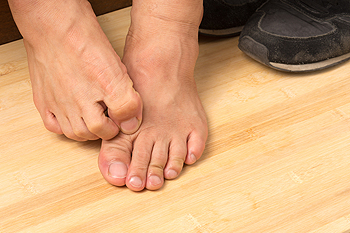 A rash on the feet can be indicative of a variety of medical conditions. One of the most common reasons for a foot rash is a fungal infection called athlete’s foot. The rash characteristic of athlete’s foot is usually scaly, flakey, itchy, and red, and it may also sting or burn. Irritant contact dermatitis is an allergic skin reaction that can affect the feet. A contact dermatitis rash features dry, cracked, scaly - but not itchy - skin in a localized area. Allergic contact dermatitis is caused by a more severe allergic reaction and often presents as small, pink or red skin bumps, spots, or blisters that are very itchy. Other conditions that can lead to a foot rash include hand foot and mouth disease, eczema, psoriasis, scabies, an insect bite, and medical conditions like chicken pox, shingles, and Lyme disease. If you have a rash on your feet, please consult with a podiatrist.
Athlete’s foot is an inconvenient condition that can be easily reduced with the proper treatment. If you have any concerns about your feet and ankles, contact the podiatrists from Issaquah Foot & Ankle Specialists. Our doctors will treat your foot and ankle needs.
Athlete’s Foot: The Sole Story
Athlete's foot, also known as tinea pedis, can be an extremely contagious foot infection. It is commonly contracted in public changing areas and bathrooms, dormitory style living quarters, around locker rooms and public swimming pools, or anywhere your feet often come into contact with other people.
Solutions to Combat Athlete’s Foot
- Hydrate your feet by using lotion
- Exfoliate
- Buff off nails
- Use of anti-fungal products
- Examine your feet and visit your doctor if any suspicious blisters or cuts develop
Athlete’s foot can cause many irritating symptoms such as dry and flaking skin, itching, and redness. Some more severe symptoms can include bleeding and cracked skin, intense itching and burning, and even pain when walking. In the worst cases, Athlete’s foot can cause blistering as well. Speak to your podiatrist for a better understanding of the different causes of Athlete’s foot, as well as help in determining which treatment options are best for you.
If you have any questions please feel free to contact one of our offices located in Issaquah, WA . We offer the newest diagnostic and treatment technologies for all your foot and ankle needs.
What Is Haglund’s Deformity?
 Haglund’s deformity is an enlargement of a portion of the bone on the back of the heel. The enlarged part of the bone can irritate surrounding soft tissues causing heel pain, swelling, redness, and the formation of a visible hard lump on the back of the heel. Haglund’s deformity is thought to be hereditary. Some people are genetically predisposed to this condition due to the inherited structure of their feet. Other potential causes may include calf muscle tightness, having a dysfunctional walking pattern, or wearing ill-fitting shoes. If you notice a painful bump on the back of your heel, it is suggested that you schedule an appointment with a podiatrist who can find the right treatment for you.
Many people suffer from bouts of heel pain. For more information, contact the podiatrists of Issaquah Foot & Ankle Specialists. Our doctors can provide the care you need to keep you pain-free and on your feet.
Causes of Heel Pain
Heel pain is often associated with plantar fasciitis. The plantar fascia is a band of tissues that extends along the bottom of the foot. A rip or tear in this ligament can cause inflammation of the tissue.
Achilles tendonitis is another cause of heel pain. Inflammation of the Achilles tendon will cause pain from fractures and muscle tearing. Lack of flexibility is also another symptom.
Heel spurs are another cause of pain. When the tissues of the plantar fascia undergo a great deal of stress, it can lead to ligament separation from the heel bone, causing heel spurs.
Why Might Heel Pain Occur?
- Wearing ill-fitting shoes
- Wearing non-supportive shoes
- Weight change
- Excessive running
Treatments
Heel pain should be treated as soon as possible for immediate results. Keeping your feet in a stress-free environment will help. If you suffer from Achilles tendonitis or plantar fasciitis, applying ice will reduce the swelling. Stretching before an exercise like running will help the muscles. Using all these tips will help make heel pain a condition of the past.
If you have any questions, please feel free to contact one of our offices located in Issaquah, WA . We offer the newest diagnostic and treatment technologies for all your foot care needs.
Are Bunions Affecting Your Everyday Life?

Have you noticed a bony protrusion on the side of your big toe? If so, you may have developed the foot condition known as a bunion. Don't let bunions interfere with your daily activities.
Does Hammertoe Surgery Hurt?

If you have hammertoes, you may be weighing your treatment options. Advanced cases of hammertoe, in which the bent toe joints are permanently fixed in a painful, flexed position, are often treated surgically. Hammertoe surgery is used to straighten the deformed toes and relieve painful symptoms. These surgeries are typically outpatient procedures, meaning that you get to go home the same day as the operation. The surgery will be done under local anesthesia, so you will not feel pain during the actual operation. Following surgery, you may experience some pain and swelling. Your doctor will likely prescribe medications to manage pain and prevent infection. You will also probably need to wear a special shoe or boot to keep the foot in the proper position as it heals. Full recovery from a hammertoe surgery may take 4 to 6 weeks. To learn more about hammertoe surgery, please consult with a podiatrist.
Hammertoes can be a painful condition to live with. For more information, contact the podiatrists of Issaquah Foot & Ankle Specialists. Our doctors will answer any of your foot- and ankle-related questions.
Hammertoe
Hammertoe is a foot deformity that occurs due to an imbalance in the muscles, tendons, or ligaments that normally hold the toe straight. It can be caused by the type of shoes you wear, your foot structure, trauma, and certain disease processes.
Symptoms
- Painful and/or difficult toe movement
- Swelling
- Joint stiffness
- Calluses/Corns
- Physical deformity
Risk Factors
- Age – The risk of hammertoe increases with age
- Sex – Women are more likely to have hammertoe compared to men
- Toe Length – You are more likely to develop hammertoe if your second toe is longer than your big toe
- Certain Diseases – Arthritis and diabetes may make you more likely to develop hammertoe
Treatment
If you have hammertoe, you should change into a more comfortable shoe that provides enough room for your toes. Exercises such as picking up marbles may strengthen and stretch your toe muscles. Nevertheless, it is important to seek assistance from a podiatrist in order to determine the severity of your hammertoe and see which treatment option will work best for you.
If you have any questions, please feel free to contact one of our offices located in Issaquah, WA . We offer the newest diagnostic and treatment technologies for all your foot care needs.
What Is Infectious Arthritis?
 Infectious arthritis is a sudden and painful form of arthritis caused by bacterial, viral, or fungal infections. This type of arthritis typically only affects one joint and can be caused by an infection spreading from one part of your body to the joint or joint lining, or by an infection-causing germ entering the body through open wounds, injections, or surgery. The symptoms of infectious arthritis include intense swelling, pain, fever, and chills. Although infectious arthritis usually affects the knees, it can also attack hips, wrists, and ankles. If you have symptoms of infectious arthritis in your ankle, a podiatrist may be able to help. For more information about the different types of arthritis, the effects of arthritis on your feet, and how to care for arthritic feet and ankles, please consult with a podiatrist.
Arthritis can be a difficult condition to live with. If you are seeking treatment, contact the podiatrists from Issaquah Foot & Ankle Specialists. Our doctors can provide the care you need to keep you pain-free and on your feet.
Arthritic Foot Care
Arthritis is a joint disorder that involves the inflammation of different joints in your body, such as those in your feet. Arthritis is often caused by a degenerative joint disease and causes mild to severe pain in all affected areas. In addition to this, swelling and stiffness in the affected joints can also be a common symptom of arthritis.
In many cases, wearing ill-fitting shoes can worsen the effects and pain of arthritis. Wearing shoes that have a lower heel and extra room can help your feet feel more comfortable. In cases of rheumatoid arthritis, the arch in your foot may become problematic. Buying shoes with proper arch support that contour to your feet can help immensely.
Alleviating Arthritic Pain
- Exercises that stretch the foot can prevent further pain and injury and increase mobility
- Most of the pain can be alleviated with anti-inflammatory drugs, heat, and topical medications
- Massages can help temporarily alleviate pain.
It is best to see your doctor for the treatment that is right for your needs and symptoms. Conditions vary, and a podiatrist can help you determine the right method of care for your feet.
If you have any questions please feel free to contact one of our offices located in Issaquah, WA . We offer the newest diagnostic tools and technology to treat your foot and ankle needs.
