




February 2026
Risk Factors for Toenail Infections
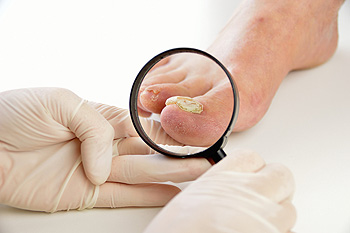
Toenail infections develop when organisms enter small openings in the nail or surrounding skin and slowly affect nail structure. Athlete’s foot allows organisms to spread from skin to nail. Repeated exposure around pools, locker rooms, and communal showers increases contact with fungi. Nail injuries from sports, nail trimming, or pressure from tight shoes create entry points. Long-term moisture inside shoes with inadequate support raises risk of toenail infections, especially with prolonged sweating. Circulation problems in the legs related to diabetes or artery disease reduce nail defenses. A weakened immune system and family history also increase risk of toenail infections. A podiatrist can examine the nails, confirm the cause, guide treatment, and discuss surgery when necessary. For help with foot problems, it is suggested that you consult a podiatrist for an exam and treatment.
For more information about treatment, contact the podiatrists of Issaquah Foot & Ankle Specialists. Our doctors can provide the care you need to keep you pain-free and on your feet.
Toenail Fungus Treatment
Toenail fungus is a condition that affects many people and can be especially hard to get rid of. Fortunately, there are several methods to go about treating and avoiding it.
Antifungals & Deterrence
Oral antifungal medicine has been shown to be effective in many cases. It is important to consult with a podiatrist to determine the proper regiment for you, or potentially explore other options.
Applying foot powder on the feet and shoes helps keep the feet free of moisture and sweat.
Sandals or open toed shoes – Wearing these will allow air movement and help keep feet dry. They also expose your feet to light, which fungus cannot tolerate. Socks with moisture wicking material also help as well.
If you have any questions please contact one of our offices located in Issaquah, WA . We offer the newest diagnostic and treatment technologies for all your foot and ankle needs.
Top 5 Benefits of Custom Orthotics

Discover the long-term benefits of orthotics! Tailored to your unique foot structure, Custom Orthotics ensure every step radiates comfort and helps reduce foot and heel pain. Beyond comfort, they enhance your posture, allowing you to stand taller and walk with confidence. Whether you're casually strolling or actively running, they can elevate your performance. Call our office today and see if Custom Orthotics are right for you.
Managing Ingrown Toenails

Ingrown toenails, which account for approximately 20 percent of all foot issues, develop when the edge of a toenail grows into the surrounding skin. The affected toe may look red, swollen, and tender, and, in some cases, pus or an infection may develop. It often feels painful, throbbing, or sore, especially when wearing shoes or applying pressure. Common causes include improper nail trimming, wearing tight or ill-fitting footwear, injury to the toe, or hereditary nail shape. A podiatrist can begin by examining the nail and surrounding tissue, assessing the severity of the ingrown nail, and checking for infection. Treatment may include safe removal of the ingrown portion, guidance on proper nail care, infection management, if needed, and recommendations for protective footwear or orthotics to reduce pressure. In chronic or severe cases, minor surgical procedures may be performed to prevent recurrence. Because early professional care reduces pain and prevents complications, it is suggested that you schedule an appointment with a podiatrist for effective relief and treatment solutions.
Ingrown toenails may initially present themselves as a minor discomfort, but they may progress into an infection in the skin without proper treatment. For more information about ingrown toenails, contact the podiatrists of Issaquah Foot & Ankle Specialists. Our doctors can provide the care you need to keep you pain-free and on your feet.
Ingrown Toenails
Ingrown toenails are caused when the corner or side of a toenail grows into the soft flesh surrounding it. They often result in redness, swelling, pain, and in some cases, infection. This condition typically affects the big toe and may recur if it is not treated properly.
Causes
- Improper toenail trimming
- Genetics
- Improper shoe fitting
- Injury from pedicures or nail picking
- Abnormal gait
- Poor hygiene
You are more likely to develop an ingrown toenail if you are obese, have diabetes, arthritis, or have any fungal infection in your nails. Additionally, people who have foot or toe deformities are at a higher risk of developing an ingrown toenail.
Symptoms
Some symptoms of ingrown toenails are redness, swelling, and pain. In rare cases, there may be a yellowish drainage coming from the nail.
Treatment
Ignoring an ingrown toenail can have serious complications. Infections of the nail border can progress to a deeper soft-tissue infection, which can then turn into a bone infection. You should always speak with your podiatrist if you suspect you have an ingrown toenail, especially if you have diabetes or poor circulation.
If you have any questions, please feel free to contact one of our offices located in Issaquah, WA . We offer the newest diagnostic and treatment technologies for all your foot care needs.
How Insoles Support School Age Children With Flexible Flatfoot
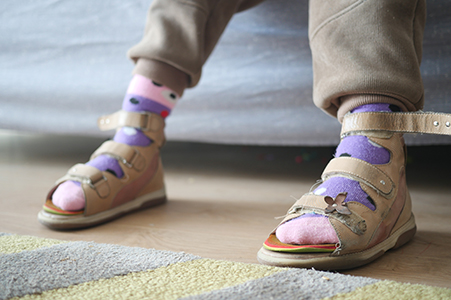
Symptomatic flexible flatfoot in school age children can lead to foot pain, fatigue, and discomfort during walking, sports, and daily activities. When the arches flatten under weight bearing, strain may develop in the feet, ankles, and legs. Insoles can provide meaningful relief by supporting the arch, improving foot alignment, and reducing stress on growing joints and muscles. Proper support may also enhance balance and endurance during play and school activities. A podiatrist can evaluate foot structure, gait, and symptoms to determine if insoles are appropriate and ensure proper fit. If your child has flat feet, foot pain or frequent fatigue, it is suggested that you consult a podiatrist who can determine what type of insoles can bring maximum relief and comfort.
Our feet carry us through every part of life, absorbing the impact of thousands of steps each day. When they are not properly supported, the effects can extend far beyond the feet themselves. Custom orthotics provide the foundation the body needs by aligning, cushioning, and stabilizing each foot in its most natural position. They are carefully crafted to match the unique structure of each individual’s feet, allowing them to move efficiently and comfortably while reducing stress on the muscles, joints, and ligaments.
Proper foot support is essential for maintaining balance and preventing fatigue. Without it, the body compensates by shifting weight unevenly, which can lead to discomfort in the ankles, knees, hips, or lower back. Custom orthotics help restore this balance by redistributing pressure and promoting a more natural walking pattern. They not only ease existing pain but also protect against future strain or injury by supporting the arches and controlling excessive motion.
Unlike store-bought insoles, custom orthotics are created through detailed assessment and advanced technology to provide precise correction and comfort. They fit seamlessly into most shoes, making them ideal for daily wear, work, or sports.
If your feet feel tired, sore, or unsupported, it is recommended that you contact our office for more information, or to make an appointment.
If you have any questions please contact one of our offices located in Issaquah, WA .
High Heels and Foot Health

Wearing high heels regularly can change the shape of the foot by placing excessive pressure on the ball of the foot, shortening the Achilles tendon, and altering natural gait patterns. Over time, this can lead to bunions, hammertoes, arch strain, and overall foot discomfort. Keeping feet flexible and muscles strong is essential to counteract these effects. Stretching the calves and arches, performing toe and foot exercises, and alternating footwear with supportive, low heeled shoes can help maintain mobility and strength. A podiatrist can help by assessing foot structure, recommending exercises, providing custom orthotics if needed, and advising on safe footwear choices. If you enjoy wearing high heels and have developed foot pain, it is suggested that you consult a podiatrist. This type of doctor can treat various foot conditions, and can guide you on more appropriate shoes to wear.
High heels have a history of causing foot and ankle problems. If you have any concerns about your feet or ankles, contact the podiatrists from Issaquah Foot & Ankle Specialists. Our doctors can provide the care you need to keep you pain-free and on your feet.
Effects of High Heels on the Feet
High heels are popular shoes among women because of their many styles and societal appeal. Despite this, high heels can still cause many health problems if worn too frequently.
Which Parts of My Body Will Be Affected by High Heels?
- Ankle Joints
- Achilles Tendon – May shorten and stiffen with prolonged wear
- Balls of the Feet
- Knees – Heels cause the knees to bend constantly, creating stress on them
- Back – They decrease the spine’s ability to absorb shock, which may lead to back pain. The vertebrae of the lower back may compress.
What Kinds of Foot Problems Can Develop from Wearing High Heels?
- Corns
- Calluses
- Hammertoe
- Bunions
- Morton’s Neuroma
- Plantar Fasciitis
How Can I Still Wear High Heels and Maintain Foot Health?
If you want to wear high heeled shoes, make sure that you are not wearing them every day, as this will help prevent long term physical problems. Try wearing thicker heels as opposed to stilettos to distribute weight more evenly across the feet. Always make sure you are wearing the proper shoes for the right occasion, such as sneakers for exercising. If you walk to work, try carrying your heels with you and changing into them once you arrive at work. Adding inserts to your heels can help cushion your feet and absorb shock. Full foot inserts or metatarsal pads are available.
If you have any questions, please feel free to contact one of our offices located in Issaquah, WA . We offer the newest diagnostic and treatment technologies for all your foot care needs.
When the Toes Send a Sharp Signal

Morton’s neuroma is a painful condition that most often affects a nerve between the third and fourth toes, and it develops from repeated pressure or irritation. It may not always be visible, but the area can appear slightly swollen, and patients often describe a burning, tingling, or stabbing sensation and feeling like they are walking on a pebble. Causes include tight footwear, high heels, foot deformities, or activities that place stress on the forefoot. Symptoms may worsen with standing or walking and ease when shoes are removed. A podiatrist begins with a thorough exam and orders imaging if needed to confirm the diagnosis and rule out other problems. Treatment may include footwear changes, custom orthotics to reduce pressure, and targeted therapies, such as injections or exercises. Early care can prevent progression and improve comfort. If you suspect you have Morton’s neuroma, it is suggested that you make an appointment with a podiatrist.
Morton’s neuroma is a very uncomfortable condition to live with. If you think you have Morton’s neuroma, contact the podiatrists of Issaquah Foot & Ankle Specialists. Our doctors will attend to all of your foot care needs and answer any of your related questions.
Morton’s Neuroma
Morton's neuroma is a painful foot condition that commonly affects the areas between the second and third or third and fourth toe, although other areas of the foot are also susceptible. Morton’s neuroma is caused by an inflamed nerve in the foot that is being squeezed and aggravated by surrounding bones.
What Increases the Chances of Having Morton’s Neuroma?
- Ill-fitting high heels or shoes that add pressure to the toe or foot
- Jogging, running or any sport that involves constant impact to the foot
- Flat feet, bunions, and any other foot deformities
Morton’s neuroma is a very treatable condition. Orthotics and shoe inserts can often be used to alleviate the pain on the forefront of the feet. In more severe cases, corticosteroids can also be prescribed. In order to figure out the best treatment for your neuroma, it’s recommended to seek the care of a podiatrist who can diagnose your condition and provide different treatment options.
If you have any questions, please feel free to contact one of our offices located in Issaquah, WA . We offer the newest diagnostic and treatment technologies for all your foot care needs.
