




November 2024
Foot and Ankle Pain While Cycling
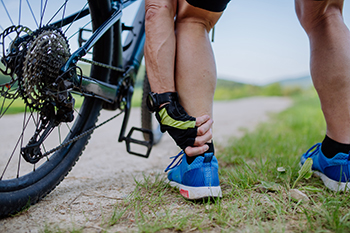
Foot and ankle pain while cycling can stem from several factors. One of the most common causes is improper bike fit, where the saddle height, handlebar position, or pedal alignment may put excessive strain on the feet and ankles. Poorly fitted shoes or stiff insoles can also contribute to discomfort, restricting foot movement and causing pressure points. Another common cause is overuse, where long or intense cycling sessions lead to muscle fatigue and strain. Conditions like Achilles tendonitis or plantar fasciitis can also cause pain in the feet or ankles, often worsened by cycling. Additionally, pedaling mechanics, such as using the wrong cycling shoes or not engaging the right muscles, may lead to joint pain or discomfort. To prevent pain, it is essential to ensure proper bike fit, wear appropriate shoes, and gradually increase cycling intensity. If you enjoy cycling and have endured a foot or ankle injury, it is suggested that you consult a podiatrist who can guide you to effective injury prevention methods.
Ankle and foot injuries are common among athletes and in many sports. They can be caused by several problems and may be potentially serious. If you are feeling pain or think you were injured in a sporting event or when exercising, consult with the podiatrists from Issaquah Foot & Ankle Specialists. Our doctors will assess your condition and provide you with quality foot and ankle treatment.
Common Injuries
The most common injuries that occur in sporting activities include:
- Achilles Tendonitis
- Achilles Tendon Rupture
- Ankle Sprains
- Broken Foot
- Plantar Fasciitis
- Stress Fractures
- Turf Toe
Symptoms
Symptoms vary depending upon the injury and in some cases, there may be no symptoms at all. However, in most cases, some form of symptom is experienced. Pain, aching, burning, bruising, tenderness, tightness or stiffness, sensation loss, difficulty moving, and swelling are the most common symptoms.
Treatment
Just as symptoms vary depending upon the injury, so do treatment options. A common treatment method is known as the RICE method. This method involves rest, applying ice, compression and elevating the afflicted foot or ankle. If the injury appears to be more serious, surgery might be required, such as arthroscopic or reconstructive surgery. Lastly, rehabilitation or therapy might be needed to gain full functionality in the afflicted area. Any discomfort experienced by an athlete must be evaluated by a licensed, reputable medical professional.
If you have any questions please contact one of our offices located in Issaquah, WA . We offer the newest diagnostic and treatment technologies for all your foot and ankle needs.
Top 5 Benefits of Custom Orthotics
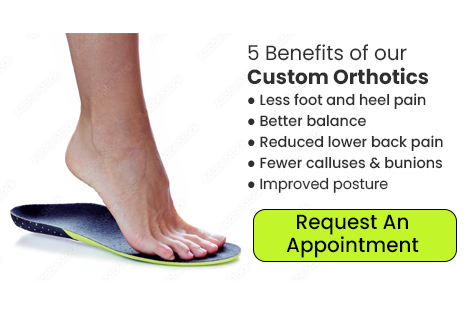
Discover the long-term benefits of orthotics! Tailored to your unique foot structure, Custom Orthotics ensure every step radiates comfort and helps reduce foot and heel pain. Beyond comfort, they enhance your posture, allowing you to stand taller and walk with confidence. Whether you're casually strolling or actively running, they can elevate your performance. Call our office today and see if Custom Orthotics are right for you.
Differentiating Between Eczema and Athlete's Foot
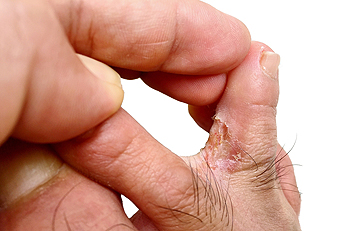
Eczema and athlete's foot are two common skin conditions that can cause discomfort, but they have distinct characteristics. Eczema, or atopic dermatitis, typically presents as dry, itchy patches of skin that may be red and inflamed. It often occurs on areas such as the hands, feet, and behind the knees, and is associated with a history of allergies or asthma. In contrast, athlete's foot is a highly contagious fungal infection that primarily affects the feet, especially between the toes. Symptoms include intense itching, burning sensations, and flaky, peeling skin. Athlete's foot may also cause redness and blisters. While both conditions can be itchy, the location and appearance of the symptoms help differentiate them. If you have any of the above symptoms, it is suggested that you confer with a podiatrist who can provide a proper diagnosis and offer prescribed medication for relief.
Athlete’s foot is an inconvenient condition that can be easily reduced with the proper treatment. If you have any concerns about your feet and ankles, contact the podiatrists from Issaquah Foot & Ankle Specialists. Our doctors will treat your foot and ankle needs.
Athlete’s Foot: The Sole Story
Athlete's foot, also known as tinea pedis, can be an extremely contagious foot infection. It is commonly contracted in public changing areas and bathrooms, dormitory style living quarters, around locker rooms and public swimming pools, or anywhere your feet often come into contact with other people.
Solutions to Combat Athlete’s Foot
- Hydrate your feet by using lotion
- Exfoliate
- Buff off nails
- Use of anti-fungal products
- Examine your feet and visit your doctor if any suspicious blisters or cuts develop
Athlete’s foot can cause many irritating symptoms such as dry and flaking skin, itching, and redness. Some more severe symptoms can include bleeding and cracked skin, intense itching and burning, and even pain when walking. In the worst cases, Athlete’s foot can cause blistering as well. Speak to your podiatrist for a better understanding of the different causes of Athlete’s foot, as well as help in determining which treatment options are best for you.
If you have any questions please feel free to contact one of our offices located in Issaquah, WA . We offer the newest diagnostic and treatment technologies for all your foot and ankle needs.
Enhancing Running Performance With Foot Orthotics

Foot orthotics can significantly improve comfort, speed, and injury rates for runners of all levels. By providing personalized arch support and cushioning, orthotics help stabilize the foot, promoting proper alignment during each stride. This support reduces the impact on joints and muscles and leads to enhanced overall comfort while running. Additionally, the right orthotics can help correct biomechanical issues, such as overpronation or supination, which often contribute to injuries. By addressing these problems, runners can experience fewer injuries and improved performance, allowing them to maintain their training regimen and achieve personal bests. The enhanced comfort from custom orthotics can also encourage longer, more enjoyable runs, further contributing to a positive running experience. If you enjoy running and have foot pain or want to enhance your running experience, it is suggested that you consult a podiatrist who can discuss the benefits of custom-made orthotics.
Custom orthotics are specialized shoe inserts created to support and align the feet according to each person’s unique structure and walking pattern. They are an effective way to relieve foot discomfort caused by conditions such as flat feet, high arches, plantar fasciitis, bunions, and heel pain. When the natural alignment of the foot is off balance, it can lead to pressure points, strain, and pain that affect how a person stands, walks, and moves. Orthotics work by redistributing weight evenly and supporting the arch to reduce stress on the muscles, tendons, and joints of the feet and lower legs.
Foot discomfort can develop for many reasons, including wearing improper footwear, long hours of standing, repetitive motion, or underlying structural problems. Over time, this discomfort can extend beyond the feet, contributing to knee, hip, or lower back pain. Custom orthotics help correct these issues by improving alignment and promoting more efficient movement. They are made using precise measurements and imaging to ensure the best fit for each patient, providing targeted support and cushioning where it is needed most.
Unlike generic insoles, custom orthotics are durable, medically designed, and tailored to your specific needs. Whether you are managing chronic pain, recovering from an injury, or simply seeking better comfort and stability, orthotics can make a noticeable difference in how your feet feel throughout the day.
If you are experiencing persistent foot discomfort or fatigue, it may be time to have your feet evaluated by a podiatrist. Call our office today for more information or to schedule an appointment.
If you have any questions, please feel free to contact one of our offices located in Issaquah, WA .
Lifestyle Factors May Contribute to Cracked Heels
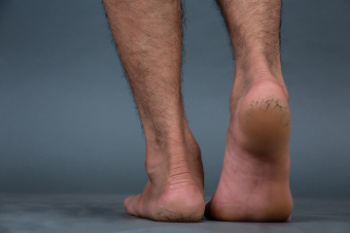
Cracked heels, also known as heel fissures, are a common foot condition characterized by dry, thickened skin that develops cracks at the heel's edge. These fissures can be painful and may lead to further complications if left untreated. The primary causes include skin disorders like eczema and psoriasis, which can cause dryness and irritation. Lifestyle factors also play a significant role, as prolonged standing, walking barefoot, and wearing open-back shoes can contribute to the development of cracked heels. Additionally, environmental conditions like low humidity and excessive exposure to water can strip the skin of its natural moisture. Proper foot care, including regular moisturizing and wearing supportive shoes, is essential for preventing cracked heels, ensuring healthy and comfortable feet. Cracked heels can cause severe pain, and it may be difficult to complete daily activities. If you have developed this condition, it is suggested that you contact a podiatrist who can offer you prescribed medication for effective treatment.
If the skin on your feet starts to crack, you may want to see a podiatrist to find treatment. If you have any concerns, contact the podiatrists from Issaquah Foot & Ankle Specialists. Our doctors can provide the care you need to keep you pain-free and on your feet.
Cracked Heels
It is important to moisturize your cracked heels in order to prevent pain, bleeding, and infection. The reason cracked heels form is because the skin on the foot is too dry to support the immense pressure placed on them. When the foot expands, the dry skin on the foot begins to split.
Ways to Help Heal Them
- Invest in a good foot cream
- Try Using Petroleum Jelly
- Ease up on Soaps
- Drink Plenty of Water
Ways to Prevent Cracked Heels
- Moisturize After Showering
- Skip a Shower
- Keep Shower Water Lukewarm
- Don’t Scrub Your Feet
If you are unsure how to proceed in treating cracked heels, seek guidance from a podiatrist. Your doctor will help you with any questions or information you may need.
If you have any questions, please feel free to contact one of our offices located in Issaquah, WA . We offer the newest diagnostic and treatment technologies for all your foot care needs.
Causes and Risk Factors for Hammertoe
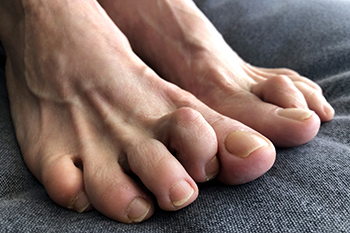
Hammertoe is a condition characterized by an abnormal bending of the toe at the middle joint, resembling a hammer. This deformity often arises due to an imbalance in the muscles and tendons that control the toe's position. Common causes include wearing ill-fitting shoes, particularly those with narrow toe boxes, which can exacerbate the issue. Other contributing factors may involve inherited foot structure, arthritis, or previous injuries to the toes. Certain risk factors can increase the likelihood of developing hammertoe, such as age, as the condition is more prevalent in older adults, and lifestyle choices that include frequent use of high-heeled or tight footwear. Hammertoe can be uncomfortable and unsightly. If you see the beginning signs of hammertoe or have pain from an existing hammertoe, it is suggested that you consult a podiatrist who can help you manage this condition.
Hammertoe
Hammertoes can be a painful condition to live with. For more information, contact the podiatrists from Issaquah Foot & Ankle Specialists. Our doctors will answer any of your foot- and ankle-related questions.
Hammertoe is a foot deformity that affects the joints of the second, third, fourth, or fifth toes of your feet. It is a painful foot condition in which these toes curl and arch up, which can often lead to pain when wearing footwear.
Symptoms
- Pain in the affected toes
- Development of corns or calluses due to friction
- Inflammation
- Redness
- Contracture of the toes
Causes
Genetics – People who are genetically predisposed to hammertoe are often more susceptible
Arthritis – Because arthritis affects the joints in your toes, further deformities stemming from arthritis can occur
Trauma – Direct trauma to the toes could potentially lead to hammertoe
Ill-fitting shoes – Undue pressure on the front of the toes from ill-fitting shoes can potentially lead to the development of hammertoe
Treatment
Orthotics – Custom made inserts can be used to help relieve pressure placed on the toes and therefore relieve some of the pain associated with it
Medications – Oral medications such as anti-inflammatories or NSAIDs could be used to treat the pain and inflammation hammertoes causes. Injections of corticosteroids are also sometimes used
Surgery – In more severe cases where the hammertoes have become more rigid, foot surgery is a potential option
If you have any questions, please feel free to contact one of our offices located in Issaquah, WA . We offer the newest diagnostic and treatment technologies for all your foot care needs.
Plantar Warts Can Be Treated!

Plantar warts are small growths that develop on parts of the feet that bear weight. They're typically found on the bottom of the foot. Don't live with plantar warts, and call us today!
