
September 2017

Friday, 29 September 2017 17:13

Advanced Treatments for Neuromas


One of the most frustrating conditions we see at Issaquah Foot and Ankle Specialists are neuromas. Patients often come in with an extreme amount of pain. This pain can be described as a burning pain or stabbing pain. Patients often relate an inability to exercise or walk due to increased discomfort from the neuroma. The neuroma itself is basically an inflammatory process around the nerve. There are some new exciting treatment options available one of the most successful is sclerosing or alcohol injection therapy. The literature reports a success rate of up to 88% utilizing this technique. In addition shockwave therapy has recently shown increasing success for neuroma type pain. This can be done in the office usually requiring 3-5 treatments. Issaquah foot and ankle specialists have the most advanced treatment protocols to cure neuromas nonsurgically.
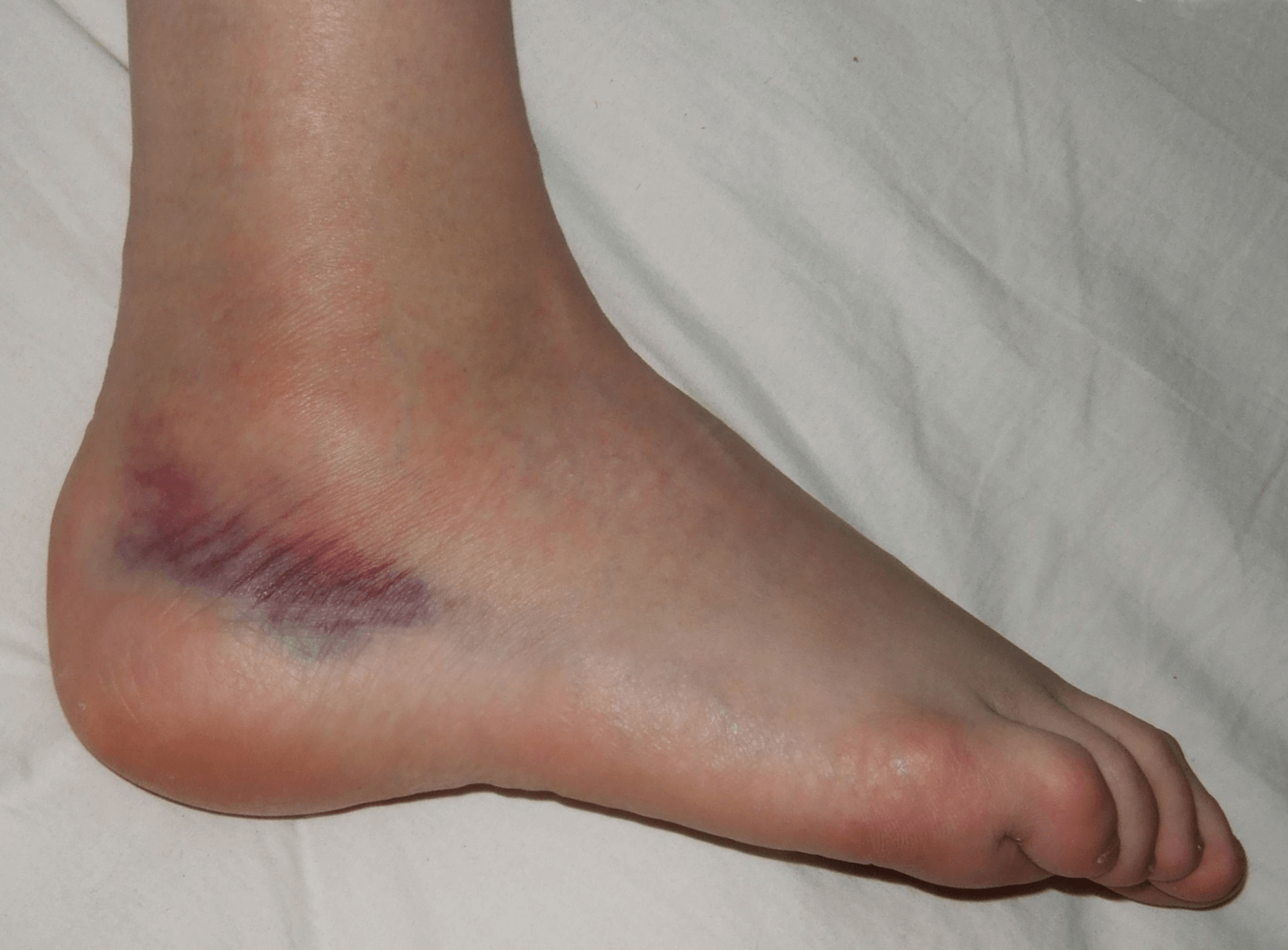

Rolling your ankle and ankle sprains are common occurrences, especially for athletes. It is important to get an ankle sprain evaluated quickly as it can lead to long-term problems. These long-term problems include chronic rolling of the ankle or what we call chronic ankle instability as well as arthritis of the ankle joint. 

Oftentimes people will perform ice therapy which is rest, ice, compression and elevation. However this does not adequately address factors and ankle sprain. Rolling of the ankle can seem like a benign injury, but I will talk from experience: there are many long-term complications that result from the ankle sprain. It is important to have the ligaments evaluated and have the ankle sprain treated properly to mitigate these long-term issues. Most patients make a full recovery with proper treatment and are not usually sidelined for long period of time for physical activities.

If you are experiencing any pain, please do not hesitate to give us a call at 425-391-8666 or contact us online.

Friday, 15 September 2017 17:09

What is a Pinched Nerve in the Foot

 
What is a pinched nerve in the foot?
 
There are a number of potential locations in the foot and ankle where nerves can become entrapped or pinched. In some situations it's truly a pinched nerve and others, the nerve becomes irritated and can develop scar tissue around it. That is the case with a Morton's neuroma. Often times there is enough irritation to the nerve in this area that the nerve sheath becomes thicker and all the more prone to irritation and compression.  
 
A Morton's neuroma involves branches of the plantar nerves between the third and fourth metatarsals in the forefoot area. Tarsal tunnel syndrome is similar to carpal tunnel syndrome and involved the posterior tibial nerve where the ankle meets the foot. This is on the inside or medial aspect. This is also directly adjacent to the primary artery and veins to the bottom of the foot. It also is part of the compartment that has the long flexor tendons to the toes and inside of the midfoot. Tarsal tunnel syndrome can be aggravated by other problems such as physical space-occupying conditions like a ganglion cyst or other soft tissue enlargements or growths. The top of the midfoot near the base of the second and third metatarsal is a common area to have nerve compression and a pinched nerve.
 
People with a high arch foot are more prone to these problems especially if they get into a tight fitting shoe or ski boot or similar device that could put non-forgiving pressure on the top of the midfoot. In this particular location there is not much subcutaneous tissue or fat pad to help the nerves in this location have adequate room. Instead there is very little subcutaneous layer and the nerve can get pin down directly against the top of the foot and press against the second metatarsal or second cuneiform midfoot bones. So these would be the 3 most common pinched nerves in the foot and ankle. In each case there can be nervelike symptoms from compression on the nerve in this area. These may be alleviated by changing shoes. But in some cases as time goes on they become hypersensitive and damaged with potential for permanent nerve damage and chronic pain. Each of these conditions involves specific examination and testing to help confirm diagnosis. They also had their own unique treatments. If you have any of these symptoms and are concerned and would like to come in to see either Dr. Nelson or myself. Please let us know.
Friday, 15 September 2017 17:06

Fall is Coming, Watch Out For Foot Problems!

 
Regarding your feet, there are many advantages of summertime.  People often wear good running shoes.  And even though sandals aren't always the best support fot your feet, they allow a lot of room. So when the fall comes people are going out of roomy comfortable sandals into snug fitting shoes. Sometimes even a slight change can cause a problem.
 
For example, ingrown toenails are often much more noticeable when you wear closed shoes and your toes are tight together and overlapping each other.  The second toe can then abut the adjacent great toe all along the side of the toenail causing pressure here not just at the tip of the nail.  Other problems related to shoe fit will start becoming a problem also such as bunions and hammertoes and calluses, when the shoe pressure and fit cause problems.
 
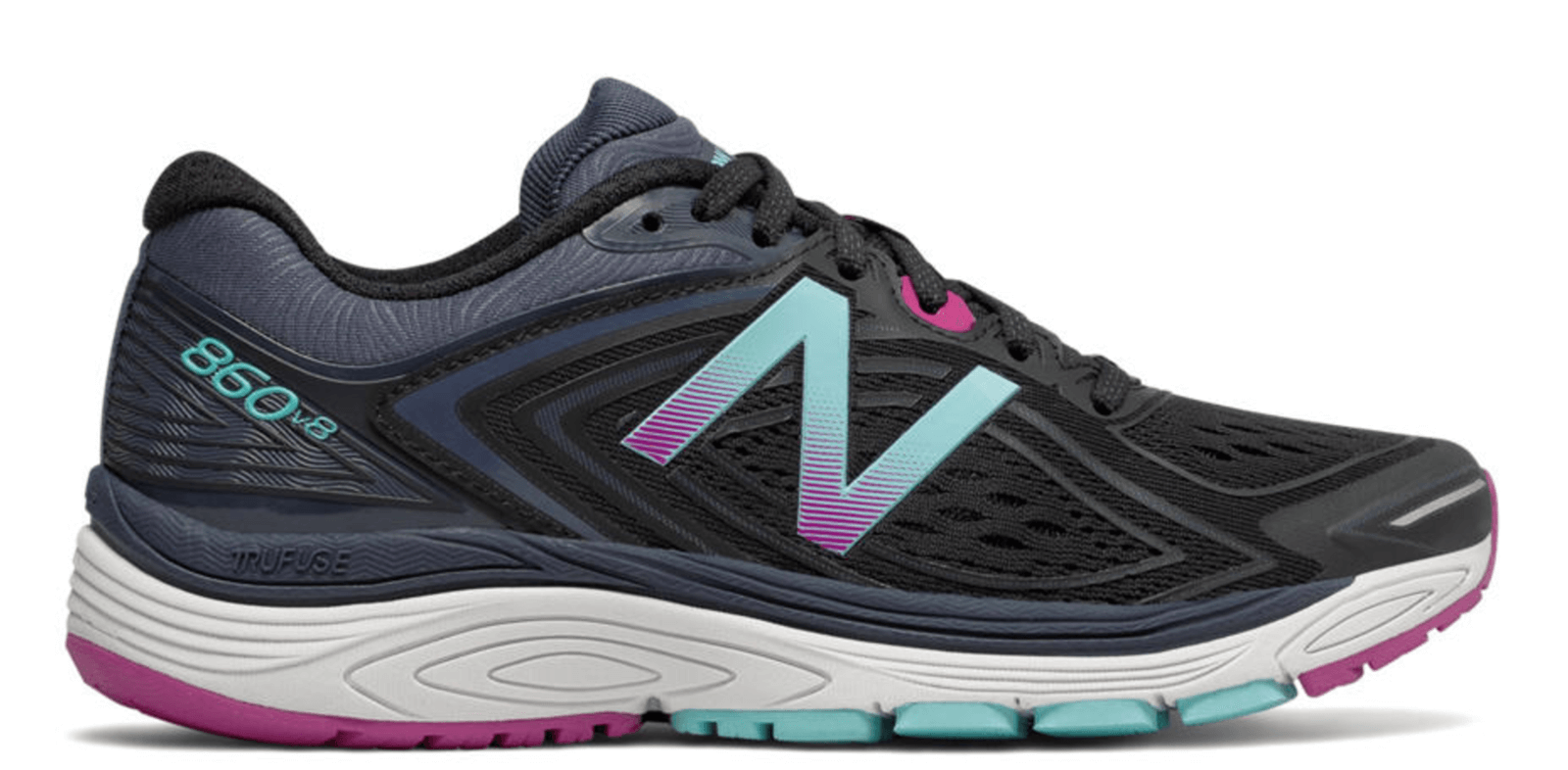
So what can you do?  Wearing shoes that are much wider in the toebox will solve a lot of these problems.  Some patients really go all the way with shoes like Birkenstock or Keene Shoes that have a nice squared off toebox.  Other options include shoes they come in a wider width such as New Balance.  You can get gel or foam spacers to go between your toes.  Sometimes no matter what you do with the roomier shoes, there are still problems.  If you have any of these symptoms and are concerned and would like to come in to see either Dr. Nelson or myself, please let us know.
The Journal of Foot and Ankle Surgery recently published a great article on radiofrequency micro-debridement. This article discussed the use of a Topaz micro-debrider as opposed to open surgical repair of the Achilles tendon. The micro-debrider allows for a tiny incision that can be considered a minimally invasive type of surgery. The study shows micro-debridement technique is just as effective as the open repair of the Achilles tendon. The micro-debridmemt is a quicker recovery and has less pain and swelling then the traditional open repair. We have been using the micro-debridement technique at Issaquah foot and ankle specialist for years and have been extremely happy with the results. Achilles tendinitis can be extremely challenging and frustrating for the patient. If you are experiencing foot and ankle pain in the Issaquah, Bellevue, Seattle, Redmond, Mercer Island, or any neighboring areas, do not hesitate to give us a call at 425-391-8666 or contact us online.
Friday, 01 September 2017 11:24

Prescription Orthotics For Backpain

5 out of 5 stars
Total Reviews : 268