

September 2018

Friday, 28 September 2018 05:53

Atypical Heel Pain With A Thin Fat Pad

Friday, 28 September 2018 01:07

Midfoot Arthritis and PRP — A New Approach


Midfoot arthritis is one of the more challenging problems that we treat at our clinic. It often affects the second or possibly third metatarsal-cuneiform joint. There is localized swelling and pain in the midfoot. Especially with activities like walking or running, and as soon as the heel comes up off the ground there is a compression load to the top of the midfoot. Ultrasound imaging usually shows extensive bone spurs in this area and inflammation. X-rays can also show the bone spurs but often this is more difficult to visualize with an x-ray.

Treatment in the past has included a midfoot fusion and sometimes a simple bone spur cleanup procedure and release of the tight calf muscle as another alternative. We often treat this with injections of Supartz which is a very effective synthetic joint lubricant. This is helpful as an initial treatment. A new treatment that we are now offering is a series of 2-3 PRP injections (platelet rich plasma) approximately 3–4 weeks apart. This is followed by shockwave therapy or EPAT. PRP injections into an arthritic joint have been helpful at improving the underlying arthritic condition.  They can help with regeneration of some of the cartilage elements. Although the joint is never perfect, the improvement can be quite significant. We use ultrasound guidance when we do these platelet rich plasma injections. The procedure itself actually has very normal pain because of our local anesthetic technique.

If you are experiencing midfoot arthritis or any foot/ankle pain, give us a call at 425-391-8666 or make an appointment online. Myself, Dr. Timothy Young or my partner Dr. Brandon Nelson would be happy to see you.

Friday, 21 September 2018 11:05

Resistant Plantar Warts With Children

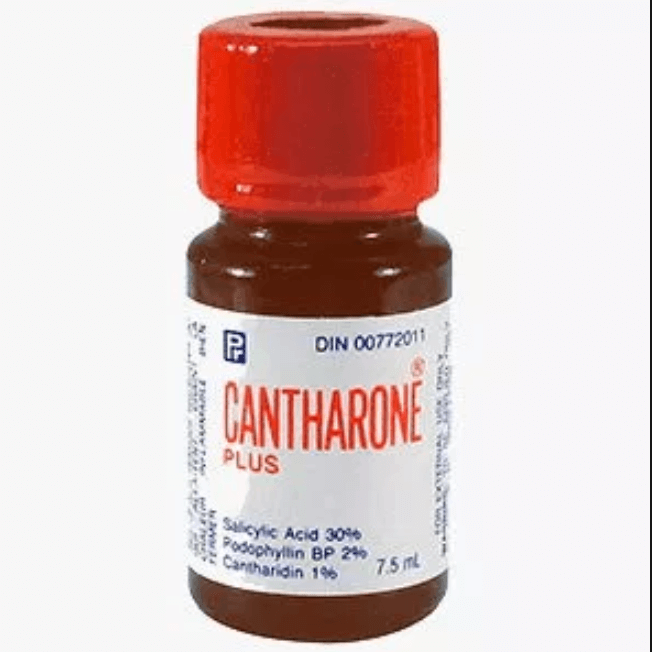
We have found over the years that kids do not like freezing, especially freezing plantar warts. Children remember how uncomfortable or painful freezing can be. Therefore whenever possible we use cantharone plus instead of freezing. This Cantharone treatment also has the nick name of  "Beetle Juice". The cantharone comes from Blister Beetles. It is a great treatment because it is very similar clinically to freezing, but does not hurt. And we can titrate this cantharone treatment. For example if we have our patients leave the cantharone on for 1.5 hours that may be all somebody needs and also they should cause minimal discomfort in the days following treatment.


However some of our patients want the most aggressive possible treatment. Therefore may have them leave it on for 5 or 6 hours and this can cause more discomfort for several days afterwards as it can cause a very deep blood blister. This is similar to what would happen with freezing but again there is no pain with the initial treatment with the cantharone and the freezing is very uncomfortable.  

If one of your children has plantar verruca that are difficult to treat we would be happy to see them. Either myself Dr. Timothy Young or my partner Dr. Brandon Nelson would be happy to see them. Give us a call at 425-391-8666 or make an appointment online today.

Friday, 21 September 2018 11:03

Treatment Options for Bunions

Bunion

Bunions are a challenging foot condition for any patient. They can be extremely uncomfortable with certain activities as well as certain shoe gear. The majority of patients experience pain around the big toe joint or the bottom of the second toe. The bunion is really just a sign of mechanical instability of the inside of the foot complicated by genetic foot structure. We see quite a few patients that are curious about conservative measures and how they can fix the bunion deformity. It is a very important topic to touch on, as conservative measures will never reduce the bunion deformity.

The bunion deformity itself is related to the alignment of the bones of the feet and no amount of taping stretching or splinting will ever change it. With that being said there are some conservative measures that can be employed that will slow down the progression of a bunion. But, the only way to fix a bunion is through surgical intervention. With proper procedure selection, the recurrence rates are rare. The majority of bunion procedures take less than 2 hours to fix and patients can walk on the bunion procedure after correction.

Our clinic performs bunion surgery every Monday. We have an on-site surgery center which is a huge cost savings and time savings. We can often provide same-day bunion consultations and are happy to describe all conservative measures and surgical approaches to helping resolve your bunion pain.

If you are experiencing bunion pain, give us a call today at 425-391-8666 or contact us online for an appointment.

Friday, 14 September 2018 10:59

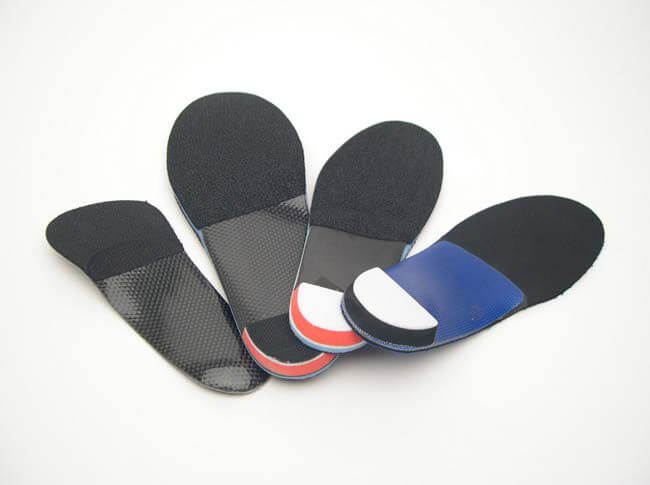
Prescription Orthotics vs Custom Inserts

I get a lot of questions about prescription orthotics vs a custom insert or an over the counter foot bed. The difference is apples and oranges; one is made by a doctor, the other is sold by a shoe store. A prescription orthotic can only be prescribed and fit by a foot and ankle physician. The average foot and ankle physician or podiatrist will have completed 4 years of podiatric medical school and another 3 years of residency. A podiatric physician is the foremost expert on foot and ankle biomechanics and provides the highest quality foot and ankle care.

Typically for a prescription orthotic, a complete medical history is performed, x-rays, a biomechanical evaluation a gait analysis and a 3-D image of both feet is taken. The podiatric physician then combines their years of knowledge and your pathology to make a device that can helps control your foot and ankle pathology. An over the counter inserts or custom insert has no scientific research to support it and is a piece of plastic sold to try and fool the general public. Additionally the average insert ranges from 60-1000 dollars and the prescription orthotic usually has insurance coverage as it is made by a physician. Do not be fooled by a shoe store or advertisement that takes advantage of the general public if you have foot or ankle issues have it evaluated by a podiatric physician .

Give us a call at 425-391-8666 or contact us online for an appointment today. Both myself, Dr. Brandon Nelson, and my partner, Dr. Timothy Young, will be happy to assist you.

Friday, 14 September 2018 10:56

Resistant Plantar Warts

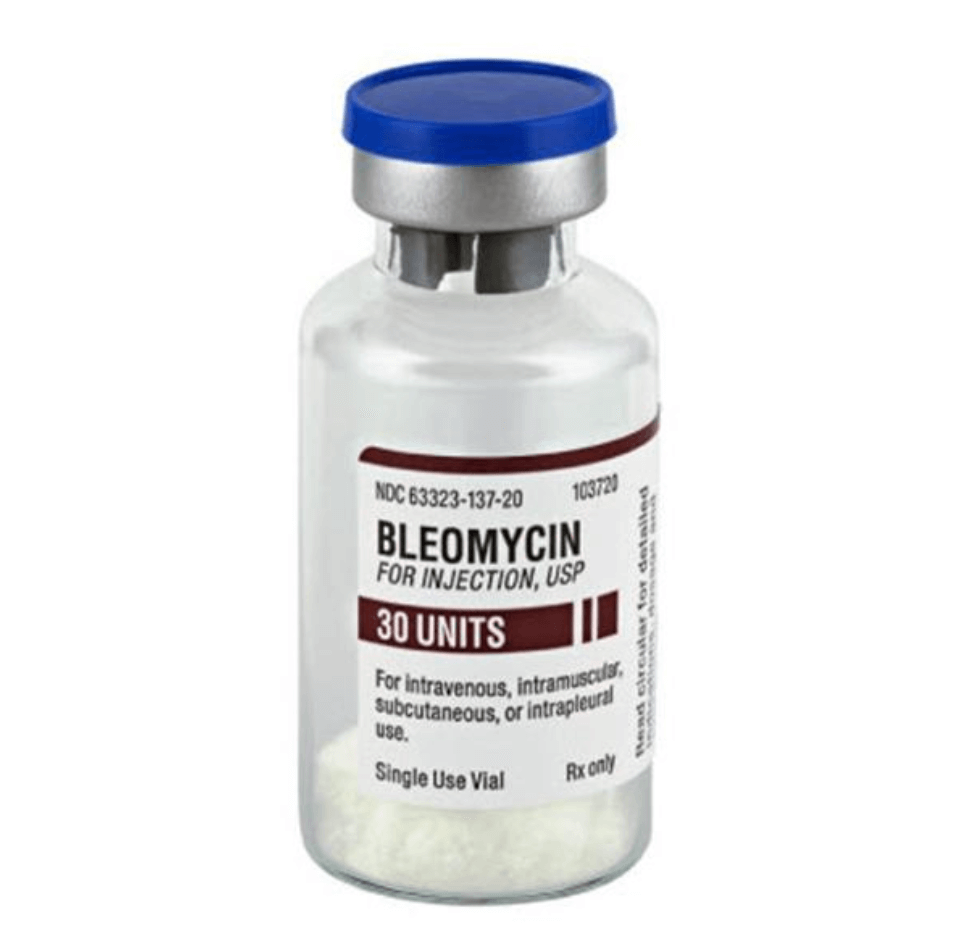
Over the years we have developed protocols for treating resistant plantar verruca or plantar warts. We have become a resource for the local medical community. For example a family doctor was not able to successfully treat warts with liquid nitrogen will send their patient to our clinic. We have found that warts do not always respond to traditional treatments such as liquid nitrogen freezing, canthrone (or beetle juice), topical salicylic acid and other local treatments. With these patients we may have to do additional treatment measures. One example of an aggressive treatment is bleomycin. Bleomycin is a chemotherapy medication to target the blood supply for the verruca. Plantar warts or verruca are like a parasite. They want their own blood supply.  


This phenomenon is called angioneogenesis.  The bleomycin is highly effective. We save it in reserve for plantar verruca that do not respond to traditional measures. Another option is injections of Candida albicans antigen. We inject 0.3 cc of the Candida antigen directly adjacent to the verruca. This can be done sequentially over the period of several weeks and also can be combined with other treatments. Surgical excision is yet another option.  


If you or a family member has plantar warts that have been resistant to treatment please let us know. Either myself, Dr. Timothy Young, or my partner Dr. Brandon Nelson would be happy to see you.  We have developed these highly effective treatment protocols.
 

Give us a call at 425-391-8666 or contact us online for an appointment.

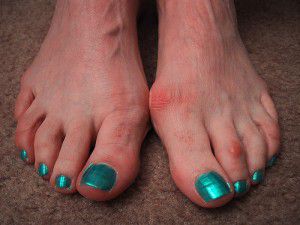
Bunions can prove painful, get bunion treatments from the Washington Bunion Center

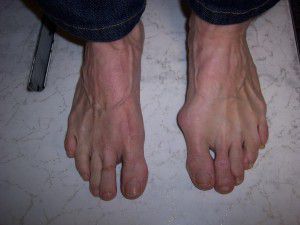
The great toe with the bunion often goes underneath the second toe. As part of this the second toe further deviates out of alignment toward and sometimes over the second toe in combination. The second toe can gets so bad that we call it a crossover toe. When this happens, it's difficult to treat this without surgical repair. The surgical repair again involves repairing the bunion and the alignment of the great toe itself. As far as repairing the second toe. This often involves shortening the metatarsal and shifting it to help get the second toe back in alignment.

This is called a Weil osteotomy. The second metatarsal head is shifted in the same direction that the toe is deviated. This tends to get that joint–the second MTP joint back into alignment and straighten the crossover toe. This is always a challenging condition and it's not uncommon to have to pin the joint after the correction is done. We often have to do capsule work in the second MTP joint also to help release the tight contractures here and scar tissue. If you have concerns regarding bunions or second toe problems or even capsulitis specifically, we would be happy to see you in consultation either myself, or my partner Dr. Nelson.

If you are experiencing foot or ankle pain, give us a call at 425-391-8666 or contact us online for an appointment.

5 out of 5 stars
Total Reviews : 274