




August 2024
Causes and Symptoms of a Broken Pinky Toe

A broken pinky toe, or 5th phalangeal fracture, can occur due to various reasons such as stubbing the toe against furniture or dropping something heavy on it. Symptoms typically include immediate pain, swelling, bruising, and difficulty in moving the toe. Types of fractures can range from minor hairline cracks to complete breaks that displace the bone. Stress fractures develop gradually from repetitive stress, while traumatic fractures occur suddenly from impact or trauma. Diagnosing a broken pinky toe involves a physical examination and possibly imaging tests like X-rays to determine the extent of the injury. Treatment usually involves rest, elevation to reduce the swelling, and buddy taping the toe to its neighbor toe for support. Severe fractures may require immobilization with a splint or walking boot, and in rare cases, surgery to realign the bones for proper healing. If you have endured a broken pinky toe, it is suggested that you consult a podiatrist who can provide you with the appropriate treatment method.
Broken toes may cause a lot of pain and should be treated as soon as possible. If you have any concerns about your feet, contact the podiatrists from Issaquah Foot & Ankle Specialists. Our doctors will treat your foot and ankle needs.
What Is a Broken Toe?
A broken toe occurs when one or more of the toe bones of the foot are broken after an injury. Injuries such as stubbing your toe or dropping a heavy object on it may cause a toe fracture.
Symptoms of a Broken Toe
- Swelling
- Pain (with/without wearing shoes)
- Stiffness
- Nail Injury
Although the injured toe should be monitored daily, it is especially important to have a podiatrist look at your toe if you have severe symptoms. Some of these symptoms include worsening or new pain that is not relieved with medication, sores, redness, or open wounds near the toe.
If you have any questions please feel free to contact one of our offices located in Issaquah, WA . We offer the newest diagnostic tools and technology to treat your foot and ankle needs.
Common Causes of Swollen Ankles
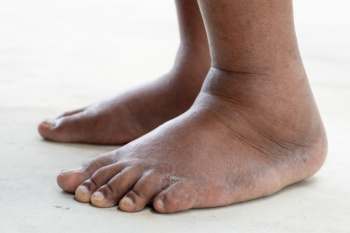 Ankle swelling, also known as edema, is a familiar condition caused by various factors. The most frequent sources include injuries, such as sprains or fractures, which lead to inflammation and fluid accumulation. Prolonged standing or sitting, especially in hot weather, can also cause swelling due to fluid pooling in the lower extremities. Medical conditions like heart failure, kidney disease, or liver disease can contribute to fluid retention and subsequent swelling. Additionally, chronic venous insufficiency and certain medications, such as those for high blood pressure, can result in ankle swelling. To address ankle swelling, elevate the legs to reduce fluid buildup and improve circulation. Compression socks can help prevent fluid accumulation, while regular movement and exercise promote blood flow. Maintaining a low-sodium diet can also help to manage fluid retention. If you have swelling in your ankles that persists, or that is accompanied by pain, redness, or warmth, it is suggested that you schedule an appointment with a podiatrist for a proper diagnosis and treatment plan.
Swollen feet can be a sign of an underlying condition. If you have any concerns, contact the podiatrists of Issaquah Foot & Ankle Specialists. Our doctors can provide the care you need to keep you pain-free and on your feet.
Swollen feet are a common ailment among pregnant women and people who stand or sit for extended periods. Aging may increase the possibility of swollen feet and patients who are obese often notice when their feet are swelling too. There may be medical reasons why swollen feet occur:
- Phlebitis - A condition that causes the veins to become inflamed and can also cause leg pain.
- Liver disease - This may lead to low blood levels of albumin which is a protein. This can cause fluid in the blood to pass into the tissues and several areas of the body can become swollen.
- Heart failure - When the heart doesn’t pump properly the blood that is normally pumped back to the heart can pool in the veins of the legs causing swollen feet.
- Kidney disease - One of the main functions of the kidneys is releasing excess fluid in the body. This type of condition can make it difficult for the kidneys to function properly, and as a result the feet may become swollen.
- Deep-vein thrombosis (DVT)- This is a serious condition where blood clots form in the veins of the legs. They can block the return of blood from the legs to the heart which may cause the feet to swell. It is important to be treated by a podiatrist if this condition is present.
Swollen feet can also be caused by bone and tendon conditions, including fractures, arthritis, and tendinitis. Additionally, there may be skin and toenail conditions and an infection may cause the feet to swell. Patients who take medicine to treat high blood pressure may be prone to getting swollen feet.
Many patients elevate their feet to help relieve the swelling and this is generally a temporary remedy. When a podiatrist is consulted the reason behind the swelling can be uncovered and subsequently treated.
If you have any questions please contact one of our offices located in Issaquah, WA . We offer the newest diagnostic and treatment technologies for all your foot and ankle needs.
Custom Orthotics For Teen Athletes

Parents, support your athletic teens with Custom Orthotics! As they excel in sports and activities, their feet need optimal care. Custom Orthotics provide the right alignment, reducing fatigue and enhancing performance. They help absorb shocks, minimize injuries, and cater to their unique foot structure. Don't let foot discomfort sideline their passion. Invest in their comfort and athletic future by choosing Custom Orthotics from our office. Call today for an appointment.
Preventing and Managing Ankle Pain in Runners

Ankle pain in runners can stem from overuse, improper technique, or weakness in the ankle joint. To prevent and manage this discomfort, it is essential to focus on strengthening and balancing exercises. Strengthening the ankle involves exercises such as calf raises and resistance band exercises that target the muscles around the joint, enhancing stability and reducing the risk of injuries. Balance training plays a vital role in preventing ankle pain. It involves exercises that improve proprioception and coordination, such as standing on one foot or using a balance board. Incorporating these practices into your routine can improve joint stability and overall foot alignment. Additionally, wearing supportive footwear and gradually increasing mileage can help to reduce strain on the ankles. If you are experiencing from ankle pain from running, it is suggested that you visit a podiatrist for effective treatment solutions.
Ankle pain can be caused by a number of problems and may be potentially serious. If you have ankle pain, consult with the podiatrists from Issaquah Foot & Ankle Specialists. Our doctors will assess your condition and provide you with quality foot and ankle treatment.
Ankle pain is any condition that causes pain in the ankle. Due to the fact that the ankle consists of tendons, muscles, bones, and ligaments, ankle pain can come from a number of different conditions.
Causes
The most common causes of ankle pain include:
- Types of arthritis (rheumatoid, osteoarthritis, and gout)
- Ankle sprains
- Broken ankles
- Achilles tendonitis
- Achilles tendon rupture
- Stress fractures
- Bursitis
- Tarsal tunnel syndrome
- Plantar fasciitis
Symptoms
Symptoms of ankle injury vary based upon the condition. Pain may include general pain and discomfort, swelling, aching, redness, bruising, burning or stabbing sensations, and/or loss of sensation.
Diagnosis
Due to the wide variety of potential causes of ankle pain, podiatrists will utilize a number of different methods to properly diagnose ankle pain. This can include asking for personal and family medical histories and of any recent injuries. Further diagnosis may include sensation tests, a physical examination, and potentially x-rays or other imaging tests.
Treatment
Just as the range of causes varies widely, so do treatments. Some more common treatments are rest, ice packs, keeping pressure off the foot, orthotics and braces, medication for inflammation and pain, and surgery.
If you have any questions please feel free to contact one of our offices located in Issaquah, WA . We offer the newest diagnostic tools and technology to treat your foot and ankle needs.
Custom Orthotics Versus Surgical Interventions in Treatment
 Custom orthotics are a valuable conservative treatment option for managing foot and ankle issues, providing effective relief without the need for invasive procedures. These specially designed devices offer tailored support and correction, addressing such conditions as plantar fasciitis, Achilles tendonitis, and flat feet. By redistributing pressure and improving alignment, custom orthotics help reduce pain and prevent further complications. Compared to surgical intervention, custom orthotics are a non-invasive and cost-effective solution. For example, instead of opting for plantar fasciitis surgery, patients can use orthotics to alleviate strain on the plantar fascia, promoting healing and reducing discomfort. Similarly, for those with Achilles tendonitis, orthotics can provide necessary support to the Achilles tendon, enhancing recovery and preventing re-injury. Custom orthotics also help manage conditions like arthritis by reducing joint stress and improving mobility. If you have foot or ankle pain, it is suggested that you make an appointment with a podiatrist for a thorough evaluation and custom orthotics fitting before considering more invasive treatment.
Custom orthotics play an important role in preventing and treating foot and ankle injuries by providing personalized support that aligns with the unique structure of each foot. These specially designed devices help correct biomechanical imbalances, reduce pressure on sensitive areas, and improve stability during movement. When the feet are properly supported, the risk of developing conditions such as plantar fasciitis, Achilles tendinitis, and ankle sprains can be significantly reduced. Custom orthotics also help relieve discomfort caused by having flat feet, high arches, or uneven leg length, which may contribute to recurring injuries or pain.
Foot and ankle injuries can develop gradually from repetitive strain or occur suddenly during physical activity. Without proper treatment, these injuries can affect mobility and overall quality of life. Orthotics work to redistribute weight evenly across the foot, allowing joints and muscles to function more efficiently. This not only supports recovery from injury but can also prevent future problems by promoting better posture and alignment throughout the lower body.
Unlike over-the-counter inserts, custom orthotics are designed based on a detailed evaluation of each patient’s foot structure, gait, and medical needs. Podiatrists use advanced imaging and diagnostic tools to create orthotics that fit precisely and provide targeted correction. Whether used in everyday footwear or athletic shoes, custom orthotics can improve comfort, enhance performance, and support long-term foot health.
If you are experiencing foot or ankle pain or have sustained an injury that has not improved with rest, it is suggested that you schedule an appointment with a podiatrist. Call our office for more information or to make an appointment.
If you have any questions, please feel free to contact one of our offices located in Issaquah, WA .
Achilles Tendon Injuries and the Thompson Test

Achilles tendon pain can significantly affect mobility and daily activities. The Achilles tendon, which connects the calf muscles to the heel, plays a vital role in walking, running, and jumping. When pain occurs, it can indicate conditions ranging from tendonitis to a complete rupture. One method podiatrists use to diagnose an Achilles tendon rupture is the Thompson test. The patient lies prone with their foot hanging off the edge of the exam table. The podiatrist then squeezes the calf muscles. If the Achilles tendon is intact, the foot will flex downward naturally. If it does not respond, the lack of movement suggests a complete rupture. Untreated Achilles tendon issues can lead to prolonged discomfort and further injury. A podiatrist not only performs diagnostic tests, such as the Thompson test, but also provides comprehensive treatment tailored to the specific condition. If you are experiencing Achilles tendon pain, it is suggested that you schedule an appointment with a podiatrist for an exam, diagnosis, and treatment options.
Achilles tendon injuries need immediate attention to avoid future complications. If you have any concerns, contact the podiatrists of Issaquah Foot & Ankle Specialists. Our doctors can provide the care you need to keep you pain-free and on your feet.
What Is the Achilles Tendon?
The Achilles tendon is a tendon that connects the lower leg muscles and calf to the heel of the foot. It is the strongest tendon in the human body and is essential for making movement possible. Because this tendon is such an integral part of the body, any injuries to it can create immense difficulties and should immediately be presented to a doctor.
What Are the Symptoms of an Achilles Tendon Injury?
There are various types of injuries that can affect the Achilles tendon. The two most common injuries are Achilles tendinitis and ruptures of the tendon.
Achilles Tendinitis Symptoms
- Inflammation
- Dull to severe pain
- Increased blood flow to the tendon
- Thickening of the tendon
Rupture Symptoms
- Extreme pain and swelling in the foot
- Total immobility
Treatment and Prevention
Achilles tendon injuries are diagnosed by a thorough physical evaluation, which can include an MRI. Treatment involves rest, physical therapy, and in some cases, surgery. However, various preventative measures can be taken to avoid these injuries, such as:
- Thorough stretching of the tendon before and after exercise
- Strengthening exercises like calf raises, squats, leg curls, leg extensions, leg raises, lunges, and leg presses
If you have any questions please feel free to contact one of our offices located in Issaquah, WA . We offer the newest diagnostic tools and technology to treat your foot and ankle needs.
Are Bunions Affecting Your Everyday Life?

Have you noticed a bony protrusion on the side of your big toe? If so, you may have developed the foot condition known as a bunion. Don't let bunions interfere with your daily activities.
