




December 2022
Certain Medical Conditions May Cause Cracked Heels
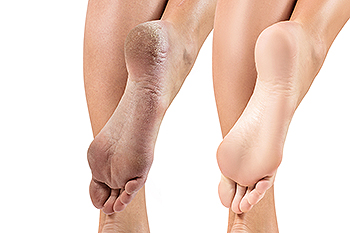
Cracked heels is a common foot condition that is unsightly and often causes pain and discomfort. There are several reasons for cracked heels to develop. Once this is known, effective preventive methods can be implemented. Weight gain, walking barefoot, or standing on hard surfaces for the majority of the day may cause cracked heels. Remedies can include having extra cushioning in the shoes if it is mandatory to stand all day, losing added weight, and wearing shoes that can protect the feet from outside environments. Some people have medical conditions that may lead to getting cracked heels, consisting of psoriasis or eczema. Taking prescribed medications may help the body’s immune system to improve, which may prevent cracked heels. If you have developed this condition, it is urged that you seek the counsel of a podiatrist who can recommend relief options, and inform you of additional prevention techniques.
If the skin on your feet starts to crack, you may want to see a podiatrist to find treatment. If you have any concerns, contact the podiatrists from Issaquah Foot & Ankle Specialists. Our doctors can provide the care you need to keep you pain-free and on your feet.
Cracked Heels
It is important to moisturize your cracked heels in order to prevent pain, bleeding, and infection. The reason cracked heels form is because the skin on the foot is too dry to support the immense pressure placed on them. When the foot expands, the dry skin on the foot begins to split.
Ways to Help Heal Them
- Invest in a good foot cream
- Try Using Petroleum Jelly
- Ease up on Soaps
- Drink Plenty of Water
Ways to Prevent Cracked Heels
- Moisturize After Showering
- Skip a Shower
- Keep Shower Water Lukewarm
- Don’t Scrub Your Feet
If you are unsure how to proceed in treating cracked heels, seek guidance from a podiatrist. Your doctor will help you with any questions or information you may need.
If you have any questions, please feel free to contact one of our offices located in Issaquah, WA . We offer the newest diagnostic and treatment technologies for all your foot care needs.
Should My Child Wear Shoes at an Early Age?

Research has shown the average child takes approximately 20,000 steps per day, triggering the thought process for parents to choose the right shoes for their child. This can help to support and protect the child’s feet as they grow older. Many parents feel it is best if their child walks barefoot while indoors, which may help to strengthen the feet. The toes can become stronger from gripping the floor, and this can positively affect balance. Some parents believe that foot and toe deformities can come from wearing shoes at an early age, and they may encourage their children to walk barefoot while indoors and outdoors. When the first shoes are purchased for protection against the outside elements, it is beneficial that the shoes are flexible, lightweight, and have a strong and stable structure. Children’s feet grow at an accelerated speed, and it is suggested that their feet are often measured, which can determine the correct shoe size. If you have questions about what type of shoes to buy for your child, please contact a podiatrist who can address any concerns you may have.
The health of a child’s feet is vital to their overall well-being. If you have any questions regarding foot health, contact the podiatrists of Issaquah Foot & Ankle Specialists. Our doctors can provide the care you need to keep you pain-free and on your feet.
Tips for Keeping Children's Feet Healthy
- Make sure their shoes fit properly
- Look for any signs of in-toeing or out-toeing
- Check to see if they have Clubfoot (condition that affects your child’s foot and ankle, twisting the heel and toes inward) which is one of the most common nonmajor birth defects.
- Lightly cover your baby’s feet (Tight covers may keep your baby from moving their feet freely, and could prevent normal development)
- Allow your toddler to go shoeless (Shoes can be restricting for a young child’s foot)
- Cut toenails straight across to avoid ingrown toenails
- Keep your child’s foot clean and dry
- Cover cuts and scrapes. Wash any scratches with soap and water and cover them with a bandage until they’ve healed.
If you have any questions, please feel free to contact one of our offices located in Issaquah, WA . We offer the newest diagnostic and treatment technologies for all your foot care needs.
Causes of Burning Feet Syndrome
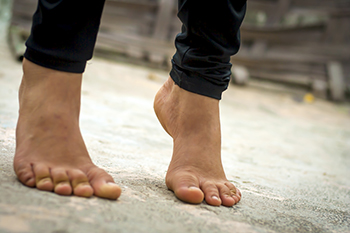
A burning sensation in the feet, especially at night, may indicate certain serious underlying conditions that should not be ignored. One of the main causes of burning feet is peripheral neuropathy, nerve damage that is common among diabetics. Neuropathy also may be the result of overconsumption of alcohol or a deficiency in B vitamins, as well as other conditions. When the nerves in the lower extremities are damaged, they send mixed signals to the feet that generate a burning sensation. Peripheral artery disease is another cause of burning feet. Poor circulation to the feet can trigger pain, tingling and burning, especially when walking. Burning generally starts in the sole of the foot and travels upward toward the ankle. Symptoms usually worsen at night. Treatment for burning feet starts with eliminating the causes, the most common of which are high blood sugar and extreme use of alcohol. Certain medications are available that can help to alleviate symptoms of burning feet. If burning feet are inhibiting your daily life, it is a good idea to consult a podiatrist for an examination, a diagnosis, and treatment options that are best for you.
Foot Pain
Foot pain can be extremely painful and debilitating. If you have a foot pain, consult with the podiatrists from Issaquah Foot & Ankle Specialists. Our doctors will assess your condition and provide you with quality foot and ankle treatment.
Causes
Foot pain is a very broad condition that could be caused by one or more ailments. The most common include:
- Bunions
- Hammertoes
- Plantar Fasciitis
- Bone Spurs
- Corns
- Tarsal Tunnel Syndrome
- Ingrown Toenails
- Arthritis (such as Gout, Rheumatoid, and Osteoarthritis)
- Flat Feet
- Injury (from stress fractures, broken toe, foot, ankle, Achilles tendon ruptures, and sprains)
- And more
Diagnosis
To figure out the cause of foot pain, podiatrists utilize several different methods. This can range from simple visual inspections and sensation tests to X-rays and MRI scans. Prior medical history, family medical history, and any recent physical traumatic events will all be taken into consideration for a proper diagnosis.
Treatment
Treatment depends upon the cause of the foot pain. Whether it is resting, staying off the foot, or having surgery; podiatrists have a number of treatment options available for foot pain.
If you have any questions, please feel free to contact one of our offices located in Issaquah, WA . We offer the newest diagnostic and treatment technologies for all your foot care needs.
Plantar Warts Can Be Treated!

Plantar warts are small growths that develop on parts of the feet that bear weight. They're typically found on the bottom of the foot. Don't live with plantar warts, and call us today!
Reasons for Ingrown Toenails

An ingrown toenail is often difficult to ignore. It is easy to notice, as the nail grows into the skin instead of over it. The symptoms include severe pain where the nail meets the skin, and it is often red and swollen. Shoes may be painful to wear, and relief is often sought. A temporary remedy consists of soaking the affected foot in warm water, and this can help to soften the skin. At this point, a small piece of cotton can be used to gently pull the skin away from the nail. The pain can return once the skin has hardened, and it is advised to seek professional medical attention which can help to provide a permanent solution. A common reason why ingrown toenails develop can be from the shoes that are worn, which may be too tight. Additionally, it may happen from trimming the toenails incorrectly, possibly causing the nail to cut into the skin. If you have developed this painful foot condition, it is strongly suggested that you confer with a podiatrist who can provide effective treatment methods and relieve painful symptoms.
Ingrown toenails can become painful if they are not treated properly. For more information about ingrown toenails, contact the podiatrists of Issaquah Foot & Ankle Specialists. Our doctors can provide the care you need to keep you pain-free and on your feet.
Ingrown Toenails
Ingrown toenails occur when a toenail grows sideways into the bed of the nail, causing pain, swelling, and possibly infection.
Causes
- Bacterial infections
- Improper nail cutting such as cutting it too short or not straight across
- Trauma to the toe, such as stubbing, which causes the nail to grow back irregularly
- Ill-fitting shoes that bunch the toes too close together
- Genetic predisposition
Prevention
Wearing proper fitting shoes and using proper cutting techniques will also help decrease your risk of developing ingrown toenails.
Treatment
Ingrown toenails are a very treatable foot condition. In minor cases, soaking the affected area in salt or antibacterial soaps will not only help with the ingrown nail itself, but also help prevent any infections from occurring. In more severe cases, surgery is an option. In either case, speaking to your podiatrist about this condition will help you get a better understanding of specific treatment options that are right for you.
If you have any questions, please feel free to contact one of our offices located in Issaquah, WA . We offer the newest diagnostic and treatment technologies for all your foot care needs.
