

March 2019

Friday, 29 March 2019 03:27

Equinus Part 2

How does a large calf muscle mimic a tight Achilles and equinus? Some individuals just have a relatively large calf muscle. All that extra muscle mass can exert a disproportionate mechanical pull on the Achilles tendon and ultimately during gait this scenario can have a similar effect to a tight calf muscle (equinus). The constant pulling on the foot can lead to the same problems that an individual with a tight calf muscle or gastroc equinus has.

Those individuals are prone to plantar fasciitis, and forefoot problems. Stretching the calf muscle is always a good idea and especially with these individuals. If an individual is unlucky enough to have both a large strong calf muscle and a tight calf muscle it really compounds the problems for foot biomechanics. These individuals are extremely prone to problems including plantar fasciitis and forefoot problems. There are also prone to mid foot problems. If you are experiencing foot or ankle pain, give us a call at 425-391-8666 or make an appointment online. 
Friday, 22 March 2019 02:08

Equinus Part 1

Basically equinus means a tight calf (or tight Achilles) and the tendency to have limited ankle joint range of motion.This can be similar to a person wearing high-heeled shoes and the heel is off the ground or quickly elevates off the ground during gait and weight is rapidly transferred to the ball the foot.This also means there is limited ability of the ankle and its ability to flex upward with the top of the foot toward the front of the leg.The ball of the foot which would include the weightbearing metatarsals in the forefoot, receive much more stress load than they are designed to take.The load is increased faster than normal and during a normal gait cycle they receive a disproportionate amount of weightbearing time and force.

So if there is any slight imbalance on the ball the foot, the equinus force will result in increased stress load in the wrong place.A very similar condition can result when patient presents with large muscular calves and all that muscle bulk has the tendency to pull the heel up quickly.Some individuals and especially some children are "toe walkers". Either they walk around on the ball of her feet or as they are walking that heel comes up quite quickly or they have a "bouncy" gait were the heel just rapidly lifts up.There can be a gastrocnemius equinus or shortening of the gastroc muscle or a combination of gastrocnemius and soleus muscle equinus.Gastrocnemius equinus seems to be the most common.

If you are experience foot or heel pain, give us a call at 425-391-8666 or make an appointment online today.

Friday, 15 March 2019 12:07

Bone Healing After Surgery

After surgery, there is bone healing involved, such as a midfoot fusion or resetting of the bone – and osteotomy. The big question is when has that bone healed enough that you can put full weight on it without a regular cast or even a cast boot. We always check this with x-rays. X-rays are helpful but seem to lag behind what’s actually going on deep inside. This lag can be several weeks or longer.


So I often use ultrasound to look inside. The ultrasound image will go to the soft tissue and stop at the bone. But if there’s a small gap at the plant fusion site it will show this. If there’s some areas of bridging it will also show that. I will look around the fusion site or osteotomy site circumferentially and if I see areas of definitive bridging that is a very good sign that often is weeks ahead of the x-ray image.

Friday, 15 March 2019 12:05

Cartiva Implant for Big Toe Arthritis

One of the latest procedures for arthritis of the big toe involves the use of an implant to eliminate pain and maintain motion. Traditionally, we have elected to fuse or arthrodesis the big toe. However this gold standard is shifting. A lot of patients want to maintain motion or movement of the big toe for activities like yoga. We are seeing quite a few patients elect for an implant of the big toe instead of the fusion.

The recovery is much quicker, the procedure takes less time and is less invasive. We are seeing promising results with the Cartiva Implant and are excited to be offering this at our clinic. With our own surgery center we can provide a significant time and cost savings. Instead of patients staying at the hospital for half a day we can usually get patients in and out in hours. The Cartiva is a great advancement in the care of the arthritic joint and we are excited to see where it take our patients. Give us a call at 425-391-8666 or make an appointment online today.

Friday, 08 March 2019 12:04

Removal of Screws in the Foot and Ankle

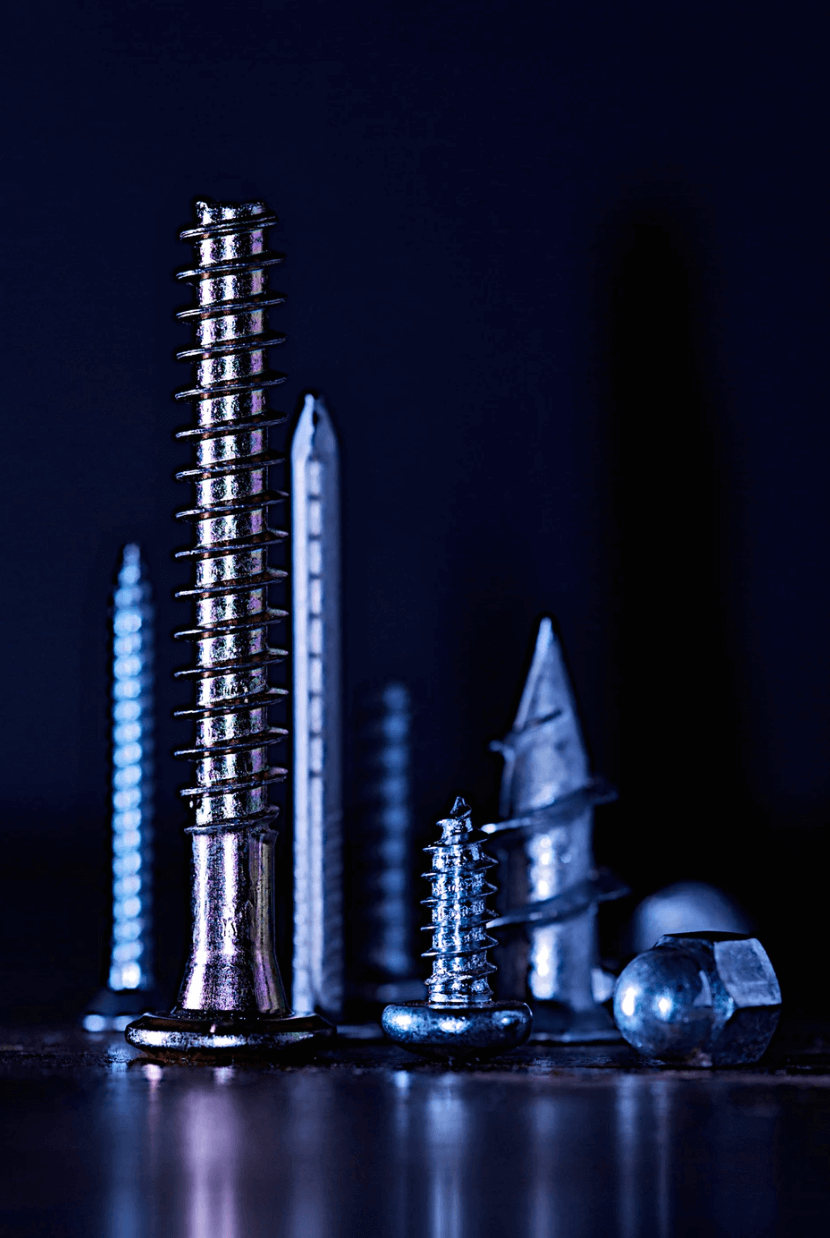
After some types of foot or ankle surgery there will be hardware used such as screws or plates. When removing the screws it can be helpful to plan out the exact location of the head of the screw so that the skin incision can be smaller and more precisely located. Therefore there often is faster healing with a smaller wound (and scar) and less postoperative symptoms or pain.


So I often use ultrasound imaging prior to the surgery and map out the location of the screw head. I also sometimes will use fluoroscopy and place a metallic reference-object over the skin when I do the floroscopic image. Again with either one I can plan ahead prior to surgery for shorter surgical time itself and a less involved procedure.

Friday, 08 March 2019 10:26

Cortisone Injections Of Plantar Fasciiti

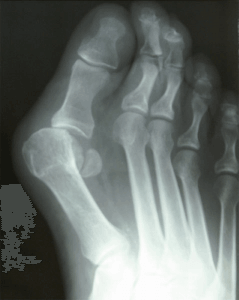
Bunion xray


Can you have both the bunion and a ganglion cyst in the same location?


The answer is yes. A ganglion cyst is a cyst that is filled with a viscous clear fluid. This fluid usually comes from an underlying joint or tendon sheath. With a traditional bunion, the great toe starts deviating laterally, and therefore the medial capsule becomes thinner. This thinning capsule is also weaker and it's easier for the inner fluid to herniate out starting the ganglion cyst structure. On x-ray there will be a bunion but increased soft tissue density or thickness of the soft tissue structures over the bunion itself. This ganglion cyst can also be diagnosed with ultrasound imaging. In some cases, the cyst will be soft and compressible on top of the bunion and will seem spongy to exam or palpation. 


The ganglion cyst superimposed over the bunion will also make the bunion look worse than the bunion really is structurally. Therefore with an x-ray, one will appreciate the bunion just does not look as bad as you expect compared to when you look at your foot. If you have a bunion or a cyst-like growth on your foot and would like further evaluation please let us know. Either myself Dr. Timothy Young, or my partner Dr. Brandon Nelson would be happy to evaluate this. We have on-site x-rays and ultrasound imaging if necessary. Give us a call at 425-391-8666 or make an appointment online today.

Friday, 01 March 2019 12:00

How to Fix Hammertoes

Hammertoes are a common pathology of the lower extremity. Quite a few people have a bunion associated with hammertoes and this makes it a little more challenging to fix. The hammertoe can be created from a much different pathology. The most common pathology, however, is from a compensatory mechanism to stabilize the foot structure. The most common being the flexor tendons on the bottom of the foot firing to help control somebody with flatfoot for an unstable arch.

Hammertoes can be broken down and into different types, one being a flexible hammertoe deformity and the second being a fixed hammertoe deformity. Flexible hammertoe deformities are often amenable to conservative measures like calf stretching and bracing. However the majority of fixed hammertoes require surgical intervention. There are many different types of procedures that can be done for hammertoes and the majorities are done in outpatient procedure setting and can be performed in less than 30 minutes. Hammertoes can continue to progress so early intervention is key to slowing down the deformity itself. Make an appointment to see a foot and ankle specialist today or give us a call at 425-391-8666.

5 out of 5 stars
Total Reviews : 268