




December 2023
Dr Brandon Nelson, A Board-Certified Physician & Surgeon Discusses Plantar Fasciitis
Plantar fasciitis or heel pain is the most common cause to seek help from a foot and ankle physician. There are many causes of heel pain but by far the most common is plantar fasciitis. So, let’s discuss first what the plantar fascia is, second why it occur and lastly how to fix it.
What is your plantar fascia? The plantar fascia is located on the bottom of your foot. It runs the entire length of your foot from your heel to your toes. It starts with an attachment at the calcaneus, your heel bone, and runs to your metatarsal head, where your toes start. It is a thick dense fascial type of tissue. Its main function is to support your arch. It also helps flex your toes and provides stability to your foot with ambulation.
Why does plantar fasciitis happen? There are many schools of thought on this one but let’s talk about a few of the most common. The first and probably most accepted theory is overuse. The fascia never gets a chance to rest, it is the workhorse of the foot. Every step you take it is activated and over time this can fatigue the structure. Secondly foot genetics can play a role in it as well. People with a flatfoot tend to need more arch support and this can put pressure on the plantar fascia. Lastly there is a thought that tight calf muscles can pull on the fascia making it irritated. I think all of these can have merit in certain circumstances and I often see multiple etiologies.
Lastly, how do we treat plantar fasciitis? This is a more complex question. I think this one is very hard to answer as every case can be different. I think a careful history and physical is essential for proper treatment. I also find length of time and activity level to be important. But a couple general things can help like calf stretching and activity medication can be essential.
If you would like a consultation on your heel pain, I can help. Call to make an appointment with me at 425-391-8666 or schedule an appointment online today.
Sincerely,
American College of Foot & Ankle Surgeons
Dr Brandon Nelson, A Board-Certified Physician & Surgeon Discusses Heel Pain and When to See A Foot & Ankle Specialist
Are you currently suffering with heel pain? I can remember those days not long ago for me. I would wake up in the morning and that first step pain was terrible. It would take a couple minutes and it would finally loosen up only to return every time I sat down. Does this sound familiar? If so, you probably have plantar fasciitis. The big question is when to see a foot and ankle specialist, the answer is now.
The sooner you get in to seek treatment the faster your recovery will be. With procrastination the inflammation gets worse, and you will take longer to recover. I tell all my patients the sooner we initiate treatment the faster we can get you back to enjoying the things you like.
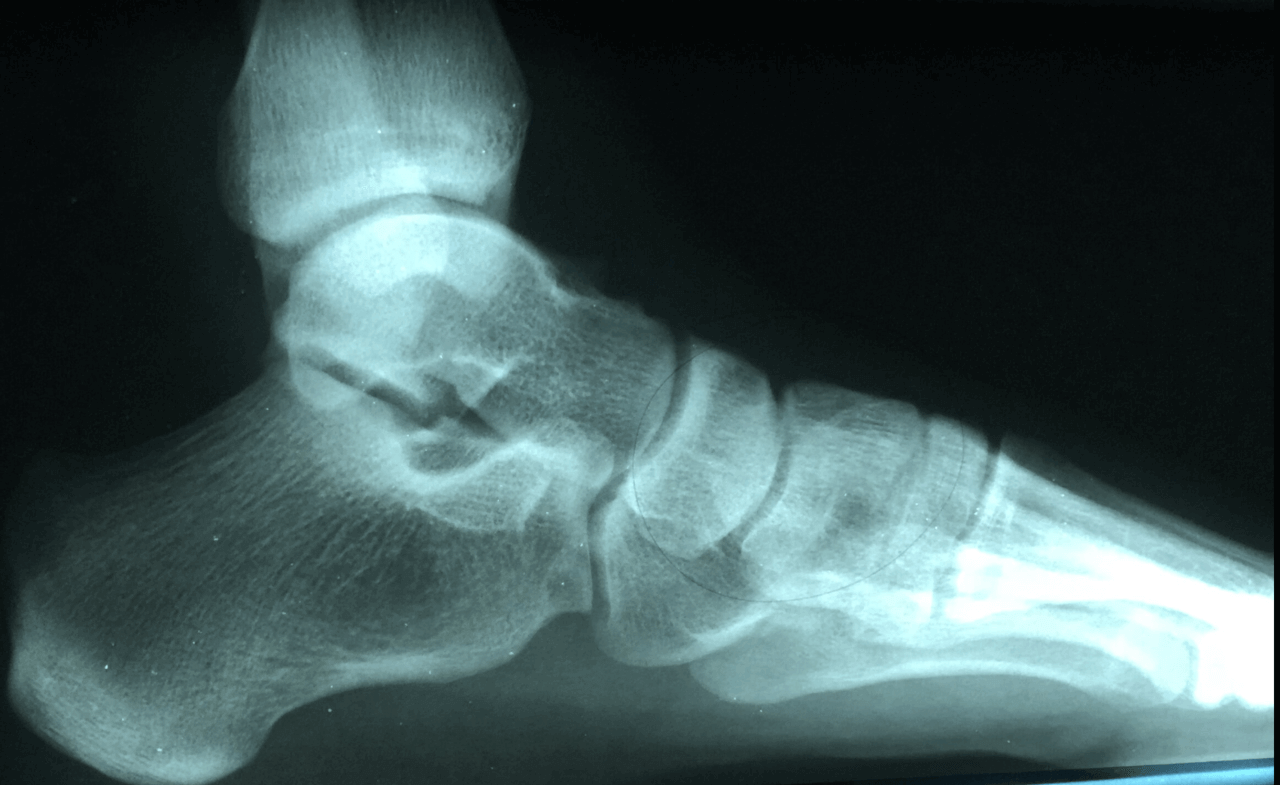
Treatment of plantar fasciitis usually starts with a review of your activities. What are you currently doing for exercise and how often? Have there been any recent changes? I like to get an x-ray to check for bone spurs and arthritis. A good overall examination of the foot structure and lower leg can be helpful along with any treatments that have been tried. If the diagnosis is still plantar fasciitis then the average patient I see will be about 50% better in less than a week with the first line of therapy.
If you have heel pain, you know how uncomfortable it can be. If you would like a consultation on your heel pain, I can help. Call to make an appointment with me at 425-391-8666 or schedule an appointment online.
Sincerely,
Dr Brandon Nelson
Achilles Tendon Bursitis
Achilles tendon bursitis is a painful condition that involves inflammation of the fluid filled sac, or bursa, located between the skin of the heel. Posterior Achilles tendon bursitis affects the back of the heel, while anterior Achilles tendon bursitis, also called retromalleolar bursitis, is felt in front of the attachment of the Achilles tendon to the heel bone. Symptoms include swelling, warmth, pain, and a tender spot at the back of the heel. Diagnosis by a podiatrist begins with a discussion of symptoms and a medical history, followed by a physical examination to identify signs of inflammation and tenderness. X-rays may be used to rule out other potential causes of heel pain, and in some cases, an ultrasound or MRI may provide more detailed views. The primary goal is to relieve inflammation and reduce pain. Treatment approaches may vary based on the severity and location of the pain. In rare cases, surgical intervention may be considered. For help in relieving the pain of Achilles tendon bursitis, it is suggested that you make an appointment with a podiatrist.
Achilles tendon injuries need immediate attention to avoid future complications. If you have any concerns, contact the podiatrists of Issaquah Foot & Ankle Specialists. Our doctors can provide the care you need to keep you pain-free and on your feet.
What Is the Achilles Tendon?
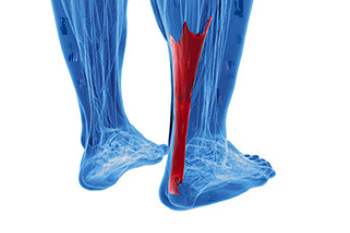
The Achilles tendon is a tendon that connects the lower leg muscles and calf to the heel of the foot. It is the strongest tendon in the human body and is essential for making movement possible. Because this tendon is such an integral part of the body, any injuries to it can create immense difficulties and should immediately be presented to a doctor.
What Are the Symptoms of an Achilles Tendon Injury?
There are various types of injuries that can affect the Achilles tendon. The two most common injuries are Achilles tendinitis and ruptures of the tendon.
Achilles Tendinitis Symptoms
- Inflammation
- Dull to severe pain
- Increased blood flow to the tendon
- Thickening of the tendon
Rupture Symptoms
- Extreme pain and swelling in the foot
- Total immobility
Treatment and Prevention
Achilles tendon injuries are diagnosed by a thorough physical evaluation, which can include an MRI. Treatment involves rest, physical therapy, and in some cases, surgery. However, various preventative measures can be taken to avoid these injuries, such as:
- Thorough stretching of the tendon before and after exercise
- Strengthening exercises like calf raises, squats, leg curls, leg extensions, leg raises, lunges, and leg presses
If you have any questions please feel free to contact one of our offices located in Issaquah, WA . We offer the newest diagnostic tools and technology to treat your foot and ankle needs.
Achilles Tendon Injuries
The Achilles tendon is the largest tendon in the body; it is a tough band of fibrous tissue that stretches from the bones of the heel to the calf muscles. This tendon is what allows us to stand on our toes while running, walking, or jumping, it is common for this tendon to become injured. In severe cases, the Achilles tendon may become partially torn or completely ruptured. However, this tendon is susceptible to injury because of its limited blood supply and the high level of tension it endures.
The people who are more likely to suffer from Achilles tendon injuries are athletes who partake in activities that require them to speed up, slow down, or pivot. Consequently, athletes who engage in running, gymnastics, dance, football, baseball, basketball, or tennis are more likely to suffer from Achilles tendon injuries. Additionally, there are other factors that may make you more prone to this injury. People who wear high heels, have flat feet, tight leg muscles or tendons, or take medicines called glucocorticoids are more likely to have Achilles tendon injuries.
A common symptom of an Achilles tendon injury is pain above the heel that is felt when you stand on your toes. However, if the tendon is ruptured, the pain will be severe, and the area may become swollen and stiff. Other symptoms may be reduced strength in the lower ankle or leg area, and reduced range of motion in the ankle. When the Achilles tendon tears, there is usually a popping sound that occurs along with it. People who have acute tears or ruptures may find walking and standing to be difficult.
If you suspect you have injured your Achilles tendon, you should see your podiatrist to have a physical examination. Your podiatrist will likely conduct a series of tests to diagnose your injury including a “calf-squeeze” test. Calf squeeze tests are performed by first squeezing the calf muscle on the healthy leg. This will pull on the tendon and consequently cause the foot to move. Afterward, the same test will be performed on the injured leg. If the tendon is torn, the foot won’t move because the calf muscle won’t be connected to the foot.
Dr Brandon Nelson, A Board Certified Physician & Surgeon, Discuss What To Expect After The Lapiplasty Bunion Correction
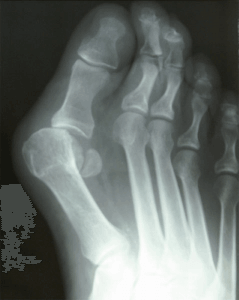
There is a lot of talk about the lapiplasty procedure for bunion correction. I think it is important to spend a minute and look at the history and what exactly the procedure is. Then we can discuss the expectations after surgery.
The lapiplasty is based on the lapidus bunionectomy. This is a procedure that was first described by Dr Paul Lapidus. This surgical correction for bunions has been around for about 100 years. It has been shown to be the most effective method to correct a bunion. The trouble with it is it can be technically difficult to perform and has a long recovery. Most of us foot and ankle surgeons trained utilizing this procedure especially if you trained on the West Coast. Seattle, where I trained is the epicenter for the lapidus procedure.
What is the lapidus procedure? The procedure itself involves correcting a bunion at the apex of the deformity. Most of us believe this is at the tarsometatarsal joint. This is where the correction occurs with the lapidus and lapiplasty. The procedure involves, releasing the 1st metatarsal joint and sesamoid, correcting the metatarsal and then fusing the tarsometatarsal joint. This fusion was the limiting step to recovery and this is where the lapiplasty surgical set has made steps to decrease healing times. Their system utilizes a plate that allows early weight bearing.
Recovery for most patients undergoing a lapiplasty can be summarized as follows;
-First week couch potato, relax put your foot up
-Week two get your dressing changed
-Week three start weight bearing in the boot
-Week 6 begin to transition out of boot into normal shoe
-Month 3 back to full activities
If you have a bunion and would like to discuss the Lapiplasty make an appointment with me at 425-391-8666 or schedule an appointment online.
Sincerely,
Board Certified Foot & Ankle Surgeon
Dr. Timothy Young, a Board-certified Foot Surgeon discusses bone spurs in the foot: Osteophytes
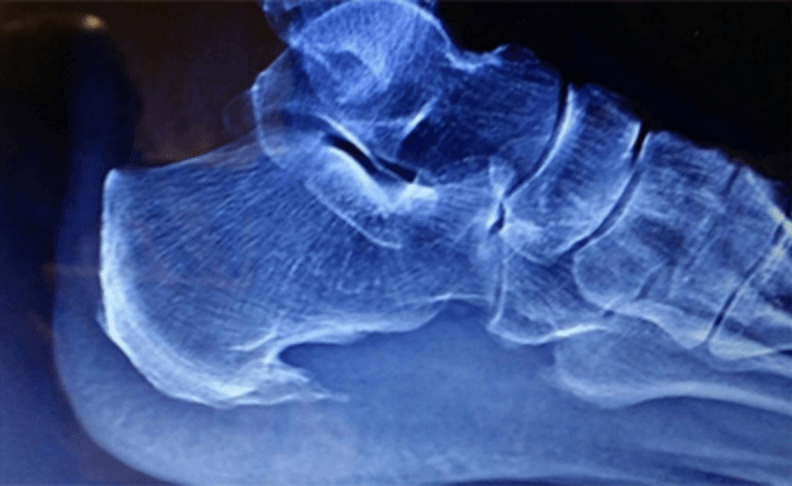
Dr. Timothy Young, a Board-certified Foot Surgeon discusses bone spurs in the foot: Osteophytes
Defining Osteophytes: Osteophytes, a subset of bone spurs, are characterized by the outgrowth of new bone on the margins of a synovial joint. They often develop in response to joint degeneration and are associated with conditions like osteoarthritis.
Locations of Foot Osteophytes:
1. Joints: Osteophytes often form on the margins of joints of the foot, impacting movement and causing pain.
2. Edges of Bones: They may also develop along the edges of bones, affecting the alignment of joints.
Causes and Risk Factors:
1. Joint Degeneration: Osteoarthritis, a common cause of bone spurs, leads to the breakdown of cartilage and prompts the body to form osteophytes.
2. Repetitive Stress: Continuous mechanical stress on specific areas of the foot, often due to poor biomechanics or ill-fitting footwear, can contribute to the development of bone spurs. This often involves the force of gravity on weight-bearing joints. A good example would be the ankle joint.
Symptoms and Diagnosis:
1. Pain: Persistent pain in the affected area, especially during movement or weight-bearing activities.
2. Reduced Range of Motion: Difficulty moving the affected joint due to the presence of bone spurs.
3. Visible Bumps: In some cases, visible or palpable bumps may be present, indicating the presence of bone spurs. A good example this would be a bump on the top the midfoot that is due to large osteophytes in this location.
4. X-rays and ultrasound: x-rays and ultrasound can show the osteophytes. It is usually not necessary to do an MRI or CT scan.
Treatment Options:
1. Conservative Measures:
- Rest, ice, compression, and elevation (R.I.C.E.).
- Orthotic inserts and supportive footwear.
2. Physical Therapy:
- Stretching and strengthening exercises.
- Therapeutic modalities to alleviate pain and inflammation.
3. Medications:
- Nonsteroidal anti-inflammatory drugs (NSAIDs) for pain management.
4. Injections: injections can deliver medication such as Supartz which is a synthetic joint lubricant. This was originally FDA approved for the knee but is now used throughout the body. For the foot and ankle, it is most commonly used in the ankle joint and the great toe joint. Cortisone is not used as often, since repetitive use can weaken the existing Cartledge and adjacent joint capsule.
- In severe cases, surgical removal of the bone spur may be considered, or in some cases the joint can be stabilized by fusing it or placing an implant in the joint.
Conclusion:
Bone spurs and osteophytes in the foot can present challenges, but with proper understanding and timely intervention, individuals can manage their symptoms effectively. If you suspect the presence of bone spurs in your foot, please contact our clinic and we can review your options.
Kidney Disease and Foot Ulcers
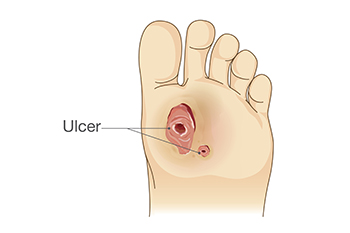
Kidney disease is a serious condition that can give rise to foot problems, primarily due to nerve and blood vessel damage. Two significant complications related to kidney disease and foot health are circulation issues and altered sensation. These changes can develop gradually, often without noticeable symptoms. One common foot problem associated with kidney complications is a foot ulcer, where the skin breaks down, exposing underlying tissue. Unfortunately, the skin's poor healing ability in some kidney disease patients makes them more susceptible to ulcers or infections, even from minor injuries. These foot ulcers can become infected, and if left untreated, may lead to severe complications, including an increased risk of heart attacks and strokes. If you have kidney disease, it is suggested that you are under the care of a podiatrist to set up regular screenings and assessments to detect any potential issues early and create a personalized treatment plan.
When dealing with systemic disease of the feet, it is extremely important to check the affected areas routinely so that any additional problems are caught quickly. If you have any concerns about your feet and ankles contact the podiatrists from Issaquah Foot & Ankle Specialists. Our doctors will assist you with all of your podiatric needs.
Systemic Diseases of the Feet
Systemic diseases affect the whole body, and symptoms usually are displayed in the feet. This condition can make a patient’s ability to walk unbearable. Systemic diseases include gout, diabetes mellitus, neurological disorders, and arthritis.
Gout – is caused by an excess of uric acid in the body. Common symptoms include pain, inflammation, and redness at the metatarsal/phalangeal joint of the base big toe. Gout can be treated by NSAIDs to relieve pain and inflammation, and other drugs that lower the acid levels in the body.
Diabetes mellitus – is an increase in the level of blood sugar that the body cannot counteract with its own insulin. Failure to produce enough insulin is a factor in Diabetes.
Diabetes of the Feet
Diabetic Neuropathy – may lead to damaged nerves and affect the feet through numbness and loss of sensation.
Peripheral Vascular Disease – can restrict the blood flow to the feet, and often times lead to amputation of the feet.
If you have any questions please contact one of our offices located in Issaquah, WA . We offer the newest diagnostic and treatment technologies for all your foot and ankle needs.
Systemic Diseases of the Foot
There are several systemic diseases, or diseases that affect the whole body, that either display symptoms in the feet or affect the health of the feet. Common systemic diseases that affect the overall health of the feet, and the patient’s ability to walk comfortably, include gout, diabetes mellitus, neurological disorders, and arthritis, among others.
In gout, which is caused by an excessive buildup of uric acid in the body, the most common symptoms of pain, inflammation, and redness occur at the metatarsal/phalangeal joint at the base of the big toe. Any excess levels of uric acid crystallize and are deposited in tendons, joints, and surrounding bone and muscle tissue. Gout is commonly treated with NSAIDs to relieve pain and inflammation and other drugs to lower uric acid levels in the body. Gout most commonly affects those who are overweight, have low protein diets and lead a more sedentary lifestyle.
Diabetes mellitus is an increase in the level of blood sugar in which the body cannot counteract with naturally occurring insulin in the body. The three types of diabetes, Type I, Type II and Gestational Diabetes, are all signs the body is either not producing enough insulin or is not efficiently using the insulin that is produced. Gestational diabetes only affects women who are pregnant and have never, prior to pregnancy, exhibited symptoms of the disease.
There are two main issues that affect the feet that are commonly caused by diabetes. They include diabetic neuropathy and peripheral vascular disease. Diabetic neuropathy can lead to damaged nerves and affect the feet through numbness and loss of sensation. Peripheral vascular disease restricts the flow of blood to the foot and can, in extreme cases, lead to the necessity of amputating the foot. Peripheral issues that are caused by diabetes and can affect the foot include athlete’s foot, nail infections, corns, blisters, bunions, severe dry skin, plantar warts and ingrown toenails. These can all be attributed to the decrease of blood flow to the foot.
Neurological disorders and rheumatoid arthritis can also have severe impact on the health of the feet. Neurological disorders can affect the nerves in the main structure of the foot and cause loss of sensation and possible decreased muscle response. Rheumatoid arthritis can affect the bones and joint structures of the foot, making it impossible to walk normally without serious pain.
All systemic diseases that affect the foot can effectively be treated to minimize joint and muscle damage if they are diagnosed early and treated with medication and lifestyle therapy. Diabetes patients must monitor their blood sugar levels and work with their physician to keep their levels as close to normal as possible. Rheumatoid arthritis patients should work with their physician to ensure the proper medications are being taken to reduce the amount of damage to the joints of the body.
Dr Brandon Nelson, A Board-Certified Physician & Surgeon Discusses How To Make Sure You Have a Successful Bunion Surgery
.jpg)
Bunion surgery is one of the most common surgeries performed in the United States. It is something like 250,000 operations annually, that is a lot of bunions! Well, how can you maximize your results, get back to activities early and heal faster? I will give you some insight on these questions.
Maximizing bunion results, when I think about what this question means I think it would pertain to how you get the best outcomes. This means to me how you make the foot more functional and get a good cosmetic result. This would be best done through appropriate procedure selection. There are a lot of different bunion operations that are used to fix different sizes of bunions and different foot structures. To me the most important thing here is to select a bunion surgeon that does a lot of bunions.
How do you get back to activities earlier? The main point here is to follow your surgeon's protocol. Do not listen to your neighbor or friend, they might have had a different operation than you. Your surgeon really knows best in this case. Most of us have taken years to perfect our post-op protocol and do not deviate from following them to the letter. But if you have questions or concerns ask to let us know.
Healing faster can mean a lot of things, the skin, the bone, when one can walk. The skin is the first thing to heal. I always recommend collagen and zinc supplements. These seem to speed things along and once the incision is closed there are some great products to minimize scar appearance. Next is the bone, a good bone healing supplement is essential and if available a bone stimulator can shave weeks off healing. Weight bearing is a different story, often this depends on other procedures that were done. I try to get all my patients moving and bearing weight within a couple days if appropriate. The minimum is to start a range of motion exercises.
If you would like a consultation on your bunion, I can help. Call to make an appointment with me at 425-391-8666 or schedule an appointment online.
Sincerely,
American College of Foot & Ankle Surgeons
Dr Brandon Nelson, A Board-Certified Physician & Surgeon Discusses Tips To Get Ready For Bunion Surgery
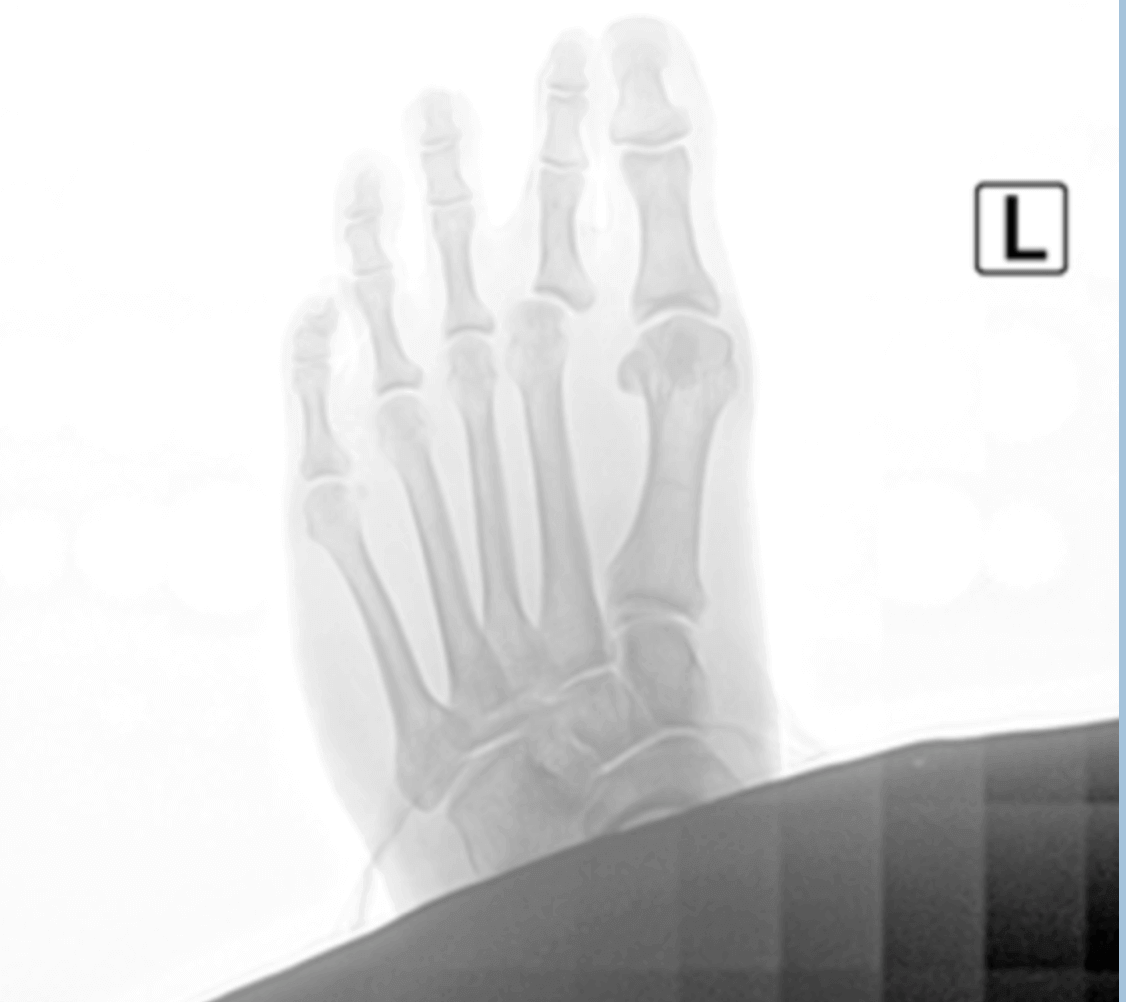
Bunion surgery is the most common surgical procedure I perform at my ambulatory surgery center. I have a few tips I would like to share that can make things much easier.
Get ready a week before surgery. Start thinking about where you will set up. I always recommend being a couch potato for about a week. This home base spot should be conveniently located. This spot should be downstairs and near a restroom. Make sure you have access to anything that might pass the time, a computer, tv, etc.
Meals are another thing to think about. I like to advise my patients to make a weeks’ worth of food. You can freeze them or refrigerate them but not having to cook can be a game changer. This can really help you focus on your recovery, and nobody wants to cook with a sore foot.
Supplements are another thing to consider. I think talking to your surgeon about this one is important. Calcium or some sort of bone healing supplement if you are having bone work done. Collagen and zinc can help wound healing. Once the wound closes, start topical scar care.
The bathroom situation can need some thought as well. How will you shower or use the toilet? I always if you are going to be non-weight bearing to have a trial run of both. It can be difficult executing these tasks with one foot. Options for these include a shower chair or stool and for the toilet they make elevated seats that are helpful.
Medications are the last thing I will touch on. Get these before the day of your procedure. Think about making a log or schedule so you can track what and when you take them. Make sure you understand what each is and that you have no interactions with other medications you are taking.
If you would like a consultation on your bunion, I can help. Call to make an appointment with me at 425-391-8666 or schedule an appointment online.
Sincerely,
American College of Foot & Ankle Surgeons
