




December 2023
Definition and Symptoms of Athlete’s Foot
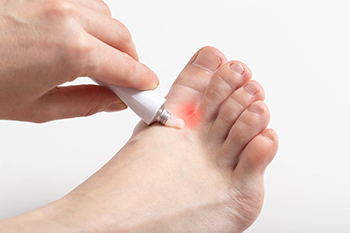
Athlete's foot, a common fungal infection of the skin, often affects the spaces between the toes. This condition is caused by various fungi, including trichophyton and epidermophyton, thriving in warm and moist environments such as locker rooms and swimming pool areas. Symptoms typically manifest as redness, itching, and a burning sensation, particularly between the toes. As the infection progresses, the skin may peel, crack, or develop blisters, contributing to discomfort. Athlete's foot can extend to the soles of the feet, causing scaling and thickening of the skin. In severe cases, the infection may spread to the toenails, leading to additional complications. Recognizing these symptoms is important for early intervention, as untreated athletes' foot can persist and potentially spread to other parts of the body. If you have symptoms of athlete’s foot, it is suggested that you contact a podiatrist who can offer you correct treatment options, which may include prescribed medicine.
Athlete’s foot is an inconvenient condition that can be easily reduced with the proper treatment. If you have any concerns about your feet and ankles, contact the podiatrists from Issaquah Foot & Ankle Specialists. Our doctors will treat your foot and ankle needs.
Athlete’s Foot: The Sole Story
Athlete's foot, also known as tinea pedis, can be an extremely contagious foot infection. It is commonly contracted in public changing areas and bathrooms, dormitory style living quarters, around locker rooms and public swimming pools, or anywhere your feet often come into contact with other people.
Solutions to Combat Athlete’s Foot
- Hydrate your feet by using lotion
- Exfoliate
- Buff off nails
- Use of anti-fungal products
- Examine your feet and visit your doctor if any suspicious blisters or cuts develop
Athlete’s foot can cause many irritating symptoms such as dry and flaking skin, itching, and redness. Some more severe symptoms can include bleeding and cracked skin, intense itching and burning, and even pain when walking. In the worst cases, Athlete’s foot can cause blistering as well. Speak to your podiatrist for a better understanding of the different causes of Athlete’s foot, as well as help in determining which treatment options are best for you.
If you have any questions please feel free to contact one of our offices located in Issaquah, WA . We offer the newest diagnostic and treatment technologies for all your foot and ankle needs.
Athlete's Foot
Athlete’s foot is an extremely contagious infection caused by a fungus that results in itching, burning, dry, and flaking feet. The fungus that causes athlete’s foot is known as tinea pedis and thrives in moist, dark areas such as shower floors, gyms, socks and shoes, commons areas, public changing areas, bathrooms, dormitory style houses, locker rooms, and public swimming pools. Athlete’s foot is difficult to treat as well because of the highly contagious and recurrent nature of the fungus.
Tinea is the same fungus that causes ringworm, and is spread by direct contact with an infected body part, contaminated clothing, or by touching other objects and body parts that have been exposed to the fungus. Because the feet are an ideal place for tinea to grow and spread, this is the most commonly affected area. It is, however, known to grow in other places. The term athlete’s foot describes tinea that grows strictly on the feet.
The most commonly infected body parts are the hands, groin, and scalp, as well as the feet. Around 70% of the population suffer from tinea infections at some point in their lives, however not all of these cases are athlete’s foot. Just like any other ailment, some people are more likely to get it than others, such as people with a history of tinea infections or other skin infections, both recurring and non-recurring ones. The extent to which a person experiences regrowth and recurrent tinea infections varies from person to person.
Sometimes people will not even know that they are infected with tinea or that they have athlete’s foot because of a lack of symptoms. However, most experience mild to moderate flaking, itching, redness, and burning. However, some of the more severe symptoms include cracking and bleeding skin, intense itching and burning, pain while walking or standing, and even blistering.
Because of the recurring nature of the tinea fungus and the athlete’s foot it causes, the best way to treat this condition is with prevention. You can take some preventative measures such as wearing flip flops or sandals in locker rooms and public showers to reduce contact with the floor. It also helps to keep clean, dry feet while allowing them to breathe. Using powders to keep your feet dry is a good idea, as well as keeping your feet exposed to light and cool air, to prevent the growth of tinea. If you do happen to get athlete’s foot, opt for using topical medicated creams, ointments or sprays. These treatments help eliminate and prevent it from coming back.
Dr Brandon Nelson, A Board-Certified Physician & Surgeon Discusses The Benefits of Having The Lapiplasty Bunionectomy
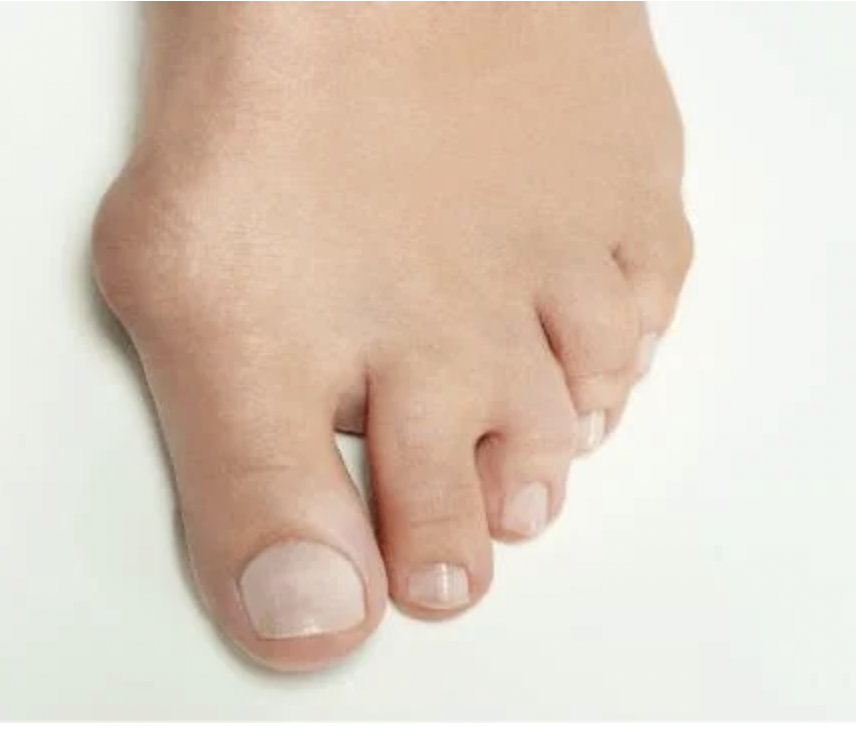
I remember performing my first bunion surgery over 15 years ago and was so excited to help my patient. I also remember learning all the different types of bunion surgeries and how each one was slightly different. It made me ponder why there were so many different types of bunion surgeries for one pathology. It was about this time I was introduced to the Lapidus bunionectomy by an attending physician. He discussed how this was his favorite procedure, how it provided great outcomes but was difficult to execute.
Well fast forward 15 years and now the Lapidus is one of the most common bunion surgeries in the United States. Things have really changed with the Lapiplasty system. A group of doctors worked with a medical device company to develop a series of gigs and clamps to make the Lapidus reproducible and easier to perform. This has really revolutionized bunion surgery and I anticipate Lapidus will eventually be the most common surgery worldwide.
I feel lucky having trained in the Northwest as I am very familiar with the Lapidus procedure and even before the Lapiplasty system it was one of my go to bunion corrections.
If you have a bunion, you know how uncomfortable they can be. If you would like a consultation on your bunion I can help. Call to make an appointment with me at 425-391-8666 or schedule an appointment online.
Sincerely,
American College of Foot & Ankle Surgeons
Dr Timothy Young, a Board-certified Foot Surgeon Discusses Tenex Procedure for Achilles Tendonitis: A Revolutionary Approach to Healing
Dr Timothy Young, a Board-certified Foot Surgeon Discusses Tenex Procedure for Achilles Tendonitis: A Revolutionary Approach to Healing
Introduction:
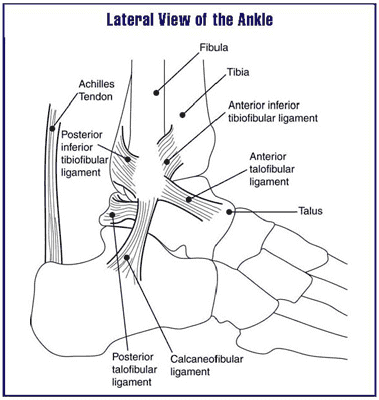
Achilles tendonitis is a common condition that occurs when the Achilles tendon, the large tendon connecting the calf muscles to the heel bone, becomes inflamed and causes pain and discomfort. Achilles tendinosis is a more accurate term when there is thickening of the tendon itself with degenerative changes within the tendon. Traditional treatment methods often involve rest, physical therapy, and anti-inflammatory medications. However, for those seeking a more advanced and minimally invasive solution, the Tenex procedure has emerged as a groundbreaking option. Furthermore the Achilles tendon problems can involve the insertion of the tendon lower at the heel, or further up above the heel. In either case these can be chronic painful conditions.
What is the Tenex Procedure?
The Tenex procedure, also known as percutaneous tenotomy or TX1 MicroTip technology, is a minimally invasive treatment designed to target and remove damaged tissue in the Achilles tendon. This is especially effective for Achilles tendinosis. This cutting-edge approach can effectively alleviate pain and promote the natural healing process without the need for open surgery.
How Does the Tenex Procedure Work?
The Tenex procedure utilizes ultrasonic energy to precisely target and break down diseased or damaged tissue within the Achilles tendon. Overall the non-damaged portions of the Achilles tendon left intact which speeds the overall healing. The process involves the following key steps:
1. Diagnosis: Before recommending the Tenex procedure, a thorough evaluation of the patient's condition is conducted, typically including imaging studies such as ultrasound or MRI to pinpoint the location and extent of the tendon damage.
2. Local Anesthesia or IV sedation combination: The patient is given local anesthesia to numb the targeted area, ensuring a pain-free experience during the procedure.
3. Ultrasonic Energy Application: A small incision is made to access the damaged area. A specialized ultrasonic tool is then inserted through the incision, delivering precise ultrasonic energy to break down and remove the damaged tissue without affecting healthy surrounding tissue.
4. Aspiration: Simultaneously, a suction mechanism removes the broken-down tissue, promoting the body's natural healing response.
5. Minimal Scarring: Due to the minimally invasive nature of the procedure, scarring is typically minimal, and the recovery period is shorter compared to traditional open surgery.
Benefits of the Tenex Procedure:
1. Minimally Invasive: The Tenex procedure is performed through small incisions, reducing the risk of infection, minimizing scarring, and allowing for a quicker recovery.
2. Targeted Treatment: The ultrasonic energy precisely targets and removes damaged tissue, preserving healthy tendon fibers and promoting more effective healing.
3. Outpatient Procedure: The Tenex procedure can be performed on an outpatient basis, allowing patients to return home the same day.
4. Quick Recovery: Patients often experience a faster recovery compared to traditional surgical methods, enabling them to resume normal activities sooner.
5. High Success Rate: Clinical studies have shown positive outcomes and high patient satisfaction rates with the Tenex procedure, making it a great option for those suffering from recalcitrant Achilles tendonitis.
Conclusion:
The Tenex procedure represents a significant advancement in the treatment of Achilles tendonitis, offering a minimally invasive and targeted approach to alleviate pain and promote healing. As with any medical procedure, it is essential to consult with a qualified healthcare professional to determine the most suitable treatment plan based on individual needs and circumstances. With the Tenex procedure, individuals may find a path to recovery that aligns with their desire for effective, efficient, and minimally disruptive treatment. If you have Achilles tendon symptoms please consider a consultation at our clinic. Achilles tendon evaluation and treatment is a specialty at our clinic.
Give us a call at 425-391-8666 or make an appointment online today.
Understanding the Definition and Causes of a Bunion
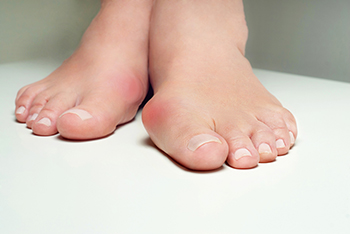
A bunion, a common foot deformity, is characterized by the gradual misalignment of the big toe joint, causing a bony protrusion on the side of the foot. This condition develops when the big toe consistently pushes against the next toe, gradually altering the joint's structure. Wearing ill-fitting footwear, particularly tight shoes or high heels, is a primary culprit, as they force the toes into unnatural positions. Genetic factors also play a role, with some individuals inheriting a predisposition to bunions. Foot mechanics, such as overpronation or flat feet, contribute to the misalignment, increasing the risk. Arthritis, particularly inflammatory types, may exacerbate bunion formation. Additionally, trauma or injury to the foot can accelerate the development of bunions. Recognizing the multifaceted causes of bunions is important for preventive measures. If you have developed a bunion, it is suggested that you schedule an appointment with a podiatrist who can offer you effective relief techniques.
If you are suffering from bunions, contact the podiatrists of Issaquah Foot & Ankle Specialists. Our doctors can provide the care you need to keep you pain-free and on your feet.
What Is a Bunion?
A bunion is formed of swollen tissue or an enlargement of boney growth, usually located at the base joint of the toe that connects to the foot. The swelling occurs due to the bones in the big toe shifting inward, which impacts the other toes of the foot. This causes the area around the base of the big toe to become inflamed and painful.
Why Do Bunions Form?
Genetics – Susceptibility to bunions are often hereditary
Stress on the feet – Poorly fitted and uncomfortable footwear that places stress on feet, such as heels, can worsen existing bunions
How Are Bunions Diagnosed?
Podiatrists often perform two tests – blood tests and x-rays – when trying to diagnose bunions, especially in the early stages of development. Blood tests help determine if the foot pain is being caused by something else, such as arthritis, while x-rays provide a clear picture of your bone structure to your provider.
How Are Bunions Treated?
- Refrain from wearing heels or similar shoes that cause discomfort
- Select wider shoes that can provide more comfort and reduce pain
- Anti-inflammatory and pain management drugs
- Orthotics or foot inserts
- Surgery
If you have any questions, please feel free to contact one of our offices located in Issaquah, WA . We offer the newest diagnostic and treatment technologies for all your foot care needs.
Bunions
A bunion is a bump that forms at the base of the big toe. Bunions form when the big toe pushes against the next toe, which forces the big toe joint to get bigger and stick out. As a result, the skin over the bunion may start to appear red and it may feel sore.
There are risk factors that can increase your chances of developing bunions. People who wear high heels or ill-fitting shoes are more likely to develop them, in addition to those who have a genetic history of bunions or have rheumatoid arthritis.
The most obvious way to tell if you have a bunion is to look for the big toe pushing up against the toe next to it. Bunions produce a large protrusion at the base of the big toe and may or may not cause pain. Other symptoms are redness, swelling, and restricted movement of the big toe if you have arthritis.
Nonsurgical methods are frequently used to treat bunions that aren’t severe. Some methods of nonsurgical treatment are orthotics, icing and resting the foot, taping the foot, and pain medication. Surgery is usually only required in extreme cases. However, if surgery is needed, some procedures may involve removing the swollen tissue from around the big toe joint, straightening the big toe by removing part of the bone, or joining the bones of your affected joint permanently.
Your podiatrist will diagnose your bunion by doing a thorough examination of your foot. He or she may also conduct an x-ray to determine the cause of the bunion and its severity.
Get Proper Treatment for Ankle Injuries

If you're experiencing ankle pain, you may be suffering from an ankle injury. Sprains, fractures, Achilles tendonitis, and Achilles tendon ruptures are just some examples of potential ankle injuries. Don't wait for care for an ankle injury, as it may worsen over time. We can help!
Dr Brandon Nelson, A Board-Certified Physician & Surgeon Discusses Why You Should Have The Lapiplasty Bunionectomy Procedure
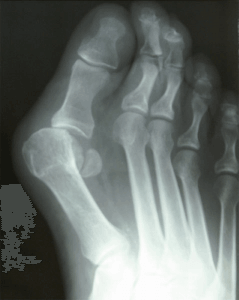
Bunions can make life difficult. They can get in the way of exercising and other activities that we enjoy. They can make shoe choices impossible and cause pain daily. This often leads to patients needing surgical intervention to remove the bunion. The Lapiplasty is revolutionizing bunion surgery and creating great outcomes for patients that need to have their bunion removed.
I encourage anybody that is deciding to have their bunion removed to see a surgeon that has experience with Lapiplasty. I have been operating on bunions for over 15 years and have seen the evolution of bunion surgery. I have seen minimally invasive surgery trends; I have seen open surgery trends and now over the last 5 years have seen Lapiplasty move to the forefront. Lapiplasty is different from other bunion surgeries in many ways.
The Lapiplasty addressed the root cause of a bunion. Bunions are created when we have an unstable foot and joint. The Lapiplasty works at the apex of the bunion deformity and at the same addresses the mechanical instability of the foot. It has proven to have great long term outcomes and will soon be the most common bunion surgery correction technique.
If you would like a consultation on your bunion I can help. Call to make an appointment with me at 425-391-8666 or contact us online.
Sincerely,
American College of Foot & Ankle Surgeons
Dr Brandon Nelson, A Board-Certified Physician & Surgeon Discusses Treatment Options for Hammer Toes
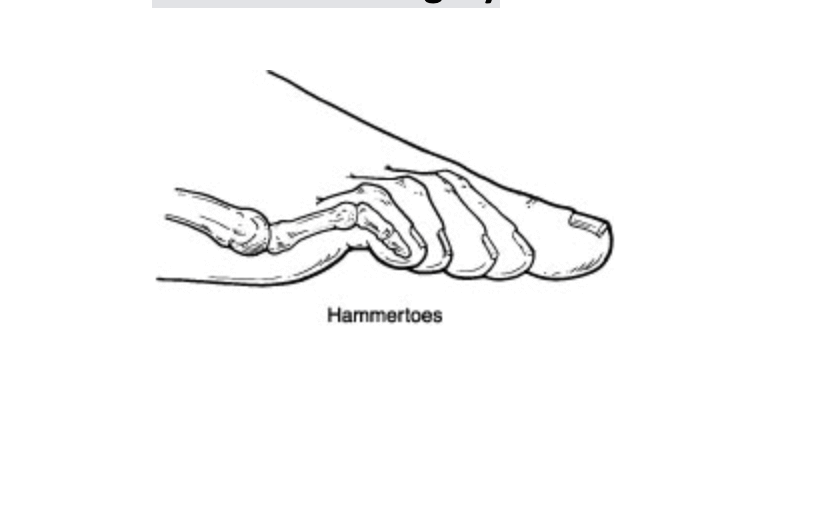
Hammer toes refer to a curling downward of the toes. This can occur in one or more toes and can be a stand-alone pathology or with another type of foot condition like a bunion. The hammer toe is often caused by shoe gear choices, trauma or inherited from mom and dad. It typically gets worse with time and makes it hard to exercise or fit in shoes properly.
The conservative options for hammer toes can sometimes relieve pain. These options are such things as wearing larger or wider shoes, taping the toes, or using pads or spacers. It is important to note that this does not fix the hammer toe. Additionally, with time it usually gets worse and the toe curls more.
Long term or surgical correction is the usuals course for most patients. This involves addressing the underlying causes of the hammertoe or toes. It is important to look at the overall foot structure and any contributing factors. The surgical procedure to correct a hammer toe can be removal of a bone or removal of a bone and soft tissue balancing. Sometimes it requires pinning of the hammer toe to allow the new position to heal and correct itself.
If you would like a consultation on your hammer toes I can help. Call to make an appointment with me at 425-391-8666 or schedule an appointment online.
Sincerely,
American College of Foot & Ankle Surgeons
