




February 2022
Dr. Timothy Young, a Board-Certified Foot Surgeon, Discusses the Latest Treatment for Painful Plantar Warts
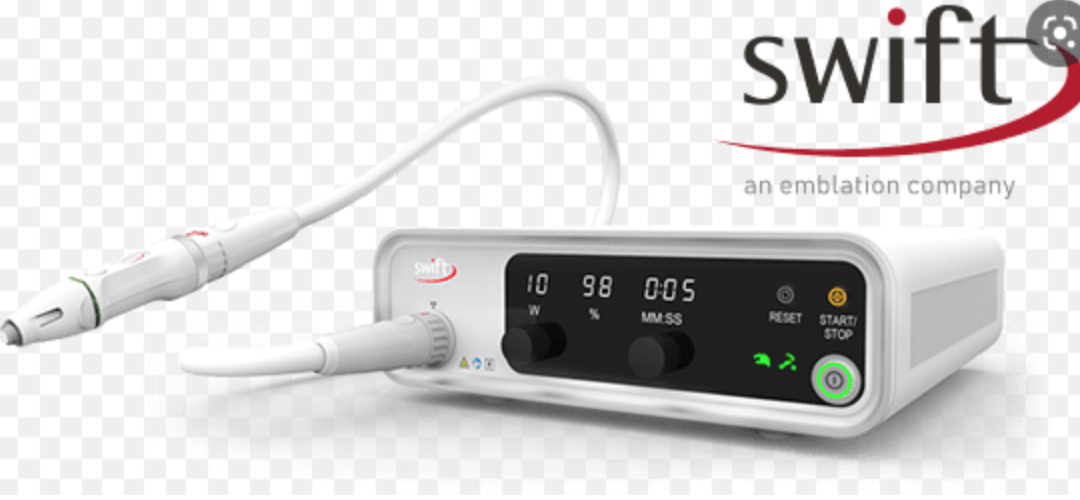
Dr. Timothy Young, a board-certified foot surgeon, discusses the latest treatment for painful plantar warts.
Our clinic has acquired a Swift laser device specifically for persistent plantar verruca. We have over 12 months experience with this and has been very effective for verruca treatment. This is one of the fastest treatments and does not require injections or surgery. There is no open wound. Typical treatments are done at 3–4 week intervals. Now that we have this treatment option it is rare to need more aggressive treatment such as surgical excision. We do have one more treatment option at our clinic and that is bleomycin injections. Plantar warts have their own blood supply through a process called angioneogenesis. The bleomycin targets the additional vascular network that verruca have and therefore the verruca are not able to continue being viable and a blood blister forms and the verruca resolves. If you have are resistant plantar wart please let us know.
Give us a call at 425-391-8666 or make an appointment online today.
Dr. Brandon Nelson, Board-Certified Foot and Ankle Surgeon, Discusses the Management of Morton’s Neuromas
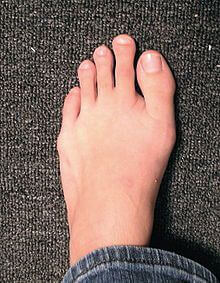
Morton’s neuromas or interdigital neuromas are usually from a compression of the nerves in the front of the foot. Oftentimes characterized as burning or pain that’s exacerbated by walking or tight shoes. A number of different etiologies have been described to decrease blood supply progression to irritation from bursa or the intermetatarsal ligament. The majority of these neuromas occurr in the third interspace, about 70% of the time and in the second interspace about 30% of the time. It is most common to have a single neuroma however some patients have multiple neuromas. There are multiple studies on the best conservative measures.
Conservative measures range from orthotics, footwear adjustments, corticosteroid injections, alcohol injections, radiofrequency or even cryoablation. Conservative management continues to be the mainstay of neuroma therapy. Oftentimes it can take months before your neuroma feels better depending on the size and location. There are a few people that have multiple Morton’s neuroma and an MRI can be highly valuable.
Surgical management usually consists of removal of the nerve. This is generally done to the top of the foot and has a fairly short recovery as compared to other foot and ankle surgeries. Sound physicians go to the bottom of their feet just depending on experience and discomfort levels. The overall success rate with surgical management is high, if conservative measures have failed, it is the appropriate next step.
If you’re suffering from neuroma pain make an appointment today and I can help. Give us a call at 425-391-8666 or make an appointment online today.
Sincerely,
Board-Certified Foot and Ankle Physician and Surgeon
What Are the Symptoms of Foot Drop?
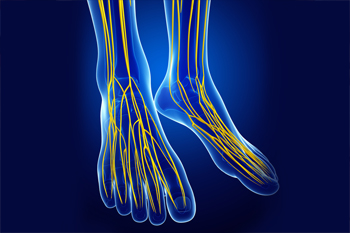 Foot drop is a neuromuscular disorder in which a person has difficulty raising the front of their foot up while walking, an ability known as dorsiflexion. This causes the toes to drag on the ground while walking. To compensate for a loss of dorsiflexion, some people develop an unusual pattern of walking in which they lift their knees higher to raise the foot, sometimes slapping their foot back down on the ground with each step. This is known as a steppage gait. In addition to these symptoms, people with foot drop may also have tingling, numbness, or muscle weakness in the foot. If you are experiencing symptoms of foot drop, it is strongly suggested that you seek the care of a podiatrist.
Neuropathy
Neuropathy can be a potentially serious condition, especially if it is left undiagnosed. If you have any concerns that you may be experiencing nerve loss in your feet, consult with the podiatrists from Issaquah Foot & Ankle Specialists. Our doctors will assess your condition and provide you with quality foot and ankle treatment for neuropathy.
What Is Neuropathy?
Neuropathy is a condition that leads to damage to the nerves in the body. Peripheral neuropathy, or neuropathy that affects your peripheral nervous system, usually occurs in the feet. Neuropathy can be triggered by a number of different causes. Such causes include diabetes, infections, cancers, disorders, and toxic substances.
Symptoms of Neuropathy Include:
- Numbness
- Sensation loss
- Prickling and tingling sensations
- Throbbing, freezing, burning pains
- Muscle weakness
Those with diabetes are at serious risk due to being unable to feel an ulcer on their feet. Diabetics usually also suffer from poor blood circulation. This can lead to the wound not healing, infections occurring, and the limb may have to be amputated.
Treatment
To treat neuropathy in the foot, podiatrists will first diagnose the cause of the neuropathy. Figuring out the underlying cause of the neuropathy will allow the podiatrist to prescribe the best treatment, whether it be caused by diabetes, toxic substance exposure, infection, etc. If the nerve has not died, then it’s possible that sensation may be able to return to the foot.
Pain medication may be issued for pain. Electrical nerve stimulation can be used to stimulate nerves. If the neuropathy is caused from pressure on the nerves, then surgery may be necessary.
If you have any questions, please feel free to contact one of our offices located in Issaquah, WA . We offer the newest diagnostic and treatment technologies for all your foot care needs.
Neuropathy
Neuropathy is the weakness, numbness, and pain in the hands and feet due to damage to the peripheral nerves. The peripheral nerves are responsible for sending information from the brain and spinal cord to the rest of your body. Causes of Neuropathy include: traumatic injuries, infections, metabolic problems, exposure to toxins, and diabetes.
Diabetes is the most common cause, with more than half of the diabetic population developing some type of neuropathy. There are several types of neuropathy and they vary based on the damage of the nerves. Mononeuropathy is classified as only one nerve being damaged. When multiple nerves are affected, it is referred as polyneuropathy. One of the types of polyneuropathy is distal symmetric polyneuropathy. It is the most common for people with diabetes and starts when the nerves furthest away from the central nervous begin to malfunction. The symptoms begin with pain and numbness in the feet and then they travel up to the legs. A rarer form of polyneuropathy is acute symmetrical peripheral neuropathy, which is a severe type that affects nerves throughout the body and is highly associated with Guillain-Barre syndrome, an autoimmune disorder that attacks the peripheral nervous system and can be fatal. Although there are many types of neuropathy, most of them share the same symptoms such as pain, extreme sensitivity to touch, lack of coordination, muscle weakness, dizziness, and digestive problems. Since neuropathy affects the nerves, those affected should be careful of burns, infection and falling, as depleted sensations disguise such ailments.
The best way to prevent neuropathy is to manage any medical conditions such as diabetes, alcoholism, or rheumatoid arthritis. Creating and managing a healthy lifestyle can also go a long way. Having a healthy diet full of fruits, vegetables, whole grains and lean protein can keep the nerves healthy. These types of food have the nutrients to prevent neuropathy. Regularly exercising can help as well, but it is best to consult with a doctor about the right amount. In addition to diet and exercise, avoiding risk factors will also prevent neuropathy. This includes repetitive motions, cramped positions, exposure to toxic chemicals, smoking and overindulging on alcohol.
Dr. Brandon Nelson, Board-Certified Foot and Ankle Surgeon, Discusses Capsulitis of the foot or Metatarsalgia
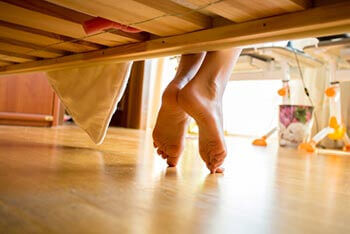
Capsulitis and metatarsalgia are generic terms for pain in the front of the foot or what we call forefoot pain. This pain is often described as burning tingling or numbness or stabbing pain that increases with activity or ambulation. There doesn’t have to be a history of any trauma or previous injury however there usually are other foot problems that are present. These other problems can include a bunion or a tight calf muscle or deviated toes. These can contribute to forefoot overloading which ultimately lead to capsulitis or metatarsalgia.
Capsulitis typically refers to inflammation of the joint for multiple joints in the front of the foot. Often times this joint is the second toe and can begin to swell increasing irritation around the joint. As the swelling gets worse it can begin to push on the nerves in the front of the foot and present with increased numbness and tingling that can often mimick neuroma. Neuromas are not typically in this location are more common in the third, however it is important to differentiate between the 2 as the treatment is different.
Metatarsalgia is more of a generic term for pain in the metatarsal bones. There are 5 metatarsal bones in the foot and typically the first metatarsal can cause pain and irritation. It is not uncommon to have arthritis in these joints that can also cause a great deal of pain.
I recommend anybody with forefoot pain make an appointment to decrease the likelihood of continued or progressive pain. Give us a call today at 425-391-8666 or make an appointment online.
Sincerely,
Board-Certified Foot and Ankle Physician
Dr. Brandon Nelson, Board-Certified Foot and Ankle Physician and Surgeon, Discusses Treatment Options for Arthritis of the Big Toe
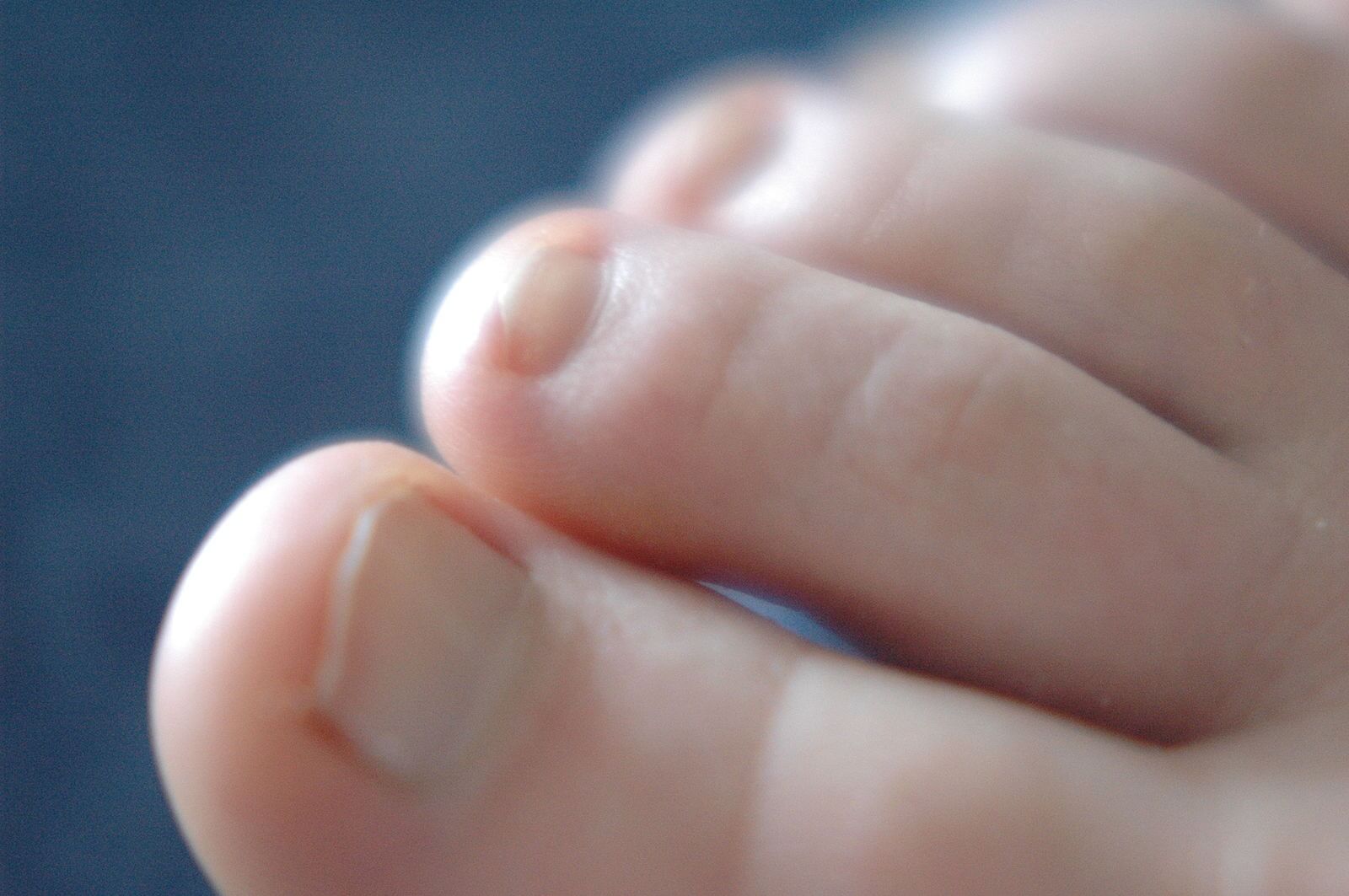
Arthritis of the big toe or sometimes called hallux limitus or hallux rigidus involves degenerative arthritis of the big toe. It often presents as pain and swelling in the big toe and even limited range of motion. Patients often have a history of any injury like a turf toe type incision where the majority of the time this is genetic in origin. This typically starts from an anatomical misalignment or elevated first metatarsal where long-term jamming of the joint and pain and swelling begins.
The treatment options from a surgical aspect involves joint preserving procedures. Joint sparing procedures involve trying to increase the life of the joint.
Joint sparing procedures typically have consisted of cleaning up the joint which is very commonly called a cheilectomy. This can be done for early type arthritis. This has all been considered were course of early intervention and has had great outcomes.
Joint destructive procedures typically involve the use of implants or fusion. Implants of the big toe joint have fallen out of favor and are not utilized by many physicians. The stays and fusion continues to be the mainstay. However there are other options that become available, depending on the patient's needs. There are some physicians that advocate what is called an interpositional arthroplasty which seems to work well and provides some space in the joint to provide cushioning.
If you have big toe pain I am happy to help make an appointment at our office and we can see whether conservative or surgical options are warranted. Give us a call today at 425-391-8666 or make an appointment online today.
Sincerely,
Brandon Nelson
Board-Certified Foot and Ankle Physician and Surgeon
Foot Problems in Kids
Children can experience many of the same foot problems that adults do, but some conditions are more frequently seen in children than in adults. Sever’s disease, also called calcaneal apophysitis, is inflammation of the growth plate in the heel bone. It affects active children between the ages of 8 and 14 and causes heel pain that can make it difficult to walk properly. Flat feet, which children are born with, are usually asymptomatic, but can pose a problem for some children. If your child has flat feet and complains of foot pain, cramping, or fatigue, they should be evaluated by a podiatrist. Children are also no strangers to skin and nail issues. Ingrown toenails and foot warts are frequently seen in young children and adolescents. For more information about childhood foot problems, please consult with a podiatrist.
Making sure that your children maintain good foot health is very important as they grow. If you have any questions, contact the podiatrists of Issaquah Foot & Ankle Specialists. Our doctors can provide the care you need to keep you pain-free and on your feet.
Keeping Children's Feet Healthy
Having healthy feet during childhood can help prevent medical problems later in life, namely in the back and legs. As children grow, their feet require different types of care. Here are some things to consider...
Although babies do not walk yet, it is still very important to take care of their feet.
Avoid putting tight shoes or socks on his or her feet.
Allow the baby to stretch and kick his or her feet to feel comfortable.
As a toddler, kids are now on the move and begin to develop differently. At this age, toddlers are getting a feel for walking, so don’t be alarmed if your toddler is unsteady or ‘walks funny’.
As your child gets older, it is important to teach them how to take care of their feet.
Show them proper hygiene to prevent infections such as fungus.
Be watchful for any pain or injury.
Have all injuries checked by a doctor as soon as possible.
Comfortable, protective shoes should always be worn, especially at play.
If you have any questions, please feel free to contact one of our offices located in Issaquah, WA . We offer the newest diagnostic and treatment technologies for all your foot care needs.
How to Care for Your Child's Feet
It is never normal for a child to experience pain in his or her feet. Foot pain that lasts more than a few days and limits a child’s ability to walk should be examined by a podiatrist. Many adult foot ailments originate in childhood and may be present at birth. Common foot issues that are experienced by children are pediatric flat foot, Sever’s disease, ingrown toenails, and plantar warts.
A child’s foot grows rapidly during the first year, allowing it to reach almost half of their adult foot size. Consequently, foot specialists consider the first year to be the most crucial point in the foot development process. There are ways you can help ensure that your child’s foot develops properly. One way is to carefully look at your baby’s feet. If you notice any deformities, you should immediately seek professional care. You should also loosely cover your child’s foot, since tight coverings may prevent movement and inhibit normal development. Another tip is to change the baby’s positioning throughout the day. If your baby lies down in one spot for too long, it may put an excess amount of strain on the feet and legs.
It is best that you try not to force a child to start walking. Children will begin to walk when they are both physically and emotionally capable to do so. You should also avoid comparing your child’s walking progress with other children because the age range for independent walking may range. When your child’s feet begin to develop, you may need to change both their shoe and sock size every few months to allow room for their feet to grow.
Kids are sometimes prone to splinters, cuts, and severe injuries because they tend to walk around barefoot. This also makes them more susceptible to developing plantar warts which is a condition caused by a virus that invades the sole of the foot through breaks in the skin. These ailments can be avoided by making sure your child wears shoes in unsanitary environments. You should also wash any minor cuts or scrapes on your child’s feet. It is a myth that exposure to fresh air will heal injuries; fresh air will only expose your child’s cuts to germs.
As a parent, you should ensure that your child’s feet are developing properly and are being properly maintained. Consequently, it is important that you perform routine inspections on his or her feet to detect any injuries or deformities in their early stages. Early detection and treatment will help to ensure that your child does not develop any serious foot conditions.
Reminder: When Was the Last Time...?

Custom orthotics, or shoe inserts, should be periodically replaced. Orthotics must fit properly to give you the best results. Protect your feet and ankles!
Dr. Brandon Nelson, Board-Certified Foot and Ankle Physician and Surgeon, Discusses Minimally Invasive Bunion Surgery
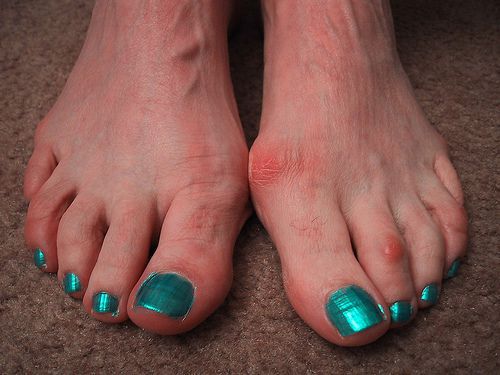
Bunion surgery has progressed significantly since its inception. Years ago, it was not uncommon for patients to stay overnight in the hospital if they had bunion surgery. Often times patients would spend days in the hospital and be in a cast and nonweightbearing for months. However this is a very rare occurrence these days and the majority of procedures are performed in an outpatient setting and very rarely is there an extended period of nonweightbearing. This evolution of bunion surgery has allowed for minimally invasive surgeries to become more commonplace.
Minimally invasive refers to making significantly smaller incisions than we’ll we typically do for bunion surgery. The average bunion can now be performed with minimally invasive surgery through an approximate 2 cm incision. The advantages of minimally invasive surgery is it allows for a quicker recovery and increased healing capacity. The majority of people will heal more quickly than the traditional open bunion procedure and will have less pain.
It is important to note that not every patient is a candidate for minimally invasive bunion surgery as it depends on other factors including overall foot structure and size of the bunion. It is important to have a thorough evaluation and workup for considering bunion surgery, any type of bunion surgery including minimally invasive. If you’re having bunion pain please contact my office and we will be able to get to an appointment and have your bunion evaluated. Give us a call at 425-391-8666 or make an appointment online today.
Sincerely,
Board-certified Foot and Ankle Physician and Surgeon
