




October 2022
Foot Pain
The feet, being the foundation of the body, carry all of the body’s weight and are therefore prone to experiencing pain and discomfort. If you are experiencing foot pain, it is important to determine where in the foot you are experiencing this pain to help discover the cause of it. While pain can be experienced virtually anywhere in the foot, the most common sites of foot pain are in the heel and ankle.
Heel pain can be due to a multitude of conditions including plantar fasciitis, Achilles tendinitis, and heel spurs. Pain experienced in the ankle can be a sign of an ankle sprain, arthritis, gout, ankle instability, ankle fracture, or nerve compression. In more serious cases, pain in the foot can be a sign of improper alignment or an infection.
Foot pain can be accompanied by symptoms including redness, swelling, stiffness and warmth in the affected area. Whether the pain can be described as sharp or dull depends on the foot condition behind it. It is important to visit your local podiatrist if your foot pain and its accompanying symptoms persist and do not improve over time.
Depending on the location and condition of your foot pain, your podiatrist may prescribe certain treatments. These treatments can include but are not limited to prescription or over-the-counter drugs and medications, certain therapies, cortisone injections, or surgery.
If you are experiencing persistent foot pain, it is important to consult with your foot and ankle specialist to determine the cause and location. He or she will then prescribe the best treatment for you. While milder cases of foot pain may respond well to rest and at-home treatments, more serious cases may take some time to fully recover.
What Are Common Types of Foot Pain?

The feet are complex structures and foot pain may occur for various reasons. One common source of foot pain is known as foot tendonitis. It can happen as a result of an irritated or inflamed tendon and may gradually or suddenly appear. Many people who enjoy running may experience this type of foot pain and it can also occur in patients who stand for most of the day. Existing medical conditions can contribute to this type of tendonitis as well, including flat feet or high arches. Achilles tendonitis is another form of foot pain and symptoms can include stiffness and swelling at the bottom of the heel. The pain may be worse upon arising in the morning or after long periods of rest. This type of injury can occur from increasing speed and mileage too quickly while running and may be more common among those who run infrequently. There are several different types of foot pain and if you are experiencing discomfort, it is strongly urged that you seek the counsel of a podiatrist who can expertly diagnose and treat it.
Foot Pain
Foot pain can be extremely painful and debilitating. If you have a foot pain, consult with the podiatrists from Issaquah Foot & Ankle Specialists. Our doctors will assess your condition and provide you with quality foot and ankle treatment.
Causes
Foot pain is a very broad condition that could be caused by one or more ailments. The most common include:
- Bunions
- Hammertoes
- Plantar Fasciitis
- Bone Spurs
- Corns
- Tarsal Tunnel Syndrome
- Ingrown Toenails
- Arthritis (such as Gout, Rheumatoid, and Osteoarthritis)
- Flat Feet
- Injury (from stress fractures, broken toe, foot, ankle, Achilles tendon ruptures, and sprains)
- And more
Diagnosis
To figure out the cause of foot pain, podiatrists utilize several different methods. This can range from simple visual inspections and sensation tests to X-rays and MRI scans. Prior medical history, family medical history, and any recent physical traumatic events will all be taken into consideration for a proper diagnosis.
Treatment
Treatment depends upon the cause of the foot pain. Whether it is resting, staying off the foot, or having surgery; podiatrists have a number of treatment options available for foot pain.
If you have any questions, please feel free to contact one of our offices located in Issaquah, WA . We offer the newest diagnostic and treatment technologies for all your foot care needs.
Gout Pain Can Be Managed

Gout is a painful, inflammatory form of arthritis. Those affected will typically feel an intense stiffness in the joints of their feet, particularly in the big toe. Schedule a visit to learn about how gout can be managed and treated.
Dr Brandon Nelson, A Board Certified Physician & Surgeon, Discuss the Lapiplasty Bunion Procedure
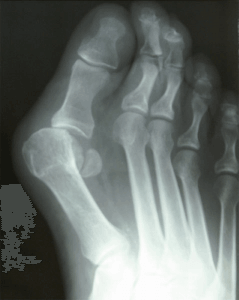
I have been operating on bunions now for over 15 years and have performed 1000’s of bunionectomies. I continue to enjoy working on bunions as the surgical results are satisfying for both the patient and physician. Bunions come in all sizes and present in all ages from teenagers to adults. Many patients seek out care for bunions and some choose to have them fixed. It is important to note that not everyone is a surgical candidate and not every bunion requires surgical intervention.
Surgical care for a bunion can provide excellent results. One of the most common procedures is the Lapiplasty bunionectomy. It has shown exceptional follow up and long term outcomes. I find the Lapiplasty to be very reproducible and have high patient satisfaction. It is not appropriate on every patient nor is it the only bunion procedure I find highly successful.
My office has an onsite surgical center that we utilize for bunion surgery. It is a significant cost savings and time savings for patients. It utilizes monitored anesthesia care with a nerve block of the lower extremity. If you have a bunion and would like a consultation please feel free to call the office at 425-391-8666 or schedule an appointment online.
Sincerely,
Diabetic Foot Care
Diabetes affects millions of people every year. Blood vessels located all over the body are damaged due to diabetes—even the blood vessels of the feet. Neuropathy, or nerve damage, can result from slower blood flow in the legs and feet. In diabetic patients, neuropathy is very important to monitor, as diabetics are at risk for developing ulcers.
Always washing and thoroughly drying the feet are pertinent parts of diabetic foot care. There should be a focus on cleaning between the toes. Even if no pain is felt, the entire foot should be examined for redness and sores. Neuropathy can often mask the pain of sores and ulcers and can cause these conditions to be overlooked. Use a mirror to examine the underside of your feet if needed. It is recommended that diabetics wear well-fitting socks.
Patients with diabetes should have their specialist monitor their blood levels because blood sugar levels play a huge role in diabetic care. Monitoring these levels on a regular basis is highly advised. It is very important to keep your blood sugar levels in the normal range, which can be determined by your provider. There are medications that may be prescribed to help with any neuropathy experienced by the diabetic patient. It is also advisable to visit a podiatrist if one is experiencing any conditions involving the feet, such as ingrown toenails, which in more severe cases can cause infection.
Diabetic feet must be inspected daily. Diabetic foot care at home is possible if a patient is provided with instructions from their podiatrist. Patients can relieve dry heels with creams or ointments. Suspected wounds should warrant an immediate call to the podiatrist. Gangrene is a serious problem for diabetics and can lead to sepsis and amputation in its worst cases. Early treatment and daily inspection of diabetic feet are keys to staying healthy.
Rare Diabetes Foot Complications
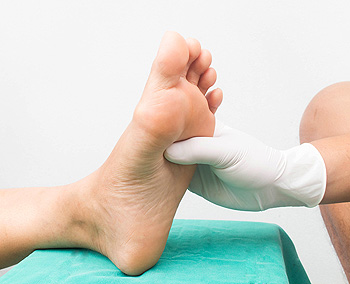
Charcot foot used to be a rare diabetes complication. It was said to affect less than 1% of people with diabetes. Now experts say it is becoming more common, and there is worry that patients and their care providers do not know about this diabetic complication or its warning signs. Charcot foot is a sudden softening of the foot’s bones, caused by neuropathy or nerve damage from diabetes. It can lead to a host of serious problems, such as joint loss, fractures, and amputation. As the condition worsens, the bottom of the foot can become convex and bulge out. Since many diabetics do not feel pain in their lower extremities, they continue walking on the foot, which can cause further problems. This disorder cannot be reversed, but its dangerous effects can be halted if dealt with early. Symptoms appear suddenly and include warm, red skin, swelling, and pain. Unfortunately, these symptoms can also be a sign of deep vein thrombosis or an infection. If you are diabetic, it is important to include a podiatrist as part of your medical care team. They are educated in foot disorders that other doctors may not be aware of or are trained to treat.
Diabetic foot care is important in preventing foot ailments such as ulcers. If you are suffering from diabetes or have any other concerns about your feet, contact the podiatrists from Issaquah Foot & Ankle Specialists. Our doctors can provide the care you need to keep you pain-free and on your feet.
Diabetic Foot Care
Diabetes affects millions of people every year. The condition can damage blood vessels in many parts of the body, especially the feet. Because of this, taking care of your feet is essential if you have diabetes, and having a podiatrist help monitor your foot health is highly recommended.
The Importance of Caring for Your Feet
- Routinely inspect your feet for bruises or sores.
- Wear socks that fit your feet comfortably.
- Wear comfortable shoes that provide adequate support.
Patients with diabetes should have their doctor monitor their blood levels, as blood sugar levels play such a huge role in diabetic care. Monitoring these levels on a regular basis is highly advised.
It is always best to inform your healthcare professional of any concerns you may have regarding your feet, especially for diabetic patients. Early treatment and routine foot examinations are keys to maintaining proper health, especially because severe complications can arise if proper treatment is not applied.
If you have any questions, please feel free to contact one of our offices located in Issaquah, WA . We offer the newest diagnostic and treatment technologies for all your foot care needs.
