




October 2022
Dr. Timothy Young Discusses Achilles Tendon Injuries
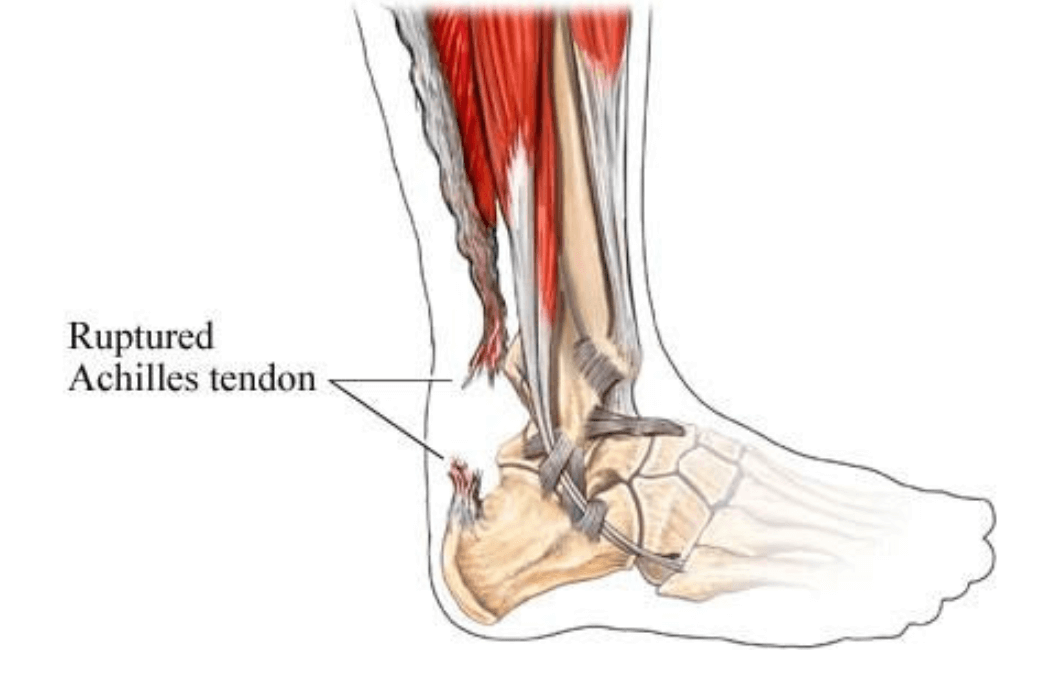
Dr. Timothy Young Discusses Achilles Tendon Injuries
Some of this can be done under the direction of the physical therapist. One of the most effective long-term exercises to augment any Achilles problem is eccentric Achilles strengthening. This also can be done at home or under the direction of the physical therapist. There are numerous YouTube videos on this including a short one that we have provided from our clinic.
Give us a call today at 425-391-8666 or make an appointment online for an evaluation.
Dr Brandon Nelson, A Board Certified Physician & Surgeon, Discusses Morning Heel Pain
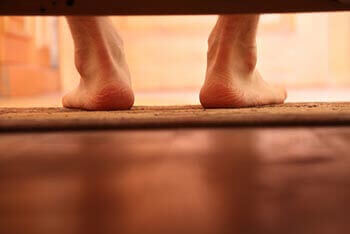
Heel pain can be very challenging no matter when it occurs. It can be common in the morning or after exercise. There are many causes of heel pain and the most common is plantar fasciitis. Plantar Fasciitis is a condition in which the plantar fascia in your foot becomes inflamed.
An inflamed plantar fascia is often characterized by burning or a bruised type sensation one's heel. Many patients describe the fact they feel like they are walking on a marble or pebble. This can get worse as time and activity levels go on and can become quite debilitating. This can be brought on by many causes but most notable is overuse.
Overuse is by far the most common cause. Patients often relate the start of a new exercise program or a new activity. This new activity can put new stresses on your fascia which ultimately leads to inflammation and pain. It is always best to ease into activities as this can help minimize fascial pain. Another key characteristic of facial pain is morning stiffness or irritation.
Morning pain is a hallmark of fasciitis. This is very common and one of the most challenging parts of having plantar fasciitis. This is often because when you sleep and then step down on your foot your fascia instantly becomes irritated. This can be extremely difficult to get rid of and often sticks around for months. This is when it is time to make an appointment with a heel pain specialist. I have been treating heel pain for 15 years and can help you get rid of it quickly. Give us a call today at 425-391-8666 or make an appointment online today.
Sincerely,
Dr Brandon Nelson
Three Grades of Ankle Sprains
An ankle sprain occurs when one or more ankle ligament gets overly stretched. Ligaments are strong bands of tissue that bind and support the bones and other structures that make up the ankle. In more severe ankle sprains, the ligament(s) tear—either partially or completely—and there may be an audible popping noise at the moment of injury.
Ankle sprains are quite common and can occur when the ankle rolls outwardly (eversion) or inwardly (inversion), causing the ligament(s) to stretch beyond normal limits, or even tear. Falls, twists, or blows to the ankle during sports or other activities can cause this injury, as well as wearing improper footwear, running on uneven surfaces, or having weak ankles.
Depending on the injury’s severity, an ankle sprain will be classified as Grade I, Grade II, or Grade III. Grade I sprains involve ligament(s) being overly stretched but not torn, with symptoms of mild pain, swelling, and ankle instability. There may also be some difficulty bearing weight. A Grade II sprain usually involves a partial tear of the ligament which brings more intensity in these symptoms, along with possible bruising. With a Grade III sprain, the ligament is completely torn, the symptoms are severe, and it may not be possible to put weight on the affected foot at all.
To diagnose and grade an ankle sprain, a podiatrist will perform a physical examination, checking for tenderness and range of motion in the ankle. For more severe sprains, X-rays or other imaging studies may be necessary.
It is vitally important to have an ankle sprain treated properly as improper healing often leads to future ankle sprains and possibly even chronic ankle stability. Treatment for an ankle sprain will vary, depending on its severity, and may include the RICE method (Rest/Ice/Compression/Elevation), physical therapy, bracing, medications, and possibly even surgery to repair a torn ligament. Rehabilitation is very important for the sprain to heal properly and to restore functionality.
Grades of Ankle Sprains
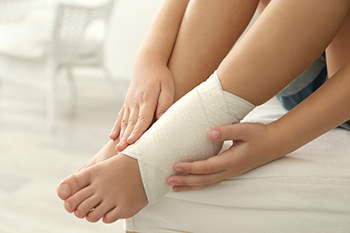
When an individual sprains their ankle, they typically move or turn it in an unnatural way that ends up stretching ligaments in the ankle area. As a result, an individual might experience swelling and a diminished ability to move the ankle. There are several different types or grades of ankle sprains that you should be familiar with. First, there is the Grade I ankle sprain, which is defined as having relatively minor symptoms, such as a small degree of swelling. There are also Grade II ankle sprains, which are defined as having moderate symptoms. Those with Grade II symptoms might demonstrate a degree of instability and some moderate pain during physical activities. Lastly, there are Grade III ankle sprains, which are severe. This kind of injury can involve a large amount of swelling and a total rupture. If you have sprained your ankle, schedule an appointment with a podiatrist today who can treat your condition.
Ankle sprains are common but need immediate attention. If you need your feet checked, contact the podiatrists from Issaquah Foot & Ankle Specialists. Our doctors can provide the care you need to keep you pain-free and on your feet.
How Does an Ankle Sprain Occur?
Ankle sprains take place when the ligaments in your ankle are torn or stretched beyond their limits. There are multiple ways that the ankle can become injured, including twisting or rolling over onto your ankle, putting undue stress on it, or causing trauma to the ankle itself.
What Are the Symptoms?
- Mild to moderate bruising
- Limited mobility
- Swelling
- Discoloration of the skin (depending on severity)
Preventing a Sprain
- Wearing appropriate shoes for the occasion
- Stretching before exercises and sports
- Knowing your limits
Treatment of a Sprain
Treatment of a sprain depends on the severity. Many times, people are told to rest and remain off their feet completely, while others are given an air cast. If the sprain is very severe, surgery may be required.
If you have suffered an ankle sprain previously, you may want to consider additional support such as a brace and regular exercises to strengthen the ankle.
If you have any questions please feel free to contact one of our offices located in Issaquah, WA . We offer the newest diagnostic tools and technology to treat your foot and ankle needs.
Dr. Timothy Young Discusses Achilles Tendon Injuries and Rupture - Part 2
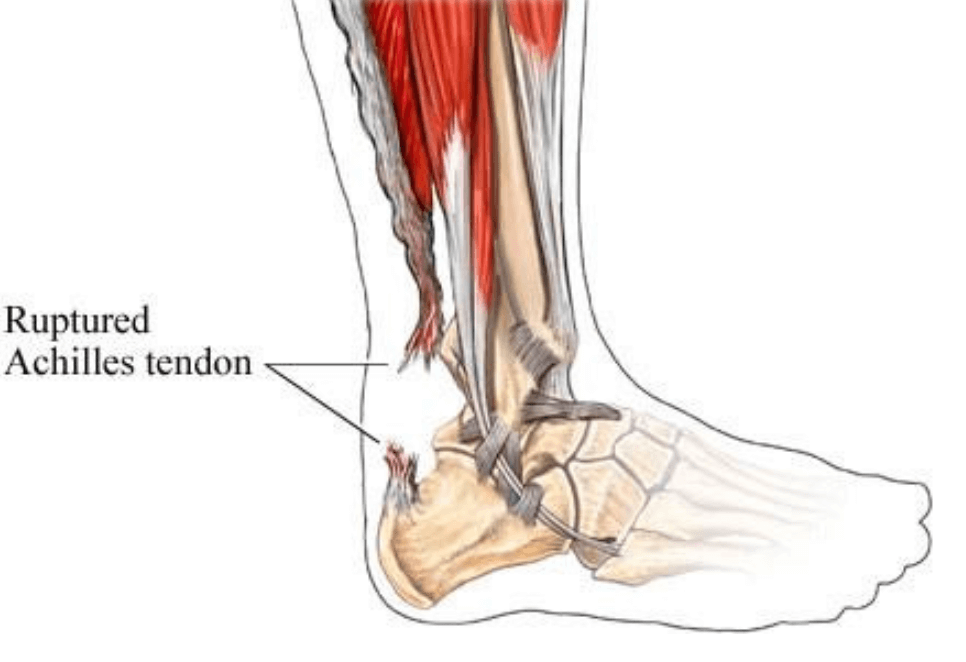
Dr. Timothy Young Discusses Achilles Tendon Injuries and Rupture- Part 2
For those individuals that elect not to have surgical repair for an Achilles rupture, there will be a significant clot surrounding the damage portion of the Achilles tendon. This does serve a function and will help serve as a substrate that can later become scar tissue that helps augment the body's own Achilles repair. Because this is present from the original injury, additional treatment may be less beneficial for these individuals then with an open surgical repair.
After approximately three weeks post injury I would then recommend augmenting the Achilles injury with shockwave therapy (EPAT). The shockwave therapy is done at once per week, for total of five treatments. I always recommend supplemental collagen when there has been tendon damage and especially tendon rupture, whether open surgical repair or nonsurgical repair.
If you are experiencing foot or ankle pain, give us a call today at 425-391-8666 or make an appointment online.
Dr. Timothy Young Discusses Achilles Tendon Injuries and Rupture - Part 1
Dr. Timothy Young Discusses Achilles Tendon Injuries and Rupture
Part 1
We see a number of Achilles injuries in our clinic. For most active individuals with a complete rupture the Achilles tendon we advocate surgical repair. During the surgical repair any of the significant internal bleeding or hematoma is removed to facilitate the repair itself. After the repair has been done during the surgery we often augment this with other treatment. The original injury blood clot itself does have components that may be beneficial but some of those components also can become excessive scar tissue. Eventual augmentation with shockwave therapy can also benefit these patients who have had open surgical repair of an Achilles rupture.
If you are experiencing any foot or ankle pain, give us a call today at 425-391-8666 or make an appointment online.
Sesamoiditis
Sesamoiditis is a condition that affects the joint that is just behind the big toe in the area known as the ball of the foot. It is most common in younger people and people who have just begun an exercise program. Since the sesamoid bones are like a pulley controlling the big toe, they can rub against each other and cause a gradual onset of pain. Pain may also be caused by the inflammation of tendons surrounding the bones. If ignored, sesamoiditis can lead to other, more serious problems such as severe irritation and fractures of the bones.
The cause of sesamoiditis is sudden increase in activity. The ball of your foot acts as a springboard to help you lift off when you are jogging or running. Sudden increase in the use of these bones or the tendon that controls them can cause irritation. The tendon then begins to develop inflammation and the joint begins to swell. People with smaller, bonier feet or those with a high arch are typically more susceptible to this condition.
Sesamoiditis is fairly simple to diagnose since the symptoms have a gradual onset rather than a sudden impact. The symptoms begin with slight irritation around the joint shortly after the increase in activity. The discomfort eventually turns to pain with light swelling and possibly redness. Although redness or bruising are rare, this may be a symptom. After each session of exercising, the aggravated joint becomes more irritated and increases into a very intense throbbing.
Treatment for sesamoiditis can vary depending on the severity of the situation. However, treatment is almost always approached in a noninvasive way. For a case that is just beginning the doctor may recommend a very strict rest period that will limit the activity allowed on the joint. If you must be active, a recommendation for as modified shoe or insole, along with bandaging and immobilizing the big toe will be made to ensure that pressure is not placed on the joint. For severe cases, it is typically recommended that the joint and the big toe be completely immobilized to allow adequate time to heal. Ice and an over the counter anti-inflammatory may can help with the pain and discomfort while you are at rest.
When you return to your regular exercise activities, it is recommended that you use an insole that will allow even distribution of impact to your entire foot, rather than just the balls of your foot. This will prevent further aggravation of the injury.
Examining Sesamoiditis

Sesamoiditis is a particular kind of foot condition that primarily affects the sesamoid bones. These tiny bones are located in the ball of the foot, and this condition occurs when the bones become inflamed. The inflammation commonly develops from overuse. If you suspect that you have sesamoiditis, you can visit a podiatrist who might conduct an examination to diagnose the condition. Typically, a podiatrist will search for signs of tenderness or pain in the affected area of the foot. A diagnosis may be premised on symptoms that a patient feels, such as swelling and inflammation. Additionally, medical professionals have various imaging tools at their disposal to diagnose sesamoiditis. These include performing an X-ray, MRI, CT scan, or bone scan. Schedule an appointment with a podiatrist today to receive a diagnosis for a suspected case of sesamoiditis.
Sesamoiditis is an unpleasant foot condition characterized by pain in the balls of the feet. If you think you’re struggling with sesamoiditis, contact the podiatrists of Issaquah Foot & Ankle Specialists. Our doctors will treat your condition thoroughly and effectively.
Sesamoiditis
Sesamoiditis is a condition of the foot that affects the ball of the foot. It is more common in younger people than it is in older people. It can also occur with people who have begun a new exercise program, since their bodies are adjusting to the new physical regimen. Pain may also be caused by the inflammation of tendons surrounding the bones. It is important to seek treatment in its early stages because if you ignore the pain, this condition can lead to more serious problems such as severe irritation and bone fractures.
Causes of Sesamoiditis
- Sudden increase in activity
- Increase in physically strenuous movement without a proper warm up or build up
- Foot structure: those who have smaller, bonier feet or those with a high arch may be more susceptible
Treatment for sesamoiditis is non-invasive and simple. Doctors may recommend a strict rest period where the patient forgoes most physical activity. This will help give the patient time to heal their feet through limited activity. For serious cases, it is best to speak with your doctor to determine a treatment option that will help your specific needs.
If you have any questions, please feel free to contact one of our offices located in Issaquah, WA . We offer the newest diagnostic and treatment technologies for all your foot care needs.
Dr. Timothy Young, a Board-Certified Foot and Ankle Surgeon, Discuss His Treatment For Anterior Tibial Tendinitis
Whenever possible addressing the underlying mechanics is helpful. Also decreasing the activity that exacerbates is the problem and cross training is helpful. For example when playing tennis one might have to switch from singles to doubles and be aware of abrupt and sudden movements that will cause the foot to hit the ground quickly and with runners this may involve avoiding running hills and doing flat work instead.
Dr. Timothy Young, a Board-Certified Foot Surgeon, Discusses Anterior Tibial Tendinitis
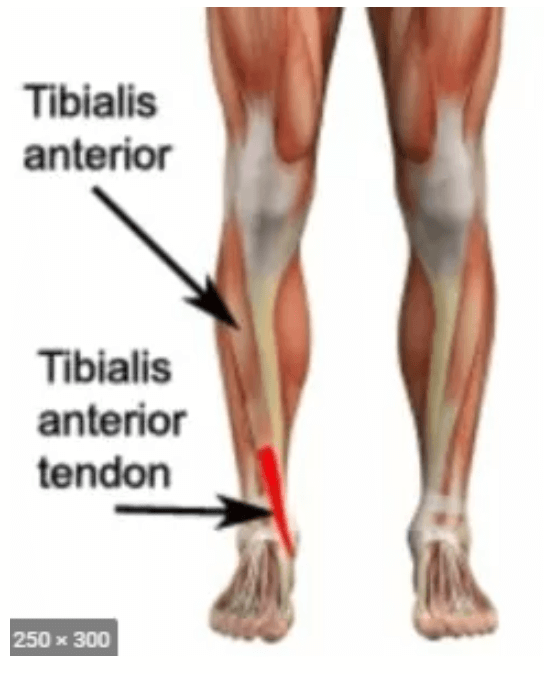
Dr. Timothy Young, a Board-Certified Foot Surgeon, Discusses Anterior Tibial Tendinitis
If you are experiencing foot or ankle pain, give us a call at 425-391-8666 or make an appointment online today.
