




August 2021
Dr Brandon Nelson, a Board Certified Physician and Surgeon, Discusses Numbness and Tingling of the Foot

Burning pain in the feet can be quite common for diabetics or people with what is called neuropathy. This is a condition that occurs when our nerves have some dysfunction. There are quite a few causes of neuropathy but the most common is diabetes. Diabetes can result in high levels of sugar in our blood that then causes irritation or damage to our nerves. The nerves involved are usually the nerves in our hands or feet, the peripheral parts of our body, hence the term peripheral neuropathy.
Tingling is another sign or peripheral neuropathy. Often times it feels similar to hitting your funny bone and can progress as time goes on. I recommend anybody with these symptoms should be evaluated and tested for nerve problems. A test I often order is called EMG/NCVs. These test will allow one to see if the numbness or tingling is coming from your nerves.
Treatment can usually begin right away and have dramatic effects. I like to use an FDA approved laser, that has zero side effects, in combination with a nerve supplement and infra-red light. I have had patients experience 80-90% improvement in symptoms. If you are suffering from neuropathy, fibromyalgia or burning and tingling in the feet we can help.
Give us a call today at 425-391-8666 or make an appointment online.
Dr. Timothy Young, Board Certified Foot Surgeon Discusses Surgery for a Bunionette or Tailor's Bunion Surgery
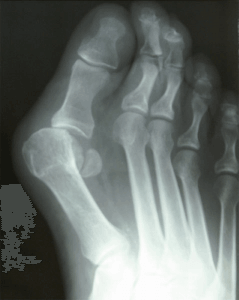
A tailor's bunion is a problem, or the fifth metatarsal and the fifth metatarsal head protrude laterally or to the outside of the foot. This causes pressure and pain especially with shoes ski boots etc. This is usually a structural problem. The fifth metatarsal tends to angle outward away from the adjacent fourth metatarsal. Sometimes it is a simple problem and it's just enlargement of the head of the fifth metatarsal. From a surgical perspective this can be treated by surgically shaving down the bump. This tends to be a much quicker recovery.
This would involve the incision, surgically incising the joint capsule then shaving down the bone and using a surgical orthopedic burr to smooth that down area. After the bony prominence has been smoothed down and reduced the wound is flushed and the layers including the capsule subcutaneous layer and skin are all surgically repaired and sutured. This tends to be a quick recovery it can be as short as 3 weeks in a cast boot.
Give us a call today at 425-391-8666 or make an appointment online today.
Cuboid Syndrome
Cuboid syndrome mostly affects athletes, although it can affect non-athletes too. It is also known as cuboid subluxation or cuboid fault syndrome. This condition occurs when joints and ligaments near the cuboid bone of the foot are damaged, or when the cuboid bone itself is dislodged from its natural position. It is usually marked by pain on the outer side of the foot, which may be persistent or may come and go. Cuboid syndrome can be difficult to diagnose unless it becomes severe and more noticeable. Your doctor will likely ask questions about when the pain began and how long it has been present, and will put pressure on the cuboid bone to determine if that area is the origin of the pain.
Causes of Cuboid Syndrome
- Any repetitive stresses placed on the foot due to athletic activities are a common cause of cuboid syndrome.
- Although it develops over time, it is possible that this syndrome can occur all of sudden due to a single event or injury.
- Over-pronation can exacerbate the condition if not corrected.
Disagreements Amongst Podiatrists Regarding Cuboid Syndrome
- Some refer to it as the dislocation of the calcaneal-cuboid joint only.
- Other podiatrists see it as an injury of the ligaments located nearby, which also involves the cuboid bone.
It is very important that when you experience any kind of pain on the side of your foot, you should seek medical care right away. If a subluxed cuboid is caught early, your feet may respond well to the treatment, and you can get back into sports or other activities again as soon as the pain subsides.
What You Need to Know About Cuboid Syndrome
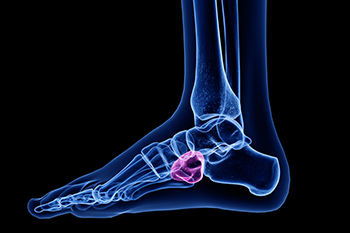
The cuboid bone is one of seven tarsal bones in the foot. It is located on the outside of the foot, midway between the heel and the pinky toe. Cuboid syndrome occurs when this bone becomes dislocated from overuse or from an injury such as a sprained ankle. It may also be caused by foot conditions such as pronated feet. Cuboid syndrome often affects dancers, athletes, and runners. Pain can be felt in various parts of the foot—often in the middle of the foot or at the base of the two smaller toes, or elsewhere in the foot or ankle. Other symptoms may include difficulty walking, swelling, and reduced range of motion in the ankle and foot. Because it can be difficult to pinpoint exactly where the pain is emanating from, it is important to have your foot examined and properly diagnosed by a podiatrist if you are experiencing any of the symptoms in order to recieve proper treatment.
Cuboid syndrome, also known as cuboid subluxation, occurs when the joints and ligaments near the cuboid bone in the foot become torn. If you have cuboid syndrome, consult with the podiatrists from Issaquah Foot & Ankle Specialists. Our doctors will assess your condition and provide you with quality foot and ankle treatment.
Cuboid syndrome is a common cause of lateral foot pain, which is pain on the outside of the foot. The condition may happen suddenly due to an ankle sprain, or it may develop slowly overtime from repetitive tension through the bone and surrounding structures.
Causes
The most common causes of cuboid syndrome include:
- Injury – The most common cause of this ailment is an ankle sprain.
- Repetitive Strain – Tension placed through the peroneus longus muscle from repetitive activities such as jumping and running may cause excessive traction on the bone causing it to sublux.
- Altered Foot Biomechanics – Most people suffering from cuboid subluxation have flat feet.
Symptoms
A common symptom of cuboid syndrome is pain along the outside of the foot which can be felt in the ankle and toes. This pain may create walking difficulties and may cause those with the condition to walk with a limp.
Diagnosis
Diagnosis of cuboid syndrome is often difficult, and it is often misdiagnosed. X-rays, MRIs and CT scans often fail to properly show the cuboid subluxation. Although there isn’t a specific test used to diagnose cuboid syndrome, your podiatrist will usually check if pain is felt while pressing firmly on the cuboid bone of your foot.
Treatment
Just as the range of causes varies widely, so do treatments. Some more common treatments are ice therapy, rest, exercise, taping, and orthotics.
If you have any questions, please feel free to contact one of our offices located in Issaquah, WA . We offer the newest diagnostic and treatment technologies for all your foot care needs.
My Heel is Sore All the Time!
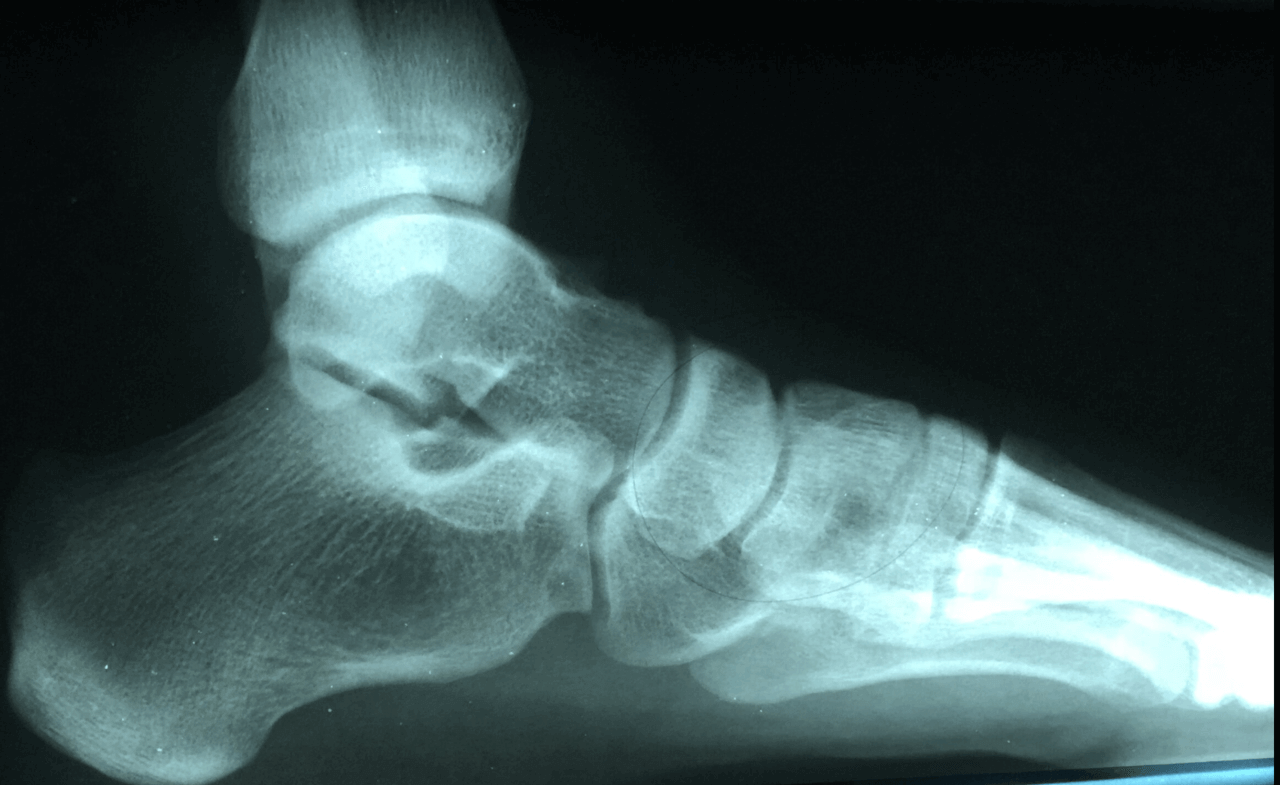
Heel pain continues to be the most common reason a person visits the foot and ankle doctor or podiatrist. For us it constitutes about 1 out of every 4 patients and is one of the most important things we treat. We specialize in heel pain and have seen tens of thousands of patients for it. Our success rate with conservative measures to get rid of heel pain is close to 99%, very few people require surgical intervention.
Plantar fasciitis continues to be the number one cause of heel pain. Most people will get pain first things when they get out of bed in the morning or after standing for long periods. It is common for some with fasciitis to not have morning pain. There also is a correlation with a new exercise program and the development of plantar fasciitis. I always recommend getting in early to see us as it is much easier to treat early on.
Bursitis is another very common cause of heel pain. We often see this in a high arched foot or a runner. Patients will have symptoms like plantar fasciitis but usually on ultrasound we can see the bursal sack. Bursitis usually responds very well to the treatment program we provide and very few people need to sideline their activities.
Nerve entrapments can also create heel pain. This is usually a nerve called Baxter’s nerve. Most people will experience a lot of burning and tingling with this condition. However, this can be a tricky diagnosis and may require special testing. This condition can respond well to a steroid injection adjacent to the nerve.
If you are experiencing heel pain we are here to help give us a call at 425-391-8666 or make an appointment online today.
Peripheral Artery Disease
Peripheral artery disease (PAD), or peripheral arterial disease, is a circulatory problem in which there is a reduction of blood flow to the limbs due to narrowed arteries. When peripheral artery disease develops, the extremities do not receive enough blood flow; this may cause symptoms to develop such as claudication, or leg pain when walking. The legs are the most common site of peripheral artery disease.
Claudication, or leg pain when walking, is one of several symptoms that can develop due to peripheral artery disease. Other symptoms caused by the disease include painful cramping in the hips, thighs, or calves after certain activities; leg numbness or weakness; coldness in the lower leg or foot; sores on the lower extremities that do not heal; hair loss on the lower extremities; and a missing or weak pulse in the lower extremities. In more severe cases, pain may even occur when the body is at rest or when lying down.
Peripheral artery disease is typically caused by atherosclerosis, a condition in which fatty deposits build up in the arterial walls and reduce blood flow. Smoking, diabetes, obesity, high blood pressure, and high cholesterol are some of the risk factors for peripheral artery disease.
If you are experiencing pain, numbness, or other symptoms in the lower extremities, see your healthcare professional immediately. Diagnosed peripheral artery disease can be treated with various medications, angioplasty and surgery, exercise programs, or alternative medicine. It is important to consult a healthcare professional to determine the best treatment for you.
What is PAD (Peripheral Artery Disease)?
Millions of people in the United States suffer from peripheral artery disease (PAD), which is a narrowing of the arteries in the extremities and other areas of the body (excluding the heart and brain). PAD is most typically caused by an accumulation of fatty material in the arteries (atherosclerosis). PAD can restrict blood flow to the legs and feet where symptoms are often present, including: cold feet, a loss of hair on the legs and feet, skin that has a shiny appearance, toenails that are brittle or grow slowly, sores on the feet or legs that don’t heal, weakness in the legs, difficulty finding a pulse in the foot or leg, and more. It is important to be properly diagnosed and treated early to avoid more dangerous conditions from developing and to reduce the risk of stroke and heart attack. If you are exhibiting any of the symptoms described, it is suggested that you make an appointment with a podiatrist as soon as possible.
Peripheral artery disease can pose a serious risk to your health. It can increase the risk of stroke and heart attack. If you have symptoms of peripheral artery disease, consult with the podiatrists from Issaquah Foot & Ankle Specialists. Our doctors will assess your condition and provide you with quality foot and ankle treatment.
Peripheral artery disease (PAD) is when arteries are constricted due to plaque (fatty deposits) build-up. This results in less blood flow to the legs and other extremities. The main cause of PAD is atherosclerosis, in which plaque builds up in the arteries.
Symptoms
Symptoms of PAD include:
- Claudication (leg pain from walking)
- Numbness in legs
- Decrease in growth of leg hair and toenails
- Paleness of the skin
- Erectile dysfunction
- Sores and wounds on legs and feet that won’t heal
- Coldness in one leg
It is important to note that a majority of individuals never show any symptoms of PAD.
Diagnosis
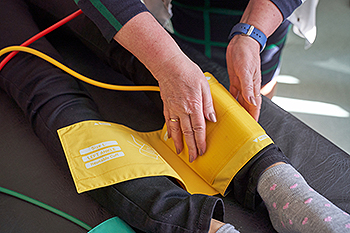
While PAD occurs in the legs and arteries, Podiatrists can diagnose PAD. Podiatrists utilize a test called an ankle-brachial index (ABI). An ABI test compares blood pressure in your arm to you ankle to see if any abnormality occurs. Ultrasound and imaging devices may also be used.
Treatment
Fortunately, lifestyle changes such as maintaining a healthy diet, exercising, managing cholesterol and blood sugar levels, and quitting smoking, can all treat PAD. Medications that prevent clots from occurring can be prescribed. Finally, in some cases, surgery may be recommended.
If you have any questions, please feel free to contact one of our offices located in Issaquah, WA . We offer the newest diagnostic and treatment technologies for all your foot care needs.
Are You Suffering From Ingrown Toenails?

If left untreated, an ingrown toenail can lead to more serious concerns, such as an infection. Knowing proper nail care can help in the prevention of an ingrown toenail. Give us a call, and get treated!
Dr. Brandon Nelson, Discusses How To Get Through Bunion Surgery
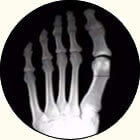
Bunion surgery can be overwhelming when one starts to think of all the logistics. It is important to start planning early in order to maximize outcomes and have a smooth recovery period. I have some advice that I think can be quite helpful for patients thinking about bunion surgery. Here are my top 10 tips:
1. Make a list of expectations for your surgeon. Bring a list to your preop and we are always happy to go through these.
2. Take a week off, be a couch potato. Sacrifice upfront will make it easier in the long run.
3. Know that you will have pain, discuss any concerns with your surgeon. Have all our pain meds/rxs filled before surgery.
4. Plan how you will get around, crutches, knee scooter, etc.
5. Have a central place in your house set up. Make it close to the bathroom and anything you will need to be comfortable.
6. Take a bone healing supplement this will decrease healing times.
7. Start your toe range of motion early this will help with stiffness.
8. Plan how you will shower, sleep and use the toilet.
9. Purchase some bandages, 4x4 gauze and coban.
10. Look at your post-op surgical schedule, when will you start walking, start ROM, be able to shower, etc.
Well I hope this is helpful and goodluck!
If you are experiencing foot or ankle pain, give us a call today at 425-391-8666 or make an appointment online today.
Dr Brandon Nelson, A Board Certified Physician, Discusses Morning Heel Pain
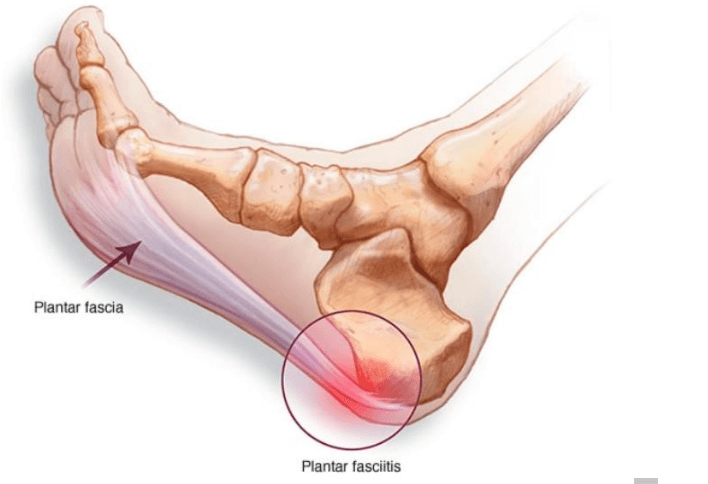
Moring heel pain is extremely painful and can cause quite a disruption to your daily routine. It is not only uncomfortable but also can become emotional upsetting to start one’s day with pain. It is estimated that about 60-70% of adults will experience this at some point in their life and it can last months without treatment.
The pain is one’s heel is usually related to inflammation of your plantar fascia. Your plantar fascia provides structural support to your foot and is activated when you walk. It runs the entire length of your foot and starts at your heel and continues to your toes.
Treatment of morning pain usually starts with stretching and icing. I recommend using a theraband or a belt to stretch before you get out of bed. Massage is another option and icing can provide help with the inflammation. It is important to consult a physician before beginning your treatment as not all heel pain is plantar fasciitis.
