




August 2021
What to Do to Keep Your Child’s Feet Healthy
Being a parent involves caring for your child in every way you can. You make sure they are eating the right food, being nice to others, and staying out of any trouble. However, it is also important that you are watchful of their health, more specifically their foot health. Maintaining good foot health in childhood is important in preventing later conditions in life from happening. As children continue to develop, their feet require different techniques of care. Here are some various ways in which you can help your child’s feet stay healthy.
A baby needs a lot of care and attention overall, but the importance of their feet should never be forgotten. Before a baby turns one, their feet change and develop greatly. It is important that during this time, a mother avoids putting tight socks on their child. She should also encourage movement of their feet so the baby can begin to feel more comfortable using them.
As a baby enters the toddler years of his or her life, they are begin to walk around. When your baby begins to take those first steps, it is crucial that they are wearing protective shoes on their feet. As a mother that is observant of your child’s feet, you may notice changes in them. This is completely normal as the feet are becoming susceptible to the activity of walking. It is normal for a toddler to be a bit unsteady or to “walk funny” at first.
When your child grows out of their toddler years, it is important that you begin to show him or her how to care for their feet on their own. Practice with your child proper hygiene in order to prevent foot fungus or infection. Since children are constantly on the move, it is crucial to be cautious of any accidents or injuries that might occur. If an injury occurs, it is advised that you take your child to be examined by a doctor immediately. Since your child is still growing, particular injuries can shift the way in which a bone or other important part of the foot is developing.
Babies and kids are always changing and growing. Your job as a parent is to make sure they stay healthy and making sure they are properly maintained. This involves proper foot care and making sure the feet stay healthy. Following this guide, your child can live a long and happy life.
How to Tell if Your Child May Have a Foot or Ankle Issue
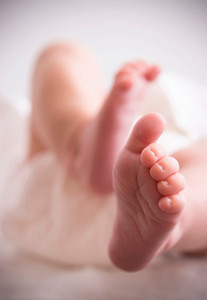
It might be difficult to know when your child has developed a foot or ankle issue. Because they may not be able to verbalize what’s wrong, or their symptoms may be hard to spot, you should keep an eye out for other warning signs. If your child struggles to keep up physically with their friends or their legs or feet get tired, this may be an indication of flat feet. Between the ages of 8 and 14 children may experience sever’s disease, where the Achilles tendon pulls on the growth plate at the back of the heel. This causes heel pain which may cause your child to shy away from physical activities. If your child is hiding their feet from you, they may have noticed some change and want to avoid going to the doctor. If your child seems clumsy or frequently trips or falls it may indicate a balance or neuromuscular issue, or that their feet point inward when they walk or run. Of course if they complain of any pain or discomfort in their feet, or you notice any of these warning signs, make an appointment for your child with a podiatrist for a full examination.
The health of a child’s feet is vital to their overall well-being. If you have any questions regarding foot health, contact the podiatrists of Issaquah Foot & Ankle Specialists. Our doctors can provide the care you need to keep you pain-free and on your feet.
Tips for Keeping Children's Feet Healthy
- Make sure their shoes fit properly
- Look for any signs of in-toeing or out-toeing
- Check to see if they have Clubfoot (condition that affects your child’s foot and ankle, twisting the heel and toes inward) which is one of the most common nonmajor birth defects.
- Lightly cover your baby’s feet (Tight covers may keep your baby from moving their feet freely, and could prevent normal development)
- Allow your toddler to go shoeless (Shoes can be restricting for a young child’s foot)
- Cut toenails straight across to avoid ingrown toenails
- Keep your child’s foot clean and dry
- Cover cuts and scrapes. Wash any scratches with soap and water and cover them with a bandage until they’ve healed.
If you have any questions, please feel free to contact one of our offices located in Issaquah, WA . We offer the newest diagnostic and treatment technologies for all your foot care needs.
Dr Timothy Young Talks About Tight Calves and Foot Problems, Part 2
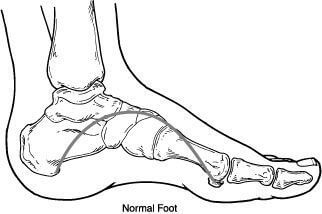
Tight calves and Achilles are a major factor in many foot problems. That is why we use a night splint and calf stretching is helpful for many problems. Problems in the front of the foot like 2nd toe capsulitis metatarsalgia often respond well to calf stretching. We have discussed how during gait, early heel rising and transfer of weight to the front of the foot can increase the load and weight transfer to the forefoot (and midfoot). This early transfer of weight and mechanical load can be destructive.
With our example of capsulitis of the 2nd toe, we now have an extra load going through the 2nd metatarsal and toe joint. Eventually the extra load can strain the 2nd metatarsal and capsule. This can lead to capsulitis or even a stress fracture of the metatarsal. So, to help with this, we have our patients stretch their calf and use a night splint. We avoid shoes that further put more pressure on the front of the foot (like high heeled shoes). We even recommend shoes with zero heel drop, like Altra shoes. This is just one example of how equinus can factor into a foot problem, there are so many more examples where this happens. So, this is just the “tip of the iceberg” as a major factor in many foot problems and pathology. Keeping your calf stretched out is one of the single best exercises you can do to keep your feet healthy!
If you are experiencing foot or ankle pain, give us a call today at 425-391-8666 or make an appointment online.
Flip Flops and Feet
Flip flops are often a popular choice of footwear for many people. Flip flops allow your feet to breathe and give your toes the freedom of movement. They are easy to slip on and can be worn with virtually any style of clothing. Flip flops, however, despite their many benefits, can be detrimental for your foot health.
Despite their comfortableness, frequently wearing flip flops can create problems in the lower body over time. Issues mainly stem from the fact that people walk differently in flip flops compared to other footwear, such as sneakers. This is due to a change in one’s natural gait, which therefore creates stress in different parts of the body while hindering the body’s natural posture. Problems can also arise in the arches and balls of the feet. Flip flops provide little to no support to these areas.
Aside from long-term problems, flip-fops can also create short-term issues as well, such as ankle sprains and blisters. Weak materials that are flexible and bendable are generally used to manufacture flip flops. These materials make its wearers prone to both tripping and injuring their ankles. Flip flops can create blisters as the material rubs against the foot. People are much more at risk for infection while wearing flip flops due to their openness. This also makes it easier to scrape and cut the foot since there is a lack of protection. If these cuts are left untreated and uncovered, the risk then becomes greater.
To prevent the aforementioned occurrences, purchase a pair of flip flops that offer significant protection. The soles of the flip flops should not be floppy, but sturdy and firm, and should not significantly bend or wiggle when lifted from the floor. Flip flops made of high-quality materials will not be affected by this problem. While higher quality flip flops may be more expensive, they will last longer and provide better protection compared to a cheaper pair. Brand name flip flops sold from a quality manufacturer are a dependable option.
There is no problem in wearing your favorite pair of flip flops so as long as you do not wear them daily or for extended periods of time. Flip flops should be replaced every 3-4 months to ensure that they provide your feet with the best protection.
Can Wearing Flip Flops Cause Foot Damage?
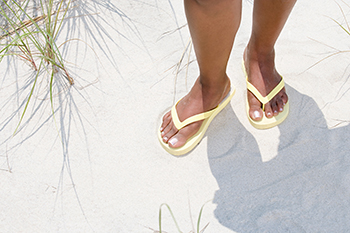 Many people take their feet for granted, despite the fact they are considered to be the foundation of the body. Frequently wearing flip flops may cause foot injury and pain, in addition to contributing to poor foot mechanics. The muscles in the foot may also be negatively affected, and this can lead to serious foot problems. Existing foot conditions like arch and heel pain, may worsen when flip flops are worn. If you would like more information about the harmful effects of wearing flip flops, please consult with a podiatrist.
Flip-flops can cause a lot of problems for your feet. If you have any concerns about your feet or ankles, contact the podiatrists from Issaquah Foot & Ankle Specialists. Our doctors will assist you with all of your foot and ankle needs.
Flip-Flops and Feet
Flip-flops have managed to become a summer essential for a lot of people. While the shoes may be stylish and easy to slip on and off, they can be dangerous to those who wear them too often. These shoes might protect you from fungal infections such as athlete’s foot, but they can also give you foot pain and sprained ankles if you trip while wearing them.
When Are They Okay to Wear?
Flip-flops should only be worn for very short periods of time. They can help protect your feet in places that are crawling with fungi, such as gym locker rooms. Athlete’s foot and plantar warts are two common fungi that flip-flops may help protect your feet against.
Why Are They Bad for My Feet?
These shoes do not offer any arch support, so they are not ideal for everyday use. They also do not provide shock absorption or heel cushioning which can be problematic for your feet. Additionally, you may suffer from glass cuts, puncture wounds, and stubbed toes since they offer little protection for your feet.
More Reasons Why They Are Bad for Your Feet
- They Slow You Down
- May Cause Blisters and Calluses
- Expose Your Feet to Bacteria
If you have any questions, please feel free to contact one of our offices located in Issaquah, WA . We offer the newest diagnostic and treatment technologies for all your foot care needs.
