




April 2020
Foot Pain and Morton’s Neuroma
 Morton’s neuroma is an uncomfortable foot condition that may develop for a number of reasons. One common cause of Morton’s neuroma is ill-fitting footwear. Those who wear shoes that restrict or constrain the toes may develop Morton’s neuroma. This condition is caused by a pinch nerve that creates a sharp, burning sensation that can be incredibly painful. Some patients that have had this condition describe experiencing feeling as if they are walking with a pebble stuck in their shoe. Most of the discomfort from this condition is felt in the ball of the foot or toe areas. To help find relief, it may be helpful to wear wider shoes. For professional advice on how to treat this condition, it’s suggested that you consult with a podiatrist.
Morton’s neuroma is a very uncomfortable condition to live with. If you think you have Morton’s neuroma, contact the podiatrists of Issaquah Foot & Ankle Specialists. Our doctors will attend to all of your foot care needs and answer any of your related questions.
Morton’s Neuroma
Morton's neuroma is a painful foot condition that commonly affects the areas between the second and third or third and fourth toe, although other areas of the foot are also susceptible. Morton’s neuroma is caused by an inflamed nerve in the foot that is being squeezed and aggravated by surrounding bones.
What Increases the Chances of Having Morton’s Neuroma?
- Ill-fitting high heels or shoes that add pressure to the toe or foot
- Jogging, running or any sport that involves constant impact to the foot
- Flat feet, bunions, and any other foot deformities
Morton’s neuroma is a very treatable condition. Orthotics and shoe inserts can often be used to alleviate the pain on the forefront of the feet. In more severe cases, corticosteroids can also be prescribed. In order to figure out the best treatment for your neuroma, it’s recommended to seek the care of a podiatrist who can diagnose your condition and provide different treatment options.
If you have any questions, please feel free to contact one of our offices located in Issaquah, WA . We offer the newest diagnostic and treatment technologies for all your foot care needs.
Morton's Neuroma
Morton's Neuroma, also called Intermetatarsal Neuroma or Plantar Neuroma, is a condition that affects the nerves of the feet, usually the area between the third and fourth toe. Neuroma refers to a benign growth that can occur in different parts of the body. Morton's Neuroma strictly affects the feet. This condition causes the tissue around the nerves that lead to the toes becoming thick, causing pain in the ball of the foot.
This condition can be caused by injury, pressure or irritation. Normally no lump will be felt, but instead burning pain in the ball of the foot will be experienced. Numbness and tingling may also occur. With the onset of this condition, a person may feel pain when tight or narrow shoes are worn. As the condition worsens, the pain may persist for days, or even weeks.
Persistent foot pain should always be a concern. The foot should be examined by a podiatrist if pain persists longer than a few days with no relief from changing shoes. The earlier the foot is examined and treated, the less chance there will be for surgical treatment.
There are some factors that can play a role in the development of Morton's Neuroma. These include wearing ill-fitting shoes that cause pressure to the toes, such as high heels. Also, high impact exercise may contribute to the cause of this condition. Morton’s Neuroma may also develop if the foot sustains an injury. Another cause includes walking abnormally due to bunions or flat feet. This causes excessive pressure and irritates the tissue. At times, people are affected for no determinable reason.
Podiatrists can alleviate the effects of this condition using a treatment plan to help decrease the pain and heal the foot tissue. Depending upon the severity of the Morton's Neuroma, the treatment plan can vary. For cases that are mild to moderate, treatments may include applying padding to the arch to relieve pressure from the nerve and reduce compression while walking. Ice packs can also help reduce swelling. The podiatrist may also create a custom orthotic device to support the foot and reduce compression and pressure on the affected nerve. The doctor will probably advise against partaking in activities that cause constant pressure on the affected area. They may provide wider shoes to ease the pressure from the toes. If these treatments do not relieve the symptoms of this condition, the doctor may use injection therapy.
Surgical treatment may be recommended by the podiatrist if all other treatments fail to provide relief. Normally, the podiatric surgeon will decide on either a surgical procedure that involves removal of the affected nerve or will choose surgery to release the nerve. After examination, the surgeon will decide on the best approach to treat the problem.
Recovery varies according to the type of surgical procedure. The patient will also be instructed on the best shoe wear to prevent the return of this condition, along with changes to workout routines, if this was a cause. Preventative measures are important in ensuring the condition does not return.
Dr. Brandon Nelson Discusses The Best Taping Techniques For Plantar Fasciitis
By far the most common conditions we treat at our clinic is plantar fasciitis or heel pain. We see both children and adults for this condition. It is very common for people, especially once they get back to exercising. Plantar fasciitis can be quite painful and debilitating. A lot of patients experience pain in the morning or pain after sitting for prolonged periods of time. Often times there are a lot of discussions about home remedies including stretching and icing and taping of the foot.
There are many different techniques to take the foot. One of the best is called a Low-Dye taping. I’m going to demonstrate this on our Youtube channel, which you can view here. In addition I have placed link to our free heel pain book which gives other great techniques to relieve heel pain.
If you are experiencing heel pain, give us a call at 425-391-8666 or make an appointment online today.
Dr. Brandon Nelson Discusses The Best Options For Bunion Surgery

Bunion surgery can be performed in an outpatient setting. This means that for a lot of people they will not need to stay the night in a hospital or even have to have the procedure in a hospital setting. The preference being at an ambulatory surgery center or an office-based surgery center is due to the cost savings and time savings. The majority of bunion procedures can be performed in less than 2 hours.
At Issaquah Foot and Ankle Specialists we have an on-site surgery center for performing bunion surgery. Bunion surgery itself is usually performed on the first metatarsal at either the head or the very distal aspect of the metatarsal or at the base of the metatarsal cuneiform joint. Bunion surgery selection is often based on the size of the deformity in the overall foot structure the patient. It is important to be examined for the bunion itself so we can look at other deformities to make sure there not contributing to this pathology. If you have a bunion and have pain and irritation or interested in looking into having it fixed permanently give us a call at 425-391-8666 or make an appointment online.
How To Heal Plantar Fasciitis

It is the little things! Plantar fasciitis is often an extremely stubborn problem. It often takes a combination of treatments to get this to resolve. Some of the core treatments involve appropriate shoes, prescription orthotics, night splints, icing and other anti-inflammatory treatments. However, sometimes it is surprising how effective it can be to do a little "fine tuning" to the treatment program.
We may have a patient where we have been doing all the right things as mentioned above. And then we question our patient: have you been stretching 4 times a day and the answer is no. And just something like ramping up the stretching to 4 times a day and/or being very consistent with a night splint can make all the difference.
Another example can be wearing the right shoes. Wearing flats or Converse shoes or other shoes that just don't have much structure or support are not helpful for this problem. It is critical to get the shoes that are recommended. For example very good athletic shoes with both a combination of structure and support. This is yet another example where adding this one item while continuing to do everything else, and finally the problem gets better!
If you have heel pain, give us a call at 425-391-8666 or make an appointment online today. Myself, Dr. Timothy Young, or my partner Dr. Brandon Nelson would love to see you.
Dr. Brandon Nelson Talks About How To Treat Plantar Fasciitis
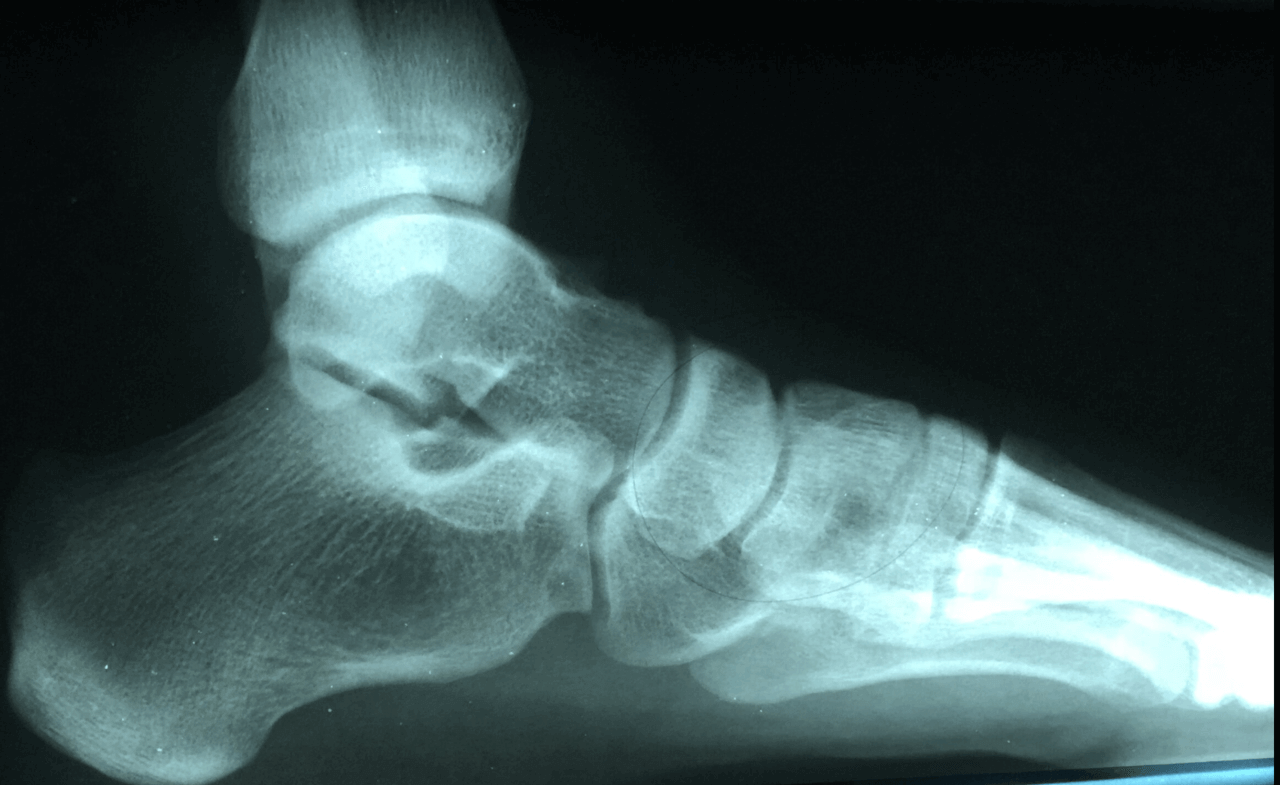
The statistics say about 60% of American adults with suffer from plantar fasciitis at some point in their life. The symptoms most commonly associated with plantar fasciitis include; pain in the morning, pain after walking or a burning or bruised sensation to the heel. Plantar fasciitis is best used to describe these symptoms if they have been present for only a few months. After a few months it is more accurate to describe it as plantar fasciosis. Plantar fasciosis refers to a chronic inflamed process of the heel as opposed to an acute.
Plantar fasciitis is by far the most common reason a patient will visit a podiatrist. Heel pain can be extremely challenging and quite debilitating. Often patients that present to Issaquah Foot and Ankle Specialists have seen other physicians and are hoping for a miracle. Well I can tell you we always have a treatment routine that has not been tried as we are the number one source for heel pain in Washington State. We treat other physicians and medical providers on a regular basis as they know we have the latest technology and research combined to maximize outcomes for patients. If you suffer from heel pain let us help you heal.
If you are experiencing heel pain, give us a call at 425-391-8666 or make an appointment online.
How Contagious Is Toenail Fungus?
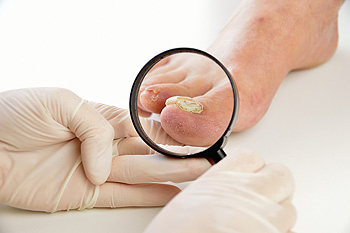 Toenail fungus is a contagious fungal skin infection that can be spread directly or indirectly. It is most commonly spread in warm, moist environments. These locations typically include public swimming pools, communal showers, gyms, and locker rooms. To help prevent obtaining a fungal infection, it may be beneficial to wear appropriate footwear when you are in these locations. Some symptoms of this condition may include discoloration of the affected toenail, thickening of the toenail, and in more severe cases, the toenail may become brittle and begin to break off. In order to safely treat a toenail fungal infection, it’s suggested that you consult with a podiatrist for professional care and advice.
For more information about treatment, contact the podiatrists of Issaquah Foot & Ankle Specialists. Our doctors can provide the care you need to keep you pain-free and on your feet.
Toenail Fungus Treatment
Toenail fungus is a condition that affects many people and can be especially hard to get rid of. Fortunately, there are several methods to go about treating and avoiding it.
Antifungals & Deterrence
Oral antifungal medicine has been shown to be effective in many cases. It is important to consult with a podiatrist to determine the proper regiment for you, or potentially explore other options.
Applying foot powder on the feet and shoes helps keep the feet free of moisture and sweat.
Sandals or open toed shoes – Wearing these will allow air movement and help keep feet dry. They also expose your feet to light, which fungus cannot tolerate. Socks with moisture wicking material also help as well.
If you have any questions please contact one of our offices located in Issaquah, WA . We offer the newest diagnostic and treatment technologies for all your foot and ankle needs.
Toenail Fungus
Toenail fungus is a frustrating problem that affects many people. It can be persistent and hard to get rid of. As many different types of fungi are present throughout the environment, it is very easy to contract toenail fungus.
The feet are especially susceptible to toenail fungus because shoes and socks create the ideal dark and moist environment that fungal infections thrive in. While fungal infections of the nail plate are quite common, if left untreated they can spread beyond the toenail and into the skin and other parts of the body.
Signs of toenail fungus include a thickened nail that has become yellow or brown in color, a foul smell, and debris beneath the nail. The toe may become painful due to the pressure of a thicker nail or the buildup of debris.
Treatment for toenail fungus is most effective during the early stages of an infection. If there is an accumulation of debris beneath the nail plate, an ingrown nail or a more serious infection can occur. While each treatment varies between patients, your podiatrist may prescribe you oral medications, topical liquids and creams, or laser therapy. To determine the best treatment process for you, be sure to visit your podiatrist at the first signs of toenail fungus.
Dr. Timothy Young Talks About Bunion Surgery in Seattle.
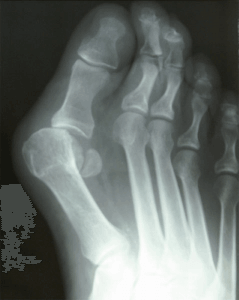
What to expect after bunion surgery with your cast.
Dr. Timothy Young Talks About Foot Surgery in Seattle

How to maximize your recovery after bunion surgery, with soft tissue and bone healing.
Give us a call at 425-391-8666 or make an appointment online today.
