




December 2020
Dr. Brandon Nelson Discusses What Foods to Avoid With Gout
It is advisable to avoid especially sugary drinks and candies, however naturally occurring sugars found improvement but still usually have significant effect. In addition we know that processed foods as well can have an increased effect and uric acid production. Other foods that should be avoided include red meat, organs and wild game. In addition some fish like Salmon and Tuna should be limited as well. Alcohol consumption has a long-standing association with causing significant gouty attacks. Vegetables are generally considered safe. If you are suffering from big toe pain, swelling and redness we at Issaquah Foot and Ankle Specialists can help.
Give us a call today at 425-391-8666 or make an appointment online today.
Dr. Timothy Young Talks About Post Op Hallux Valgus or Bunion Surgery, Narcotics Problems
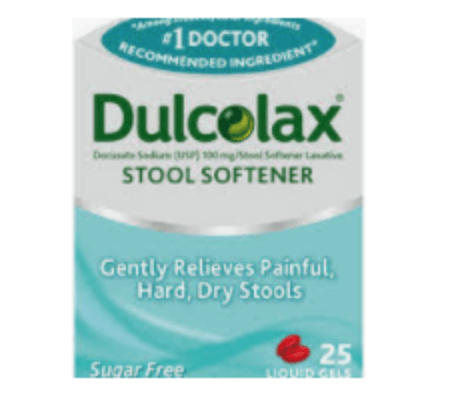
We have discussed many things to consider after foot surgery in the previous post. There are several other things of course to think about with narcotic pain medication. Number one is to respect the potential for narcotic addiction. As soon as your pain is much reduced, you should stop taking your narcotic pain meds. You have to plan on meals and food. Remember to take narcotic pain meds with food. Make sure you drink plenty of water. It’s also good idea to plan on taking a stool softener so that you don’t get constipated with a narcotic pain medication such as docusate (Colace). A fiber laxative may also be helpful. Buy the stool softener before your surgery so you are prepared. If things get too far along don’t forget to take a suppository as another option. The most critical thing is that you need to make sure that you have bowel movements daily and you don’t get behind on this. You should keep track of your bowel movements along with your narcotic and post op medication log. ust add the info to your medication log.
If you have questions about hallux valgus bunion surgery or bunion correction, please let us know if you would like a consultation. Give us a call today at 425-391-8666 or make an appointment online.
Dr. Brandon Nelson Discusses a Torn Plantar Fascia
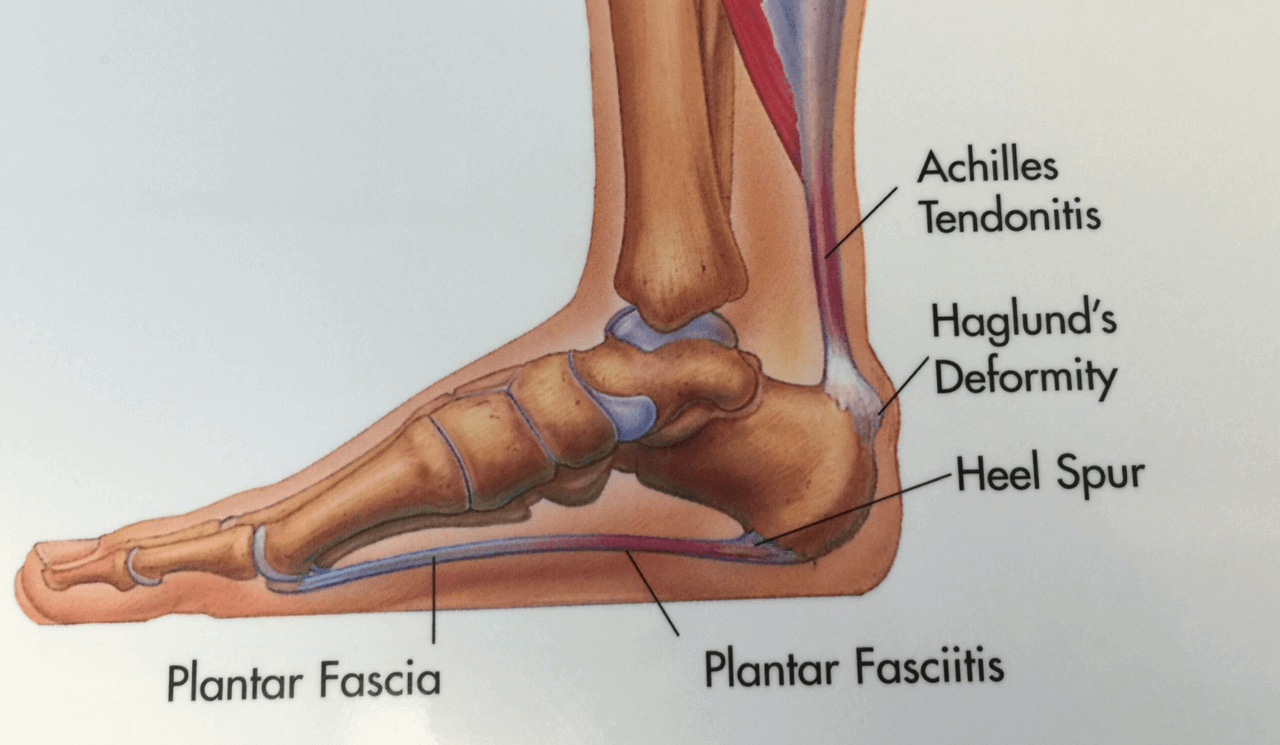
Greg Olsen, a tight end recently signed with the Seattle Seahawks, is recovering from his torn fascia. Many of you know him as a great tight and with a long story career. He has been on injured reserved for his torn fascia. Tearing of the fascia can be extremely painful event as you can see with his original injury he was carted off the field. Most people will feel a pop in their foot and had instant pain.
Some people called a burning or searing type pain. He can take quite a long time to recover from a torn fascia and anytime you hear popping or tearing it is recommended he seek help from a physician. Has been amazing to see Greg’s progress with this torn fashion has returned activities. Often times this can be a long arduous recovery however most people will make a full recovery. Being a professional athlete does have some advantages as far as modalities available for recovery and treatment. If you are suffering from plantar fasciitis especially long term plantar fasciitis and can lead to a torn fascia. Do not let this happen to you. please contact Issaquah Foot and Ankle Specialists today, and we'll be more than happy to help you.
Give us a call at 425-391-8666 or make an appointment online today.
Dr. Timothy Young Talks About Prescriptions and Post Procedure Pain Medication
Make sure to get your prescriptions well before bunion surgery, so that they are filled, and you are ready to go. Make sure that you have everything that you need. This can range from narcotic pain medication to something to help for nausea that often accompanies the narcotic pain medication and then you might need antibiotics. If you have antibiotic's we do recommend that you take a probiotic also.
Regarding narcotic pain medication and bunion pain relief, it’s a good idea to consider promethazine or even Benadryl. Nausea with narcotics is common and it is best to have a plan to make sure that you can address nausea or be proactive, so it never happens! Medications such as promethazine and can help with nausea. Promethazine can also make a narcotic medication more effective at pain control. Promethazine can cause respiratory depression and it is important to follow your medical advice. We have lowered our dose of Promethazine from 25mg to 12.5 mg to help address concerns with respiratory depression. There are other medications such as Zofran that also help with nausea. Zofran is great because there is an "under the tounge" form that is great if you are already nauseated and cannot keep food down. That beats a suppository! Be aware that many people who take any kind of narcotic such as Vicodin or Percocet often get nausea. You should take promethazine with food and wait 10 or 15 minutes before you take your narcotic pain medication. It can be easy to lose track of what medications that you have taken and when you have taken them. It’s a good idea to keep a medication log so you can keep track of the pain medication also and make sure that you’re taking them on time with the correct schedule.
If you have questions about hallux valgus bunion surgery or bunion correction, please let us know if you would like a consultation. Give us a call today at 425-391-8666 or make an appointment online.
Ankle Sprains
Ankle sprains occur when ligaments that support the ankle stretch beyond their limits and tear. These types of injuries are very common and can occur in people of all ages. Sprains may range from mild to severe, depending on how much damage is done to the ligaments. If a sprain goes untreated, a more severe sprain may occur which can further damage the ankle. Repeated ankle sprains can lead to chronic ankle pain.
There are some risk factors that can increase your risk of suffering a sprained ankle. Those who participate in sports, walk on uneven surfaces, have a prior ankle injury, are in poor physical condition, or wear improper shoes are more likely to get a sprained ankle.
There are a few symptoms to look out for if you suspect you are suffering from a sprained ankle. Some common symptoms are swelling, bruising, tenderness, and instability of the ankle. In cases where the tearing of the ligaments is severe, there may be a “popping” sound when the strain occurs.
The RICE method is proven to be effective in treating ankle sprains. RICE stands for Rest, Ice, Compression, and Elevation. Rest is important for treatment, especially within the first 24 to 48 hours. You should also ice your sprained ankle for the first 48 hours for 20 minutes at a time. A small piece of cloth should be placed between the ice and the affected area. For the compression step, you should wear a brace that is snug, but not too tight that it cuts off circulation. When choosing a brace, be sure to choose one that is suitable for the type of ankle sprain you have. Lastly, you should elevate your foot above the heart as often as possible.
After you treat a sprain, you should go through rehabilitation to prevent the injury from occurring again. There are three phases to the rehab process. The first phase involves resting, protecting, and reducing the swelling of the injury. The second phase consists of restoring the ankle’s flexibility, range of motion, and strength. The third phase consists of slowly returning to activity and maintenance exercises.
If you suspect you have an ankle sprain, you shouldn’t hesitate to consult with your podiatrist. Your podiatrist will be able to give you a proper diagnosis and a suitable treatment option for your condition.
What Are Common Symptoms of a Sprained Ankle?
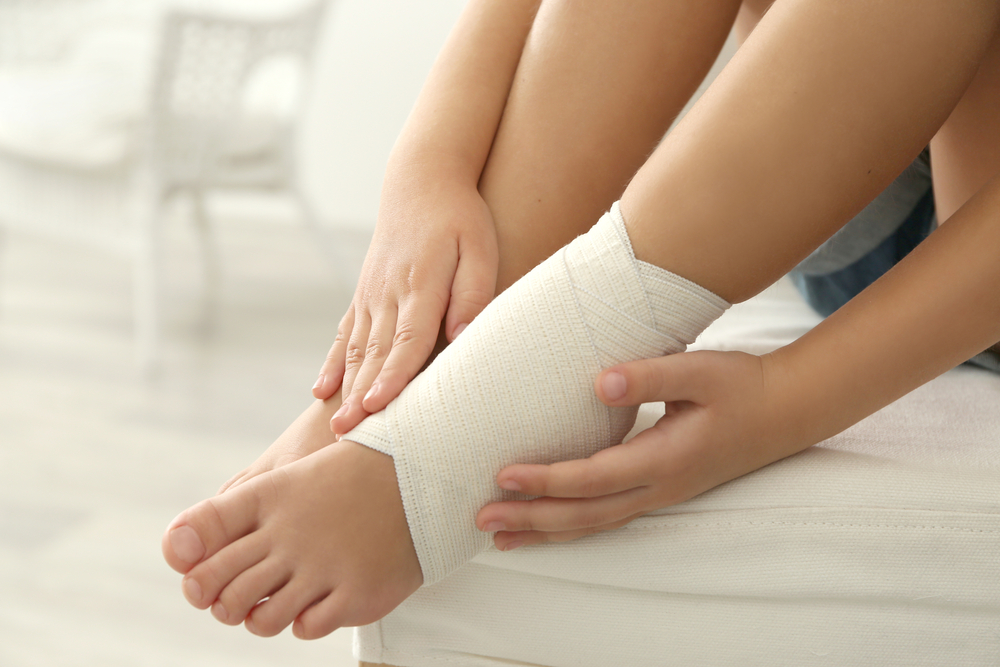 Torn ligaments in the ankle may be indicative of an ankle sprain. This can occur by suddenly stepping off of a curb, or from twisting the ankle beyond its normal limitations. Common symptoms that are often associated with this ailment can include immediate swelling, bruising, and it can become difficult to walk. Patients may find it painful to move the affected area, and the overall ankle may hurt when it is touched. It is beneficial to seek immediate medical attention if you feel you have sprained your ankle. A visit for a sprained ankle generally consists of having an X-ray taken, which is helpful in ruling out a broken ankle. Mild relief may be found when the affected foot is elevated, in addition to wrapping it with an elastic bandage. This is needed to provide ankle stability as the healing process takes place. If you think that you may have sprained your ankle, it is strongly suggested that you seek the counsel of a podiatrist who can effectively treat this condition.
Although ankle sprains are common, they aren’t always minor injuries. If you need your ankle injury looked at, contact the podiatrists from Issaquah Foot & Ankle Specialists. Our doctors can provide the care you need to keep you pain-free and on your feet.
How Does an Ankle Sprain Occur?
Ankle sprains are the result of a tear in the ligaments within the ankle. These injuries may happen when you make a rapid shifting movement while your foot is planted. A less common way to sprain your ankle is when your ankle rolls inward while your foot turns outward.
What Are the Symptoms?
- Pain at the sight of the tear
- Bruising/Swelling
- Ankle area is tender to touch
- In severe cases, may hear/feel something tear
- Skin discoloration
Preventing a Sprain
- Wearing appropriate shoes for the occasion
- Stretching before exercises and sports
- Knowing your limits
Treatment of a Sprain
In many cases, the RICE method (Rest, Ice, Compression, and Elevate) is used to treat ankle sprains. However, you should see a podiatrist to see which treatment option would work best with your injury. In severe cases, surgery may be required.
It is important to ask your doctor about rehab options after you receive treatment for your injury. Stretching, strength training, and balance exercises may help the ankle heal while also preventing further injury.
If you have any questions, please feel free to contact one of our offices located in Issaquah, WA . We offer the newest diagnostic and treatment technologies for all your foot care needs.
Dr. Young Talks About Using a Scooter After Surgery
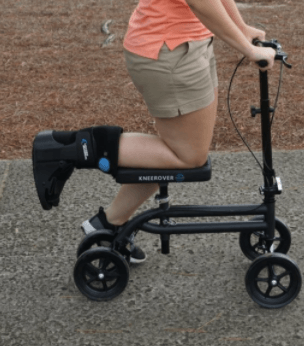
If you need to keep off your foot after surgery, then you can do this one of several ways. A scooter can be a very good option. If you have to use a scooter then you can plan on that ahead of time also. There are different ways of getting a scooter. One would be to use a medical supply company that could deliver it and possibly your insurance would pay for it. Many times our patients will look on craigslist, offer up or next-door and either buy a used one or in some cases they can just borrow one on a site such as next-door.
Either way make sure that you practice with the scooter, and make sure it is going to work in your situation. For example you may want to make sure that you’re on the main floor of your house where are use your scooter. Also, make sure that you have a plan to get up and down the stairs to you Your house. So you might need to use crutches for the house, and then keep the scooter in the car. You need to come up with a plan how to do this. Remember, it is easier to get your scooter before surgery and go through scenerios of where and how you are going to use it. When you’re done with the scooter you may be able to simply list it on craigslist or offer up or next-door and be done with it.
If you are experiencing foot or ankle pain, give us a call today at 425-391-8666 or make an appointment online.
Dr. Nelson Discusses Bunion Pain Relief
.jpg)
Bunions can be a very difficult pathology to deal with as a patient. The majority of patients that have bunion pain are typically female between the ages of 25-55. Etiology of the bunion remains a mix of genetics and environmental factors like shoes and activity levels. Bunions can develop on the inside or the outside of the foot. Bunion on the inside of the foot can also be called metatarsus primus varus or hallux abductovalgus. Bunion on the outside of the foot is called a tailor’s bunion. Bunions can be extremely painful with activities especially as people change activities like beginning to run or do exercises that require a lot of movement.
There are many different options to relieve bunion pain. The options are categorized as surgical or conservative. From a surgical standpoint it depends on the severity of the bunion as to which procedure is selected as well as the recovery time is correlated to this. Conservative care can be useful for many patients that have a new onset of bunion pain or are not ready to have it fixed surgically. There are prescription orthotics that can be specifically used to address bunion pain as well as lubricating injection series to reduce the painful joint. I get a lot of questions about conservative measures about strapping and padding for the bunions however these measures do not typically work and will not reverse a bunion.
If you have bunion pain and would like to discuss either conservative or surgical measures we are here to help. Give us a call at 425-391-8666 or make an appointment online today.
Sever's Disease
Sever's disease, also known as calcaneal apophysitis, is a medical condition that causes heel pain in children’s feet while they’re growing. Sever's disease occurs most commonly in boys and girls between the ages of 8 and 14.
Sever's disease occurs when the child’s growth plate, or the calcaneal epiphysis, an area attached to the Achilles tendon, is injured or when the muscles and tendons of the growing foot do not keep pace with bone growth. The result is constant pain experienced at the back of the heel and the inability to put any weight on the heel. This forces the child to bear weight on their toes while walking. When a toe gait develops, the child must change the way they walk to avoid placing weight on the painful heel. If this is not properly addressed, this can lead to further developmental problems.
The most common symptom of Sever's disease is acute pain felt in the heel when a child engages in physical activity such as walking, jumping or running. Children who are active athletes are among the group most susceptible to experiencing Sever's disease. This is due to the extreme stress and tension placed on their growing feet. The rolling movement of the foot during walking or running and obesity are both additional conditions linked to causing Sever's disease.
The first step in treating Sever's disease is to rest the foot and leg and avoid physical activity. Over the counter pain-relieving and anti-inflammatory medications can be helpful for reducing the amount of heel pain. A child with Sever's disease should also wear shoes that properly support the heel and the arch of the foot. Consider purchasing orthotic shoe inserts which can help support the heel and foot while it is healing. Most patients with Sever's disease symptoms report an eventual elimination of heel pain after wearing orthotic insoles that support the affected heel.
Sever's disease may affect either one heel or both. It is important for a child experiencing heel pain to be examined by a foot doctor who can apply the squeeze test. The squeeze test compresses both sides of the heel in order to determine if there is intense pain. Discourage any child diagnosed with Sever's disease from going barefoot as this can intensify the problem. Apply ice packs to the affected painful heel two or three times a day for pain relief.
Exercises that help stretch the calf muscles and hamstrings are effective at treating Sever's disease. An exercise known as foot curling has also proven to be very effective at treating Sever's disease. When foot curling, the foot is pointed away from the body, then curled toward the body to help stretch the muscles. The curling exercise should be done in sets of 10 or 20 repetitions and repeated several times throughout the day.
Treatment methods can continue for at least 2 weeks and as long as 2 months before the heel pain completely disappears. A child can continue doing daily stretching exercises for the legs and feet to prevent Sever’s disease from returning.
Sever's Disease and Heel Pain in Children
 Sever’s disease is a common issue that leads to heel pain in children between the ages of 8 and 14. Sever’s disease occurs when the bones in the calves grow faster than the Achilles tendon, which connects the heel bone to the calf muscle. This causes the tendon to tighten and the heel to become swollen and sore. Sever’s disease symptoms are typically most prominent during running or jumping activities. However, there is usually no long term damage caused by Sever’s disease as the child continues to grow. Common symptoms include limping, tenderness in the heel, especially after exercise, and swelling in the heel bone. If you believe that your child is struggling with Sever’s disease, consulting with a podiatrist is suggested.
Sever's disease often occurs in children and teens. If your child is experiencing foot or ankle pain, see the podiatrists from Issaquah Foot & Ankle Specialists. Our doctors can treat your child’s foot and ankle needs.
Sever’s Disease
Sever’s disease is also known as calcaneal apophysitis, which is a medical condition that causes heel pain I none or both feet. The disease is known to affect children between the ages of 8 and 14.
Sever’s disease occurs when part of the child’s heel known as the growth plate (calcaneal epiphysis) is attached to the Achilles tendon. This area can suffer injury when the muscles and tendons of the growing foot do not keep pace with bone growth. Therefore, the constant pain which one experiences at the back of the heel will make the child unable to put any weight on the heel. The child is then forced to walk on their toes.
Symptoms
Acute pain – Pain associated with Sever’s disease is usually felt in the heel when the child engages in physical activity such as walking, jumping and or running.
Highly active – Children who are very active are among the most susceptible in experiencing Sever’s disease, because of the stress and tension placed on their feet.
If you have any questions, please feel free to contact one of our offices located in Issaquah, WA . We offer the newest diagnostic and treatment technologies for all your foot care needs.
