




December 2020
Neuropathy
Neuropathy is the weakness, numbness, and pain in the hands and feet due to damage to the peripheral nerves. The peripheral nerves are responsible for sending information from the brain and spinal cord to the rest of your body. Causes of Neuropathy include: traumatic injuries, infections, metabolic problems, exposure to toxins, and diabetes.
Diabetes is the most common cause, with more than half of the diabetic population developing some type of neuropathy. There are several types of neuropathy and they vary based on the damage of the nerves. Mononeuropathy is classified as only one nerve being damaged. When multiple nerves are affected, it is referred as polyneuropathy. One of the types of polyneuropathy is distal symmetric polyneuropathy. It is the most common for people with diabetes and starts when the nerves furthest away from the central nervous begin to malfunction. The symptoms begin with pain and numbness in the feet and then they travel up to the legs. A rarer form of polyneuropathy is acute symmetrical peripheral neuropathy, which is a severe type that affects nerves throughout the body and is highly associated with Guillain-Barre syndrome, an autoimmune disorder that attacks the peripheral nervous system and can be fatal. Although there are many types of neuropathy, most of them share the same symptoms such as pain, extreme sensitivity to touch, lack of coordination, muscle weakness, dizziness, and digestive problems. Since neuropathy affects the nerves, those affected should be careful of burns, infection and falling, as depleted sensations disguise such ailments.
The best way to prevent neuropathy is to manage any medical conditions such as diabetes, alcoholism, or rheumatoid arthritis. Creating and managing a healthy lifestyle can also go a long way. Having a healthy diet full of fruits, vegetables, whole grains and lean protein can keep the nerves healthy. These types of food have the nutrients to prevent neuropathy. Regularly exercising can help as well, but it is best to consult with a doctor about the right amount. In addition to diet and exercise, avoiding risk factors will also prevent neuropathy. This includes repetitive motions, cramped positions, exposure to toxic chemicals, smoking and overindulging on alcohol.
Risk Factors for Developing Neuropathy
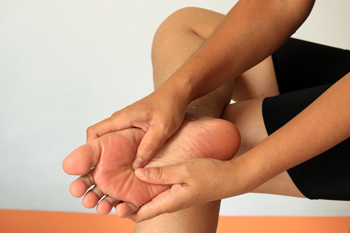 Neuropathy occurs when nerves that are in the feet or hands become damaged. Common symptoms of neuropathy include a sense of numbness or tingling, burning or stabbing pain, a loss of balance, and muscle weakness in the feet. Those who are older, have a family history of neuropathy, are malnourished, or have preexisting conditions like diabetes or cancer, are at a higher risk for developing neuropathy. Treatment options for this condition may include a nutritional plan, pain medications, or physical therapy. If you believe that you are afflicted with neuropathy it is important to consult with a podiatrist for proper treatment.
Neuropathy
Neuropathy can be a potentially serious condition, especially if it is left undiagnosed. If you have any concerns that you may be experiencing nerve loss in your feet, consult with the podiatrists from Issaquah Foot & Ankle Specialists. Our doctors will assess your condition and provide you with quality foot and ankle treatment for neuropathy.
What Is Neuropathy?
Neuropathy is a condition that leads to damage to the nerves in the body. Peripheral neuropathy, or neuropathy that affects your peripheral nervous system, usually occurs in the feet. Neuropathy can be triggered by a number of different causes. Such causes include diabetes, infections, cancers, disorders, and toxic substances.
Symptoms of Neuropathy Include:
- Numbness
- Sensation loss
- Prickling and tingling sensations
- Throbbing, freezing, burning pains
- Muscle weakness
Those with diabetes are at serious risk due to being unable to feel an ulcer on their feet. Diabetics usually also suffer from poor blood circulation. This can lead to the wound not healing, infections occurring, and the limb may have to be amputated.
Treatment
To treat neuropathy in the foot, podiatrists will first diagnose the cause of the neuropathy. Figuring out the underlying cause of the neuropathy will allow the podiatrist to prescribe the best treatment, whether it be caused by diabetes, toxic substance exposure, infection, etc. If the nerve has not died, then it’s possible that sensation may be able to return to the foot.
Pain medication may be issued for pain. Electrical nerve stimulation can be used to stimulate nerves. If the neuropathy is caused from pressure on the nerves, then surgery may be necessary.
If you have any questions, please feel free to contact one of our offices located in Issaquah, WA . We offer the newest diagnostic and treatment technologies for all your foot care needs.
Dr. Timothy Young Talks About Using Crutches After Foot Surgery

It may be helpful to have your house set up for easy navigation and getting around.
For example, if you’ve got crutches a scooter or a walker, then practice ahead of time and make sure it will all work in your location. If you’ve got a couch downstairs and you don’t want to go up and down your stairs you may want to plan on setting up some type of a bed on your couch on the main floor. If you have to go up and down the stairs, some of our patients will go up and down on their "rear-end" so that they don’t have to try and balance with crutches.
We like to go over these details and more at your "preop" appointment.
We are happy to further discuss in person, if you would like to see myself Dr. Timothy Young or my partner Dr. Brandon Nelson. Give us a call at 425-391-8666 or make an appointment online.
Dr. Timothy Young Talks About How To Prepare For Foot Surgery
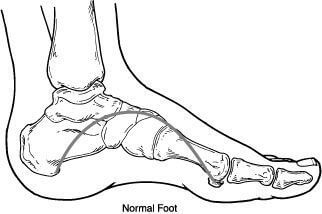
There’s several different things to think about in preparation for upcoming foot surgery.
It is important to think about these things before hand and to plan ahead of time.
There will be things to do to your surgical site to help make sure things heal correctly. For example, you can get a shower protective sleeve to go over your foot and calf.
When you have a bath or shower it will help to have a plastic chair outside of the shower.
And a plastic chair inside of the shower. I recommend using a hand held shower head that has a long flexible hose. These are about $20 at Home Depot and very easy to install. This way you can be sitting in the shower and not worrying about having to keep your balance. Also having the plastic chair inside the shower gives you a place to sit while use that hand held shower head and hose. Once you’re done you then have a plastic chair outside of where you can dry off and again not be sitting there balancing yourself. Note that it can be very hard to get in and out of a bathtub, the shower may be best (at least initially).
If you are experiencing foot or ankle pain, please give us a call at 425-391-8666 or make an appointment online.
Reminder: When Was the Last Time...?

Custom orthotics, or shoe inserts, should be periodically replaced. Orthotics must fit properly to give you the best results. Protect your feet and ankles!
