




October 2026
Biomechanics in Podiatry
Podiatry is a branch of medicine that deals with the study, diagnosis, and treatment of foot and ankle conditions. There are various subdivisions in podiatry; biomechanics is one of them. Biomechanics is the way in which the bones, muscles, and joints of the feet and lower limb interact with each other.
Our feet play crucial roles in the way we move, and it is rare to have feet that are completely symmetrical. Common biomechanical issues include high or low arches or uneven leg heights. Excessive pronation often leads to fallen arches, or flat feet, and is a common cause of running injuries. People whose feet are over-pronated tend to have flexible and unstable feet. Pain is usually experienced during walking and running.
At times, people may be able to adapt to these abnormalities without any difficulties, but in other cases, these issues can cause a great deal of pain. This pain occurs because the joints, muscles, ligaments, and tendons are put under an excess amount of stress during movement. Common symptoms of biomechanical problems stemming from the feet include hip pain, knee pain, leg cramps, ankle pain, lower back pain, weak ankles, tripping, heel pain, Achilles pain, and shin splints.
Many biomechanical issues can be treated with orthotics. Orthotics are shoe insoles that are used to help control the way the foot operates. They can provide relief from foot pain, heel pain, and knee pain. Depending on your specific case, you may need to purchase over-the-counter orthotics or custom orthotics to fit your feet. Your podiatrist will be able to prescribe the perfect orthotic for your feet to help you walk around with ease.
Gait is defined as the way we move our bodies from one point to another. This is usually done by either walking or running. Gait analysis is a method used to assess the way we walk or run to highlight biomechanical abnormalities. Gait analyses are a great way to take a detailed look at how you walk and how your foot moves while you walk. An examination of the feet will help your podiatrist understand why you are suffering pain in other parts of your body.
Understanding Pronation Problems in Runners
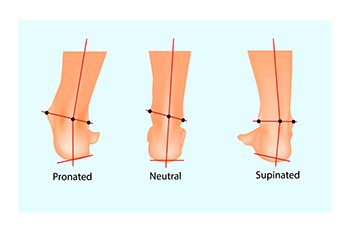
Pronation is the natural inward rolling motion of the foot as it lands while running. This movement absorbs shock and helps the foot adjust to the ground. Problems can develop when the foot rolls inward too far, called overpronation. The foot can also roll inward too little, known as underpronation or supination. Either pattern can change how force travels through the feet, ankles, and legs. Some runners experience no symptoms, while others develop arch, heel, or ankle pain. These may also affect the knees or shins as the body adjusts to poor foot movement.
Several factors can contribute to pronation problems in runners. Flat feet, high arches, and weak foot muscles can affect how the feet move. Running form and training habits can also place added stress on areas. Shoes that lack proper support or do not match a runner’s foot type can worsen discomfort. Signs include uneven shoe wear, repeated foot injuries, and pain after exercise. However, shoe wear alone cannot confirm an abnormal gait. A podiatrist can watch the patient walk or run and examine the foot’s structure. This evaluation can show whether pronation contributes to pain or another condition is responsible.
Treatment depends on symptoms, foot structure, and activity level. A podiatrist can recommend supportive running shoes with suitable cushioning. Custom orthotics may be prescribed to improve foot alignment and distribute pressure more evenly. The podiatrist can also assess training patterns and suggest safe changes to running distance or intensity. When an injury is present, treatment can focus on reducing pressure and protecting the area. Follow-up visits allow the podiatrist to check whether symptoms and movement have improved. Addressing pronation problems can help runners move efficiently and reduce stress on the feet. It can lower the risk of repeated pain that interrupts training. If you have foot pain during or after running, it is suggested that you schedule an appointment with a podiatrist for a diagnosis and appropriate treatment.
If you have any concerns about your feet, contact the podiatrists from Issaquah Foot & Ankle Specialists. Our doctors can provide the care you need to keep you pain-free and on your feet.
Biomechanics in Podiatry
Podiatric biomechanics is a particular sector of specialty podiatry with licensed practitioners who are trained to diagnose and treat conditions affecting the foot, ankle and lower leg. Biomechanics deals with the forces that act against the body, causing an interference with the biological structures. It focuses on the movement of the ankle, the foot and the forces that interact with them.
A History of Biomechanics
- Biomechanics dates back to the BC era in Egypt where evidence of professional foot care has been recorded.
- In 1974, biomechanics gained a higher profile from the studies of Merton Root, who claimed that by changing or controlling the forces between the ankle and the foot, corrections or conditions could be implemented to gain strength and coordination in the area.
Modern technological improvements are based on past theories and therapeutic processes that provide a better understanding of podiatric concepts for biomechanics. Computers can provide accurate information about the forces and patterns of the feet and lower legs.
Understanding biomechanics of the feet can help improve and eliminate pain, stopping further stress to the foot.
If you have any questions please feel free to contact one of our offices located in Issaquah, WA . We offer the newest diagnostic and treatment technologies for all your foot and ankle needs.
Custom Orthotics For Foot and Heel Pain

Step into relief and reclaim your mobility! Foot and heel pain can be a thing of the past with the right Custom Orthotics. Customized to your unique foot structure, they provide the support and alignment needed to alleviate discomfort. Whether you're walking, running, or simply standing, Custom Orthotics ensure every step is cushioned and pain-free. Don't let foot ailments dictate your day. With Custom Orthotics, embrace a world of comfort and freedom. Call today to schedule an appointment.
Various Causes of Ankle Pain
Ankles are joints that connect bones in the feet with bones in the lower leg. They are comprised of bones, ligaments, muscles, tendons, blood vessels, and nerves. The ankle joint allows the foot to move side-to-side, as well as up-and-down.
Ankle pain can be caused by a variety of conditions, but is most commonly due to soft tissue injuries such as ankle sprains and strains.
An ankle sprain occurs when one or more of the strong ligaments that support and stabilize the ankle become overly stretched or even torn if the ankle rolls, turns, or twists awkwardly. Depending on the grade of sprain (mild-moderate-severe), there will be varying degrees of pain, swelling, and restricted range of motion, along with tenderness, bruising, and ankle instability. There may even be an audible popping noise at the moment of injury.
Ankle strains can sometimes produce similar symptoms of pain, swelling, and loss of motion, however, they are due to overly stretched muscles and tendons—not ligaments. Ankle strains may also cause muscle cramps in the feet, calves and shins.
Ankle fractures are another common source of ankle pain and occur one or more of the three bones in the ankle become fractured (broken). These breaks can be stress fractures (due to repetitive stress) or traumatic fractures (due to an acute injury). Depending on where and how severe the fracture is, symptoms can include pain and swelling that can sometimes spread up to the knee, bruising or discoloration, and an inability to bear weight. A visible deformity or exposed bone may occur in severe fractures.
Various forms of arthritis may also cause ankle pain. Rheumatoid arthritis (RA) causes the immune system to attack healthy joints, like the ankle joint, by mistake, causing stiffness and swelling in both ankles. Osteoarthritis occurs when cartilage covering the ends of bones wears down, causing the bones to rub against each other. This results in pain, stiffness, and reduced range of motion in the ankle. Gout is a form of arthritis where excess amounts of uric acid in the bloodstream crystallize and build up on joints, causing severe pain and swelling. Reactive arthritis causes joint pain and swelling in the ankle in response to an infection in another part of the body.
Other forms of ankle pain include bursitis (an inflammation of a cushioning bursa sac between tendons and bone), scleroderma (a thickening of connective tissues), chronic ankle instability (caused by improperly healed ankle sprains), Achilles tendon injuries, flat feet, or an infection in the ankle.
Causes of Ankle Pain While Walking
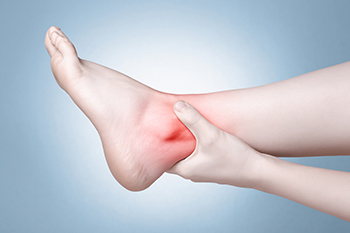
Ankle pain when walking can make simple activities feel difficult. The ankle supports the body and helps the foot move with each step, so pain in this area can affect balance and movement. Ankle pain can develop after an injury, but it can also have other causes. Sprains, tendon problems, and issues involving the bones or joints can all contribute to ankle discomfort. Pain may occur on one or both sides of the ankle, and can range from mild soreness to sharp or severe discomfort. Swelling, stiffness, or difficulty putting weight on the foot can also occur. A podiatrist can examine the ankle and determine what could be causing the pain.
A podiatrist can assess the ankle by checking its movement, strength, and areas of tenderness. The examination helps determine whether the pain is related to an injury, a tendon, or another part of the foot and ankle. Treatment depends on the cause and severity of the symptoms. Care can include protecting the affected area, reducing stress on the ankle, and using treatment designed to improve movement and function. A podiatrist can also assess how foot structure and walking patterns affect the ankle. This can be helpful when pain continues or returns after activity.
Ankle pain while walking should receive prompt attention when it is severe or makes it difficult to put weight on the foot. Significant swelling, a change in the shape of the ankle, or severe pain after an injury can also require careful evaluation. A podiatrist can determine whether imaging or additional treatment is appropriate based on the findings. Identifying the cause of ankle pain can help guide care and reduce the chance of continued problems with movement. An evaluation is also useful when ankle pain continues without a clear injury. If you have ankle pain while walking, it is suggested that you schedule an appointment with a podiatrist for a diagnosis and appropriate treatment.
Ankle pain can have many different causes and the pain may potentially be serious. If you have ankle pain, consult with the podiatrists from Issaquah Foot & Ankle Specialists. Our doctors will assess your condition and provide you with quality foot and ankle treatment.
Ankle pain is any condition that causes pain in the ankle. Due to the fact that the ankle consists of tendons, muscles, bones, and ligaments, ankle pain can come from a number of different conditions.
Causes
The most common causes of ankle pain include:
- Types of arthritis (rheumatoid, osteoarthritis, and gout)
- Ankle sprains
- Broken ankles
- Achilles tendinitis
- Achilles tendon rupture
- Stress fractures
- Tarsal tunnel syndrome
- Plantar fasciitis
Symptoms
Symptoms of ankle injury vary based upon the condition. Pain may include general pain and discomfort, swelling, aching, redness, bruising, burning or stabbing sensations, and/or loss of sensation.
Diagnosis
Due to the wide variety of potential causes of ankle pain, podiatrists will utilize a number of different methods to properly diagnose ankle pain. This can include asking for personal and family medical histories and of any recent injuries. Further diagnosis may include sensation tests, a physical examination, and potentially x-rays or other imaging tests.
Treatment
Just as the range of causes varies widely, so do treatments. Some more common treatments are rest, ice packs, keeping pressure off the foot, orthotics and braces, medication for inflammation and pain, and surgery.
If you have any questions please feel free to contact one of our offices located in Issaquah, WA . We offer the newest diagnostic tools and technology to treat your foot and ankle needs.
Sole Marketing Foot and Ankle Injuries
Custom orthotics are designed to provide personalized support that enhances comfort, stability, and movement for people recovering from foot or ankle injuries. By addressing the specific structure and alignment of each foot, orthotics help correct imbalances that often lead to pain or recurring injury. They cushion areas under pressure, support weakened arches, and improve shock absorption, making daily activities and exercise safer and more comfortable.
Many foot and ankle injuries are caused by overuse, wearing improper footwear, or poor alignment. When these issues are left uncorrected, they can cause chronic strain on tendons, ligaments, and joints. Custom orthotics help distribute weight more evenly, reducing excess stress and allowing tissues to heal properly. They are an important part of healing after sprains, fractures, or surgery, helping to restore balance and prevent future injury.
Each pair of custom orthotics is made using advanced imaging and a detailed assessment by a podiatrist to ensure a precise fit. Unlike store-bought insoles, they are tailored to your unique gait and medical needs, offering long-term benefits for comfort and mobility.
Orthotics for Enhanced Athletic Performance
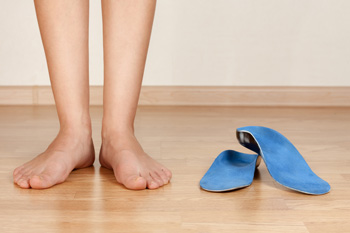
Orthotics are specialized shoe inserts designed to address foot, ankle, and lower body issues, offering relief from pain and structural imbalances. While generic orthotics are available at various stores and online, custom-made versions tailored to one's feet provide the most effective solutions for specific foot concerns. Custom orthotics can significantly boost athletic performance, especially for those with foot problems due to regular exercise. These tailor made inserts distribute weight evenly, offering unparalleled support during intense activities, reducing foot pain stemming from imbalances or conditions such as hammertoes and bunions. Additionally, they can help in injury prevention, especially for athletes prone to over or under-pronation, and can expedite injury recovery by ensuring optimal foot and ankle support. Long distance runners may especially benefit from orthotics as they maintain foot alignment, reducing fatigue and enhancing performance. If you are considering custom orthotics, it is suggested that you make an appointment with a podiatrist who can ensure a precise fit and maximum comfort for improved performance or other foot needs.
Custom orthotics can be an important solution for reducing foot pain by targeting its structural causes rather than just the symptoms. When the feet are misaligned, excess strain develops in the muscles, tendons, and ligaments, often resulting in discomfort in the arches, balls of the feet, or toes. Orthotics are designed to match each foot’s natural shape, supporting proper alignment and evenly distributing pressure to ease pain and improve movement.
Foot pain is commonly caused by overuse, wearing improper footwear, or biomechanical issues that place added stress on sensitive areas. By stabilizing the foot and restoring natural motion, custom orthotics help reduce strain, calm inflammation, and promote healing. Many patients experience lasting relief and greater comfort while walking, standing, or exercising.
Created from a detailed assessment using advanced imaging or casting, each pair of orthotics is tailored to your individual needs. If you are experiencing ongoing foot pain, it is suggested that you contact our office for an evaluation and treatment.
If you have any questions, please feel free to contact one of our offices located in Issaquah, WA .
Sever's Disease
Sever’s disease, also known as calcaneal apophysitis is a common bone disorder that occurs during childhood. The disease is defined as an inflammation of the growth plate in the heel. When a child has a growth spurt, his heel bone grows faster than the muscles, tendons, and ligaments in his leg. This disease is a result of overuse. The people who are most likely to be affected by this disease are children who are in a growth spurt, especially boys who are from the ages of 5 to 13 years old. 60% of children with Sever’s disease have both heels involved.
Symptoms of this disease are heel pain that intensifies during running and jumping activities. The pain is typically localized to the posterior part of the heel. Symptoms may be severe, and they can easily interfere with daily activities. Children who play soccer, baseball, and basketball are more likely to develop Sever’s disease.
Your doctor will diagnose your child based on his or her symptoms, x-rays are generally not helpful in diagnosing this disease. Your doctor may examine both heels and ask your child questions about his or her activity level in sports. Your doctor may then use the squeeze test on your child’s heel to see if there is any pain. Nevertheless, some doctors might still use x-rays to rule out any other issues such as fractures, infections, and tumors.
Sever’s disease can be prevented by maintaining good flexibility while your child is growing. Another prevention method is to wear good-quality shoes that have firm support and a shock-absorbent sole. Sever’s disease can be treated by ceasing any activity that causes heel pain. You should apply ice to the injured heel for 20 minutes 3 times a day. Additionally, orthotics should be used for children who have high arches, flat feet, or bowed legs.
If you suspect your child has Sever’s disease, you should make an appointment with your podiatrist to have his or her foot examined. Your doctor may recommend nonsteroidal anti-inflammatory drugs (NSAIDs), such as ibuprofen or naproxen to relieve pain. In more severe cases, your child may need a cast to rest his or her heel. Fortunately, Sever’s disease does not cause long-term foot problems. After treatment, your child should start to feel better within two weeks to two months.
Easing Heel Pain in Growing Children
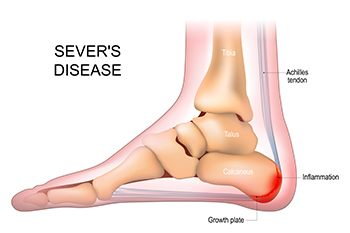
Sever’s disease is a common cause of heel pain in children, especially during periods of rapid growth. Despite the name, it is not actually a disease, but an irritation of the growth plate at the back of the heel where the Achilles tendon attaches. This problem often develops in active children who participate in running or jumping sports, as repeated pulling on the heel can lead to pain, tenderness, or limping. Relief focuses on reducing strain and allowing the irritated area to recover while the child continues to grow. A podiatrist may recommend supportive footwear, stretching programs, temporary activity adjustments, or custom orthotics to improve foot function and reduce stress on the heel. In some cases, additional support may be needed if pain becomes more persistent. Most children improve with appropriate treatment and time. If your child continues to experience heel pain during activity or walking, it is suggested that you visit a podiatrist for a proper diagnosis and appropriate relief tips.
Sever's disease often occurs in children and teens. If your child is experiencing foot or ankle pain, see the podiatrists from Issaquah Foot & Ankle Specialists. Our doctors can treat your child’s foot and ankle needs.
Sever’s Disease
Sever’s disease is also known as calcaneal apophysitis, which is a medical condition that causes heel pain I none or both feet. The disease is known to affect children between the ages of 8 and 14.
Sever’s disease occurs when part of the child’s heel known as the growth plate (calcaneal epiphysis) is attached to the Achilles tendon. This area can suffer injury when the muscles and tendons of the growing foot do not keep pace with bone growth. Therefore, the constant pain which one experiences at the back of the heel will make the child unable to put any weight on the heel. The child is then forced to walk on their toes.
Symptoms
Acute pain – Pain associated with Sever’s disease is usually felt in the heel when the child engages in physical activity such as walking, jumping and or running.
Highly active – Children who are very active are among the most susceptible in experiencing Sever’s disease, because of the stress and tension placed on their feet.
If you have any questions, please feel free to contact one of our offices located in Issaquah, WA . We offer the newest diagnostic and treatment technologies for all your foot care needs.
