




March 2024
Foot Problems in Runners
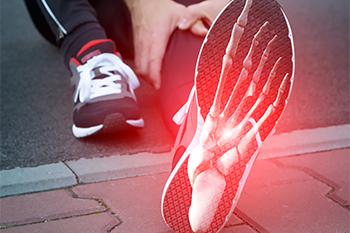
As any seasoned runner knows, the journey on the road, track, or trail often comes with its fair share of foot problems. From painful blisters caused by excessive friction to toenail damage due to ill-fitting shoes or forward foot sliding, runners face a myriad of challenges. One of those is stiffness and discomfort in the big toe, termed hallux rigidus, which can make each step agony. Plantar fasciitis is often felt most strongly in the heel. This condition is caused by inflammation in the tissue that runs along the foot's bottom and is particularly common in flat-footed or high-arched runners. Stress fractures, metatarsalgia, and Morton's neuroma are additional ailments that runners may encounter, stemming from overuse, improper footwear, or biomechanical issues. Seeking help from a podiatrist is suggested for proper diagnosis and treatment of these conditions. This foot doctor can provide tailored advice on footwear, running technique adjustments, and offer treatment options to alleviate foot pain and prevent future injury.
All runners should take extra precaution when trying to avoid injury. If you have any concerns about your feet, contact the podiatrists of Issaquah Foot & Ankle Specialists. Our doctors will treat your foot and ankle needs.
How to Prevent Running Injuries
There are a lot of mistakes a runner can make prior to a workout that can induce injury. A lot of athletes tend to overstretch before running, instead of saving those workouts for a post-run routine. Deep lunges and hand-to-toe hamstring pulls should be performed after a workout instead of during a warmup. Another common mistake is jumping into an intense routine before your body is physically prepared for it. You should try to ease your way into long-distance running instead of forcing yourself to rush into it.
More Tips for Preventing Injury
- Incorporate Strength Training into Workouts - This will help improve the body’s overall athleticism
- Improve and Maintain Your Flexibility – Stretching everyday will help improve overall performance
- “Warm Up” Before Running and “Cool Down” Afterward – A warm up of 5-10 minutes helps get rid of lactic acid in the muscles and prevents delayed muscle soreness
- Cross-Training is Crucial
- Wear Proper Running Shoes
- Have a Formal Gait Analysis – Poor biomechanics can easily cause injury
If you have any questions, please feel free to contact one of our offices located in Issaquah, WA . We offer the newest diagnostic and treatment technologies for all your foot care needs.
Dr Brandon Nelson, A Double Board Certified Physician and Surgeon, Discusses Bunion Surgery Questions
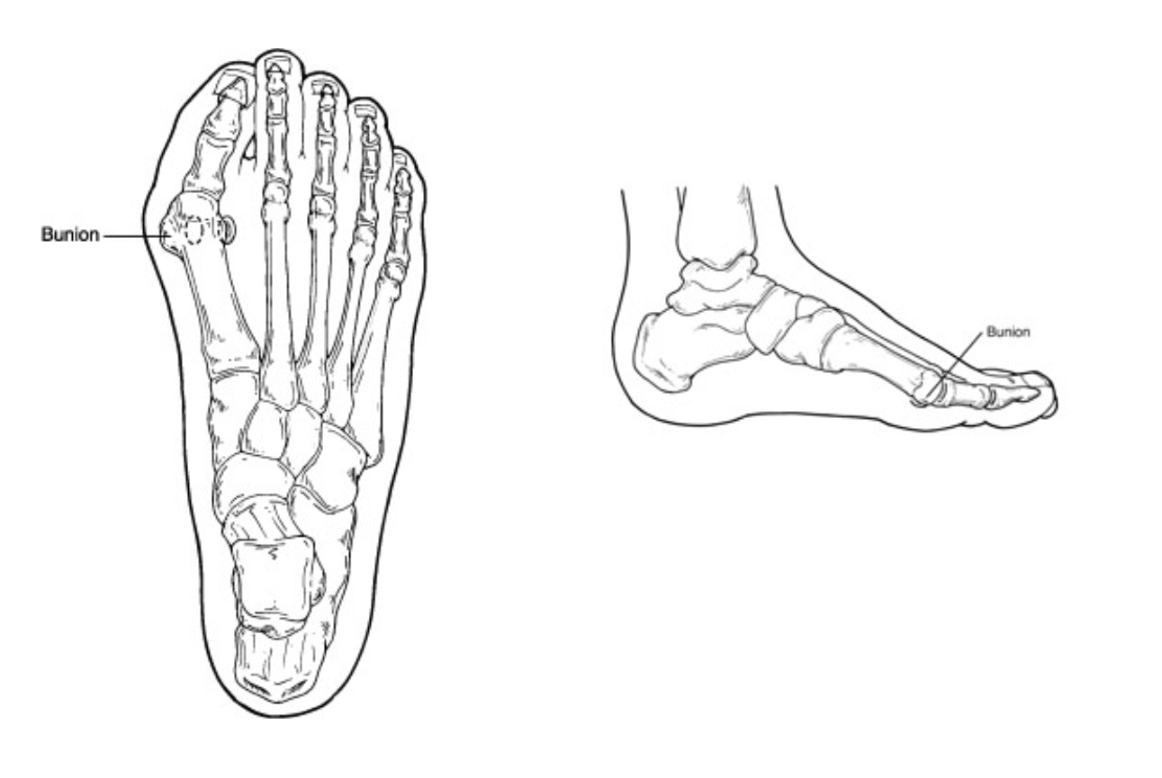
Every week a few patients come in wondering about having their bunion fixed. I really enjoy these discussions and helping patients decide what is best for them. There are quite a few common questions I get so I decided to answer them in this blog
1. How much time will I need to be off my feet?
This question really depends on what procedure is utilized to correct your bunion as well as any additional procedures performed. It can be as little as a few days or up to 6 weeks. I like to get my patients walking as quickly as possible.
2. When can I start to exercise?
Again this is a tough one to answer. But, I am an avid exerciser and know how important it is to maintain our current levels and not lose too much ground with time off. I like to help my patients develop a post-operative plan to continue working out and modify activities.
3. When will I be back in a normal shoe?
This again depends on other procedures performed and how much work was needed to correct your bunion. I see some patients back in a normal shoe at 4 weeks and some as long as 10 weeks. The best thing you can do as a patient is follow your post-operative instructions.
4. Will my bunion recur?
I always recommend seeing a physician that does quite a few bunion surgeries as this will give you better outcomes. Procedure selection is the most important component to decrease recurrence rates. With proper selection recurrence rates are about 2-3%.
If you have a bunion and would like a consultation please call 425-391-8666 and make an appointment online.
Sincerely,
Foot & Ankle Surgeon
Issaquah’s Top Podiatrist
Dr. Timothy Young a board-certified foot surgeon discusses Chillblains: causes, symptoms, and treatment.
Introduction: As winter settles in, along with its frosty bite, many of us bundle up in layers of clothing to protect ourselves from the cold. Despite our efforts, some may still find themselves facing an uncomfortable and sometimes painful condition known as chillblains. Chillblains, also spelled chilblains, are a common affliction during colder months, yet they remain relatively misunderstood. Chilblains is the common term used for this and Pernio is the medical term for chilblains. Very similar conditions include Raynaulds phenomenon and acral cyanosis. In this blog post, we discussed the details of chillblains, exploring their causes, symptoms, and effective treatments.
What are Chillblains? Chillblains, medically termed pernio, are a localized reaction of the skin to cold temperatures. They occur when the skin is exposed to cold but not freezing temperatures and then undergoes rapid warming, causing blood vessels to expand and leak. This leakage leads to inflammation and injury to the surrounding tissues.
Causes of Chillblains: Chillblains typically develop in response to repeated exposure to cold, damp conditions. Individuals living in cold climates or those who spend prolonged periods outdoors during winter are at higher risk. Certain factors may predispose individuals to chillblains, including poor circulation, hormonal changes, and medical conditions such as Raynaud's disease.
Discussion: Vasospasm of the smaller blood vessels in the digits are common in this case pulses in the feet may be intact but despite this the blood flow to the digits is essentially cut off. With a lack of oxygen there can be tissue damage and resultant inflammation even after the blood flow is reestablished. It also can be common for the individual’s foot to be moist from perspiration such that a “damp chill” on the feet occurs. This is why one of the strategies is to keep the feet dry and wool socks do a great job with this. In addition in the toes if there is a place where the toes often rub together that seems to be a common location to get purple/cyanotic nodular enlargement and irritation from the contact between the toes. Patient will come into the clinic with these purple painful nodules on their toes and states that they been to other clinics and owns quite certain what it is. They commonly think that they started out as a blisters.
Symptoms of Chillblains: The symptoms of chillblains can vary in severity but commonly include:
- Redness or purplish discoloration of the skin
- Swelling and tenderness with nodular enlargement
- Itching or burning sensation
- Blistering or ulceration in severe cases, often these are purple or cyanotic.
- Pain or discomfort, particularly upon warming the affected area
Chillblains most commonly affect the extremities, such as the toes, fingers, ears, and nose, but can also appear on other parts of the body exposed to the cold.
Treatment and Management: While chillblains can be uncomfortable, they typically resolve on their own within a few weeks once the affected individual is no longer exposed to cold temperatures. It’s not uncommon for these to last often on through the winter and then totally resolved each summer. But as the years go by sometimes the become progressively more of a challenge or problem. However, several measures can help alleviate symptoms and promote healing:
- Keep the affected area warm but avoid sudden temperature changes.
- Gently massage the area to improve circulation.
- Apply soothing lotions or creams to relieve itching and discomfort.
- Avoid scratching or rubbing the affected skin to prevent further irritation.
- Protect the skin from further exposure to cold and moisture by wearing appropriate clothing and using gloves, socks, or earmuffs.
In more severe cases or if complications arise, medical intervention may be necessary. This may include prescription medications to reduce inflammation, promote healing, or manage underlying conditions contributing to poor circulation.
Prevention: Prevention is key to avoiding the discomfort of chillblains. Some tips to prevent chillblains include:
- Dress warmly in layers, paying particular attention to extremities.
- Keep indoor environments warm and dry, especially during colder months.
- Limit exposure to cold and damp conditions, and take breaks to warm up if spending extended periods outdoors.
- Wear moisture-wicking socks and breathable footwear to prevent moisture buildup.
- Maintain good circulation through regular exercise and avoiding tight-fitting clothing or accessories that may restrict blood flow.
Conclusion: Chillblains are a common but often misunderstood condition that can cause discomfort during colder months. By understanding the causes, symptoms, and effective treatment options, individuals can better manage and prevent chillblains, ensuring a more comfortable and enjoyable winter season. If symptoms persist or worsen, it's essential to seek medical advice for proper evaluation and treatment. Remember, staying warm and dry is key to keeping chillblains at bay.
If you have any questions or would like a consultation please call 425-391-8666 and make an appointment online.
Foot & Ankle Surgeon
Issaquah’s Top Podiatrist
Taking Care of Elderly Feet
Many foot diseases and conditions become more serious and common among the elderly. Some of these conditions include diabetic ulcers, ingrown toenails, fungus, arthritis, corns, and calluses. Unfortunately, it may be harder for older adults to take care of their own feet, but there are some precautions they can take in order to avoid any serious conditions.
Dry, cracked heels tend to be a common problem for older people. In order to avoid this, you should always keep your feet clean and well moisturized. Special feet moisturizers should be used as average lotions might not provide enough moisture for dry and cracked heels. Daily foot inspections are crucial for the elderly to detect any irregularities in their earliest stages. During the aging process, blood circulation tends to slow down causing older people to not feel their feet as well as they used to. This often results in foot problems going unnoticed.
Fungal and bacterial conditions thrive on elderly feet because older adults are less likely to keep their feet clean and dry; this makes it easier for bacteria to take hold in their dry, cracked skin. Elderly people should be sure to thoroughly dry their feet, especially in between the toes, after bathing. This will help them avoid developing any fungal infections. Additionally, clean cotton socks should be worn after the feet are dried.
Cutting toenails straight across will help prevent ingrown toenails. When toenails are cut too lose, the nail might break through the skin resulting in an ingrown nail. Clippers should be used to cut the nails in order to make the cut even.
Elderly people who have diabetes are at risk of developing serious foot problems that may lead to amputation. Ulcers that are left untreated can lead to gangrene. Dry and cracked feet, fungus, and untended cuts under the nails may also lead to infections.
Fortunately, Medicare covers many different types of services for foot care. Elderly people with any of these foot conditions should seek the help of a podiatrist and perform daily foot inspections in order to ensure that they have healthy feet.
How Aging Can Affect Your Feet
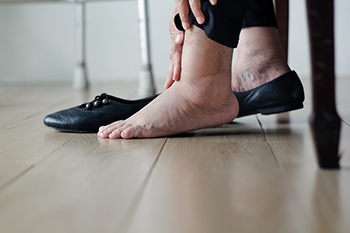
Aging gracefully is a journey that encompasses various changes throughout the body, and the feet are no exception. The intricate network of bones, muscles, and joints in the foot makes it particularly susceptible to the effects of aging. Certain conditions may arise, including plantar fasciitis, flat feet, and osteoarthritis. Plantar fasciitis involves inflammation of the ligament, called the plantar fascia, on the bottom of the foot. This condition often results from participating in high-impact exercises or wearing ill-fitting shoes. The telltale sign is sharp heel pain, especially pronounced in the morning. Flat feet, a consequence of aging and genetic predisposition, can lead to tired feet, painful arches, and swelling on the inner sides. This condition occurs when the supporting tendons and ligaments lose elasticity, a common side effect of aging, and causes the arches to weaken. Osteoarthritis, a prevalent concern for adults over 65, can affect the feet due to the intricate structure of bones and joints. While age increases the risk, repeated ankle sprains may also contribute to arthritis. If you are experiencing any of these foot problems, it is suggested that you schedule an appointment with a podiatrist.
Proper foot care is something many older adults forget to consider. If you have any concerns about your feet and ankles, contact the podiatrists from Issaquah Foot & Ankle Specialists. Our doctors can provide the care you need to keep you pain-free and on your feet.
The Elderly and Their Feet
As we age we start to notice many changes in our body, but the elder population may not notice them right away. Medical conditions may prevent the elderly to take notice of their foot health right away. Poor vision is a lead contributor to not taking action for the elderly.
Common Conditions
- Neuropathy – can reduce feeling in the feet and can hide many life-threatening medical conditions.
- Reduced flexibility – prevents the ability of proper toenail trimming, and foot cleaning. If left untreated, it may lead to further medical issues.
- Foot sores – amongst the older population can be serious before they are discovered. Some of the problematic conditions they may face are:
- Gouging toenails affecting nearby toe
- Shoes that don’t fit properly
- Pressure sores
- Loss of circulation in legs & feet
- Edema & swelling of feet and ankles
Susceptible Infections
Diabetes and poor circulation can cause general loss of sensitivity over the years, turning a simple cut into a serious issue.
If you have any questions, please feel free to contact one of our offices located in Issaquah, WA . We offer the newest diagnostic and treatment technologies for all your foot care needs.
Advanced MLS Laser Therapy for Heel Pain

Multiwave Locked System (MLS) laser therapy is an advanced, safe, and effective way to treat heel pain. Contact our office for more information and to see if this treatment is right for you.
