




June 2023
All About Erythromelalgia
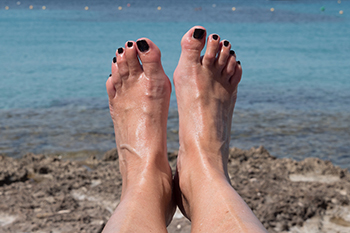
Different kinds of relatively rare conditions of the feet affect a small number of people. A condition known as erythromelalgia is one such type of foot affliction. Erythromelalgia is essentially defined by a burning and redness that can develop in the feet. However, the symptoms of erythromelalgia are not confined to the feet. Namely, the symptoms of this condition can also be felt in the hands, arms, legs, and even the face area. Another important symptom that is associated with erythromelalgia is warmness in the skin. Certain activities can trigger one’s erythromelalgia, including feeling stressed and wearing tight shoes. If you are someone that wants to learn more about erythromelalgia and other rare foot conditions, it is suggested that you contact a podiatrist today for more information.
Some foot conditions may require additional professional care. If you have any concerns, contact the podiatrists of Issaquah Foot & Ankle Specialists. Our doctors can provide the care you need to keep you pain-free and on your feet.
Rare Foot Conditions
The majority of foot conditions are common and can be treated by a podiatrist. Standard diagnostic procedures are generally used to identify specific conditions and treatment can be rendered. A podiatrist also treats rare foot conditions which can be difficult to diagnose and may need extra attention and care.
There are many rare foot conditions that can affect children. Some of these can include:
- Freiberg’s disease
- Kohler’s disease
- Maffucci syndrome
Freiberg’s disease - This can be seen as a deterioration and flattening of a metatarsal bone that exists in the ball of the foot. It typically affects pre-teen and teenage girls, but can affect anyone at any age. Symptoms that can accompany this can be swelling, stiffness, and the patient may limp.
Kohler’s disease - This often targets the bone in the arch of the foot and affects younger boys. It can lead to an interruption of the blood supply which ultimately can lead to bone deterioration. The patient may limp or experience tenderness, swelling, and redness.
Maffucci syndrome - This affects the long bones in a child’s foot leading to the development of abnormal bone lesions. They are benign growths and typically develop in early childhood and the bones may be susceptible to breaking.
A podiatrist can properly diagnose and treat all types of rare foot conditions. If your child is affected by any of these symptoms or conditions, please don’t hesitate to call our office so the correct treatment method can begin.
If you have any questions, please feel free to contact one of our offices located in Issaquah, WA . We offer the newest diagnostic and treatment technologies for all your foot care needs.
Dr Timothy Young, A Board Certified Foot Surgeon On: Should I Get Bunion Surgery? Part 2
Dr Timothy Young, A Board Certified Foot Surgeon On: Should I Get Bunion Surgery? Part 2
Severity and Symptoms: The severity of your bunion and the related symptoms play a significant role in the decision-making process. If your bunion causes persistent pain, limits your ability to exercise or comfortably walk, or if it interferes with your daily life, surgery may be a viable option. Also if the bunion condition is progressing. Consulting with a qualified foot surgeon can help assess the severity of your bunion and provide guidance on the best course of action.
Benefits and Risks: Like any surgery, a bunion surgical procedure carries both risks and benefits. Risks can include infection, stiffness of the joint, nerve damage, recurrence of the bunion, or dissatisfaction with the cosmetic outcome. Conversely, the benefits can be significant, such as pain relief, improved foot function, and the ability to wear a wider range of footwear comfortably. Understanding and reviewing the potential risks and benefits with your foot surgeon is crucial in making an informed decision.
Lifestyle Considerations: Another important factor to consider is your lifestyle. Bunion surgery usually requires a period of recovery, during which you will need to limit your activities and wear special footwear or a boot. If you have an active lifestyle or have demanding work requirements, you should consider timing and how the recovery period could affect your daily activities. It's important to discuss these considerations with your surgeon to determine the most appropriate timing for the foot surgery.
If you are experiencing foot or ankle pain, please give us a call at 425-391-8666 or make an appointment online today.
Dr Timothy Young, a Board Certified Foot Surgeon on: Should I Get Bunion Surgery?
Dr Timothy Young, a Board Certified Foot Surgeon on: Should I Get Bunion Surgery? Part 1
Bunions, are a common foot deformity, they can cause pain and discomfort, affecting your daily activities, exercise and overall quality of life. If you're suffering from a bunion, you may have considered the option of bunion correction surgery. However, deciding whether or not to proceed with surgery is a choice that requires careful consideration. In this blog post, I will explore the factors you should take into account when deciding whether to get bunion surgery.
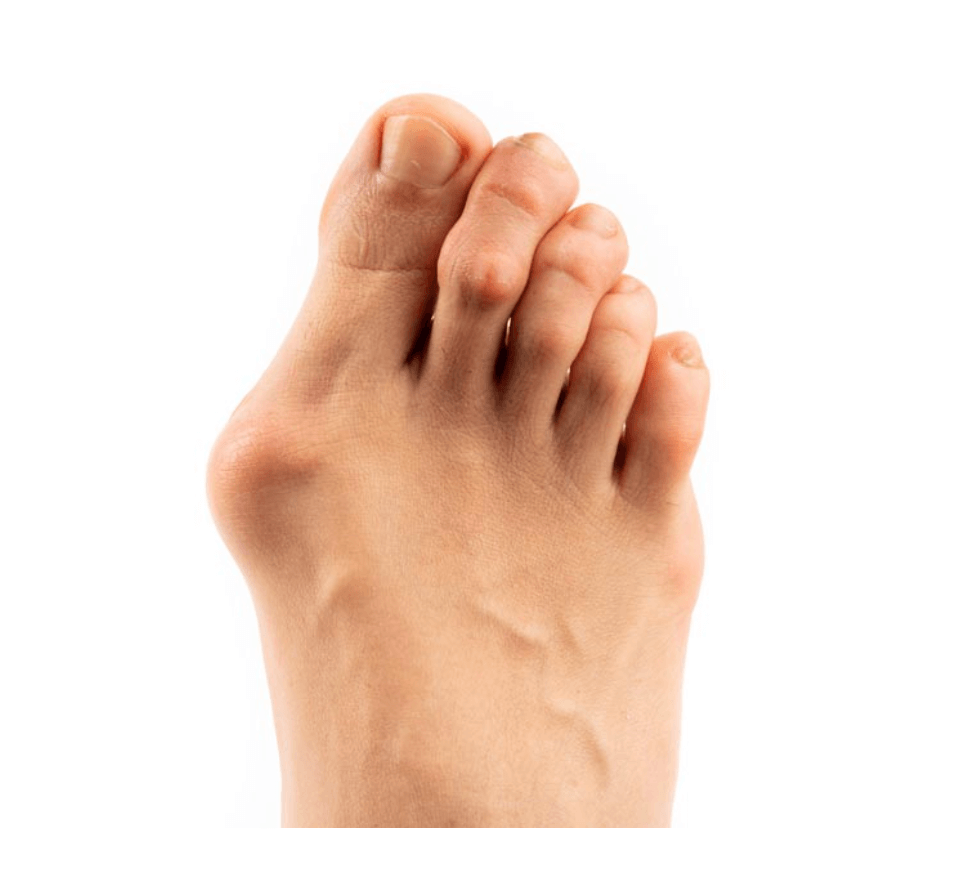
Understanding Bunions: Before considering the decision-making process, it's important to understand what bunions are. A bunion is a bony bump at the base of the great toe, and the deformity also causes the great toe to deviate outward. This condition often leads to pain, inflammation, and challenges in finding comfortable footwear. Bunions can be caused by various factors, including genetics, footwear choices, and certain medical conditions. In most cases, you inherit a foot structure that is prone to developing the bunion.
Conservative Treatments: When considering bunion surgery, you want to explore conservative treatments first. Non-surgical approaches may include changing shoes, using prescription orthotic inserts, applying ice or heat, taking over-the-counter pain relievers, and doing exercises to improve foot strength and flexibility. These methods can provide relief for mild to moderate bunions, and surgery should be considered when conservative measures do not provide relief.
If you are experiencing foot or ankle pain, give us a call at 425-391-8666 or make an appointment online today.
Plantar Fasciitis
Plantar fasciitis is one of the most common causes of heel pain. The plantar fascia is the thick band of tissue that connects the heel bone to the toes. When this band of connective tissue becomes inflamed, plantar fasciitis occurs. Fortunately, this condition is treatable.
There are several factors that may put you at a greater risk for developing plantar fasciitis. One of the biggest factors is age; plantar fasciitis is common in those between the ages of 40 to 60. People who have jobs that require them to be on their feet are also likely to develop plantar fasciitis. This includes factory workers, teachers, and others who spend a large portion of their day walking around on hard surfaces. Another risk factor is obesity because excess weight can result in extra stress being placed on the plantar fascia.
People with plantar fasciitis often experience a stabbing pain in the heel area. This pain is usually at its worst in the morning, but can also be triggered by periods of standing or sitting. Plantar fasciitis may make it hard to run and walk. It may also make the foot feel stiff and sensitive, which consequently makes walking barefoot difficult.
Treatment for plantar fasciitis depends on the severity of the specific case of the condition. Ice massage applications may be used to reduce pain and inflammation. Physical therapy is often used to treat plantar fasciitis, and this may include stretching exercises. Another treatment option is anti-inflammatory medication, such as ibuprofen.
If you suspect that you have plantar fasciitis, meet with your podiatrist immediately. If left untreated, symptoms may lead to tearing and overstretching of the plantar fascia. The solution is early detection and treatment. Be sure to speak with your podiatrist if you are experiencing heel pain.
Incorrect Shoes and Walking Barefoot May Cause Plantar Fasciitis
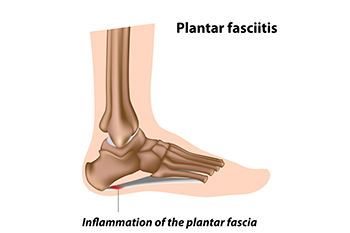
The foot condition that is known as plantar fasciitis affects many people across the globe. It happens when the plantar fascia becomes irritated or torn from gradual overuse, or possibly from an injury. The plantar fascia is found on the sole of the foot, and connects the heel to the toes. It is responsible for walking and running, and completing daily activities can be difficult if it becomes damaged. A common cause of this foot condition is wearing shoes that do not fit correctly, which may cause heel support to be lost and uneven steps to be taken. People who walk barefoot may find the ligaments in their feet become damaged, and these are crucial in providing adequate support for the feet. If this pertains to you, it is beneficial to limit the time walking barefoot, and it can help to wear shoes with adequate cushioning in the heel area. If you have developed plantar fasciitis, it is strongly suggested that you are under the care of a podiatrist who can properly diagnose and offer correct treatment options for plantar fasciitis.
Plantar fasciitis is a common foot condition that is often caused by a strain injury. If you are experiencing heel pain or symptoms of plantar fasciitis, contact the podiatrists from Issaquah Foot & Ankle Specialists. Our doctors can provide the care you need to keep you pain-free and on your feet.
What Is Plantar Fasciitis?
Plantar fasciitis is one of the most common causes of heel pain. The plantar fascia is a ligament that connects your heel to the front of your foot. When this ligament becomes inflamed, plantar fasciitis is the result. If you have plantar fasciitis you will have a stabbing pain that usually occurs with your first steps in the morning. As the day progresses and you walk around more, this pain will start to disappear, but it will return after long periods of standing or sitting.
What Causes Plantar Fasciitis?
- Excessive running
- Having high arches in your feet
- Other foot issues such as flat feet
- Pregnancy (due to the sudden weight gain)
- Being on your feet very often
There are some risk factors that may make you more likely to develop plantar fasciitis compared to others. The condition most commonly affects adults between the ages of 40 and 60. It also tends to affect people who are obese because the extra pounds result in extra stress being placed on the plantar fascia.
Prevention
- Take good care of your feet – Wear shoes that have good arch support and heel cushioning.
- Maintain a healthy weight
- If you are a runner, alternate running with other sports that won’t cause heel pain
There are a variety of treatment options available for plantar fasciitis along with the pain that accompanies it. Additionally, physical therapy is a very important component in the treatment process. It is important that you meet with your podiatrist to determine which treatment option is best for you.
If you have any questions, please feel free to contact one of our offices located in Issaquah, WA . We offer the newest diagnostic and treatment technologies for all your foot care needs.
Get Professional Care for a Broken Foot or Ankle

Constant care and regular evaluation are important for a foot or ankle fracture. If left untreated, foot or ankle fractures can worsen over time and create more serious problems.
Don't wait to be examined if you believe you've experienced a foot or ankle fracture.
