




March 2023
Dr Brandon Nelson, A Board Certified Physician & Surgeon, Discusses How to Heal Quickly Following Bunion Surgery
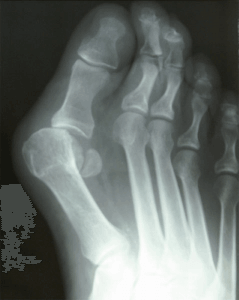
There are a few things patients can do to heal faster from bunion surgery. I will review some ideas that patients can utilize that may decrease healing time frames. Most importantly one must follow the postoperative course as directed by your surgeon. It is important to realize that 2 things need to heal following surgery: soft tissues and bone.
Soft tissues consist of skin, subcutaneous tissues and capsular tissue around the joint. These structures are primarily sutured closed and will typically have sutures in for 10-14 days depending on the site. There are a few supplements that can help to improve healing. I like to have my patients take collagen and zinc and hydrate as these can influence skin healing. Once the wound is closed I encourage the use of silicone and moisturization of the wound. Additionally it is important to start the range of motion of the toe to free up and adhesions.
Bone is the other structure that must heal after bunion surgery. Usually, a bone cut, or fusion is performed. This is dependent on the procedure but there are a few things you can do to speed bone healing. The first being additional calcium and other bone healing nutrients. I like to have my patients take a bone healing supplement and increase the consumption of green leafy vegetables. Additionally, if a bone stimulator is available this can be helpful.
Regardless of the bunion procedure these tips can be helpful in your recovery process. Take care and wish you a speedy recovery. If you are experiencing foot or ankle pain, give us a call at 425-391-8666 or make an appointment online.
Dr Brandon Nelson, A Board Certified Physician & Surgeon, Discusses Achilles Tendonitis
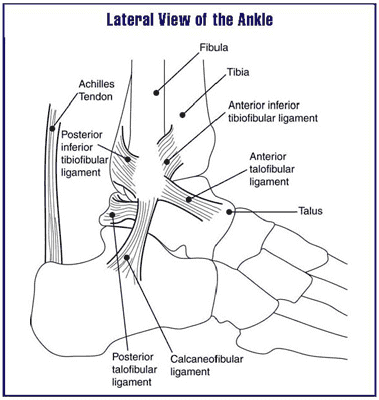
Many athletes will suffer from the dreaded Achilles tendonitis. Increased training and often a change in activities can precipitate this pathology. It is quite frustrating and can sideline many active patients. I personally have dealt with this issue and can understand the challenges associated with it.
The Achilles tendon is the main unit in the lower extremity for the push off phase of gait. It contracts and helps individuals with forward motion. It is constantly under load and being utilized with every step. It is a wonder that more people don’t suffer from tendonitis.
The main cause continues to be overuse. It often is seen in runners and joggers and triathletes. In my office, runners seem to suffer from it. Runners seem to have the biggest demand on this tendon and overuse is quite easy. However, they are not the only one’s, basketball players seem to be affected as well. Probably related to the loading requirements of jumping. Regardless of the causes, it is important to seek help early in the process.
Early intervention seems to be the key in recovering from Achilles tendonitis. I also encourage stretching to all my athletes. It is an easy thing to skip as it is time consuming and we can be pinched for time. Additionally, hydration is essential and I find collagen supplements to be beneficial as well. If you have any signs or symptoms do not delay. I can help get you back out participating in your favorite activities. If you are experiencing foot or ankle pain, give us a call at 425-391-8666 or make an appointment online today.
Sincerely,
Children and Walking Barefoot

An infants foot is made of soft, flexible cartilage, which gradually hardens as the baby develops and will be formed in the late teenage years. Most babies are born with flat feet, and the shape of the foot is often evident at approximately two years of age. The foot shape is important to consider when choosing the right shoes. If the big toe is the longest of all the toes, it is considered to be tapered. Conversely, a rounded foot shape consists of the second or third toe being the longest, and when the toes are the same length, this is considered to be a square foot shape. Children’s foot health may include having the toddler crawl and walk barefoot while indoors, this helps strengthen the entire foot. The toes can also become stronger as they grip the floor and stretch. When it is time for the first pair of shoes to be purchased, it is beneficial they are made of soft leather material, and have flexible soles. If you would like additional information about how to take proper care of your child's feet, it is suggested that you consult with a podiatrist who can provide you with helpful information.
Making sure that your children maintain good foot health is very important as they grow. If you have any questions, contact the podiatrists of Issaquah Foot & Ankle Specialists. Our doctors can provide the care you need to keep you pain-free and on your feet.
Keeping Children's Feet Healthy
Having healthy feet during childhood can help prevent medical problems later in life, namely in the back and legs. As children grow, their feet require different types of care. Here are some things to consider...
Although babies do not walk yet, it is still very important to take care of their feet.
Avoid putting tight shoes or socks on his or her feet.
Allow the baby to stretch and kick his or her feet to feel comfortable.
As a toddler, kids are now on the move and begin to develop differently. At this age, toddlers are getting a feel for walking, so don’t be alarmed if your toddler is unsteady or ‘walks funny’.
As your child gets older, it is important to teach them how to take care of their feet.
Show them proper hygiene to prevent infections such as fungus.
Be watchful for any pain or injury.
Have all injuries checked by a doctor as soon as possible.
Comfortable, protective shoes should always be worn, especially at play.
If you have any questions, please feel free to contact one of our offices located in Issaquah, WA . We offer the newest diagnostic and treatment technologies for all your foot care needs.
What to Do to Keep Your Child’s Feet Healthy
Being a parent involves caring for your child in every way you can. You make sure they are eating the right food, being nice to others, and staying out of any trouble. However, it is also important that you are watchful of their health, more specifically their foot health. Maintaining good foot health in childhood is important in preventing later conditions in life from happening. As children continue to develop, their feet require different techniques of care. Here are some various ways in which you can help your child’s feet stay healthy.
A baby needs a lot of care and attention overall, but the importance of their feet should never be forgotten. Before a baby turns one, their feet change and develop greatly. It is important that during this time, a mother avoids putting tight socks on their child. She should also encourage movement of their feet so the baby can begin to feel more comfortable using them.
As a baby enters the toddler years of his or her life, they are begin to walk around. When your baby begins to take those first steps, it is crucial that they are wearing protective shoes on their feet. As a mother that is observant of your child’s feet, you may notice changes in them. This is completely normal as the feet are becoming susceptible to the activity of walking. It is normal for a toddler to be a bit unsteady or to “walk funny” at first.
When your child grows out of their toddler years, it is important that you begin to show him or her how to care for their feet on their own. Practice with your child proper hygiene in order to prevent foot fungus or infection. Since children are constantly on the move, it is crucial to be cautious of any accidents or injuries that might occur. If an injury occurs, it is advised that you take your child to be examined by a doctor immediately. Since your child is still growing, particular injuries can shift the way in which a bone or other important part of the foot is developing.
Babies and kids are always changing and growing. Your job as a parent is to make sure they stay healthy and making sure they are properly maintained. This involves proper foot care and making sure the feet stay healthy. Following this guide, your child can live a long and happy life.
Dr Brandon Nelson, A Board Certified Physician & Surgeon, Discusses Healing From Bunion Surgery
There are many different types of bunion surgeries. The majority that are performed currently can be divided into two types. The first being a procedure at the head of the first metatarsal and the second at the base of the first metatarsal. The recovery and healing time frames vary according to which procedure a patient has.
Head procedures or an Austin type bunionectomy is the most common bunion surgery in the United States. I believe this represents something like 70% of all bunion surgeries. These procedures are much faster to heal and typically a patient can bear weight the entire postoperative course. The typical patient can be back in a shoe at about 6 weeks and return to full activities about 3 months.
Base procedures or a Lapidus type or Lapiplasty often requires longer to heal. Additionally there is variation among weight bearing with these cases. Some doctors will allow immediate weight bearing and some will require 6-8 weeks of non-weight bearing. Again, most people can return to activities about 3 months and into a normal shoe around this time as well.
Things that can improve bunion healing are diet, supplements and bone stimulators. From a dietary standpoint it is important to incorporate lots of green leafy vegetables during the postoperative phase. Supplements can play a role in healing as well. One of my favorites is called ProBono. This product provides all the minerals and nutrients for bone healing and helps to reduce time to heal. Bone stimulators can be applied to stimulate bone growth. These are harder to come by and often insurers will not approve these devices unless you have significant comorbidities. If you have a bunion and would like to have it fixed and have the least amount of down time I can help. Give us a call at 425-391-8666 or make an appointment online today.
Dr Brandon Nelson, A Board Certified Physician & Surgeon, Discusses How to Get Rid of Neuroma Pain Without Surgery
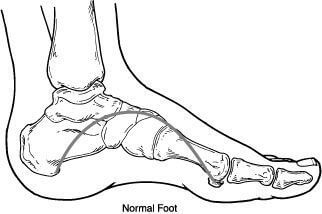
Neuromas are a benign proliferation of a nerve in the forefoot. There are many different theories on why this happens. Most doctors believe it is a compression of the nerve that causes the pain. The pain is often described as a sharp shooting electrical type of pain. This usually occurs between the 3rd and 4th digits in the foot. Neuromas are more common in women than men and usually occur between the 4 and 6th decade of life.
Neuromas treatments can vary from injections to wider shoes to surgical resection of the nerve. One of the most effective techniques for resolving neuroma pain is alcohol injections. This is where a physician injects dehydrated alcohol that helps to deaden the covering around the nerve. I have been utilizing this type of therapy for over 15 years. It continues to be the most effective treatment for neuromas I have seen. The success rate is close to 90%. This is a great option for long term relief of neuroma pain
Patients that fail alcohol injection therapy usually require surgical resection of the nerve. This involves a small incision on the top or bottom of the foot and dissection to the nerve which is then removed. This nerve that is removed is a sensory nerve so there is no loss of function but usually a small patch of numbness.
If you have been suffering from neuroma pain make an appointment today and I can help. Give us a call at 425-391-8666 or make an appointment online today.
Sincerely,
Ways to Reduce Pain From Flat Feet
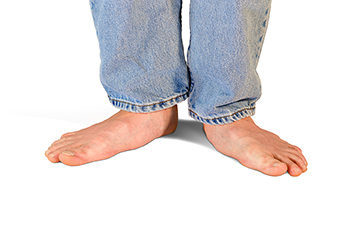
When you stand, walk, or run, the body distributes your weight through the arches of the foot. If your arches are flat, the pressure is then transferred to the bones, ligaments, and muscles, which can cause pain. Luckily, having flat feet doesn’t always cause serious foot problems, thanks to shoes or insoles that provide proper arch support. Experts recommend a number of ways to reduce the painful effects of having flat feet. First, avoid wearing flats, such as flip flops or sandals, that offer little or no arch support. Next, try to find shoes that offer just the right amount of arch support, as too much or too little can contribute to pain. Other tips include wearing shoes that are appropriate for the activity you are doing, avoiding standing for long periods, and considering adding inserts to your already existing shoes. Much success has been found by wearing custom orthotics that are molded especially for your feet. For more information about orthotics for flat feet, it is suggested that you visit a podiatrist.
Flatfoot is a condition many people suffer from. If you have flat feet, contact the podiatrists from Issaquah Foot & Ankle Specialists. Our doctors will treat your foot and ankle needs.
What Are Flat Feet?
Flatfoot is a condition in which the arch of the foot is depressed and the sole of the foot is almost completely in contact with the ground. About 20-30% of the population generally has flat feet because their arches never formed during growth.
Conditions & Problems:
Having flat feet makes it difficult to run or walk because of the stress placed on the ankles.
Alignment – The general alignment of your legs can be disrupted, because the ankles move inward which can cause major discomfort.
Knees – If you have complications with your knees, flat feet can be a contributor to arthritis in that area.
Symptoms
- Pain around the heel or arch area
- Trouble standing on the tip toe
- Swelling around the inside of the ankle
- Flat look to one or both feet
- Having your shoes feel uneven when worn
Treatment
If you are experiencing pain and stress on the foot you may weaken the posterior tibial tendon, which runs around the inside of the ankle.
If you have any questions, please feel free to contact one of our offices located in Issaquah, WA . We offer the newest diagnostic and treatment technologies for all your foot care needs.
Flat Feet
Flatfoot is a foot condition in which the arch of the foot has either partially or totally dropped or has never developed. While it is common in babies and small children, it can become a problem for them in adulthood if the arch never forms. For adults, the development of flat feet can be brought upon by injury, as a result of pregnancy due to increased elasticity, or obesity. Those who have health concerns such as rheumatoid arthritis or diabetes may also be at greater risk for developing the condition.
If you suspect that you have flat feet, it is best to consult your podiatrist. Your foot doctor will examine the suspected foot and observe how it looks while you sit and stand. He or she may take an X-ray to determine how serious the condition is. Some common signs of flatfoot include toe drift, in which the toes and front part of the foot point outward, a short Achilles tendon, and a heel that tilts outwardly while the ankle tilts inward.
Once flatfoot has been diagnosed, your podiatrist may suggest one of several treatment options. Flat feet can be rigid, in which the feet appear to have no arch even when the person is not standing; or flexible, in which the person appears to have an arch while not standing, but once standing the arch disappears. Those with flexible flatfoot may be told to reduce any activities that cause pain and to avoid extended periods of walking or standing. Another suggestion may be weight loss, as excessive weight may be placing pressure on the arches
In few cases, if the condition is severe and all other methods have been exhausted surgery may be required. This is normally avoided, however, due to a lengthy recovery time and high cost.
Dr Brandon Nelson, A Board Certified Physician & Surgeon, Discuss Heel Pain
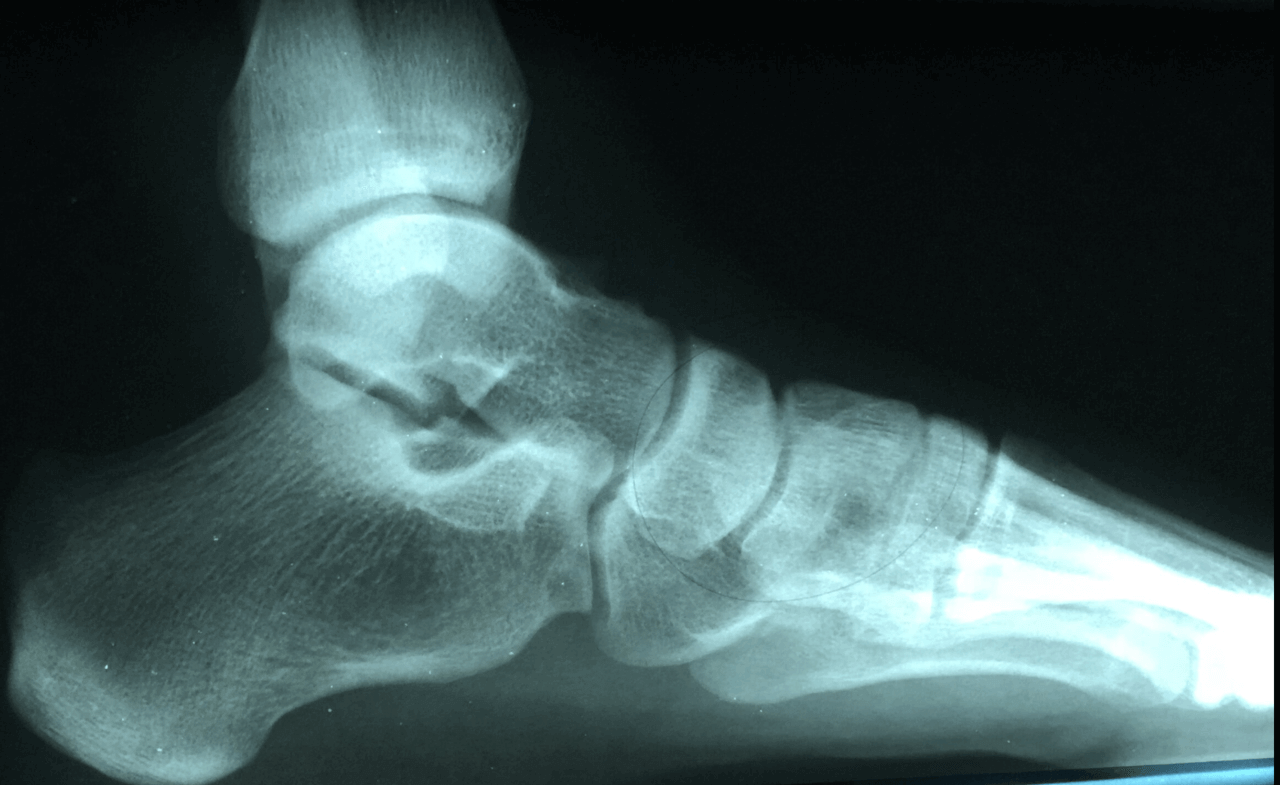
Heel pain can usually be broken down into a few main causes. The first and most common is plantar fasciitis. This is usually pain right at the bottom of the heel bone towards the inside arch. The second most common cause is Achilles tendonitis. This pain is more found towards the back of the heel. Lastly there is a condition called Baxter’s neuritis that can cause burning in the foot. This pain is usually on the inside of the foot.
Plantar fasciitis is by far the most common cause of heel pain. It is typically seen in adults between the ages of 40-60. Typical symptoms are pain in the morning or pain after rest. It is often an overuse type injury. Plantar fasciitis can usually be treated successfully and the protocol I use keeps people exercising for the duration of treatment.
Achilles tendonitis usually presents with swelling near its insertion towards the back of the heel. Sometimes a catching or popping can be felt. This is also another pathology associated with overuse. I cannot stress enough that this should be evaluated immediately.
Baxter’s neuritis is a little trickier. This condition usually presents as a burning in the heel but can mimic plantar fasciitis. I usually see this in conjunction with plantar fasciitis. This pathology usually requires special testing to identify.
If you have heel pain I can help. I think this is some of the most frustrating injuries to deal with especially for the people that are training. If you are experiencing heel pain, give us a call at 425-391-8666 or make an appointment online today.
Sincerely,
Dr Brandon Nelson
Dr Brandon Nelson, A Board Certified Physician & Surgeon, Discusses Finally Getting Your Bunion Fixed!
In the average week I see quite a few patients that are ready to finally have their bunion fixed. The large majority of patients I have seen for years and their bunions are becoming bigger and more painful. They are having a hard time fitting in shoes and going about daily activities. The decision to fix their bunion is an exciting one and today's repairs of a bunion are much easier than in the past.
Fixing your bunion is a big decision and it can be overwhelming sometimes. I really enjoy helping my patients through this process and eliminating the concern and apprehension around surgical correction. Surgery for bunions has really come a long way and new techniques have created an almost foolproof approach.
The newest technique that I am really excited about is the Lapiplasty. This is a great procedure that is reliable and has great long term results. The Lapiplasty is excellent for patients that even have large bunions. This procedure can be done in my office at our on-site surgery center. This can provide huge time and cost savings.
Do you have a bunion and have you always thought about fixing it? Give me a call and I can help. I look forward to fixing your bunion!!!! Give us a call at 425-391-8666 or make an appointment online today.
Sincerely,
