




October 2023
Understanding the Basics of Ingrown Toenails
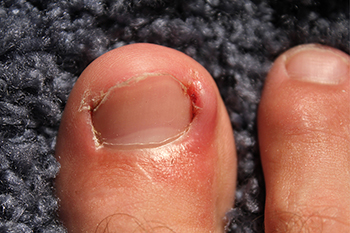
Ingrown toenails are a common and often painful foot condition that can disrupt daily life. Understanding the definition and recognizing the symptoms is essential for managing this ailment effectively. An ingrown toenail occurs when the edge of a toenail, usually the big toe, grows into the surrounding skin instead of over it. This can lead to redness, swelling, and tenderness along the side of the affected toe. As the nail continues to dig into the skin, it can cause pain and discomfort, making it a challenge to wear shoes or walk comfortably. In some cases, ingrown toenails can become infected, resulting in pus drainage and increased pain. The common culprits behind ingrown toenails include improper nail trimming, wearing tight-fitting shoes, hereditary factors, or injury. It is helpful for individuals with diabetes, poor circulation, or weakened immunity to be especially cautious, as ingrown toenails can lead to more severe complications. Timely intervention is important. Soaking the foot in warm, soapy water, gently lifting the ingrown edge of the nail, and keeping the area clean can help alleviate symptoms. If you have developed an ingrown toenail, it is strongly suggested that you are under the care of a podiatrist who can effectively treat this condition.
Ingrown toenails may initially present themselves as a minor discomfort, but they may progress into an infection in the skin without proper treatment. For more information about ingrown toenails, contact the podiatrists of Issaquah Foot & Ankle Specialists. Our doctors can provide the care you need to keep you pain-free and on your feet.
Ingrown Toenails
Ingrown toenails are caused when the corner or side of a toenail grows into the soft flesh surrounding it. They often result in redness, swelling, pain, and in some cases, infection. This condition typically affects the big toe and may recur if it is not treated properly.
Causes
- Improper toenail trimming
- Genetics
- Improper shoe fitting
- Injury from pedicures or nail picking
- Abnormal gait
- Poor hygiene
You are more likely to develop an ingrown toenail if you are obese, have diabetes, arthritis, or have any fungal infection in your nails. Additionally, people who have foot or toe deformities are at a higher risk of developing an ingrown toenail.
Symptoms
Some symptoms of ingrown toenails are redness, swelling, and pain. In rare cases, there may be a yellowish drainage coming from the nail.
Treatment
Ignoring an ingrown toenail can have serious complications. Infections of the nail border can progress to a deeper soft-tissue infection, which can then turn into a bone infection. You should always speak with your podiatrist if you suspect you have an ingrown toenail, especially if you have diabetes or poor circulation.
If you have any questions, please feel free to contact one of our offices located in Issaquah, WA . We offer the newest diagnostic and treatment technologies for all your foot care needs.
Ingrown Toenail Care
An ingrown toenail is a toenail that grows sideways into the nail bed, causing pain and swelling. Ingrown toenails can worsen and cause drainage, turning into a serious infection.
Several factors affect whether a person is at risk from an ingrown toenail. The many causes include being overweight, diabetes, participating in sports, having a fungal infection of the toe, and cutting your nails too short. Ingrown toenails also have a genetic predisposition, causing some people to be more prone to receive the condition than others. Other causes include improperly fitting shoes and shoes that keep the feet damp.
Ingrown toenails can be preventable with certain measures. For starters, allowing your toe nails to grow slightly longer in length will help prevent them from becoming ingrown. If you have already developed an ingrown toenail, soak the affected toe in warm water. This will alleviate the pain and help prevent an infection from forming. Antibiotic soap or Epsom salts may be added to further help the relieving process and avoid infection. Placing cotton beneath the affected area is also suggested, as this may help the toenail grow upwards and not into the nail bed. Swelling and redness can be reduced by resting with your feet elevated.
A podiatrist should be seen if the pain becomes so serious that it prevents you from doing your everyday activities. If a red streak running up your leg appears or if you suspect your infection has spread, contact a podiatrist immediately. Fast treatments can be undertaken to lessen your pain and have you walking comfortably.
An ingrown toenail can be easily treated with a Band-Aid. Simply wrap the affected toe with a Band-Aid to prevent infection and keep the nail from growing out at a painful angle.
In more serious cases, your podiatrist may decide to make a small incision to remove a portion of your toenail. To prevent the nail from growing back, medication will be placed directly into the nail bed. This procedure would be performed under local anesthesia and is a faster method to alleviate discomfort from an ingrown toenail. Post-procedure directions will have you stay off the affected foot for a day. Afterwards, normal activities can be resumed.
Dr Brandon Nelson, A Board Certified Physician & Surgeon, Discusses Neuromas and Best Treatment Options
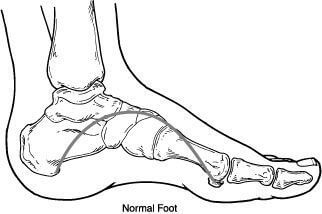
This week I saw quite a few neuromas in the office. This was more than usual so I wanted to discuss neuromas and what we can do to help patients with neuromas. I think it is appropriate to first discuss what a neuroma is then what we can do to treat them.
Neuromas seem to be more common in women than men and often present in the 4th-6th decade of life. The first symptoms often include burning and tingling with activities that can be relieved with removal of shoes and rubbing one’s feet. The neuroma itself is usually between the 3rd and 4th digits and is believed to be an enlargement of the nerve. This is the most common location as two nerves come together in this spot. The prevailing theory is mechanical stress from the adjacent bones pinch and irritate the nerve. The response is the nerves can swell from this irritation and a cycle develops.
Treatment can take many forms for a neuroma but some seem to have much better outcomes than others. I think a steroid injection is a great place to start to see if you can get the inflammation of the nerve to calm it down. Next I like to try and spread the metatarsal bones out to take pressure off the nerve. The next stop if patients continue to have been can be a series of dehydrated alcohol injections. These have great literature support and a success rate of 89%. I always make sure patients try this before removal of the nerve. Removal can be accomplished if conservative measures fail and itself is highly effective.
If you have neuroma pain I can help please call 425-391-8666 to request an appointment with Dr Brandon Nelson.
Dr Brandon Nelson, A Board-Certified Physician & Surgeon Discusses Bunions and When To Fix Them
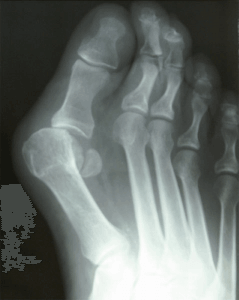
Bunions are an inherited foot deformity that is made worse with time and shoe gear. The size of a bunion increases as a person puts more mileage on their feet. It is the natural progression of a bunion to get larger and eventually become painful or make it difficult to fit shoes. I encourage anybody with a bunion to get evaluated early as there are tools to slow the progression of a bunion. But let’s focus on when you should think about having your bunion fixed.
Bunion surgery has really changed in the last couple years and more people than ever are having their bunions fixed. This is because research and techniques have advanced. We have seen a shift to correcting bunions at the apex or center of rotation where they occur. The most prevalent procedure is making a shift towards the Lapiplasty. I personally have been using this procedure for years and find it has the best long-term outcomes. So that leads us to when is the right time to fix a bunion.
I like to focus on the foot as an entire unit as the primary driver of when to fix a bunion. If you look down at your foot when you unload it or take it off the ground what does the big toe position look like? Is it crossing over or under the second digit? If it is, you are ready to have your bunion fixed. I advise my patients to have it fixed before this occurs. If you catch the bunion early and have the foot stabilized with bunion surgery before it crosses over the second toe that is even better. If you wait for the second toe to get involved, you will often need to have that toe operated on as well.
If you have a bunion I can help, call to make an appointment with me at 425-391-8666 or schedule an appointment online today.
Sincerely,
American College of Foot & Ankle SurgeonsSee Your Foot Specialist Regularly If You Work On Your Feet

Do you work on your feet all day and find your feet in pain? Don't go to work in pain each day. Your foot pain can be treated, and we can help.
Gout
Gout is a form of arthritis that is caused by a buildup of uric acid crystals in the joints. This considered to be one of the most frequently recorded medical illnesses throughout history. Gout occurrences in the US have risen within the past twenty years and the condition now affects 8.3 million people which is 4% of all Americans. Researchers have found that gout affects men more than women and African-American men more than white men.
Symptoms of gout are warmth, swelling, discoloration, and tenderness in the affected joint area. The small joint on the big toe is the most common place for a gout attack to occur.
People who are obese, gain weight excessively, drink alcohol heavily, have high blood pressure, or have abnormal kidney function are more likely to develop gout. Furthermore, certain drugs and diseases are likely to increase levels of uric acid in the joints which eventually leads to gout. You are also more likely to develop gout if you eat a lot of meat and fish.
Many who experience gout attacks will experience repeated attacks over the years. Some people who have gout symptoms, may never have them again, but others may experience them several times a year. If you have gout symptoms throughout the year, you may have recurrent gout. Those who have gout should also be careful about their urate crystals collecting in their urinary tract, because this may lead to kidney stones.
Diagnosis for gout is done by checking the level of uric acid in the joints and blood. Your podiatrist may also prescribe medicine to reduce uric acid buildup in the blood, which will help prevent any gout attacks.
To treat gout, your podiatrist may also prescribe you Anti-inflammatory medication (NSAIDs) which will relieve the pain and swelling of a gout episode and it can also shorten a gout attack. Maintaining a healthy diet is also a proven method to prevent gout attacks.
Understanding the Connection Between Gout and Kidney Disease
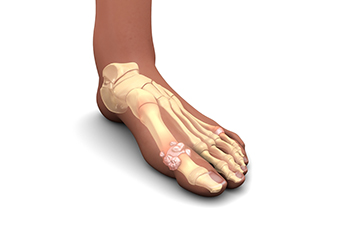
Gout and kidney disease are two distinct medical conditions, but they share a complex relationship that can significantly affect one's health. Gout is a type of arthritis characterized by sudden, severe joint pain, often in the big toe, caused by the buildup of uric acid crystals in the joints. Kidney disease involves the impaired function of the kidneys, leading to the buildup of waste and toxins in the body. What ties these two conditions together is uric acid. When the kidneys are unable to effectively filter and excrete uric acid, it can accumulate in the bloodstream, increasing the risk of gout attacks. Furthermore, some medications used to treat gout can potentially worsen kidney function. Managing both conditions requires a comprehensive approach. It is beneficial for patients to monitor kidney function, control uric acid levels, and adopt lifestyle changes. These can include eating a balanced diet and drinking plenty of water. If you are experiencing gout attacks, it is strongly suggested that you are under the care of a podiatrist who can determine what the cause is, and offer appropriate treatment options.
Gout is a painful condition that can be treated. If you are seeking treatment, contact the podiatrists from Issaquah Foot & Ankle Specialists. Our doctors will treat your foot and ankle needs.
What Is Gout?
Gout is a form of arthritis that is characterized by sudden, severe attacks of pain, redness, and tenderness in the joints. The condition usually affects the joint at the base of the big toe. A gout attack can occur at any random time, such as the middle of the night while you are asleep.
Symptoms
- Intense Joint Pain - Usually around the large joint of your big toe, and it most severe within the first four to twelve hours
- Lingering Discomfort - Joint discomfort may last from a few days to a few weeks
- Inflammation and Redness -Affected joints may become swollen, tender, warm and red
- Limited Range of Motion - May experience a decrease in joint mobility
Risk Factors
- Genetics - If family members have gout, you’re more likely to have it
- Medications - Diuretic medications can raise uric acid levels
- Gender/Age - Gout is more common in men until the age of 60. It is believed that estrogen protects women until that point
- Diet - Eating red meat and shellfish increases your risk
- Alcohol - Having more than two alcoholic drinks per day increases your risk
- Obesity - Obese people are at a higher risk for gout
Prior to visiting your podiatrist to receive treatment for gout, there are a few things you should do beforehand. If you have gout you should write down your symptoms--including when they started and how often you experience them, important medical information you may have, and any questions you may have. Writing down these three things will help your podiatrist in assessing your specific situation so that he or she may provide the best route of treatment for you.
If you have any questions, please feel free to contact one of our offices located in Issaquah, WA . We offer the newest diagnostic and treatment technologies for all your foot care needs.
