




August 2022
Two Tips For Elderly Foot Care
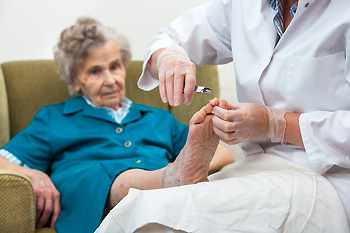
If you are a senior citizen you may have noticed changes in your feet as you have aged. For example, you might have noticed that your feet could have lost cushioning or padding that can provide much-needed support and stability. You might have also noticed that your toenails have changed, growing potentially more brittle and dry. Therefore, foot care becomes more and more of a necessity as one ages. One tip for senior foot care is to increase blood flow and circulation to and throughout your feet. This can be achieved by avoiding wearing tight socks or shoes, engaging in physical activity throughout the day, and stretching periodically. Good circulation is important in senior citizens because poor circulation can impair foot sore healing. Additionally, another tip for senior foot care is wearing the right kind of footwear. High heels, for instance, can be problematic for seniors because they can decrease stability and mobility. Ill-fitting shoes that are too tight can also make a senior more susceptible to developing several foot conditions such as corns and bunions. If you are a senior citizen, consider reaching out to a podiatrist who can help your feet age with grace.
Proper foot care is something many older adults forget to consider. If you have any concerns about your feet and ankles, contact the podiatrists from Issaquah Foot & Ankle Specialists. Our doctors can provide the care you need to keep you pain-free and on your feet.
The Elderly and Their Feet
As we age we start to notice many changes in our body, but the elder population may not notice them right away. Medical conditions may prevent the elderly to take notice of their foot health right away. Poor vision is a lead contributor to not taking action for the elderly.
Common Conditions
- Neuropathy – can reduce feeling in the feet and can hide many life-threatening medical conditions.
- Reduced flexibility – prevents the ability of proper toenail trimming, and foot cleaning. If left untreated, it may lead to further medical issues.
- Foot sores – amongst the older population can be serious before they are discovered. Some of the problematic conditions they may face are:
- Gouging toenails affecting nearby toe
- Shoes that don’t fit properly
- Pressure sores
- Loss of circulation in legs & feet
- Edema & swelling of feet and ankles
Susceptible Infections
Diabetes and poor circulation can cause general loss of sensitivity over the years, turning a simple cut into a serious issue.
If you have any questions, please feel free to contact one of our offices located in Issaquah, WA . We offer the newest diagnostic and treatment technologies for all your foot care needs.
Are You Suffering From Ingrown Toenails?

If left untreated, an ingrown toenail can lead to more serious concerns, such as an infection. Knowing proper nail care can help in the prevention of an ingrown toenail. Give us a call, and get treated!
Flipping Out About Flip Flops
Although it may be tempting to wear flip-flops in warm weather, they are not the best choice of footwear for your feet. Flip-flops may be ideal for the beach, pool, spa, and shared showers, but you should avoid wearing them unless it is completely necessary.
Flip-flops only have a small strip of fabric holding your foot in place, but your toes need a better grip to keep your foot in place. The repetitive gripping can lead to an overuse of your muscles, which could result in tendinitis. This is only one of the many problems that stem from wearing flip-flops too often.
Flip flops aren’t good for extensive walking because they fail to offer arch support, heel cushioning, or shock absorption. As a result, people who wear flip flops are at a higher risk of experiencing an ankle sprain. Additionally, these shoes offer little protection for your feet, putting those who wear them at a greater risk for stubbed toes, glass cuts, and puncture wounds.
Although flip flops aren’t recommended for everyday use by anyone, it is especially important for diabetics to avoid them. A diabetic foot injury can easily become very serious, and it may even lead to amputation.
If you are experiencing pain from wearing flip-flops, you shouldn’t be hesitant to replace them with a more comfortable shoe that offers more support. If your flip-flop foot pain doesn’t go away, you should seek assistance from a podiatrist right away. It is possible that you may have a more serious foot problem such as a stress fracture or arthritis.
Flip-Flops and Bacteria
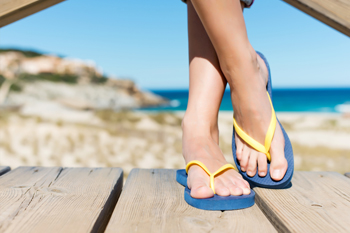
Despite their stylish appeal and popularity during the warm summer months, flip-flops can present several threats to the health of your feet. Since flip-flops lack a back strap, the wearer must scrunch their toes to keep the shoe on the feet. These toe contortions can cause pain and complications. Additionally, since flip-flops are but mere pieces of flat foam, they offer little to no support. You might, therefore, experience increased stress on the heel when walking with flip-flops because they offer no padding or cushioning. One often overlooked downside of wearing flip-flops is the extent to which they can accumulate bacteria. Especially if worn in cities, flip-flops can accumulate many different kinds of bacteria both on the top and bottom of the foam. If worn in cities during warm months and rainy seasons, environmental moisture will only help the bacteria thrive. Since flip-flops are open toed shoes that ultimately expose your entire foot, this accumulation of bacteria can be especially dangerous to your feet. Contact your podiatrist who will be able to help you select healthy summer footwear.
Flip-flops are not always the best choice of footwear. If you have any concerns about your feet or ankles, contact the podiatrists from Issaquah Foot & Ankle Specialists. Our doctors will assist you with all of your foot and ankle needs.
Flip-Flops and Feet
When the weather starts warming up, people enjoy wearing flip-flops. Flip-flops are comfortable, stylish, and easy to slip on and off; they're perfect for any summer beach goer. However, these shoes can cause harm to the feet.
How Can Flip-Flops Affect Me Long-Term?
- Ankle problems
- Hip problems
- Lower back problems
- Pain in the balls of the feet
- Problems with foot arches
- Changes in the way you walk
Are There Injuries Associated with Flip-Flops?
Yes. Since flip-flops are relatively weak and do not provide the same amount of support as sneakers, people who wear flip-flops regularly are more susceptible to injuries. On top of that, the open nature of the shoe makes your feet more prone to other problems, such as cuts and even infections. Common injuries and ailments include:
- Sprained ankles
- Blisters
- Infections
- Cuts and Scrapes
I like Wearing Flip-Flops. Are There Safe Alternatives?
When buying flip-flops, try to find ones that have sturdy soles and that are made of high-quality materials that will support for your feet. These flip-flops will cost more but will also last longer as a result.
If you have any questions, please feel free to contact one of our offices located in Issaquah, WA . We offer the newest diagnostic and treatment technologies for all your foot care needs.
