




May 2021
Dr. Brandon Nelson, A Board Certified Physician, Discusses Metatarsalgia And Foot Filler For Fat Pad Atrophy
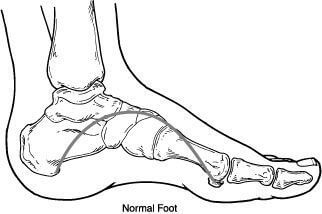
Metatarsalgia refers to pain and inflammation under the metatarsal heads in the foot. Patients often experience burning or tingling or even bruised type sensations in the ball of the foot with walking and exercise. This is often caused by the lose of fat pad or cushioning in the foot. This can occur as a normal aging process or as a genetic predisposition.
One of the best options available to treat fat pad atrophy or loss of fat pad or metatarsalgia are foot fillers. These foot fillers can be used to replace natural cushioning in the foot. There are many different types of foot fillers. I prefer to use adipose tissue as it is a naturally occurring product and provides no immune response. Adipose transplant can be highly effective long term and can be preformed in the office with local anesthetic. Most people find significant relief for long periods and have very little down time.
If you have metatarsalgia or loss of fat pad, contact my office today and request a consultation.
Give us a call at 425-391-8666 or make an appointment online today.
Can Falling Be Prevented?
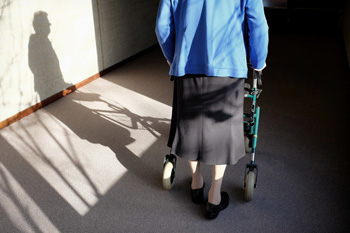 Injuries that happen as a result of falling is a common occurrence. They can be severe, and can cause broken bones in the feet, which can inhibit completing daily activities. There are methods that can be implemented which can help to prevent unnecessary falls. These can include performing simple stretches that can strengthen the body, and improving lighting in the living environment. Additionally, it is beneficial to have regular physical examinations, as this is helpful in monitoring existing medications. Many patients have installed grab bars in the shower and toilet areas, and using a bathmat can lessen the fear of falling while showering. If you would like more information about how falling can impact the feet, and effective preventive techniques, please consult with a podiatrist.
Preventing falls among the elderly is very important. If you are older and have fallen or fear that you are prone to falling, consult with the podiatrists from Issaquah Foot & Ankle Specialists. Our doctors will assess your condition and provide you with quality advice and care.
Every 11 seconds, an elderly American is being treated in an emergency room for a fall related injury. Falls are the leading cause of head and hip injuries for those 65 and older. Due to decreases in strength, balance, senses, and lack of awareness, elderly persons are very susceptible to falling. Thankfully, there are a number of things older persons can do to prevent falls.
How to Prevent Falls
Some effective methods that older persons can do to prevent falls include:
- Enrolling in strength and balance exercise program to increase balance and strength
- Periodically having your sight and hearing checked
- Discuss any medications you have with a doctor to see if it increases the risk of falling
- Clearing the house of falling hazards and installing devices like grab bars and railings
- Utilizing a walker or cane
- Wearing shoes that provide good support and cushioning
- Talking to family members about falling and increasing awareness
Falling can be a traumatic and embarrassing experience for elderly persons; this can make them less willing to leave the house, and less willing to talk to someone about their fears of falling. Doing such things, however, will increase the likelihood of tripping or losing one’s balance. Knowing the causes of falling and how to prevent them is the best way to mitigate the risk of serious injury.
If you have any questions, please feel free to contact one of our offices located in Issaquah, WA . We offer the newest diagnostic and treatment technologies for all your foot care needs.
Falls Prevention
Elderly Americans are very susceptible to falls as they get older. Everyone experiences decreases in flexibility, balance, strength, and the senses as they age. This correlates to some eye-opening statistics. 1 in 4 Americans aged 65 and older fall each year. An elderly American is being treated for a fall in an emergency room every 11 seconds. In light of these striking statistics, one can see the importance of taking steps to prevent falls.
Finding an exercise program for the elderly is an excellent way to reduce the likelihood of falls. Look for an exercise program that improves strength and balance. Elderly people who live a more sedentary lifestyle, with little physical activity, are at an increased risk of falling. Wearing well-fitted footwear that provides good foot support and cushion will help prevent falls from poorly fitted shoes. Talking to a podiatrist about your susceptibility to falls and about inspecting your prescriptions will help to avoid any medication that could make falls more likely. Due to a decline in the senses among the elderly, having your eyes and hearing checked is recommended.
Around half of all falls occur in the household. Removing tripping hazards in the home and making it more accommodating to older persons can significantly reduce falls. Some notable household changes include increasing lighting around the house, installing grab bars in the shower and bathroom, and making sure the floor is clear of clutter. Other smart options include installing a shower chair, using rubber-bottomed rugs, and placing railings on both sides of stairwells.
Finally, discuss with a doctor and your family about your fear of falling. This will help to increase awareness among the population on the need for fall prevention. A lack of awareness on the matter, and a downplaying of importance are what increase the risks of falling. Following these tips can help to reduce the risk for yourself and your loved ones.
Dr. Brandon Nelson, a Board Certified Bunion Expert, Discusses How to Treat Your Bunion Non-Surgically
.jpeg)
Bunions can be very challenging for patients, especially if you are active and enjoy activities like hiking and running. The bunion itself is primarily an inherited foot structure issue that gets worse with time. I think that is a good point to revisit. The only way to stop your bunion from increasing with time is to stop walking. I say that to highlight the fact your bunion will get bigger, however the rate of development can be slowed or even fixed. There are many options for conservative measures and I will discuss a few.
Bigger and wider shoes, this is probably the most common measure. Buying your shoes like this will allow more room for the bunion and often alleviate some of the pressure issues. However, this does nothing to treat or even slow down the bunion.
Stretching, splinting, toe spacers, straps that are all over the internet and shoe stores. These do absolutely nothing to prevent or reverse your bunion. There are quite a few variations on these, but if your bunion could be fixed with a strap or padding we would never have the need to operate on a bunion. The main thing to remember this is a bone deformity, a mal-alignment of bones that is inherited. The bunion itself gets bigger when you place pressure on it. Strapping and toe spacers do sometimes provide a little bit of soft tissue stretching that can temporarily make your pain less.
Over the counter inserts, again not much help. Your feet are unique to you and the position of your bones are usually not in the correct place with a bunion. The best option here is to go with a custom molded prescription orthotic. Our clinic has worked with a local lab to develop a bunion specific orthotic that can actually slow down the development of your bunion. Do not waste your money on an over the counter, even the inserts that are molded to your foot are not enough.
If you have bunion pain, make an appointment today so we can help you slow your bunion growth and eliminate the pain.
Dr. Brandon Nelson, A Board Certified Foot & Ankle Physician, Discusses Heel Pain
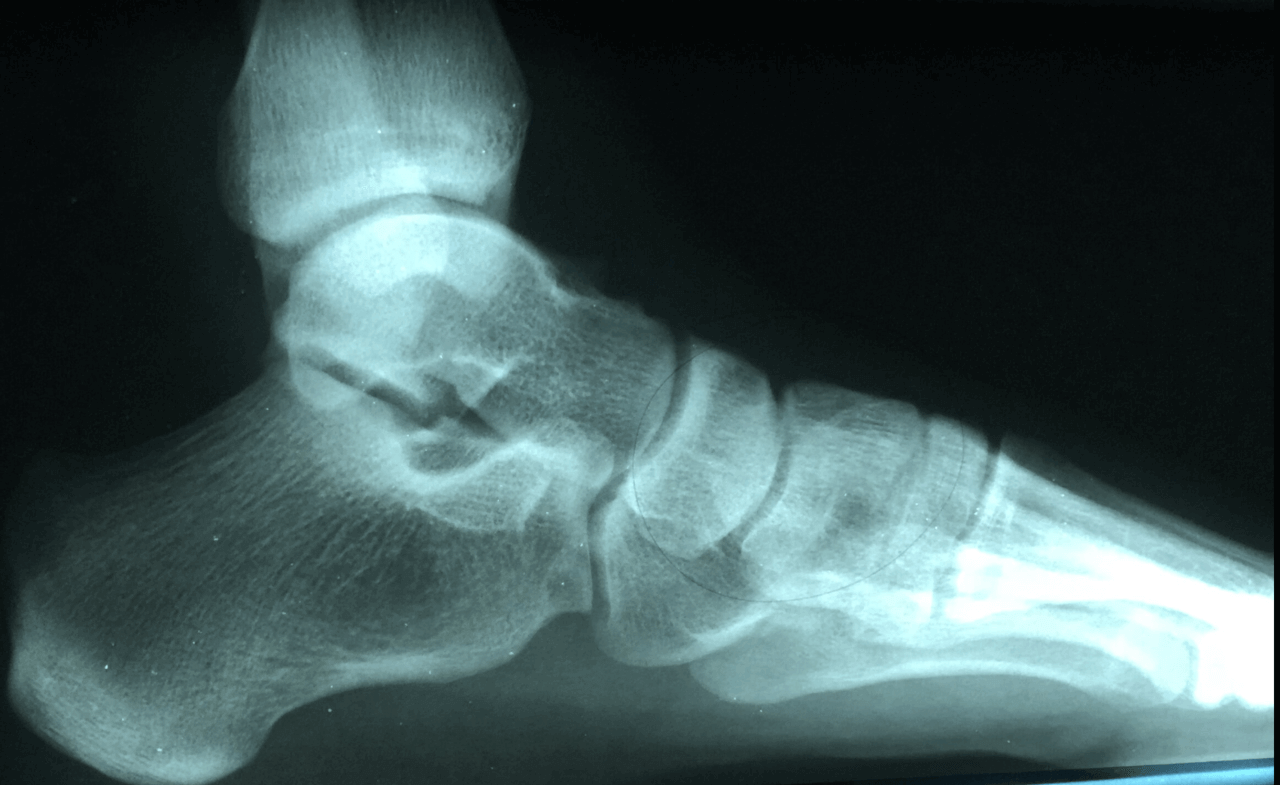
Heel pain has a variety of causes and can be challenging for many patients. Most patients with heel pain describe it as a dull ache, or a bruised sensation but some have tingling and burning. The main causes of heel pain are plantar fasciits, bursitis and nerve entrapments. Sometimes there are overlapping symptoms and some patients even have multiple causes.
Plantar fasciitis is by far the most common cause of heel pain. It presents as pain when you get out of bed, or first step pain and often gets a little better as the morning goes on. However, typically the pain returns every time you stop and sit and then get back up. Plantar fasciitis usually feel like a bruise to the bottom of the foot.
Bursitis, or bursal sack formation is usually found in people with a high arch. The bursa forms to help cushion the foot and is important in situations where a heavy heel strike occurs. Many times you can feel the soft bursa, or what seems to be a bubble under the heel.
Nerve pain and entrapments can occur do to anatomical constrictions in the foot or the ankle. These are often the hardest to diagnosis and can cause a myriad of symptoms. However, the most common are burning and tingling.
If you are suffering with heel pain we can help get you pain free. Heel pain is the most common pathology we see and are treatment protocols work quickly and effectively. Do not suffer for the summer make an appointment so we can help.
Give us a call at 425-391-8666 or make an appointment online today.
Shockwave (EPAT): An Extremely Effective Technique To Get Rid Of Plantar Fasciitis
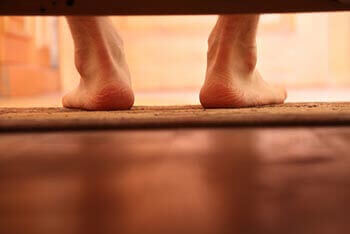
If you have had plantar fasciitis you know how frustrating it can be to your everyday life. Often you wake up and have pain with your first step, and then it returns again at the end of the day or every time you sit down. You have been icing and stretching and talking to all your friends and still are not getting better.
Why, why will this heel pain not go away? The number one cause of plantar fasciitis or heel pain is overuse. The overuse begins to wear down the fibers of your plantar fascia and they become fragile and often tear. Most patients with heel pain that will not go away have microscopic tearing.
Well how do you fix this tearing? One of the most advanced and effective treatment options is shockwave therapy. It has no downtime, no anesthesia, is non-innvassive, no scarring and is fast and effective in healing the torn fascia. This is a great option for active or athletic patients. The best shockwave avaible is the EPAT or Extracorporeal Pulse Activation Technology by CuraMedix. There are a lot of other types out there but this has the best results and the most long term data. If you want to heal your fasciitis fast and with no down time this is the device.
How it works? We typically employ 5 sessions all about 1 week apart. Each session takes about 10 minutes and is pain free and can be done in the office. The shockwave, EPAT, stimulates your bodies own healing cascade to recruit new cells and a new blood supply to heal your fascia. It is so effective that most professional sports teams have a unit to treat their athletes. If you are suffering from heal pain and want to get rid of it once and for all schedule and appointment with us today. Give us a call today at 425-391-8666 or make an appointment online today.
Achilles Tendon Injuries
The Achilles tendon is the largest tendon in the body; it is a tough band of fibrous tissue that stretches from the bones of the heel to the calf muscles. This tendon is what allows us to stand on our toes while running, walking, or jumping, it is common for this tendon to become injured. In severe cases, the Achilles tendon may become partially torn or completely ruptured. However, this tendon is susceptible to injury because of its limited blood supply and the high level of tension it endures.
The people who are more likely to suffer from Achilles tendon injuries are athletes who partake in activities that require them to speed up, slow down, or pivot. Consequently, athletes who engage in running, gymnastics, dance, football, baseball, basketball, or tennis are more likely to suffer from Achilles tendon injuries. Additionally, there are other factors that may make you more prone to this injury. People who wear high heels, have flat feet, tight leg muscles or tendons, or take medicines called glucocorticoids are more likely to have Achilles tendon injuries.
A common symptom of an Achilles tendon injury is pain above the heel that is felt when you stand on your toes. However, if the tendon is ruptured, the pain will be severe, and the area may become swollen and stiff. Other symptoms may be reduced strength in the lower ankle or leg area, and reduced range of motion in the ankle. When the Achilles tendon tears, there is usually a popping sound that occurs along with it. People who have acute tears or ruptures may find walking and standing to be difficult.
If you suspect you have injured your Achilles tendon, you should see your podiatrist to have a physical examination. Your podiatrist will likely conduct a series of tests to diagnose your injury including a “calf-squeeze” test. Calf squeeze tests are performed by first squeezing the calf muscle on the healthy leg. This will pull on the tendon and consequently cause the foot to move. Afterward, the same test will be performed on the injured leg. If the tendon is torn, the foot won’t move because the calf muscle won’t be connected to the foot.
What to Expect During Achilles Tendon Surgery Recovery

Some Achilles tendon injuries such as ruptures or tears may not respond to nonsurgical care. In some patients, surgery may be an option to repair the tendon and restore its functionality and strength. There are different methods a podiatric surgeon can use which may be performed as outpatient (same-day) surgery. While in recovery, it is important to follow your podiatrist’s instructions. Pain medicine may be suggested or prescribed during the first few days following the procedure. Crutches—and keeping your leg elevated as much as possible—will help keep weight off of your leg to reduce pain and swelling. When your stitches are ready to be removed, your podiatrist will fit you with a removable boot or cast. They will also assess when the time is right to start putting weight on your leg and how you can help strengthen your ankle and leg muscles. Full recovery may take weeks or months, depending on a variety of factors.
Achilles tendon injuries need immediate attention to avoid future complications. If you have any concerns, contact the podiatrists of Issaquah Foot & Ankle Specialists. Our doctors can provide the care you need to keep you pain-free and on your feet.
What Is the Achilles Tendon?
The Achilles tendon is a tendon that connects the lower leg muscles and calf to the heel of the foot. It is the strongest tendon in the human body and is essential for making movement possible. Because this tendon is such an integral part of the body, any injuries to it can create immense difficulties and should immediately be presented to a doctor.
What Are the Symptoms of an Achilles Tendon Injury?
There are various types of injuries that can affect the Achilles tendon. The two most common injuries are Achilles tendinitis and ruptures of the tendon.
Achilles Tendinitis Symptoms
- Inflammation
- Dull to severe pain
- Increased blood flow to the tendon
- Thickening of the tendon
Rupture Symptoms
- Extreme pain and swelling in the foot
- Total immobility
Treatment and Prevention
Achilles tendon injuries are diagnosed by a thorough physical evaluation, which can include an MRI. Treatment involves rest, physical therapy, and in some cases, surgery. However, various preventative measures can be taken to avoid these injuries, such as:
- Thorough stretching of the tendon before and after exercise
- Strengthening exercises like calf raises, squats, leg curls, leg extensions, leg raises, lunges, and leg presses
If you have any questions please feel free to contact one of our offices located in Issaquah, WA . We offer the newest diagnostic tools and technology to treat your foot and ankle needs.
