




February 2021
Working on Your Feet
Foot care is important regardless of your profession, but those who work on their feet must pay special attention. Bunions, calluses, blisters, and plantar warts are just a few of the many conditions that can arise after standing all day. While painful at their worst, these conditions can easily be avoided with the right foot care. This includes both appropriate footwear and proper posture—important elements that affect the health of your feet.
Choosing appropriate footwear means choosing a shoe that has a negative heel. This means that the heel is slightly lower than the ball of your foot, which places less of a strain. If you have a profession that requires you to be on your feet all day, investing in a pair of high-quality shoes is pertinent. High-quality shoes can be purchased from a respected manufacturer that emphasizes foot care and foot health.
Despite the regularity of wearing shoes, the feet are naturally not designed to be enclosed. Regular “barefoot” time for your feet can be beneficial for foot health. Among other methods, allowing your feet to breathe can help alleviate the pain and pressure your feet may be experiencing from being on your feet all day.
Simple foot exercises and yoga positions can help improve both the health and function of your feet. Active foot exercises that create movement will stimulate your foot’s blood flow and circulation, and yoga positions that place your feet flat onto the floor will stretch out their muscles. Yoga is particularly beneficial for your Achilles tendon and calf muscles, which are areas that can become especially problematic if not taken care of. Foot exercises and yoga positions can be easily performed every day at virtually any location and any time; whether it is at the office, at the gym, or at home right before you go to bed. Simple stretching can increase your foot health by miles.
The foot pain you experience after lengthy hours working on your feet may seem inevitable and unavoidable; in reality, however, that is not the case. Wearing proper footwear and performing simple foot exercises and stretches can help ease foot pain and allow you to truly avoid frustrating foot problems.
Your feet can easily be kept healthy with some education and a little effort. Pain that begins at the feet can eventually affect the whole body. Begin taking care of your feet now!
Cushioned Soles in Shoes May Help Feet While Working
 There are many professions that require standing on your feet for the majority of the day. While this is part of the job, working while standing or walking may weaken your feet and cause pain. Some of the foot conditions that can develop include plantar fasciitis, bunions, poor circulation, and Achilles tendinitis. It is beneficial to wear shoes that fit correctly and have cushioned arches and soles. Additionally, it is helpful to have different shoes that can adjust to the various floor surfaces that are encountered during a typical work day. If you would like more information about what type of shoes to wear while working, please consult with a podiatrist.
While working on the feet, it is important to take the proper care of them. For more information about working on your feet, contact the podiatrists from Issaquah Foot & Ankle Specialists. Our doctors will treat your foot and ankle needs.
Working on Your Feet
Standing on your feet for long periods of time can cause stress and pain in your feet. Your whole body may experience change in terms of posture, back pain, bunions, callouses and or plantar warts. There are ways to avoid these conditions with proper foot care, smart choices and correct posture.
Positive Changes
Negative heeled shoe – Choosing this shoe type places the heel slightly lower than the ball of the foot. These are great for overall foot health. Find shoes that fit you correctly.
Go barefoot – Our feet were not designed to be enclosed for all hours of the day. Try to periodically expose your feet to air.
Eliminate Pain
Foot Exercises – Performing simple exercises, incorporating yoga and doing stretches are beneficial. This will allow increased blood flow to the area and muscles of the foot.
Achilles tendon – Stretching the foot out flat on the floor will relax the calf muscles and tendon. These exercises can be performed almost anywhere. Make sure you add these exercises to your daily regimen.
With a little bit of this information and knowing more about foot health, you will notice changes. Foot stretches and proper footwear will help with pain and prevent further issues.
If you have any questions please contact one of our offices located in Issaquah, WA . We offer the newest diagnostic and treatment technologies for all your foot and ankle needs.
Dr. Timothy Young a Board Certified Bunion Surgery Expert Talks About Proper Healing of Bone at Your Surgical Site
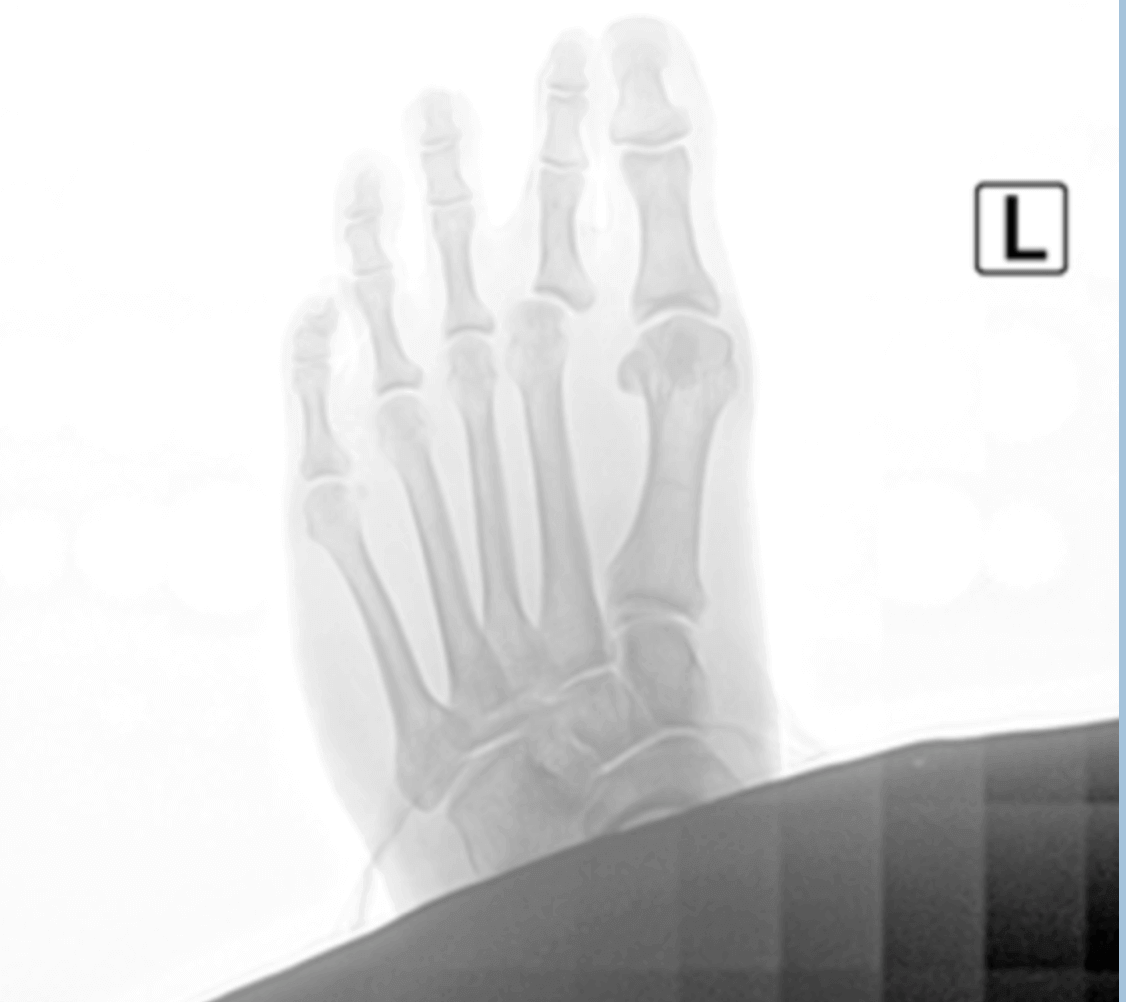
Many foot surgical procedures such as bunion surgery, involve fusions or cutting the bone and then realigning the bone. An example could also include a lapiplasty bunionectomy. The bones are then held in place with plate screws or pins. One of the most important things for proper healing is to make sure that you don’t put weight on that part of the bone until there’s adequate bridging of the bone.
Your doctor will take x-rays to help determine the timing for this. Also you will have either a boot or a fiberglass cast and you may also have other forms of protection such as a scooter crutches or even a wheelchair. Make sure to plan ahead on this also. For example if you’ve got a short distance then you can put weight on your heel but not the front of your foot that may be fine. If you have to go a longer distance, you may want to plan ahead and bring crutches or use your scooter for that longer distance and only do the short distances with a walking heel part of your cast boot.
If you have questions about bunion surgery, and would like a consultation please let us know. Give us a call today at 425-391-8666 or make an appointment online.
Dr. Brandon Nelson Discusses the Most Effective Long Term Treatment Techniques To Get Rid Of Heel Pain & Plantar Fasciitis For Good
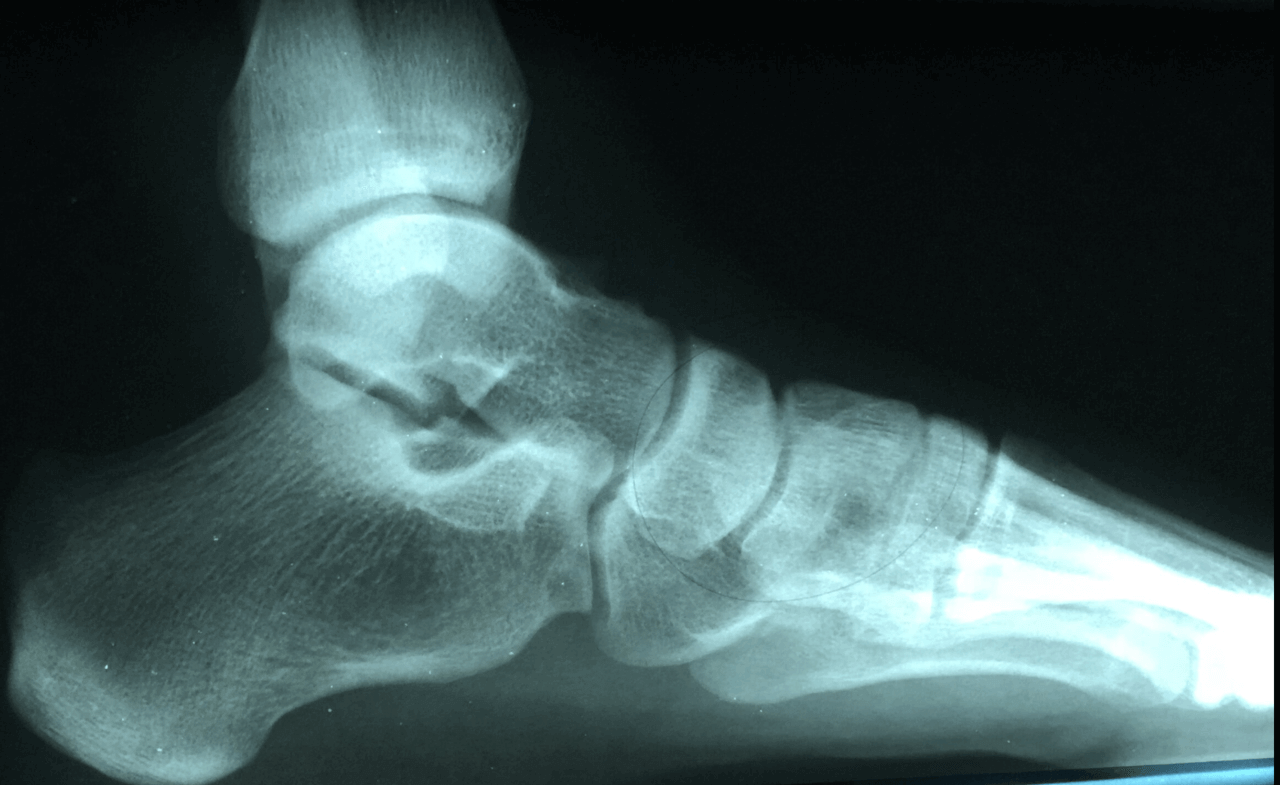
Recent literature has proven that about 10%-20 of American adults will experience heel pain. Heel pain whether it is causes by plantar fasciitis, bursitis or a stress fracture can be challenging to treat. With constant use the foot and ankle rarely have time to recover from the constant pressures of walking. This can make heel pain and plantar fasciitis very difficult for many people.
If you are experiencing pain in the bottom of your foot, especially in the morning it could be plantar fasciitis. Often times patients will describe a bruised type feeling or tightness that loosens up with walking but returns at the end of the day. Some people will feel a numbness or tingling in the foot or even a burning. It is important to have a foot and ankle physician evaluate your foot before initiating treatment.
Treatment for heel pain focuses on finding the underlying causes. The majority of people with heel pain have a tight calf muscle. One of the best long term strategies is to begin a calf stretching program. I like to have my patients stretch 3 times a day and spend a couple minutes on the muscles of the calf. Another great option at home is to ice and rest.
Our clinic Issaquah Foot & Ankle Specialists has one of the most advanced protocols that is based on current research to fix heel pain permanently. The majority of patients we see have a greater than 50% reduction in symptoms in less than 1 week and a long term success rate of almost 98%. We focus on the underlying process that is creating the inflammation and help the body to recover and repair the heel pain. Our methods do not require and period of non-weight bearing and have treated thousands of patients. If you are suffering from heel pain call us at 425-391-8666 or make an appointment online today.
Diabetic Foot Care
Diabetes affects millions of people every year. Blood vessels located all over the body are damaged due to diabetes—even the blood vessels of the feet. Neuropathy, or nerve damage, can result from slower blood flow in the legs and feet. In diabetic patients, neuropathy is very important to monitor, as diabetics are at risk for developing ulcers.
Always washing and thoroughly drying the feet are pertinent parts of diabetic foot care. There should be a focus on cleaning between the toes. Even if no pain is felt, the entire foot should be examined for redness and sores. Neuropathy can often mask the pain of sores and ulcers and can cause these conditions to be overlooked. Use a mirror to examine the underside of your feet if needed. It is recommended that diabetics wear well-fitting socks.
Patients with diabetes should have their specialist monitor their blood levels because blood sugar levels play a huge role in diabetic care. Monitoring these levels on a regular basis is highly advised. It is very important to keep your blood sugar levels in the normal range, which can be determined by your provider. There are medications that may be prescribed to help with any neuropathy experienced by the diabetic patient. It is also advisable to visit a podiatrist if one is experiencing any conditions involving the feet, such as ingrown toenails, which in more severe cases can cause infection.
Diabetic feet must be inspected daily. Diabetic foot care at home is possible if a patient is provided with instructions from their podiatrist. Patients can relieve dry heels with creams or ointments. Suspected wounds should warrant an immediate call to the podiatrist. Gangrene is a serious problem for diabetics and can lead to sepsis and amputation in its worst cases. Early treatment and daily inspection of diabetic feet are keys to staying healthy.
Monitoring Glucose Levels May Help Diabetic Patients
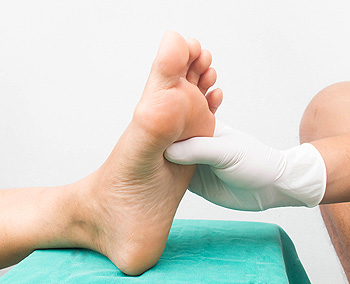 Dangers to the feet are a concern among diabetic patients. Complications could arise that affect the ability to feel cuts, bruises, and wounds on the feet, and can cause infections. A method that can keep the feet healthy can include monitoring glucose levels. Elevated sugar levels can be what causes a loss of feeling in the feet, and keeping a watchful eye may be helpful in preventing wounds and ulcers from developing. Many diabetic patients find it beneficial to place a mirror on the floor that can help to inspect the bottom of the feet. The feet need to be washed daily, and the toenails trimmed properly. There are many ways to protect the feet from diabetes. If you have this condition, it is suggested that you are under the care of a podiatrist who can help you to manage this ailment.
Diabetic foot care is important in preventing foot ailments such as ulcers. If you are suffering from diabetes or have any other concerns about your feet, contact the podiatrists from Issaquah Foot & Ankle Specialists. Our doctors can provide the care you need to keep you pain-free and on your feet.
Diabetic Foot Care
Diabetes affects millions of people every year. The condition can damage blood vessels in many parts of the body, especially the feet. Because of this, taking care of your feet is essential if you have diabetes, and having a podiatrist help monitor your foot health is highly recommended.
The Importance of Caring for Your Feet
- Routinely inspect your feet for bruises or sores.
- Wear socks that fit your feet comfortably.
- Wear comfortable shoes that provide adequate support.
Patients with diabetes should have their doctor monitor their blood levels, as blood sugar levels play such a huge role in diabetic care. Monitoring these levels on a regular basis is highly advised.
It is always best to inform your healthcare professional of any concerns you may have regarding your feet, especially for diabetic patients. Early treatment and routine foot examinations are keys to maintaining proper health, especially because severe complications can arise if proper treatment is not applied.
If you have any questions, please feel free to contact one of our offices located in Issaquah, WA . We offer the newest diagnostic and treatment technologies for all your foot care needs.
