




July 2020
Diabetic Foot Care
Diabetes can cause two problems that can potentially affect the feet: Diabetic neuropathy and Peripheral Vascular Disease. Diabetic neuropathy occurs when nerves in your legs and feet become damaged, which prevents you from feeling heat, cold, or pain. The problem with diabetic neuropathy is that a cut or sore on the foot may go unnoticed and the cut may eventually become infected. This condition is also a main cause of foot ulcers. Additionally, Peripheral vascular disease also affects blood flow in the body. Poor blood flow will cause sores and cuts to take longer to heal. Infections that don’t heal do to poor blood flow can potentially cause ulcers or gangrene.
There are certain foot problems that are more commonly found in people with diabetes such as Athlete’s foot, calluses, corns, blisters, bunions, foot ulcers, ingrown toenails, and plantar warts. These conditions can lead to infection and serious complications such as amputation. Fortunately, proper foot care can help prevent these foot problems before they progress into more serious complications.
Each day you should wash your feet in warm water with a mild soap. When you finish washing your feet, dry them carefully especially between your toes. You should also perform daily foot inspections to ensure you don’t have any redness, blisters, or calluses. Furthermore, if you are diabetic, you should always wear closed-toed shoes or slippers to protect your feet. Practicing these tips will help ensure that your feet are kept healthy and away from infection.
If you have diabetes, contact your podiatrist if you have any of the following symptoms on your feet: changes in skin color, corns or calluses, open sores that are slow to heal, unusual and persistent odor, or changes in skin temperature. Your podiatrist will do a thorough examination of your feet to help treat these problematic conditions.
Three Ways To Prevent Cracked Heels

Standing or walking on hard surfaces all day can cause calluses to form on your feet. Being overweight and sedentary can also be a factor to having thickened skin on your feet, including heel calluses and heel fissures. Cracked heels can become worse without treatment and lead to bleeding and infection.
Here are three ways to help treat and prevent cracking heels we recommend at Issaquah Foot and Ankle Specialists:
1. Protect your feet with properly fitted shoes and orthotics. Wear properly fitted, supportive and comfortable shoes. The use of heel pads and other custom orthotic inserts can help isolate problem areas while they heal.
2. File away cracked and dead skin and moisturize. Dead skin can be removed using a pumice stone or file after soaking the feet to soften the skin.
3. Apply skin cream or lotion several times a day and allow it to soak in. In addition, wearing a sock over the foot while sleeping will provide for maximum absorption.
If you are experiencing foot or ankle pain, give us a call at 425-391-8666 or make an appointment online.
Dr. Brandon Nelson Discusses How To Make Sure You Have The Correct Bunion Surgery
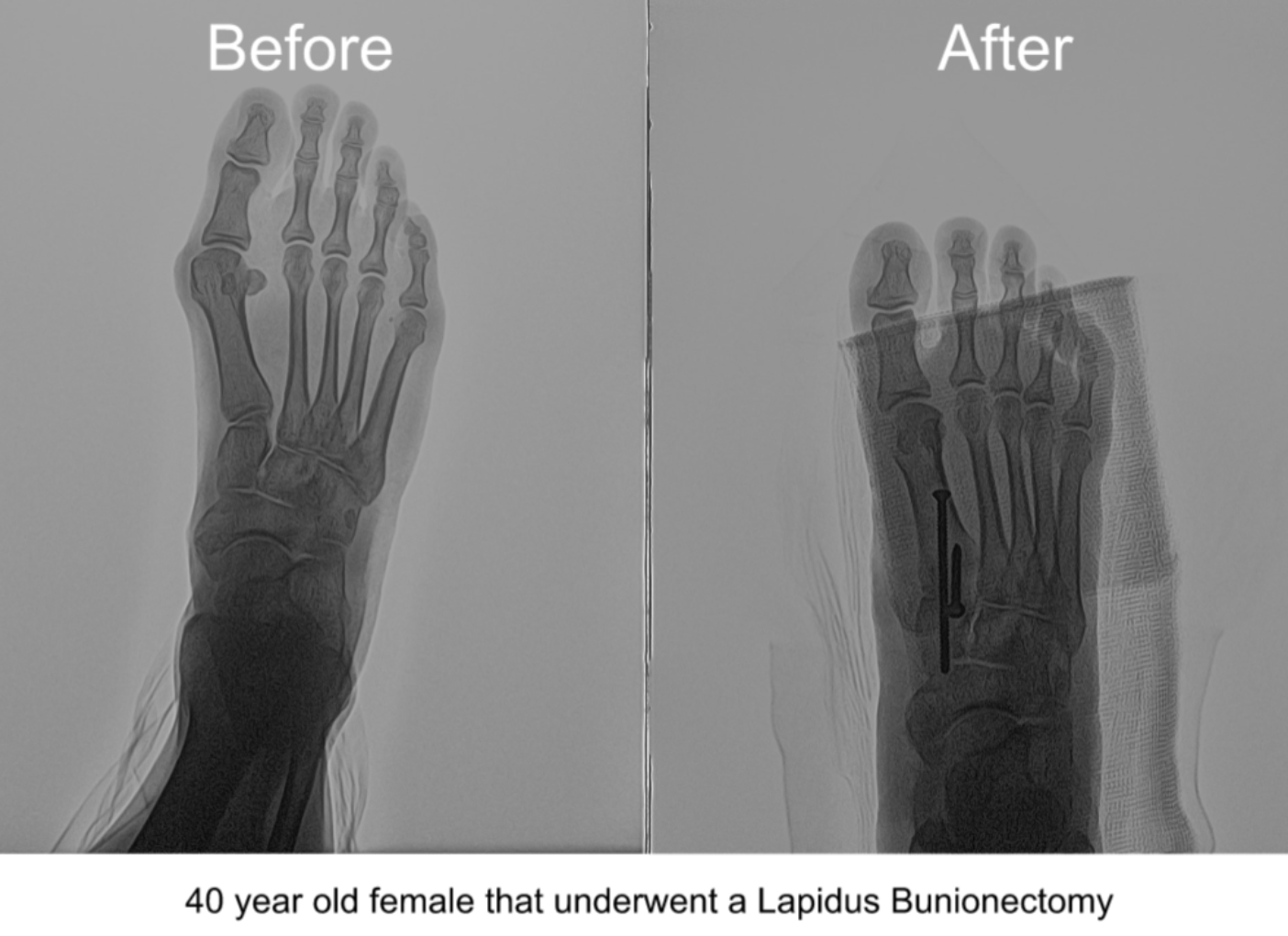
Issaquah Foot and Ankle Specialists has been performing bunion surgery for more than 20 years and have performed thousands of bunionectomies. Having performed so many bunion procedures has allowed us to perfect our skills and provide patients with the most up-to-date bunion procedures. Currently there are almost 50 different bunion procedures that can be performed. However, the majority of these procedures are divided into 3 categories;
1. fusion or arthrodesis
2. head procedures
3. base procedures
It is important to note that not everyone is a candidate for one of these procedures. I can tell you it is important to have the entire foot structure evaluated as well as having x-rays done. I continue to get a lot of second opinions in my office due to the fact that I do perform so many bunionectomies. I do really enjoy discussing bunions and bunion procedures with patients in providing him with answers further questions and help with their feet. If you’re suffering from a bunion and are contemplating conservative care or surgical care consider making an appointment with us today.
Are Bunions Affecting Your Everyday Life?
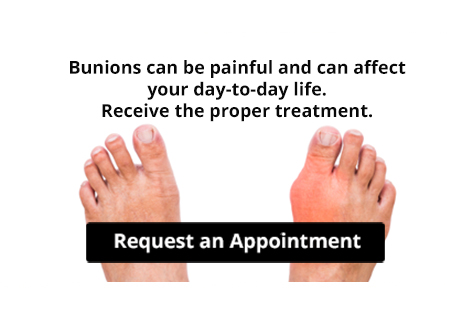
Have you noticed a bony protrusion on the side of your big toe? If so, you may have developed the foot condition known as a bunion. Don't let bunions interfere with your daily activities.
Possible Treatment of a Broken Foot
 A common reason a broken foot may occur can be from falling off of a ladder, or it may become injured from participating in sporting events. The bones that are located between the toes and the ankle are referred to as the metatarsals. They can be prone to stress fractures, which typically happen from overuse. The average healing time for a broken foot is generally six to twelve weeks. Many daily activities are able to be completed as the healing process occurs when a walking boot or cast is worn. For more severe fractures, it may take longer if surgery is required. If you have pain in your feet as a result of either a fall or something else, it is advised that you consult with a podiatrist.
A broken foot requires immediate medical attention and treatment. If you need your feet checked, contact the podiatrists from Issaquah Foot & Ankle Specialists. Our doctors can provide the care you need to keep you pain-free and on your feet.
Broken Foot Causes, Symptoms, and Treatment
A broken foot is caused by one of the bones in the foot typically breaking when bended, crushed, or stretched beyond its natural capabilities. Usually the location of the fracture indicates how the break occurred, whether it was through an object, fall, or any other type of injury.
Common Symptoms of Broken Feet:
- Bruising
- Pain
- Redness
- Swelling
- Blue in color
- Numbness
- Cold
- Misshapen
- Cuts
- Deformities
Those that suspect they have a broken foot shoot seek urgent medical attention where a medical professional could diagnose the severity.
Treatment for broken bones varies depending on the cause, severity and location. Some will require the use of splints, casts or crutches while others could even involve surgery to repair the broken bones. Personal care includes the use of ice and keeping the foot stabilized and elevated.
If you have any questions, please feel free to contact one of our offices located in Issaquah, WA . We offer the newest diagnostic and treatment technologies for all your foot care needs.
Causes, Symptoms, and Treatment for a Broken Foot
One out of ten broken bones is reported to be in the feet. When an object crushes, bends, or stretches the bone beyond acceptable ranges, bones break. A break in the foot is either a fracture or a straight break.
The location of any break can tell you how the break happened. Toes, for instance, break typically as a result of something being kicked hard and with great force. Heel breaks almost always are a result of an improper landing from a tall height. Twists or sprains are the other two frequent occurrences. As with all usual breaks, they result from unexpected accident or sudden injury. As with stress fractures, breaks form as a process over time from repeated stress on already present cracks. Runners, dancers, and gymnasts are the usual athletes who receive this type of break. Stress fractures result from incredible pressure on the feet. It is no surprise these athletes bear the majority of reported fractures.
Pain, swelling, bruising, and redness are all indicative of the typical symptoms from a broken foot. Severe pain—to the point of not being able to walk—usually depends on the location of the break in the foot. Toes are on the lower scale of pain threshold, but heels are high, as are a few other particular bones. As the severity of the broken foot increases, symptoms like blueness, numbness, misshaping of the foot, cuts, or deformities will become apparent. These symptoms indicate the need to see a medical professional with access to an x-ray facility.
Prior to seeing a specialist, precautions should be taken to reduce pain and swelling. Elevate and stabilize the foot, and refrain from moving it. Immobilization of the foot is the next priority, so creating a homemade splint is acceptable. Keep in mind that while creating a splint, any increase of pain or cutting off blood circulation means that the splint should be removed immediately. Use ice to decrease swelling and relieve pain symptoms.
When dealing with a medical center, the patient should note that the treatment can vary. The treatment will depend on the severity of the fracture and the cause of the break. Crutches, splits, or casts are common treatments while surgery has been known to be used in more severe cases in order to repair the break in the bones.
How To Reduce Foot Pain While Standing All Day

Does your work involve standing on your feet all day long?
Whether you work in a restaurant, a hair salon, or a school, taking care of tired feet is an effort that can't be ignored. When your feet don't have the proper support, your legs, knees, and ankles suffer due to not ‘standing’ properly.
What Can You Do To Reduce Standing-Related Injuries?
There are many things you can do to minimize the problems related to prolonged standing. Here are some easy steps you could make to get you through your day while preventing or at least minimizing damage to your feet and ankles.
Take Frequent Short Breaks
Find the time to be seated if you are standing for extended periods. Take advantage of your break time and relax your feet and leg.
Wear Comfy and Supportive Footwear
Make sure you invest into nice, comfortable shoes. There are many choices, such as Nike and Adidas, but make sure they fit well and you feel comfortable wearing them for several hours a day.
Get Customized Orthotics
Prescription Orthotics are custom medical appliances that were traditionally made from a cast of your foot. We are now using the latest technology that records three dimensional images of your feet. Your foot is placed in its best functional position and then scanned using the scanner pictured to the right. The images are used as a form to make the custom orthotics. The doctor completes a unique prescription, depending upon your specific problem and foot type. From this, the orthotic fits inside of your shoe to change and improve the biomechanics of your gait. Orthotics may be prescribed for a variety of specific applications including running shoes, soccer shoes and ski boots. They fit your feet perfectly!
Give us a call at 425-391-8666 or make an appointment online today to get your prescription orthotics.
Time For New Orthotics
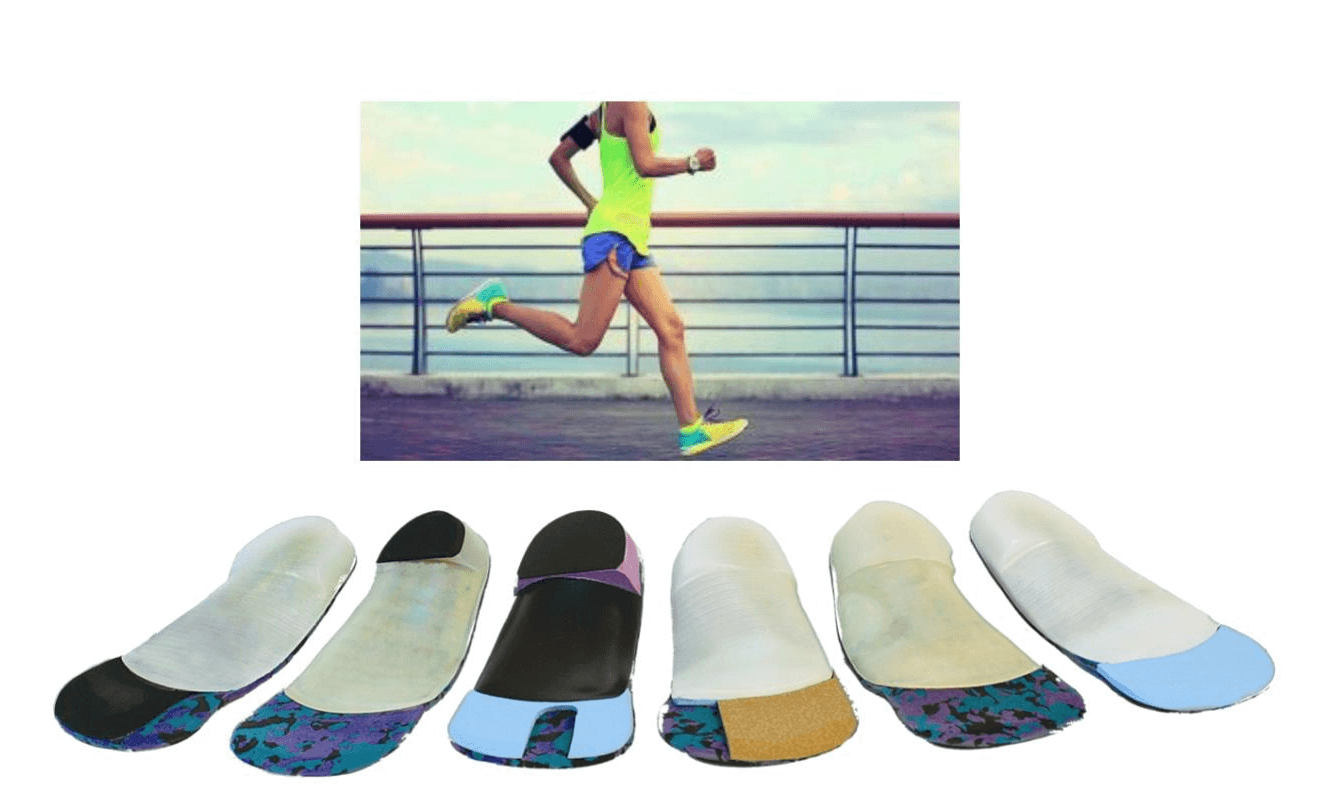
It is that time a year again to use your medical benefits/HSA/FSA and get a new set of prescription custom orthotics to keep your feet healthy.
What are prescription custom orthotics?
These are custom medical appliances that were traditionally made from a cast of your foot. We are now using the latest technology that records three dimensional images of your feet. Your foot is placed in its best functional position and then scanned using the scanner pictured to the right. The images are used as a form to make the prescription custom orthotics. The doctor completes a unique prescription, depending upon your specific problem and foot type. From this, the prescription custom orthotics fits inside of your shoe to change and improve the biomechanics of your gait. Prescription custom orthotics may be prescribed for a variety of specific applications including running shoes, soccer shoes and ski boots. They fit your feet perfectly!
Issaquah Foot & Ankle Specialists
425-391-8666
Bestfootdoc.com
