




June 2020
Possible Treatments for an Achilles Tendon Injury
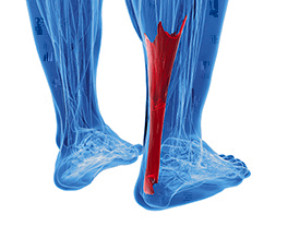 The Achilles tendon connects the heel to the calf muscles. It is located in the back of the leg, near the foot, and is responsible for the ability to point and flex the foot. An injury can cause the Achilles tendon to become ruptured or injured, and this generally causes severe pain and discomfort. Some of the symptoms that many patients can experience include sharp pain at the time of the injury, bruising, swelling, and it is often difficult to walk. This type of injury can happen as a result of participating in running and jumping movements, or if a new activity begins suddenly. Effective treatments can include wearing a brace or cast as the healing process occurs, and in severe tears, surgery may be necessary. If you have pain in your calf, it is strongly advised that you speak to a podiatrist as quickly as possible who can treat an Achilles tendon injury.
Achilles tendon injuries need immediate attention to avoid future complications. If you have any concerns, contact the podiatrists of Issaquah Foot & Ankle Specialists. Our doctors can provide the care you need to keep you pain-free and on your feet.
What Is the Achilles Tendon?
The Achilles tendon is a tendon that connects the lower leg muscles and calf to the heel of the foot. It is the strongest tendon in the human body and is essential for making movement possible. Because this tendon is such an integral part of the body, any injuries to it can create immense difficulties and should immediately be presented to a doctor.
What Are the Symptoms of an Achilles Tendon Injury?
There are various types of injuries that can affect the Achilles tendon. The two most common injuries are Achilles tendinitis and ruptures of the tendon.
Achilles Tendinitis Symptoms
- Inflammation
- Dull to severe pain
- Increased blood flow to the tendon
- Thickening of the tendon
Rupture Symptoms
- Extreme pain and swelling in the foot
- Total immobility
Treatment and Prevention
Achilles tendon injuries are diagnosed by a thorough physical evaluation, which can include an MRI. Treatment involves rest, physical therapy, and in some cases, surgery. However, various preventative measures can be taken to avoid these injuries, such as:
- Thorough stretching of the tendon before and after exercise
- Strengthening exercises like calf raises, squats, leg curls, leg extensions, leg raises, lunges, and leg presses
If you have any questions please feel free to contact one of our offices located in Issaquah, WA . We offer the newest diagnostic tools and technology to treat your foot and ankle needs.
Dr. Brandon Nelson Discusses Conservative Options for Bunions
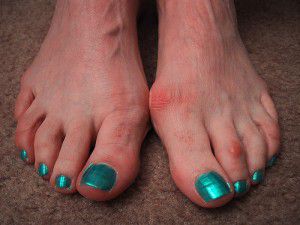
Bunions or even tailor's bunions can be extremely painful and difficult to find fitted shoe gear. There is a definite genetic component to the development of bunions themselves. In addition we see certain shoe gear or activities can increase can increase the size of bunions. Anything that puts increased forefoot pressure creates increased force to the bunions themselves. I often times will recommend a course of conservative care for people that have not tried these options for their bunions.
At our clinic, we created a special protocol for bunion patients and have extremely successful options for conservative bunion care. There are many great stretching and strengthening exercises for the foot structure. In addition there is a plethora of options including prescription orthotics that our clinic specializes in to control the development of the bunion. In addition we have many different options for bunions that are starting to produce pain and arthritic deformities of the foot. Our clinic takes the latest scientific research in conjunction with years of experience to maximize the outcome of conservative bunion options. If you continue to suffer from bunion pain and wanted to explore conservative options, give us a call at 425-391-8666 or schedule an appointment online.
Dr. Brandon Nelson Discusses Understanding Plantar Fasciitis

Heel pain, plantar fasciitis or heel spurs can be extremely painful and uncomfortable for patients. A large percentage of the patient population we see at our clinic is for heel pain. Plantar fasciitis is extremely common as the literature reports as high as 60% of American adults will experience it at some point. The most common symptoms associated with heel pain are pain in the morning or a bruise throbbing type sensation in the heel. Often times patients come and wonder what caused the plantar fasciitis. Plantar fasciitis often originates with increased activity levels or increased stress on the foot structure.
Your plantar fascia is the main supporting network of the foot and people that have flatfoot for tight calf muscles are often predisposed to developing heel pain. Heel pain often starts slowly and begins to progress with time. The most important thing to understand in treating heel pain is to have it treated early. We find it much easier to get rid of it permanently if patients present earlier in the inflammatory process. The ultimate goal is to prevent it from becoming a chronic injury that can take months to get better. If you’re suffering from heel pain or pain when you get out of bed in the morning or after prolonged periods of walking, please give us a call at 425-391-8666 or make an appointment online and we will help you.
Why Do Cracked Heels Form?
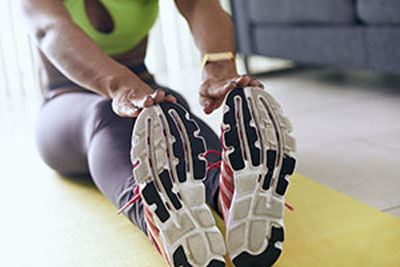 Having dry skin is one of the many factors that can result in the formation of cracked heels. Those who have biomechanical issues that increase the pressure put on the heel, may be more likely to experience cracked heels. Being obese can also create an increase in pressure put on the heels, as the feet are responsible to carry the extra weight. This causes a loss of suppleness in the pads of the feet. Due to this lack of flexibility and increased pressure, cracks and deep fissures can form on the heels. Wearing open back shoes can also be a risk factor for developing cracked heels, as these types of shoes may cause the fat pads in the heel to expand sideways, creating cracks. Certain skin conditions, such as psoriasis, eczema, and fungal infections, can increase dryness of the skin thus leading to cracks or fissures. In severe cases, cracked heels may cause bleeding. If you feel you have developed cracked heels, please visit a podiatrist for professional care and treatment.
Cracked heels are unsightly and can cause further damage to your shoes and feet. If you have any concerns, contact the podiatrists from Issaquah Foot & Ankle Specialists. Our doctors can provide the care you need to keep you pain-free and on your feet.
Cracked Heels
Cracked heels appear unappealing and can make it harder for you walk around in sandals. Aside from looking unpleasant, cracked heels can also tear stockings, socks, and wear out your shoes. There are several methods to help restore a cracked heel and prevent further damage.
How Do You Get Them?
Dry skin is the number one culprit in creating cracked heels. Many athletes, walkers, joggers, and even swimmers suffer from cracked heels. Age and skin oil production play a role to getting cracked heels as well.
Promote Healing
Over the counter medicines can help, especially for those that need instant relief or who suffer from chronic dry feet.
Wear Socks – Wearing socks with medicated creams helps lock in moisture.
Moisturizers – Applying both day and night will help alleviate dryness which causes cracking.
Pumice Stones – These exfoliate and remove dead skin, which allows for smoother moisturizer application and better absorption into the skin.
Change in Diet
Eating healthy with a well-balanced diet will give the skin a fresh and radiant look. Your body responds to the kinds of food you ingest. Omega-3 fatty acids and zinc supplements can also revitalize skin tissue.
Most importantly, seek professional help if unsure how to proceed in treating cracked heels. A podiatrist will help you with any questions or information needed.
If you have any questions, please feel free to contact one of our offices located in Issaquah, WA . We offer the newest diagnostic and treatment technologies for all your foot care needs.
Solutions for Cracked Heels
Cracked heels can make life very frustrating and embarrassing when displaying the bare feet. Aside from being unpleasing to the eye, they can also tear stockings and socks and wear out shoes at a faster rate. When severe, cracked heels may cause pain or infection.
Cracked heels are a problem for those who are athletic, those who may walk a lot, and those who have especially dry skin. Those who use medication that dry the skin, those who swim often, wearing certain types of shoes, and those who are diabetic may have trouble with cracked heels. Seniors whose skin produces less oil may also have trouble with cracked feet. There is no one way to develop cracked feet, and there is no cure.
Today, the market consists of numerous products that have a variety of ingredients to promote healing. Some of these are over-the-counter. Others are prescribed by a doctor, especially for those who have chronic dry feet and heels.
Some doctors recommend wearing socks at night for those with rough skin. This helps further healing, and helps creams stay on longer and better absorb into the skin.
One way to alleviate dryness that causes cracked heels is by using moisturizers both day and night. Another way is to make sure the skin is clean and dry at all times. Using a pumice stone to buff away dead skin before putting on moisturizer can also help. Cracked heels will not respond to the cream unless the outer layer of skin is first removed through exfoliation. After exfoliation, lotion or ointment will be absorbed by the skin more easily.
Foods that produce healing and balance can also help the skin from within. Everything that is put into the body can either help it or hurt it. Taking supplements of omega-3 fatty acids and zinc can also be very beneficial.
Nevertheless, not all products are guaranteed to help treat cracked feet. Seeing a professional is best if other treatments options were unsuccessful. A podiatrist should be able to give the best advice to help with this problem.
Are You Suffering From Ingrown Toenails?

If left untreated, an ingrown toenail can lead to more serious concerns, such as an infection. Knowing proper nail care can help in the prevention of an ingrown toenail. Give us a call, and get treated!
Dr. Timothy Young Talks About Preparing For Foot Surgery

At Issaquah Foot & Ankle Specialists, we provide the best surgical treatment. We want to prepare our patients for their surgery. Here are some of the helpful things to prepare for before your foot surgery. Plan ahead for meals, driving, shopping, sleeping and bathing.
Do your errands ahead of time:
-get your post op Rx filled
-buy a cast shower protector
-have your meal planning done, you may want to get some premade dinners and easy meals
Prepare your house:
-set-up a bed on the main floor of the house, so you do not have to use stairs.
-set up your shower, get an inexpensive hand shower head
-get a plastic chair you can put inside the shower
-make sure your house is easy to move around in.
Family help:
-make sure a family member or friend can help during the 1rst 24 hours and
-arrange for help with driving
Prepare for some couch time:
-get books, movies, home office set-up.
Some planning before your surgery will make things easier during your post op time. You want the best long term out come and planning will help!
If you have more questions and would like a consultation let us know. Give us a call at 425-391-8666 or make an appointment online.
Dr. Brandon Nelson Discusses Why We Have the Best Options for Pain Control After Bunion Surgery

Bunion surgery provides great outcomes for patients that want relief from foot pain. Foot pain associated with a bunion can be very difficult to manage from a conservative standpoint. A lot of patients have tried getting bigger or wider shoes, which can create more room for the bunion to grow and make the situation worse. Patients will also apply pads, straps, splints or tape to the feet. This can be time consuming and cumbersome and again does nothing to fix or reverse the cause of bunions. The only way to actually fix the bunion is surgically. Bunion surgery has come a long way there are now new techniques we utilize to decrease down times and post-operative pain.
New techniques offer shorter recoveries and quicker returns to activity. Pain control can be challenging for both patients and physicians that are not as familiar as we are with modern techniques and medications. We use a long acting anesthetic to make the foot numb and prescribe different medications based on each individual patient and procedure performed. We have taken years to perfect our pain control regime and find the majority of our patient’s rate their pain as being well controlled. If you are contemplating bunion surgery come see us. With our pain control regime, onsite surgical center and years of experience this will create the best possible experience for you.
If you have bunion pain, give us a call today at 425-391-8666 or make an appointment online.
Dr. Brandon Nelson Discusses What Causes a Bunion and How To Fix it Once and For All

Some patients begin to notice a bump that is developing on the inside of their foot. They start to get pain with walking and exercise and they wonder what is happening. Often a patient will visit the shoe store or seek advice from nonmedical personnel as to what it is. It is important when been dealing with medical issues to seek the advice of someone who has had years of training and experience in that particular field. Your foot and ankle health is essential for long-term well-being of your overall general health. Bunions are the most common cause of pain and irritation around the big toe joint. The bunion is a bony deformity that often appears as a protuberance around the joint.
The majority of bunion deformities are an inherited foot structure. Patients can often trace to other relatives that have similar foot conditions. The pathology itself continues to progress with time and there is no conservative measures that reduce or correct the deformity. It is important to understand that conservative measures can sometimes help alleviate pain and increase overall functional performance. However, the bunion can only be fixed surgically. The surgical procedures depend on the patient’s overall foot structure, degree of deformity and activity levels. All bunion deformities that require surgical correction are done in the office and no longer require any hospitalization. All bunion procedures that we perform at Issaquah Foot and Ankle Specialists allow patients to be weight bearing and do not require prolonged periods using crutches or knee scooters. If you have a bunion deformity and would like to have it evaluated for either conservative or surgical measures please give us a call at 425-391-8666 or make an appointment online today.
Every Day Foot Care
Our feet are important in our everyday lives. The problem is that we tend to neglect them. When this becomes a habit, it can cause significant trouble. Ignoring foot problems can mean pain, limited mobility, and expensive doctor's visits. On the other hand, if feet are cared for and looked after regularly, they will perform without pain or complication.
Routine hygiene is the most basic way to care for the feet. Wash and dry them thoroughly daily. Remember to get between the toes and keep the toenails trimmed and short. If the feet feel dry or there are signs of dryness or cracking, use a moisturizer designed for the feet.
When using moisturizer on the feet, try to avoid applying between the toes. If cream or lotion sits too long, they can cause fungal and bacterial growth. When moisturizer is used between the toes, it can also cause the skin to soften too much.
Shoes are also an important aspect of foot care. When one is picking out shoes, make sure they are the correct size. Shoes need to be snug, but not too tight. On the other hand, if shoes are too loose they can cause foot problems as well. It is highly recommended that shopping for new shoes be done later in the day. The reason for this is that the feet will have settled and swelled to their full size by then. To keep your feet at their most healthy, avoid wearing high heels or flip flops too often. Instead, choose shoes that are good for your feet. Good shoes pad the soles of your feet and support the arches and ankles.
Socks should also be worn daily with closed-toe shoes. They may feel hot during the summer months, but they absorb sweat and moisture off the feet. Without socks, the build-up of sweat in a closed-toe shoe can cause fungal problems and athlete's foot.
The best thing to remember in every day foot care is that shoes do make a difference. If you spend a lot of time on your feet, make sure that your shoes show no signs of wear. Shoes should offer ample support for the arches and the overall foot. Additionally, try to make foot cleaning and maintenance a daily habit. If you keep these things in mind, your feet will stay healthy and safe.
