




May 2020
Dr. Brandon Nelson Discusses Heel Pain Caused From Running

The weather is starting to get nice and all of us are wanting to get outside. I know I have dusted off my running shoes and have began to pound the pavement. I have suffered from heel pain in the past and as I start to run again it can rear its ugly head. I will often be a little sore after my run and it reminds me I need to take care of my feet. I once again start my routine of calf stretching and make sure to ease into my mileage. I will find my pro-stretch and specifically start targeting my plantar fascia. I will search the freezer for my frozen water bottle and start rolling my heels out after my runs. Does all this sound familiar? Heel pain can really derail our exercise routines.
I have found if I stretch and wear my prescriptive orthotics my heel pain is nonexistent. My prescriptive orthotics are specifically designed for running. These are not inserts that are purchased at a shoe store or a running store. These are prescriptive medical devices that can only be made by a foot and ankle physician. I have been running for years and have spent year perfecting my orthotics. I love to pass on this knowledge to other runners that have suffered from heel pain. I even see a lot of runners that just want to prevent injury and wear and tear on their joints and these running orthotics really help your lower extremities. If you are a runner and are ready to take care of yourself give us a call today 425-391-8666 or make an appointment online.
Possible Reasons Why Foot Pain Occurs

Foot pain is considered to be one of the most common conditions that is endured by many people. It can develop for a variety of reasons, including genetic traits, wearing shoes that do not fit correctly, or if an injury has occurred. A bunion is a deformity that is found on the side of the big toe, and may cause the toe to shift toward the other toes. Plantar fasciitis and heel spurs are characterized by severe or mild heel pain, and moderate relief may be found when specific stretches are performed. If the nerve between the third and fourth toes becomes inflamed, it may be indicative of Morton’s neuroma. There are several types of foot pain and numerous reasons for their causes, if you would like additional information about treatment options, it is strongly advised that you consult with a podiatrist.
Foot Pain
Foot pain can be extremely painful and debilitating. If you have a foot pain, consult with the podiatrists from Issaquah Foot & Ankle Specialists. Our doctors will assess your condition and provide you with quality foot and ankle treatment.
Causes
Foot pain is a very broad condition that could be caused by one or more ailments. The most common include:
- Bunions
- Hammertoes
- Plantar Fasciitis
- Bone Spurs
- Corns
- Tarsal Tunnel Syndrome
- Ingrown Toenails
- Arthritis (such as Gout, Rheumatoid, and Osteoarthritis)
- Flat Feet
- Injury (from stress fractures, broken toe, foot, ankle, Achilles tendon ruptures, and sprains)
- And more
Diagnosis
To figure out the cause of foot pain, podiatrists utilize several different methods. This can range from simple visual inspections and sensation tests to X-rays and MRI scans. Prior medical history, family medical history, and any recent physical traumatic events will all be taken into consideration for a proper diagnosis.
Treatment
Treatment depends upon the cause of the foot pain. Whether it is resting, staying off the foot, or having surgery; podiatrists have a number of treatment options available for foot pain.
If you have any questions, please feel free to contact one of our offices located in Issaquah, WA . We offer the newest diagnostic and treatment technologies for all your foot care needs.
Foot Pain
The feet, being the foundation of the body, carry all of the body’s weight and are therefore prone to experiencing pain and discomfort. If you are experiencing foot pain, it is important to determine where in the foot you are experiencing this pain to help discover the cause of it. While pain can be experienced virtually anywhere in the foot, the most common sites of foot pain are in the heel and ankle.
Heel pain can be due to a multitude of conditions including plantar fasciitis, Achilles tendinitis, and heel spurs. Pain experienced in the ankle can be a sign of an ankle sprain, arthritis, gout, ankle instability, ankle fracture, or nerve compression. In more serious cases, pain in the foot can be a sign of improper alignment or an infection.
Foot pain can be accompanied by symptoms including redness, swelling, stiffness and warmth in the affected area. Whether the pain can be described as sharp or dull depends on the foot condition behind it. It is important to visit your local podiatrist if your foot pain and its accompanying symptoms persist and do not improve over time.
Depending on the location and condition of your foot pain, your podiatrist may prescribe certain treatments. These treatments can include but are not limited to prescription or over-the-counter drugs and medications, certain therapies, cortisone injections, or surgery.
If you are experiencing persistent foot pain, it is important to consult with your foot and ankle specialist to determine the cause and location. He or she will then prescribe the best treatment for you. While milder cases of foot pain may respond well to rest and at-home treatments, more serious cases may take some time to fully recover.
Dr. Brandon Nelson Discusses Plantar Warts and Warts on the Foot
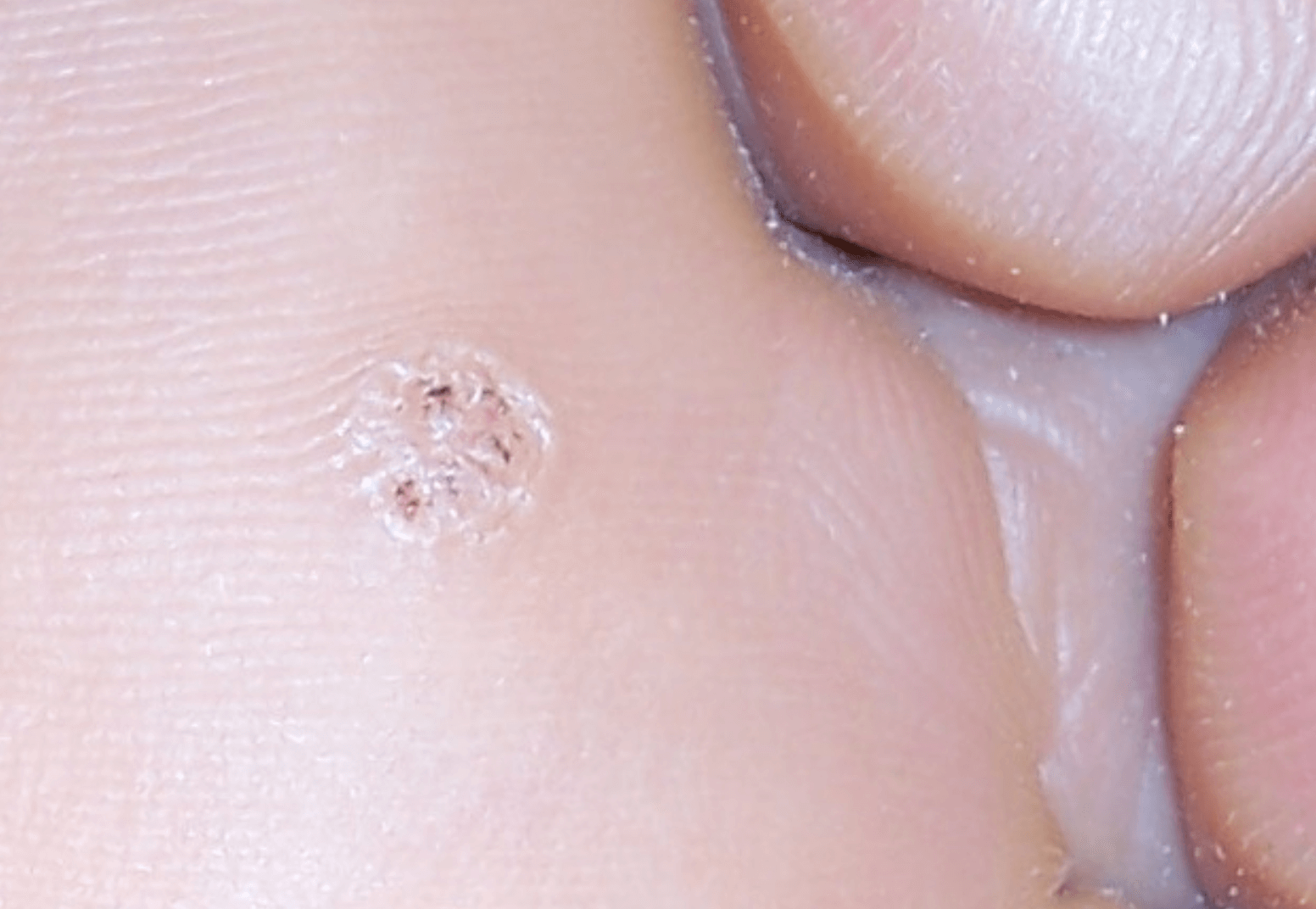
Warts can be very unsightly especially when on top of the forefoot or the toes. It often times may get hard to wear sandals or flip flops during the summer. Quite a few people come in to have these removed. Often times they have seen other physicians that have been unsuccessful. Plantar warts are caused by human papilloma virus and can be a challenge to both physicians and patients alike. There are many different modalities to get rid of warts - it depends on the location and the size and the number.
We recommend having an evaluation to make sure the lesion is a wart before proceeding with treatment options. Treatment options run the gamut of topical medications to lasers and even injection therapy. Our success today with treating warts can oftentimes be close to 100% after just a few treatments. The majority of treatments for plantar verrucae is a relatively pain free and highly successful. If you suffer from warts and have tried multiple different treatment options contact our clinic today.
Give us a call today at 425-391-8666 or make an appointment online.
Dr. Brandon Nelson Discusses Options to Consider Before Having Your Neuroma Removed
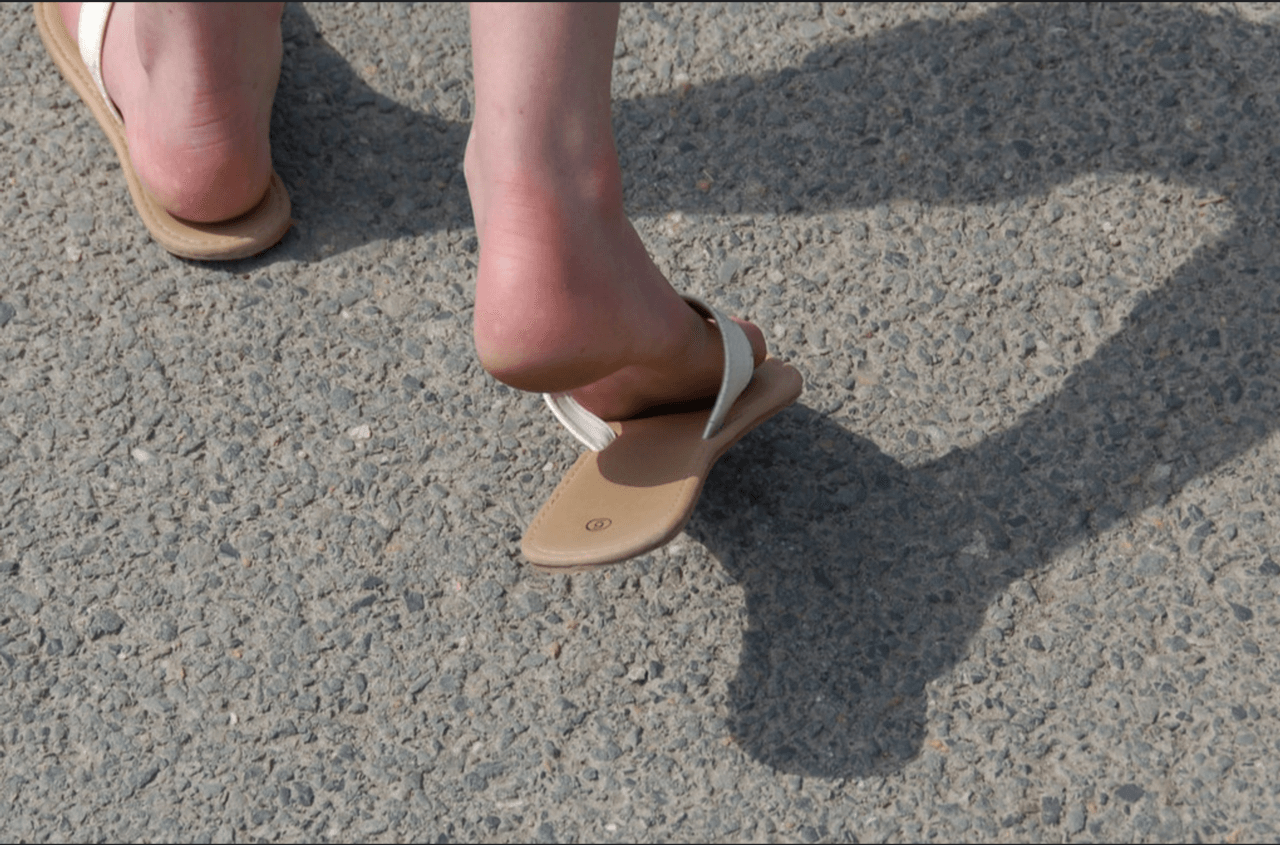
Neuromas or Morton’s neuromas can cause a lot of pain especially in people who partake in physical activities. Often times patients present with burning or tingling in the foot. The pain can subside with massage or taking off the shoe. Patients often relate numbness or tingling to the third and fourth digits and have done online research about Morton’s neuromas. The third interspace is by far the most common spot to get a Morton’s neuroma because the medial and lateral plantar nerves come together in this location.
Patients often have tried cortisone injections or other conservative modalities and then often times consider surgical removal. I always recommend an additional consultation for having a Morton’s neuroma removed because alcohol therapy can be so successful. At our clinic we use an ultrasound-guided alcohol injection therapy and often times see about a 90% resolution of symptoms. If you’re considering having your neuroma removed surgically please see us prior to doing this to see if you are a candidate for this therapy.
Give us a call today at 425-391-866 or make an appointment online today.
Dr. Brandon Nelson Discusses Covid-19 and Heel Pain

First I think it’s really important to acknowledge the fact that we are all doing are part in Washington State to protect each other by staying home and staying safe. This is an unprecedented time like we’ve never experienced and it’s important for the health and well-being of our community that we continue to put our best effort forward by continuing to respond appropriately to Covid-19. That being said our office continues to get a lot of patients that are experiencing significant heel pain.
The primary source of heel pain is plantar fasciitis. Plantar fasciitis of the heel presents most commonly with pain in the morning pain after prolonged periods of rest. It is important that a proper diagnosis is made as many other pathologies can cause heel pain. I encourage patients to see an experienced foot and ankle doctor, podiatrist to evaluate your cause and present you with the best treatment options. It's also important to note that not all plantar fasciitis cases respond to similar treatments and each individual case is unique. I highly recommend having your foot evaluated by a physician that treats a lot of heel pain as sometimes the underlying causes missed and just assumed to be plantar fasciitis. At Issaquah Foot and Ankle Specialists we specialize in heel pain and have spent years perfecting our treatment protocols.
If you’re suffering from heel pain, give us a call at 425-391-8666 or make an appointment online today.
Why Live with Pain and Numbness in Your Feet?

Suffering from this type of pain? You may have the foot condition known as Morton's neuroma. Morton's neuroma may develop as a result of ill-fitting footwear and existing foot deformities. We can help.
The Definition of a Heel Spur
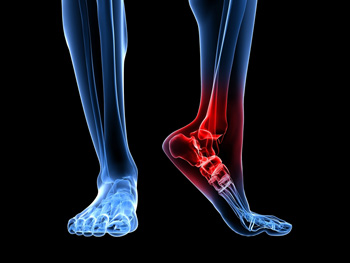 Heel spurs are small calcium deposits that develop on the heel of the foot. They can develop as a result of wearing shoes that do not fit correctly, and can generally cause severe pain and discomfort. Some of the symptoms that are associated with this condition can consist of difficulty in walking upon arising in the morning, and there may be an obvious protrusion on the heel. Abnormal foot structures may cause heel spurs to gradually develop, or they may come from consistently participating in running and jumping activities. Relief may be found when shoes are worn that can accommodate the heel spur, and it may help to support your foot while resting at night. If you have heel pain, it is suggested that you seek the counsel of a podiatrist who can properly diagnose and treat heel spurs.
Heel spurs can be incredibly painful and sometimes may make you unable to participate in physical activities. To get medical care for your heel spurs, contact the podiatrists from Issaquah Foot & Ankle Specialists. Our doctors will do everything possible to treat your condition.
Heels Spurs
Heel spurs are formed by calcium deposits on the back of the foot where the heel is. This can also be caused by small fragments of bone breaking off one section of the foot, attaching onto the back of the foot. Heel spurs can also be bone growth on the back of the foot and may grow in the direction of the arch of the foot.
Older individuals usually suffer from heel spurs and pain sometimes intensifies with age. One of the main condition's spurs are related to is plantar fasciitis.
Pain
The pain associated with spurs is often because of weight placed on the feet. When someone is walking, their entire weight is concentrated on the feet. Bone spurs then have the tendency to affect other bones and tissues around the foot. As the pain continues, the feet will become tender and sensitive over time.
Treatments
There are many ways to treat heel spurs. If one is suffering from heel spurs in conjunction with pain, there are several methods for healing. Medication, surgery, and herbal care are some options.
If you have any questions, please feel free to contact one of our offices located in Issaquah, WA . We offer the newest diagnostic and treatment technologies for all your foot care needs.
Heel Spurs
Heel spurs are the result of calcium deposits that cause bony protrusions on the underside of the heel. Heel spurs are usually painless, but they have the potential to cause heel pain. Heel spurs tend to be associated with plantar fasciitis, which is a condition that causes inflammation of the band of connective tissue that runs along the bottom of the foot. They most often occur to athletes whose sports involve a lot of running and jumping.
Some risk factors for developing heel spurs include running and jogging on hard surfaces, being obese, wearing poorly fitting shoes, or having walking gait abnormalities.
It is possible to have a heel spur without showing signs of any symptoms. However, if inflammation develops at the point of the spur’s formation, you may have pain while walking or running. In terms of diagnosis, sometimes all a doctor needs to know is that the patient is experiencing a sharp pain localized to the heel to diagnose a heel spur. Other times, an x-ray may be needed to confirm the presence of a heel spur.
Heel spurs can be prevented by wearing well-fitting shoes that have shock-absorbent soles. You should also be sure that you are choosing the right shoe for the activity you want to partake in; for example, do not wear walking shoes when you want to go on a run. Additionally, maintaining a healthy weight can be beneficial toward preventing heel spurs, as it will prevent an excess amount of pressure being placed on the ligaments.
There are a variety of treatment options for people with heel spurs. Some of these include stretching exercises, physical therapy, shoe inserts, or taping and strapping to rest stressed muscles and tendons. If you have heel pain that lasts longer than a month, don’t hesitate to seek help from a podiatrist. Your doctor can help you determine which treatment option is best for you.
Dr. Nelson Discusses the Best Correction Techniques for Surgery on Bunions, Tailor's Bunions
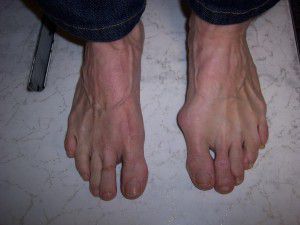
Bunions and tailor’s bunion can be quite painful. Often times we see hammertoes associated with tailor’s bunions on the outside of the foot or on the inside of the foot. Bunion pain especially bunion pain of the big toe can be extremely difficult for patients that are active. We get a lot of questions for what is the best bunion correction that can be performed utilizing surgical techniques. We also get a lot of questions regarding minimally invasive type bunion procedures. The most important part of bunion surgery is having your bunion evaluated.
I highly recommend meeting your surgeon in person and have them evaluate your foot both clinically and radiographically. X-rays are paramount as well as the clinical exam to see what is causing the bunion deformity and what is the best correction method to be applied. There are many different types of bunion surgeries from what we call head procedures or procedures performed at the distal aspect of the first metatarsal or base procedures which are procedures performed at the proximal aspect. The recovery and the long-term reduction of the deformity can be correlated to type of bunion procedure that is done as well as a factors contributing to the bunion. Every bunion procedure we perform the patient can walk on the foot after the procedure and all of them are done in the office to save both time and money.
If you have tried bunion pads and other bunion relief options give us a call and we’ll help you fix your bunion. Give us a call at 425-391-8666 or make an apointment online today. Myself (Dr. Brandon Nelson) or my partner Dr. Timothy Young would love to see you.
