




March 2020
Foot and Ankle Surgery
When conservative, noninvasive methods prove ineffective, surgery may be selected as the next course of action for the treatment of your foot or ankle condition. A wide number of foot and ankle surgical procedures exist, and it is up to your podiatrist to determine which intervention will be most appropriate and helpful for your case. Some surgical procedures include bunion surgery, fusion, hammertoe surgery, heel spur surgery, metatarsal surgery, nail surgery, neuroma surgery, reconstructive surgery, skin surgery, and tendon surgery. Typically, surgery is turned to as a definitive way to alleviate excessive pain or discomfort and to return your foot to full mobility.
Regardless of the location on the body, all surgical procedures require preoperative testing and examination to ensure the surgery’s success and preferred outcome. A review of your medical history and medical conditions will take place, as will an evaluation of any current diseases, illnesses, allergies, and medications. Tests such as blood studies, urinalyses, EKG, X-rays, and blood flow studies may be ordered. Because the procedure involves the foot and/or ankle, the structures of your feet while walking may also be observed by your podiatrist.
Care post-surgery will depend on the type of surgical procedure performed. Typically, all postoperative care involves rest, ice, compression, and elevation. To improve and ensure a safe recovery, your foot and ankle surgeon may also employ the use of bandages, splints, surgical shoes, casts, crutches, or canes. He will also determine if and when you can bear weight. A timely and thorough recovery is a priority for both you and your podiatrist, and carefully following postoperative instructions can help achieve this.
Promising New Treatment for Achilles Tendinitis
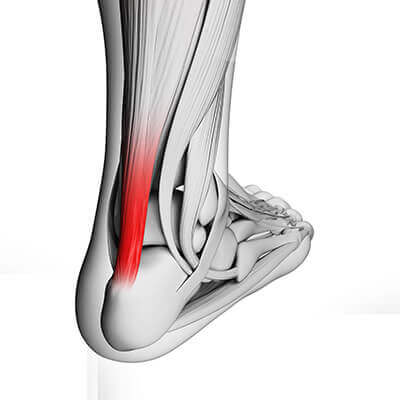
Achilles tendinitis can be a very frustrating condition for both the patient and the physician alike. We see quite a few patients of Achilles tendinitis on a daily basis. We continue to see common Achilles tendon modalities not being effective for all patients. This can cause significant amount of pain and continued morbidity for patients. Often physical therapy and stretching and bracing does not alleviate the Achilles tendinitis and patients are looking for improvement outcomes and quicker return to activity. carpet cleaning seattle
Physical therapy continues to often be a mainstay for many physicians treating Achilles tendinitis. Over the years we have worked hard to develop advance protocol to alleviate even the most chronic cases of Achilles tendinitis. We have found promising new injection therapy combined with shockwave therapy of the Achilles tendon to be most successful. We have seen patients that have had numerous other treating physicians and physical therapist that have not improved get significantly better with this treatment protocol. Don't continue to struggle with Achilles tendinitis, give us a call at 425-391-8666 or make an appointment today and will help you get back on your feet.
Wounds That Don't Heal Need to Be Checked

Your feet are covered most of the day. If you're diabetic, periodic screening is important for good health. Numbness is often a sign of diabetic foot and can mask a sore or wound.
Preventing Ingrown Toenails
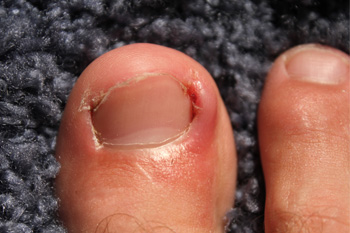 An ingrown toenail is a painful condition that consists of the nail growing into the flesh of the toe. This can be incredibly painful, and may also make it difficult for someone with this condition to go about their daily activities. If an ingrown toenail is left untreated, it may run the risk of developing an infection. If this occurs, the affected area might start to bleed or drain pus. To help prevent an ingrown toenail from forming, it is recommended that you trim your toenails properly. To best do this, it’s important that you cut your toenails straight across, instead of on an angle. It’s also advised not to trim your toenails too short, as doing so may also cause an ingrown toenail to develop. For more information on how to prevent and treat this condition, please consult with a podiatrist for professional care.
Ingrown toenails can become painful if they are not treated properly. For more information about ingrown toenails, contact the podiatrists of Issaquah Foot & Ankle Specialists. Our doctors can provide the care you need to keep you pain-free and on your feet.
Ingrown Toenails
Ingrown toenails occur when a toenail grows sideways into the bed of the nail, causing pain, swelling, and possibly infection.
Causes
- Bacterial infections
- Improper nail cutting such as cutting it too short or not straight across
- Trauma to the toe, such as stubbing, which causes the nail to grow back irregularly
- Ill-fitting shoes that bunch the toes too close together
- Genetic predisposition
Prevention
Wearing proper fitting shoes and using proper cutting techniques will also help decrease your risk of developing ingrown toenails.
Treatment
Ingrown toenails are a very treatable foot condition. In minor cases, soaking the affected area in salt or antibacterial soaps will not only help with the ingrown nail itself, but also help prevent any infections from occurring. In more severe cases, surgery is an option. In either case, speaking to your podiatrist about this condition will help you get a better understanding of specific treatment options that are right for you.
If you have any questions, please feel free to contact one of our offices located in Issaquah, WA . We offer the newest diagnostic and treatment technologies for all your foot care needs.
Ingrown Toenail Care
An ingrown toenail is a toenail that grows sideways into the nail bed, causing pain and swelling. Ingrown toenails can worsen and cause drainage, turning into a serious infection.
Several factors affect whether a person is at risk from an ingrown toenail. The many causes include being overweight, diabetes, participating in sports, having a fungal infection of the toe, and cutting your nails too short. Ingrown toenails also have a genetic predisposition, causing some people to be more prone to receive the condition than others. Other causes include improperly fitting shoes and shoes that keep the feet damp.
Ingrown toenails can be preventable with certain measures. For starters, allowing your toe nails to grow slightly longer in length will help prevent them from becoming ingrown. If you have already developed an ingrown toenail, soak the affected toe in warm water. This will alleviate the pain and help prevent an infection from forming. Antibiotic soap or Epsom salts may be added to further help the relieving process and avoid infection. Placing cotton beneath the affected area is also suggested, as this may help the toenail grow upwards and not into the nail bed. Swelling and redness can be reduced by resting with your feet elevated.
A podiatrist should be seen if the pain becomes so serious that it prevents you from doing your everyday activities. If a red streak running up your leg appears or if you suspect your infection has spread, contact a podiatrist immediately. Fast treatments can be undertaken to lessen your pain and have you walking comfortably.
An ingrown toenail can be easily treated with a Band-Aid. Simply wrap the affected toe with a Band-Aid to prevent infection and keep the nail from growing out at a painful angle.
In more serious cases, your podiatrist may decide to make a small incision to remove a portion of your toenail. To prevent the nail from growing back, medication will be placed directly into the nail bed. This procedure would be performed under local anesthesia and is a faster method to alleviate discomfort from an ingrown toenail. Post-procedure directions will have you stay off the affected foot for a day. Afterwards, normal activities can be resumed.
Ankle Pain That Continues After an Ankle Sprain

The common ankle sprain continues to be one of the most undertreated injuries in sports medicine today. At our clinic we see a lot of long-term pathologies that developed secondary to the undertreated ankle sprain. Many times patients present 2-3 months after an ankle sprain and continue to have pain and dysfunction secondary to the injury.
There are a lot of possibilities. Sometimes patients have scar tissue and the ankle or small ligament or tendon tears. It is important to be evaluated at this point especially if you have swelling and pain with activities. Often times an MRI can be useful at this point to evaluate the integrity of the joint structures surrounding the joint. I strongly encourage patients to seek medical intervention with a foot and ankle specialist. With an ankle sprain, the long-term ramifications can be great. Give us a call at 425-391-8666 or make an appointment online.
Severe Bunion Correction and Bone Grafting
.jpg)
Many of the severe bunion surgeries that we perform involve fusion of the first metatarsal–cuneiform joint. This is also sometimes called a Lapidus bunionectomy. When we do this procedure we are correcting the first metatarsal misalignment. We can correct a severe bunion misalignment with this procedure. Once we realign this joint and then position it for fusion, the 2 surfaces do not always match up perfectly. In addition to this we are now planning on having a joint fuse. Fusing the joint is not always technically easy, have developed techniques to perfect this and we are very good at these joint fusions. We remove all the cartilage, and then realign the bone and then small holes in the bone are drilled to allow for better blood flow during the healing process.
This process is similar to fooling the body into thinking that there has been a fracture, and then the bone healing of the fracture has to occur. Adding bone graft of this process is always helpful. We are filling in any small deficits at the fusion site and we are also putting in bone healing elements from one part of the body into another. There are other options to enhance bone healing. However, nothing is good as your own body including one's own bone graft material. This is called autogenous bone graft material (meaning it comes from yourself) rather than allograft (which would come from another person). With virtually all of our joint fusions including for severe bunion correction we use autogenous bone graft material to maximize bone healing for our patients.
Obesity May Cause Foot Conditions to Develop
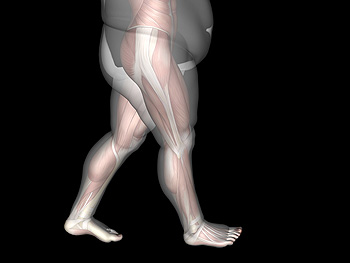 The feet and ankles endure increased pressure if one is overweight. This may cause foot conditions to develop that can include different types of arthritis, plantar fasciitis, and flat feet. Additionally, the skin on the feet may be affected, which may cause pain and discomfort. It may be difficult to maintain a good quality of life while there is general foot pain, and it is suggested that a healthy diet is implemented. This can include eating fresh fruits and vegetables, drinking plenty of water daily, and practicing a gentle exercise regime. If you would like more information about how obesity can affect the feet, please consult with a podiatrist.
Obesity has become very problematic at this point in time and can have extremely negative effects on the feet. If you’re an obese individual and are concerned about your feet, contact the podiatrists from Issaquah Foot & Ankle Specialists. Our doctors can provide the care you need to keep you pain-free and on your feet.
Obesity and Your Feet
Since your feet are what support your entire weight when standing, any additional weight can result in pain and swelling. Being overweight is one of the main contributors to foot complications.
Problems & Complications
Extra Weight – Even putting on just a few extra pounds could create serious complications for your feet. As your weight increases, your balance and body will shift, creating new stresses on your feet. This uneven weight distribution can cause pain, even while doing the simplest tasks, such as walking.
Diabetes – People who are overweight are at serious risk of developing type-2 diabetes, which has a drastic impact on the health of your feet. As you get older, your diabetes might worsen, which could lead to loss of feeling in your feet, sores, and bruises. You could also become more prone to various infections.
Plantar fasciitis – Pressure and stress that is placed on muscles, joints, and tendons can trigger plantar fasciitis, which is an inflammation of tissue that forms along the bottom of the foot.
If you have any questions, please feel free to contact one of our offices located in Issaquah, WA . We offer the newest diagnostic and treatment technologies for all your foot care needs.
How Obesity Affects Your Feet
Gaining weight can happen suddenly and at any time. Usually you won’t notice the extra weight until your feet start hurting at the end of the day. This happens as your feet begin adjusting to carrying more weight. Foot swelling and pain are two of the biggest side effects of having gained weight.
Many foot-related problems can occur even after just putting on a few pounds. This includes the body ‘compensating’ by changing the way it moves. You may find yourself putting extra weight on the wrong parts of your feet and even leaning forward a bit. Your feet were designed to carry a healthy, normal body weight. Extra weight places undue stress on them.
Being overweight often causes the development of Type-2 diabetes, causing leg and foot pain. Older people who do not attempt to control their condition can even lose sensation and feeling in their legs and feet. This can lead to the development of small sores that can lead to serious infection.
Extra stress placed on the joints, tendons and muscles in the feet as a result of extra body weight may also cause heel spurs, or plantar fasciitis. Plantar fasciitis is an inflammation of the foot tissue, causing stiffness and pain when walking and climbing stairs. This can usually be relieved by foot stretches and custom made orthotic shoe-inserts.
Problems in the feet triggered by obesity can be treated by paying special attention to footwear. Proper support shoes that allow for good circulation, especially in the arch and ankle, are vital. A podiatrist can help you find what sort of shoe is most suitable for your feet. They can also measure you for special orthotics if necessary.
It could also be high time to start losing weight in order to treat and prevent diabetes as well as other life threatening diseases. Some methods include yoga and water aerobics, which benefit your entire body without placing stress on your feet. Don’t risk losing your feet by losing interest in them. Take care of your feet and your body, as they deserve the very best.
