




November 2020
What Are the Symptoms of a Broken Ankle?
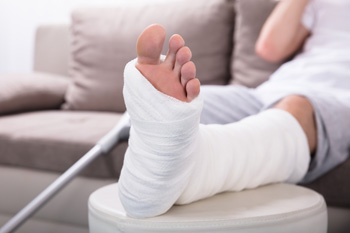 Ankle fractures can involve one or more bones in the ankle. This type of injury can happen from a fall or from suddenly twisting the ankle. Some of the symptoms that are often associated with a broken ankle include severe pain and discomfort, and the ankle may be bruised and swollen. Relief can be found when the affected foot is frequently elevated, as this may reduce a portion of the swelling. After a proper diagnosis has been made, which typically involves having an X-ray taken to visualize the injury, a protective boot or cast may be prescribed. Daily activities may be gradually resumed, and it is beneficial to rest the foot if it becomes painful. If you have broken your ankle, it is strongly suggested that you speak with a podiatrist who can help determine the best course of treatment for you.
Broken ankles need immediate treatment. If you are seeking treatment, contact the podiatrists from Issaquah Foot & Ankle Specialists. Our doctors can provide the care you need to keep you pain-free and on your feet.
Broken Ankles
A broken ankle is experienced when a person fractures their tibia or fibula in the lower leg and ankle area. Both of these bones are attached at the bottom of the leg and combine to form what we know to be our ankle.
When a physician is referring to a break of the ankle, he or she is usually referring to a break in the area where the tibia and fibula are joined to create our ankle joint. Ankles are more prone to fractures because the ankle is an area that suffers a lot of pressure and stress. There are some obvious signs when a person experiences a fractured ankle, and the following symptoms may be present.
Symptoms of a Fractured Ankle
- Excessive pain when the area is touched or when any pressure is placed on the ankle
- Swelling around the area
- Bruising of the area
- Area appears to be deformed
If you suspect an ankle fracture, it is recommended to seek treatment as soon as possible. The sooner you have your podiatrist diagnose the fracture, the quicker you’ll be on the way towards recovery.
If you have any questions, please feel free to contact one of our offices located in Issaquah, WA . We offer the newest diagnostic and treatment technologies for all your foot care needs.
Do You Suffer From Painful Feet?

Painful deformities, such as hammertoes, can be treated. Stop living with foot pain, and have beautiful feet again!
Dr. Brandon Nelson Discusses the Best Bunion Surgery Options
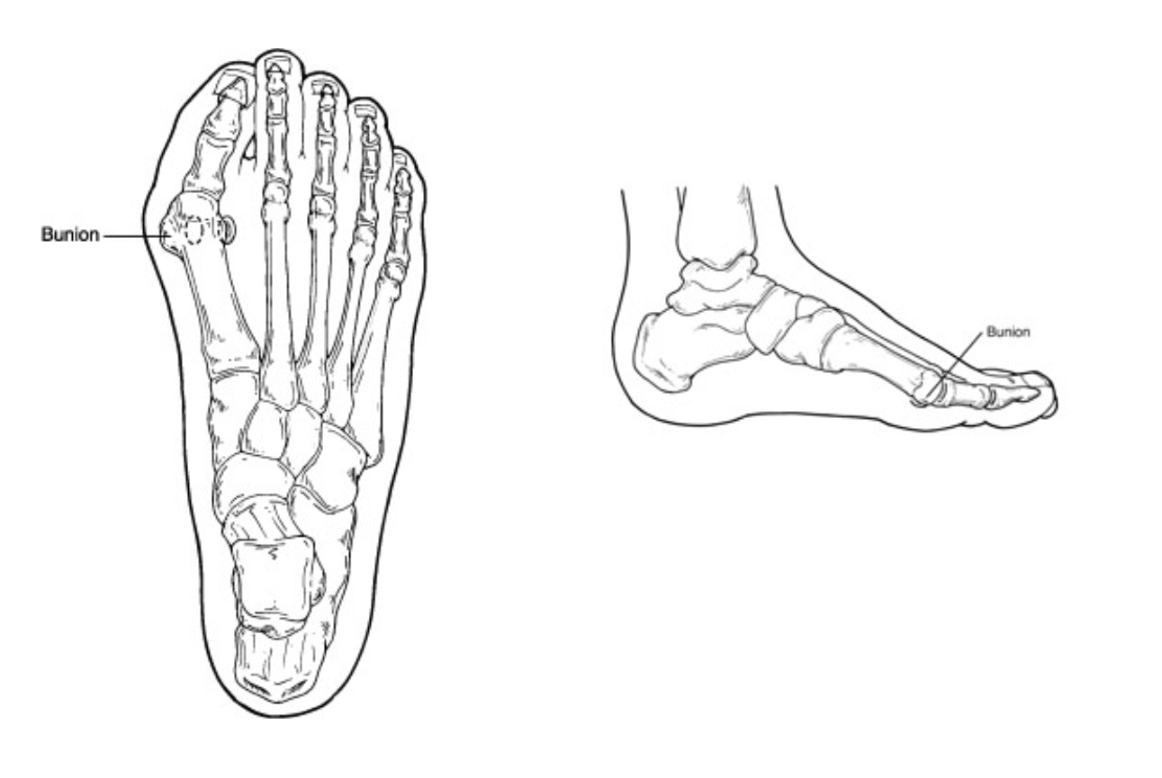
Bunions can be quite painful and difficult to manage. Most patients experience pain along with the bunion itself. However quite a few patients can have foot pains in other locations secondary to the bunion. We see a lot of patients that have strapping, bracing and using shoe gear accommodations all to no avail. These are hard modalities to maintain and do not do anything to correct the bunion deformity. The only long-term solution to fix of bunion is surgical. However there are some other options that can alleviate the pain and slow the progression of the deformity.
The surgical procedures available for bunion correction usually can be characterized as a head or base procedures. Head procedures are done at the metatarsal head or towards the toes. Base procedures are done at the base of the metatarsal towards the metatarsal cuneiform joint. The type of procedure that is best for the bunion itself is correlated with a radiographic examination and physical examination foot, the other factors to consider are lifestyles and age of the patient. I recommend anybody evaluating bunion surgery to make an appointment to be evaluated and make sure you have the best possible outcome.
Flip Flops and Your Feet
When the weather heats up, you may want to start wearing flip-flops. However, it has been proven that these are not the ideal shoes in terms of preserving the health of your feet.
Flip flops are known to expose your feet to different types of bacteria and fungal infections. When you wear your flip flops in public, you are exposing them to staphylococcus which is a skin-irritating bacterium. Athlete’s foot is also highly contagious and can be spread when you walk around nearly-barefoot.
Another harmful effect of wearing flip-flops is that they develop blisters on the feet. This is because the thin strap rubs against the skin with each step taken. Unfortunately, when blisters pop, they cause you to be more vulnerable to pathogens you pick up by having your feet exposed.
These shoes may also cause “shooting pains”. If you have flat feet, you need arch support to keep your knees, hips, and back in alignment. If you wear flat shoes, your joints are forced to compensate which can cause injuries throughout the body.
If you constantly wear flip-flops, you should avoid doing so as they can lead to many problems for your feet. If you are experiencing any of these foot issues, you should seek help from a podiatrist right away.
What Type of Foot Conditions Can Result From Wearing Flip Flops?
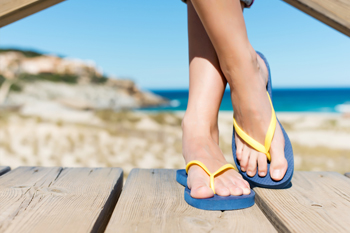 Flip flops are a popular type of shoe that is worn in the summer months. Despite the simplicity of wearing these types of shoes, it is thought that they may cause harm to the feet. The Achilles tendon may become sore as a result of the little or no arch support offered by flip flops. Some patients may notice blisters forming between the toes where the thong, which helps to keep the shoe on the foot, rubs against the skin. People who decide to wear flip flops may benefit from choosing shoes that are designed with supportive materials, as this may help to reduce the risk of getting blisters and calluses. If you would like additional information about what type of flip flops to purchase, please consult with a podiatrist.
Flip-flops are not always the best choice of footwear. If you have any concerns about your feet or ankles, contact the podiatrists from Issaquah Foot & Ankle Specialists. Our doctors will assist you with all of your foot and ankle needs.
Flip-Flops and Feet
When the weather starts warming up, people enjoy wearing flip-flops. Flip-flops are comfortable, stylish, and easy to slip on and off; they're perfect for any summer beach goer. However, these shoes can cause harm to the feet.
How Can Flip-Flops Affect Me Long-Term?
- Ankle problems
- Hip problems
- Lower back problems
- Pain in the balls of the feet
- Problems with foot arches
- Changes in the way you walk
Are There Injuries Associated with Flip-Flops?
Yes. Since flip-flops are relatively weak and do not provide the same amount of support as sneakers, people who wear flip-flops regularly are more susceptible to injuries. On top of that, the open nature of the shoe makes your feet more prone to other problems, such as cuts and even infections. Common injuries and ailments include:
- Sprained ankles
- Blisters
- Infections
- Cuts and Scrapes
I like Wearing Flip-Flops. Are There Safe Alternatives?
When buying flip-flops, try to find ones that have sturdy soles and that are made of high-quality materials that will support for your feet. These flip-flops will cost more but will also last longer as a result.
If you have any questions, please feel free to contact one of our offices located in Issaquah, WA . We offer the newest diagnostic and treatment technologies for all your foot care needs.
