




July 2026
Gout Pain Can Be Managed

Gout is a painful, inflammatory form of arthritis. Those affected will typically feel an intense stiffness in the joints of their feet, particularly in the big toe. Schedule a visit to learn about how gout can be managed and treated.
What is Flexible Flat Foot?
Flatfoot is classified as having the entire sole of the foot in contact or near contact to the ground while standing. The disorder is also known as fallen arches, because those affected have no arch in their feet. Flexible flatfoot and rigid flatfoot are the two types of flatfoot.
A person has flexible flatfoot if when sitting or standing on their toes, they have an arch that disappears when they stand with the entire foot on the ground. Flexible flatfoot may also be called “pediatric flatfoot” because the condition first appears in childhood. It is common among infants because the arch does not develop until the age of 5 or 6 years. Rigid flatfoot is not as common in children as it is with adults. This type of flatfoot is developed due to the weakening of tibialis posterior muscle tendon, a major supporting structure of the foot arch. Development of this deformity is progressive and shows early signs of pain and swelling that begins at the inside arch of the foot and moves to the outside of the foot below the ankle. More severe cases can possibly lead to arthritis of the foot and ankle joints.
Although most cases of flatfoot involve people born with the condition, some less common causes are obesity, diabetes, pregnancy, and osteoporosis. In some cases, flatfoot may come with no symptoms at all and does not require any type of treatment. With other cases though, symptoms may include pain in the shin, knee, hips and lower back. If a person with flatfeet experiences such symptoms, a health care provider may suggest using orthotic devices or arch supports, which may reduce the pain. Wearing supportive shoes can also prove more comfortable with flatfeet and staying away from shoes with little support such as sandals. Other methods to relieve pain also include stretching the Achilles tendon properly and using proper form when doing any physical activity. In addition, losing weight can reduce the stress on your feet and reduce the pain.
Podiatric Care for Flat Feet
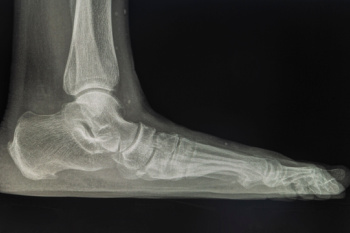
Flat feet develop when the arches of the feet are lower than expected, or do not form fully. Some people are born with flat feet, while others develop them later because of aging, injury, or changes in the tendons that support the arch. Tendons are strong bands of tissue that connect muscles to bones. Many people with flat feet have no symptoms, but others experience pain in the feet, ankles, or lower legs. Some also notice swelling along the inside of the ankle or fatigue after standing for long periods of time. Changes in foot alignment can affect the way weight is distributed while walking and place extra stress on nearby joints. A podiatrist can evaluate the feet and determine whether flat feet are contributing to these symptoms.
Several factors can increase the chance of developing flat feet or make existing symptoms worse. Age-related changes can weaken the tendons that support the arch. Excess body weight can place additional stress on the feet and ankles. Certain medical conditions, like arthritis or diabetes, can also affect foot structure and function. Previous injuries sometimes change the way the foot moves and lead to arch problems. A podiatrist performs a thorough examination that includes evaluating foot alignment, joint movement, and walking patterns. Imaging studies are sometimes recommended to better understand the condition and identify damage affecting the bones or soft tissues.
Treatment depends on the cause of the flat feet and the severity of the symptoms. A podiatrist can recommend custom orthotics that improve foot alignment and provide better support while walking. Orthotics are specially designed shoe inserts that help distribute pressure more evenly across the feet. Patients also benefit from personalized exercises that strengthen the muscles supporting the arches and improve flexibility. Early evaluation can improve comfort, reduce strain on the feet, and help patients stay active. If you have of flat feet, it is suggested that you schedule an appointment with a podiatrist for effective management tips.
Flatfoot is a condition many people suffer from. If you have flat feet, contact the podiatrists from Issaquah Foot & Ankle Specialists. Our doctors will treat your foot and ankle needs.
What Are Flat Feet?
Flatfoot is a condition in which the arch of the foot is depressed and the sole of the foot is almost completely in contact with the ground. About 20-30% of the population generally has flat feet because their arches never formed during growth.
Conditions & Problems:
Having flat feet makes it difficult to run or walk because of the stress placed on the ankles.
Alignment – The general alignment of your legs can be disrupted, because the ankles move inward which can cause major discomfort.
Knees – If you have complications with your knees, flat feet can be a contributor to arthritis in that area.
Symptoms
- Pain around the heel or arch area
- Trouble standing on the tip toe
- Swelling around the inside of the ankle
- Flat look to one or both feet
- Having your shoes feel uneven when worn
Treatment
If you are experiencing pain and stress on the foot you may weaken the posterior tibial tendon, which runs around the inside of the ankle.
If you have any questions, please feel free to contact one of our offices located in Issaquah, WA . We offer the newest diagnostic and treatment technologies for all your foot care needs.
Morton's Neuroma
Morton's Neuroma, also called Intermetatarsal Neuroma or Plantar Neuroma, is a condition that affects the nerves of the feet, usually the area between the third and fourth toe. Neuroma refers to a benign growth that can occur in different parts of the body. Morton's Neuroma strictly affects the feet. This condition causes the tissue around the nerves that lead to the toes becoming thick, causing pain in the ball of the foot.
This condition can be caused by injury, pressure or irritation. Normally no lump will be felt, but instead burning pain in the ball of the foot will be experienced. Numbness and tingling may also occur. With the onset of this condition, a person may feel pain when tight or narrow shoes are worn. As the condition worsens, the pain may persist for days, or even weeks.
Persistent foot pain should always be a concern. The foot should be examined by a podiatrist if pain persists longer than a few days with no relief from changing shoes. The earlier the foot is examined and treated, the less chance there will be for surgical treatment.
There are some factors that can play a role in the development of Morton's Neuroma. These include wearing ill-fitting shoes that cause pressure to the toes, such as high heels. Also, high impact exercise may contribute to the cause of this condition. Morton’s Neuroma may also develop if the foot sustains an injury. Another cause includes walking abnormally due to bunions or flat feet. This causes excessive pressure and irritates the tissue. At times, people are affected for no determinable reason.
Podiatrists can alleviate the effects of this condition using a treatment plan to help decrease the pain and heal the foot tissue. Depending upon the severity of the Morton's Neuroma, the treatment plan can vary. For cases that are mild to moderate, treatments may include applying padding to the arch to relieve pressure from the nerve and reduce compression while walking. Ice packs can also help reduce swelling. The podiatrist may also create a custom orthotic device to support the foot and reduce compression and pressure on the affected nerve. The doctor will probably advise against partaking in activities that cause constant pressure on the affected area. They may provide wider shoes to ease the pressure from the toes. If these treatments do not relieve the symptoms of this condition, the doctor may use injection therapy.
Surgical treatment may be recommended by the podiatrist if all other treatments fail to provide relief. Normally, the podiatric surgeon will decide on either a surgical procedure that involves removal of the affected nerve or will choose surgery to release the nerve. After examination, the surgeon will decide on the best approach to treat the problem.
Recovery varies according to the type of surgical procedure. The patient will also be instructed on the best shoe wear to prevent the return of this condition, along with changes to workout routines, if this was a cause. Preventative measures are important in ensuring the condition does not return.
Forefoot Pain May Be Morton’s Neuroma
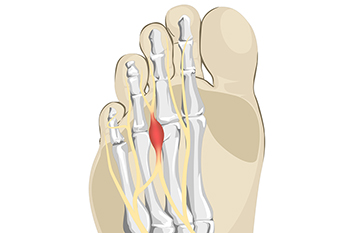
Morton's neuroma affects nerves between the toes, most often between the third and fourth, causing irritation and thickening of surrounding tissue. This leads to nerve compression and discomfort in the ball of the foot. Metatarsalgia is a related condition that involves inflammation and pain in the forefoot, particularly under the metatarsal heads. Both conditions are commonly linked to repetitive pressure and biomechanical stress. They are more prevalent in women, often due to footwear choices that place increased strain on the forefoot. Understanding these conditions helps individuals recognize symptoms early and seek appropriate care.
Symptoms of Morton's neuroma include burning pain, tingling, and numbness that may extend into the toes. Many people describe the sensation as walking on a small object inside the shoe. Metatarsalgia presents as aching pain, tenderness, and increased discomfort with standing or walking. Swelling and a feeling of bruising under the ball of the foot are also common. These symptoms may worsen during activity and improve with rest. Early recognition is important to prevent progression and reduce the impact on mobility and daily function.
Risk factors for these conditions include high-heeled or narrow footwear, repetitive impact activities, and foot structure abnormalities like high arches or flat feet. Obesity increases pressure on the forefoot, contributing to tissue stress and inflammation. Tight calf muscles and poor shock absorption can also lead to excessive force on the metatarsal region. Common causes of metatarsalgia include overuse, improper footwear, and uneven weight distribution when walking or running. These factors create ongoing stress that leads to irritation and pain in the forefoot.
Managing these conditions involves reducing pressure on the forefoot through proper footwear, cushioning, and orthotic support. Activity modification and targeted exercises may help improve foot mechanics and relieve symptoms. Early treatment leads to better outcomes and reduces the likelihood of chronic pain. If you have Morton’s neuroma, it is suggested that you consult a podiatrist for effective treatment to restore comfort and improve foot function.
Morton’s neuroma is a very uncomfortable condition to live with. If you think you have Morton’s neuroma, contact the podiatrists of Issaquah Foot & Ankle Specialists. Our doctors will attend to all of your foot care needs and answer any of your related questions.
Morton’s Neuroma
Morton's neuroma is a painful foot condition that commonly affects the areas between the second and third or third and fourth toe, although other areas of the foot are also susceptible. Morton’s neuroma is caused by an inflamed nerve in the foot that is being squeezed and aggravated by surrounding bones.
What Increases the Chances of Having Morton’s Neuroma?
- Ill-fitting high heels or shoes that add pressure to the toe or foot
- Jogging, running or any sport that involves constant impact to the foot
- Flat feet, bunions, and any other foot deformities
Morton’s neuroma is a very treatable condition. Orthotics and shoe inserts can often be used to alleviate the pain on the forefront of the feet. In more severe cases, corticosteroids can also be prescribed. In order to figure out the best treatment for your neuroma, it’s recommended to seek the care of a podiatrist who can diagnose your condition and provide different treatment options.
If you have any questions, please feel free to contact one of our offices located in Issaquah, WA . We offer the newest diagnostic and treatment technologies for all your foot care needs.
Reduce Flat Feet Discomfort With Custom Orthotics

Flat feet? Rise above the discomfort with Custom Orthotics. Specifically designed to support the arch and align the foot, Custom Orthotics can be a game-changer for those with flat feet. They help in distributing weight evenly, preventing undue stress and potential pain. Walk, run, or stand with newfound confidence, knowing your feet have the support they've been missing. Want to explore the benefits of Custom Orthotics tailored for flat feet? Contact us today!
Everything You Need to Know About Gout
Gout, typically found in diabetic patients, is an unusually painful form of arthritis caused by elevated levels of uric acid in the bloodstream. The condition typically strikes the big joint on the big toe. It has also been known to strike the knees, elbows, fingers, ankles and wrists—generally anywhere that has a functioning, moving joint.
The high level of uric acid in a person’s bloodstream creates the condition known as hyperuricema—the main cause of gout. Genetic predisposition occurs in nine out of ten sufferers. The children of parents who suffer gout will have a two in ten chance of developing the condition as well.
This form of arthritis, being particularly painful, is the leftover uric acid crystallizing in the blood stream. The crystallized uric acid then travels to the space between joints where they rub, causing friction when the patient moves. Symptoms include: pain, redness, swelling, and inflammation. Additional side effects may include fatigue and fever, although reports of these effects are very rare. Some patients have reported that pain may intensify when the temperature drops, such as when you sleep.
Most cases of gout are easily diagnosed by a podiatrist’s assessment of the various symptoms. Defined tests can also be performed. A blood test to detect elevated levels of uric acid is often used as well as an x-ray to diagnose visible and chronic gout.
Treatment for gout simply means eliminating symptoms. Non-steroid anti-inflammatory drugs or NSAIDs (Colchicine and other corticosteroid drugs, etc.) will quell the redness, the swelling, and the inflammation. However, managing your diet, lifestyle changes, and using preventative drugs are all helpful toward fully combating the most severe cases.
Those that lead an inactive lifestyle are at a higher risk for gout. Any amount of exercise decreases the probability of repeat encounters with the condition. Reducing your consumption of red meat, sea food, and fructose-sweetened drinks also reduces the likelihood of chronic gout as well.
Ingesting Vitamin C, coffee, and particular dairy products can help with maintaining a healthy lifestyle. There are new drugs out on the market that inhibit the body’s production of uric acid-producing enzymes. However, reducing or eliminating your overall levels of uric acid is the best remedy to ensuring you lead a gout-free life.
Gout and the Big Toe
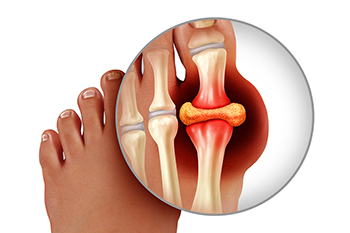
Gout is a form of inflammatory arthritis that frequently affects the foot, most commonly the big toe joint. It may also involve the midfoot, ankle, or other joints. Gout develops when uric acid accumulates in the bloodstream and forms sharp crystals within a joint. These crystals irritate surrounding tissues and trigger sudden, intense inflammation. Symptoms often begin quickly, sometimes during the night, and include severe pain, redness, warmth, and noticeable swelling. The affected joint may become extremely tender, and even light pressure from bedding or footwear can cause significant discomfort. Many people describe the pain as sharp, throbbing, and difficult to ignore.
Gout occurs when the body either produces too much uric acid or is unable to eliminate it effectively through the kidneys. Diet can contribute to this imbalance, particularly with foods high in purines like red meat, shellfish, and organ meats. In contrast, a balanced diet that includes low-fat dairy products, fresh fruits, vegetables, and whole grains may help support overall health. Additional risk factors include family history, obesity, dehydration, and certain medications. Underlying conditions like kidney disease or metabolic disorders may also be factors. Without appropriate care, gout attacks may become more frequent, last longer, and begin to affect multiple joints. This can potentially lead to long-term joint damage.
A podiatrist plays an important role in diagnosing and managing gout. Through an exam, imaging, and laboratory testing, they can confirm the condition and rule out other causes of joint pain. Treatment may include medications to reduce inflammation, relieve pain, and help regulate uric acid levels. A podiatrist can also provide ongoing monitoring of joints and further guidance to prevent future flare-ups and protect mobility. If you are experiencing symptoms of gout, it is strongly suggested that you consult a podiatrist for a proper evaluation and personalized care.
Gout is a foot condition that requires certain treatment and care. If you are seeking treatment, contact the podiatrists from Issaquah Foot & Ankle Specialists. Our doctors will treat your foot and ankle needs.
What Is Gout?
Gout is a type of arthritis caused by a buildup of uric acid in the bloodstream. It often develops in the foot, especially the big toe area, although it can manifest in other parts of the body as well. Gout can make walking and standing very painful and is especially common in diabetics and the obese.
People typically get gout because of a poor diet. Genetic predisposition is also a factor. The children of parents who have had gout frequently have a chance of developing it themselves.
Gout can easily be identified by redness and inflammation of the big toe and the surrounding areas of the foot. Other symptoms include extreme fatigue, joint pain, and running high fevers. Sometimes corticosteroid drugs can be prescribed to treat gout, but the best way to combat this disease is to get more exercise and eat a better diet.
If you have any questions, please feel free to contact one of our offices located in Issaquah, WA . We offer the newest diagnostic and treatment technologies for all your foot care needs.
Sole Marketing Life Impact
The impact of custom orthotics extends far beyond relieving foot pain. By improving alignment and balance, they can enhance overall mobility and quality of life. Many people are surprised to discover how much foot support influences posture, energy, and comfort during daily activities. When the feet are properly supported, the body moves more efficiently, reducing strain on the knees, hips, and back. This can lead to greater ease when walking, standing, or exercising and less fatigue at the end of the day.
Custom orthotics are crafted to fit the exact shape of your feet, ensuring personalized support that standard insoles cannot provide. They help prevent recurring injuries, ease chronic pain, and promote better stability on all surfaces. Over time, many patients find that orthotics allow them to return to activities they once avoided, such as long walks, workouts, or standing for extended periods of time.
Whether used for athletic performance, work, or daily comfort, custom orthotics can bring lasting improvements to both movement and well-being.
Signs You Need Shoe Orthotics
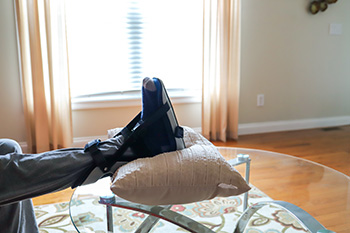
Custom orthotics, specialized shoe inserts like footpads or arch supports, offer a solution to various foot and ankle issues. They are particularly beneficial for those with conditions like high arches, flat feet, plantar fasciitis, and arthritis. Your podiatrist can guide you in making custom orthotics. Foot pain, a common impediment to the thousands of steps an average adult takes daily, can significantly affect mobility and comfort. Orthotics provide relief from foot pain caused by different conditions or injuries. Orthotics are available in various forms for diverse needs. Soft orthotics offer cushioning, rigid ones provide stability, and demi-rigid orthotics give a balance of both. Custom-fit orthotics, tailored to individual requirements, are prescribed by podiatrists. Orthotics differ from orthopedic shoes, being removable and versatile for different footwear. They help in evenly distributing pressure, absorbing shock, and supporting the foot structure, thereby reducing pain and enhancing mobility. Despite their benefits, orthotics might have limited footwear compatibility and present with initial discomfort, requiring a period of adjustment. If you are interested in learning more about how custom-made orthotics can help manage your foot conditions, it is suggested that you make an appointment with a podiatrist to discuss how they can help you.
Custom orthotics are specialized shoe inserts created to support and align the feet according to each person’s unique structure and walking pattern. They are an effective way to relieve foot discomfort caused by conditions such as flat feet, high arches, plantar fasciitis, bunions, and heel pain. When the natural alignment of the foot is off balance, it can lead to pressure points, strain, and pain that affect how a person stands, walks, and moves. Orthotics work by redistributing weight evenly and supporting the arch to reduce stress on the muscles, tendons, and joints of the feet and lower legs.
Foot discomfort can develop for many reasons, including wearing improper footwear, long hours of standing, repetitive motion, or underlying structural problems. Over time, this discomfort can extend beyond the feet, contributing to knee, hip, or lower back pain. Custom orthotics help correct these issues by improving alignment and promoting more efficient movement. They are made using precise measurements and imaging to ensure the best fit for each patient, providing targeted support and cushioning where it is needed most.
Unlike generic insoles, custom orthotics are durable, medically designed, and tailored to your specific needs. Whether you are managing chronic pain, recovering from an injury, or simply seeking better comfort and stability, orthotics can make a noticeable difference in how your feet feel throughout the day.
If you are experiencing persistent foot discomfort or fatigue, it may be time to have your feet evaluated by a podiatrist. Call our office today for more information or to schedule an appointment.
If you have any questions, please feel free to contact one of our offices located in Issaquah, WA .
Check if allow_url_fopen is enabled on your server. It is mandatory. If not then you must activate it. Contact with your Server Admin / Hosting Provider.
Steps to enable allow_url _fopen :
allow_url_fopen = on
allow_url_include = on.
Add it to php.ini settings.
Google Business Reviews Error Notice!
Read Below Steps Carefully :
1. Check your API key and PLACE id. May be it is not right. Make sure it is correct one.
2. This message commonly shows when api key is exceeded daily request quota for this API or there is no active billing account for this API. Because according to Google there is a limit for free API key. If it exceeds they ask for billing.
3. To know more about Google Pricing , Check here : Google Pricing
4. You can create your Google API key here
5. Must use a right PlaceID. Get PlaceID here
6. One important thing, Don't forget to add billing account to Google. Must check what Google says here
7. If you still find issue , then check first if your Business registered with Google or not. Read more about it here
8.Still find issue, then contact developer : info@aaextensions.com or ashik685@gmail.com
