




February 2024
Causes of Big Toe Pain

Pain in the big toe can be attributed to various causes, including arthritis, fractures, and gout. While most cases are manageable with conservative remedies, certain conditions like sesamoiditis may necessitate more specialized treatment. Arthritis, specifically hallux rigidus, is a common culprit, often affecting individuals over the age of 50, particularly women. Ingrown toenails can also lead to discomfort when toenails are cut too short or improperly. Gout, characterized by the buildup of uric acid in joints, frequently targets the big toe joint. Turf toe, a sports-related injury resulting from repetitive bending or jamming, is more prevalent among athletes on artificial turf. Sesamoiditis, common in runners and ballet dancers, results from inflammation of tendons around the sesamoid bones below the big toe. Toe fractures are commonplace due to various activities or accidents. Bunions, deformities at the base of the big toe, can cause discomfort and joint inflammation. Other potential causes encompass nail infections, Raynaud's disease, Morton's neuroma, and rheumatoid arthritis. If you have unexplained, persistent big toe pain, or if it is worsening, it is suggested that you schedule an appointment with a podiatrist for diagnosis and treatment.
Toe pain can disrupt your daily activities. If you have any concerns, contact the podiatrists of Issaquah Foot & Ankle Specialists. Our doctors can provide the care you need to keep you pain-free and on your feet.
What Causes Toe Pain?
Most severe toe pain is caused due to a sports injury, trauma from dropping something heavy on the toe, or bumping into something rigid. Other problems can develop over time for various reasons.
Toe pain can be caused by one or more ailments. The most common include:
- Trauma
- Sports injury
- Wearing shoes that are too tight
- Arthritis
- Gout
- Corns and calluses
- Hammertoe
- Bunions
- Blisters
- Ingrown toenails
- Sprains
- Fractures (broken bones)
- Dislocations
When to See a Podiatrist
- Severe pain
- Persistent pain that lasts more than a week
- Signs of infection
- Continued swelling
- Pain that prevents walking
Diagnosis
In many cases the cause of toe pain is obvious, but in others, a podiatrist may want to use more advanced methods to determine the problem. These can range from simple visual inspections and sensation tests to X-rays and MRI scans. Prior medical history, family medical history, and any recent physical traumatic events will all be taken into consideration for a proper diagnosis.
Treatment
Treatments for toe pain and injuries vary and may include shoe inserts, padding, taping, medicines, injections, and in some cases, surgery. If you believe that you have broken a toe, please see a podiatrist as soon as possible.
If you have any questions please contact one of our offices located in Issaquah, WA . We offer the newest diagnostic and treatment technologies for all your foot and ankle needs.
Types of Custom Orthotics
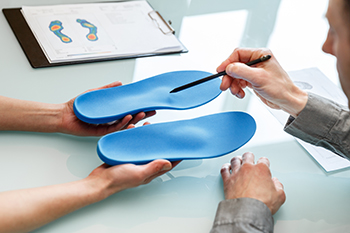
Orthotics are available in various types, each serving distinct purposes to address specific foot conditions. Functional orthotics are designed to control abnormal motion and correct foot biomechanics, providing stability and support. Rigid orthotics offer maximum control and are often used to alleviate pain from conditions like plantar fasciitis or tendonitis. Soft or accommodative orthotics provide cushioning and relieve pressure points, and are ideal for individuals with diabetic foot ulcers or arthritis. Fragile orthotics are delicate inserts tailored for sensitive feet, offering gentle support without causing discomfort. Pied sensible inserts focus on enhancing sensory feedback, aiding in balance and gait improvement. Finally, sport-specific orthotics are engineered to enhance performance and reduce injury risk during athletic activities, catering to the unique biomechanical demands of various sports. If you would like to explore custom-made orthotics for your specific foot issues, it is suggested that you schedule an appointment with a podiatrist to discuss which type of orthotic would best improve your overall comfort and mobility.
If you are having discomfort in your feet and would like to try orthotics, contact the podiatrists from Issaquah Foot & Ankle Specialists. Our doctors can provide the care you need to keep you pain-free and on your feet.
What Are Orthotics?
Orthotics are inserts you can place into your shoes to help with a variety of foot problems such as flat feet or foot pain. Orthotics provide relief and comfort for minor foot and heel pain but can’t correct serious biomechanical problems in your feet.
Over-the-Counter Inserts
Orthotics come in a wide variety of over-the-counter inserts that are used to treat foot pain, heel pain, and minor problems. For example, arch supports can be inserted into your shoes to help correct overarched or flat feet, while gel insoles are often used because they provide comfort and relief from foot and heel pain by alleviating pressure.
Prescription Orthotics
If over-the-counter inserts don’t work for you or if you have a more severe foot concern, it is possible to have your podiatrist prescribe custom orthotics. These high-quality inserts are designed to treat problems such as abnormal motion, plantar fasciitis, and severe forms of heel pain. They can even be used to help patients suffering from diabetes by treating foot ulcers and painful calluses and are usually molded to your feet individually, which allows them to provide full support and comfort.
If you are experiencing minor to severe foot or heel pain, it’s recommended to speak with your podiatrist about the possibilities of using orthotics. A podiatrist can determine which type of orthotic is right for you and allow you to take the first steps towards being pain-free.
If you have any questions, please feel free to contact one of our offices located in Issaquah, WA . We offer the newest diagnostic and treatment technologies for all your foot care needs.
Custom Orthotics For Seniors

Age gracefully and move freely with Custom Orthotics. For seniors seeking to maintain their independence, Custom Orthotics offer the stability and comfort essential for daily activities. Custom-tailored to your feet, they provide support, reduce pain, and enhance mobility, ensuring you're always on sure footing. Don't let age-related foot concerns hold you back. With Custom Orthotics, embrace every golden moment with confidence. Call today to schedule an appointment.
What Are the Causes and Symptoms of a Broken Foot?
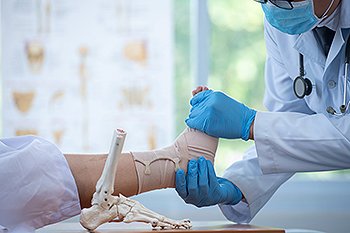
A broken foot, also known as a foot fracture, is a common injury that can occur due to various causes and manifests with distinct symptoms. Trauma from accidents, falls, or sports injuries is a primary culprit behind foot fractures, leading to cracks or breaks in the bones. Symptoms of a broken foot include pain, swelling, and bruising around the affected area, making weight-bearing difficult or impossible. Patients may also experience tenderness to touch, deformity, or an audible snap or pop at the time of injury. In severe cases, the broken bone may protrude through the skin, causing an open fracture. Recognizing these symptoms is vital for a prompt diagnosis and treatment, which may involve immobilization, pain management, and in some cases, surgical intervention to ensure proper healing and restoration of foot function. If you suspect you have broken your foot, it is suggested that you visit a podiatrist as quickly as possible who can confirm the diagnosis, and offer treatment that is best suited for you.
A broken foot requires immediate medical attention and treatment. If you need your feet checked, contact the podiatrists from Issaquah Foot & Ankle Specialists. Our doctors can provide the care you need to keep you pain-free and on your feet.
Broken Foot Causes, Symptoms, and Treatment
A broken foot is caused by one of the bones in the foot typically breaking when bended, crushed, or stretched beyond its natural capabilities. Usually the location of the fracture indicates how the break occurred, whether it was through an object, fall, or any other type of injury.
Common Symptoms of Broken Feet:
- Bruising
- Pain
- Redness
- Swelling
- Blue in color
- Numbness
- Cold
- Misshapen
- Cuts
- Deformities
Those that suspect they have a broken foot shoot seek urgent medical attention where a medical professional could diagnose the severity.
Treatment for broken bones varies depending on the cause, severity and location. Some will require the use of splints, casts or crutches while others could even involve surgery to repair the broken bones. Personal care includes the use of ice and keeping the foot stabilized and elevated.
If you have any questions, please feel free to contact one of our offices located in Issaquah, WA . We offer the newest diagnostic and treatment technologies for all your foot care needs.
Myths About Custom Orthotics
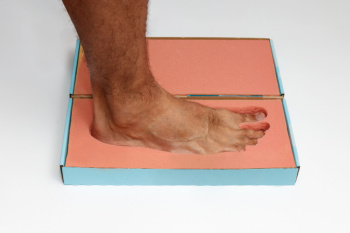
Custom foot orthoses have a rich history, dating back to the mid-19th century when Lewis Durlacher created molded leather devices to address foot issues for Queen Victoria. Over the years, several myths have emerged about the function and effects of custom orthoses. First, custom orthotics are personalized medical devices designed to optimize foot and lower extremity function by modifying ground reaction forces' timing, location, and magnitude. They do not force the foot into specific joint positions but work with their unique morphology, stiffness, and cushioning properties to achieve therapeutic goals. Custom foot orthoses serve various purposes, from relieving diabetic neuropathic ulcers to reducing tension stress in conditions like plantar fasciitis. They also redirect ground reaction forces to prevent bending moments responsible for stress fractures and other issues. That there is one best way to design custom orthoses is another myth. The flexibility of custom orthoses allows for tailored solutions for different pathologies. Lastly, the notion that custom foot orthoses weaken feet over time lacks scientific backing. In fact, research suggests that they can enhance foot muscle activation. If you would like to understand more about how custom orthotics might help you, it is suggested that you make an appointment with a podiatrist.
Custom orthotics play an important role in preventing and treating foot and ankle injuries by providing personalized support that aligns with the unique structure of each foot. These specially designed devices help correct biomechanical imbalances, reduce pressure on sensitive areas, and improve stability during movement. When the feet are properly supported, the risk of developing conditions such as plantar fasciitis, Achilles tendinitis, and ankle sprains can be significantly reduced. Custom orthotics also help relieve discomfort caused by having flat feet, high arches, or uneven leg length, which may contribute to recurring injuries or pain.
Foot and ankle injuries can develop gradually from repetitive strain or occur suddenly during physical activity. Without proper treatment, these injuries can affect mobility and overall quality of life. Orthotics work to redistribute weight evenly across the foot, allowing joints and muscles to function more efficiently. This not only supports recovery from injury but can also prevent future problems by promoting better posture and alignment throughout the lower body.
Unlike over-the-counter inserts, custom orthotics are designed based on a detailed evaluation of each patient’s foot structure, gait, and medical needs. Podiatrists use advanced imaging and diagnostic tools to create orthotics that fit precisely and provide targeted correction. Whether used in everyday footwear or athletic shoes, custom orthotics can improve comfort, enhance performance, and support long-term foot health.
If you are experiencing foot or ankle pain or have sustained an injury that has not improved with rest, it is suggested that you schedule an appointment with a podiatrist. Call our office for more information or to make an appointment.
If you have any questions, please feel free to contact one of our offices located in Issaquah, WA .
Medical Procedures for Foot Corns
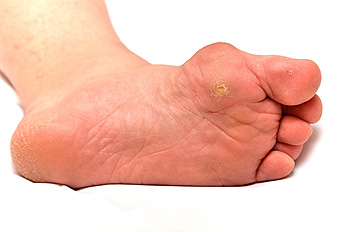
Corns, which are hardened skin areas caused by friction, can be treated through various methods, but it is important to know that they will not disappear overnight. Conservative treatments involve reducing friction by changing shoes and trimming toenails properly. These are often effective in resolving corns. Surgical removal is reserved for severe cases when other treatments fail, and it is not recommended to attempt this on your own due to the risk of infection. Whether or not you should remove a corn depends on its impact on your daily life and overall health. Mild corns that do not bother you can be left alone, while severe symptoms may require podiatric evaluation, especially if you have conditions such as diabetes affecting foot sensation. Surgical options, cortisone injections, or podiatrist-assisted shaving are available for severe cases, with specific aftercare instructions. If you have a bothersome foot corn and symptoms persist, worsen, or interfere with your daily life, or if you have underlying health issues, it is suggested that you schedule an appointment with a podiatrist for more advanced treatment.
Corns can make walking very painful and should be treated immediately. If you have questions regarding your feet and ankles, contact the podiatrists of Issaquah Foot & Ankle Specialists. Our doctors will treat your foot and ankle needs.
Corns: What Are They? And How Do You Get Rid of Them?
Corns are thickened areas on the skin that can become painful. They are caused by excessive pressure and friction on the skin. Corns press into the deeper layers of the skin and are usually round in shape.
Ways to Prevent Corns
There are many ways to get rid of painful corns such as:
- Wearing properly fitting shoes that have been measured by a professional
- Wearing shoes that are not sharply pointed or have high heels
- Wearing only shoes that offer support
Treating Corns
Although most corns slowly disappear when the friction or pressure stops, this isn’t always the case. Consult with your podiatrist to determine the best treatment option for your case of corns.
If you have any questions, please feel free to contact one of our offices located in Issaquah, WA . We offer the newest diagnostic and treatment technologies for all your foot care needs.
Reduce Foot Pain With Shockwave Therapy

Shockwave therapy treatments are administered outside the body and are non-invasive. A handheld transducer placed on the skin passes high-energy sound waves down into the injured tissue to increase blood flow. This activates the body’s natural healing process and reduces pain and inflammation. Shockwave therapy has provided fast results in treating heel pain, tendonitis, bursitis, and more with no needles or steroids.
Contact our office to learn more!
