




August 2023
Foot Surgery for Rheumatoid Arthritis May Improve Mobility

Rheumatoid arthritis, abbreviated RA, is a chronic autoimmune condition that can severely impact the joints, including those in the feet. When conservative treatments fail to provide adequate relief, foot surgery becomes a viable option for managing RA and related foot deformities. Surgical procedures aim to correct joint alignment, reduce inflammation, and improve overall foot function. Common surgical interventions for RA in the feet include a synovectomy, which is the removal of the inflamed joint lining, tendon repair or transfer, joint fusion, and joint replacement. It's important to note that foot surgery for RA is considered a last resort when other treatments have proven ineffective. It is beneficial for patients to work closely with their podiatrist to determine the most suitable surgical approach based on individual needs and medical history. While foot surgery may involve a recovery period, it can significantly enhance mobility, reduce pain, and ultimately improve the quality of life for those living with RA. It is suggested that you consult with a podiatrist if this condition affects you.
Foot surgery is sometimes necessary to treat a foot ailment. To learn more, contact the podiatrists of Issaquah Foot & Ankle Specialists. Our doctors will assist you with all of your foot and ankle needs.
When Is Surgery Necessary?
Foot and ankle surgery is generally reserved for cases in which less invasive, conservative procedures have failed to alleviate the problem. Some of the cases in which surgery may be necessary include:
- Removing foot deformities like bunions and bone spurs
- Severe arthritis that has caused bone issues
- Cosmetic reconstruction
What Types of Surgery Are There?
The type of surgery you receive will depend on the nature of the problem you have. Some of the possible surgeries include:
- Bunionectomy for painful bunions
- Surgical fusion for realignment of bones
- Neuropathy decompression surgery to treat nerve damage
Benefits of Surgery
Although surgery is usually a last resort, it can provide more complete pain relief compared to non-surgical methods and may allow you to finally resume full activity.
Surgical techniques have also become increasingly sophisticated. Techniques like endoscopic surgery allow for smaller incisions and faster recovery times.
If you have any questions, please feel free to contact one of our offices located in Issaquah, WA . We offer the newest diagnostic and treatment technologies for all your foot care needs.
Why Flip Flops May Harm Your Feet

Flip-flops are a popular choice of footwear during the warm summer months, offering ease and convenience. However, beneath their casual appeal lies a hidden danger for your feet. One of the main issues with flip-flops is their lack of support and cushioning. Flip-flops provide minimal arch support, which can lead to foot conditions such as plantar fasciitis and flat feet. Additionally, the thin soles offer little protection from sharp objects or uneven surfaces, increasing the risk of foot injuries. The loose fitting design can cause the toes to grip onto the shoe, leading to toe pain and deformities that can include hammertoes. The constant flip-flop motion can strain the tendons and muscles in the feet and legs. To safeguard your foot health, it is best to limit flip-flop usage and choose more supportive footwear while walking long distances or engaging in physical activities. If you would like more information about how wearing flip-flops can affect your feet, it is suggested that you consult with a podiatrist who can provide you with the knowledge you are seeking.
Flip-flops can cause a lot of problems for your feet. If you have any concerns about your feet or ankles, contact the podiatrists from Issaquah Foot & Ankle Specialists. Our doctors will assist you with all of your foot and ankle needs.
Flip-Flops and Feet
Flip-flops have managed to become a summer essential for a lot of people. While the shoes may be stylish and easy to slip on and off, they can be dangerous to those who wear them too often. These shoes might protect you from fungal infections such as athlete’s foot, but they can also give you foot pain and sprained ankles if you trip while wearing them.
When Are They Okay to Wear?
Flip-flops should only be worn for very short periods of time. They can help protect your feet in places that are crawling with fungi, such as gym locker rooms. Athlete’s foot and plantar warts are two common fungi that flip-flops may help protect your feet against.
Why Are They Bad for My Feet?
These shoes do not offer any arch support, so they are not ideal for everyday use. They also do not provide shock absorption or heel cushioning which can be problematic for your feet. Additionally, you may suffer from glass cuts, puncture wounds, and stubbed toes since they offer little protection for your feet.
More Reasons Why They Are Bad for Your Feet
- They Slow You Down
- May Cause Blisters and Calluses
- Expose Your Feet to Bacteria
If you have any questions, please feel free to contact one of our offices located in Issaquah, WA . We offer the newest diagnostic and treatment technologies for all your foot care needs.
Types and Locations of Ankle Sprains

Ankle sprains are common injuries that can occur during various physical activities. Ankle sprains are categorized into three degrees based on the severity of the ligament damage. A first-degree ankle sprain is mild, with stretched ligaments and minimal fiber damage. A second-degree sprain is more moderate, involving partially torn ligaments. The most severe type is a third-degree sprain, where ligaments are completely torn. Two main types of sprains are inversion and eversion. Inversion sprains occur when the foot twists inward, stretching the outer ligaments and causing pain on the outside of the ankle. Eversion sprains occur when the foot twists outward, stretching the inner ligaments and causing pain on the inside of the ankle. Ankle sprains can also also be classified based on their location. Lateral sprains occur on the outside of the ankle and makeup about 80 percent of all sprains. High, or syndesmotic, ankle sprains are rarer, seen in around 15 percent of ankle sprains. Medial sprains account for about 5 percent of all ankle sprains. Treatment for ankle sprains varies depending on the severity and location. It is suggested that you make an appointment with a podiatrist for a proper diagnosis and personalized treatment plan.
Although ankle sprains are common, they aren’t always minor injuries. If you need your ankle injury looked at, contact the podiatrists from Issaquah Foot & Ankle Specialists. Our doctors can provide the care you need to keep you pain-free and on your feet.
How Does an Ankle Sprain Occur?
Ankle sprains are the result of a tear in the ligaments within the ankle. These injuries may happen when you make a rapid shifting movement while your foot is planted. A less common way to sprain your ankle is when your ankle rolls inward while your foot turns outward.
What Are the Symptoms?
- Pain at the sight of the tear
- Bruising/Swelling
- Ankle area is tender to touch
- In severe cases, may hear/feel something tear
- Skin discoloration
Preventing a Sprain
- Wearing appropriate shoes for the occasion
- Stretching before exercises and sports
- Knowing your limits
Treatment of a Sprain
In many cases, the RICE method (Rest, Ice, Compression, and Elevate) is used to treat ankle sprains. However, you should see a podiatrist to see which treatment option would work best with your injury. In severe cases, surgery may be required.
It is important to ask your doctor about rehab options after you receive treatment for your injury. Stretching, strength training, and balance exercises may help the ankle heal while also preventing further injury.
If you have any questions, please feel free to contact one of our offices located in Issaquah, WA . We offer the newest diagnostic and treatment technologies for all your foot care needs.
Reasons for a Tight Achilles Tendon

If you are an active person who frequently uses your legs, your Achilles tendon may feel tight. Wearing shoes with elevated heels, where the heel is higher than the ball of the foot, can shorten the muscles in the back of the leg. This feeling can be replicated by pointing your toes down. While active, this happens naturally, but when it is from shoes, it is an artificial shortening position that can cause tightness. Toe springs in shoes elevate the toes, hold them there without natural engagement, and shorten the muscles from the top of the foot. When the muscle running along the outside of the shinbone is tight, the surrounding muscles tighten up and the Achilles tendon is less likely to stretch and contract fully. Walking barefoot can restore foot function, allow toes to spread out, and build stronger feet, but this has its disadvantages as well. Wearing minimalist or barefoot shoes are alternative options that can be considered. An effective way to prevent the sensation of tightness in the Achilles tendon area is to stretch the legs and feet each day. Rolling a massage ball from the top to the bottom just outside the shin bone is a myofascial release that can relieve tightness. Deep squatting, with or without a wall as support, can also help. If you have a tight Achilles tendon that persists, it is suggested that you visit a podiatrist who can help you with additional treatment options.
Achilles tendon injuries need immediate attention to avoid future complications. If you have any concerns, contact the podiatrists of Issaquah Foot & Ankle Specialists. Our doctors can provide the care you need to keep you pain-free and on your feet.
What Is the Achilles Tendon?
The Achilles tendon is a tendon that connects the lower leg muscles and calf to the heel of the foot. It is the strongest tendon in the human body and is essential for making movement possible. Because this tendon is such an integral part of the body, any injuries to it can create immense difficulties and should immediately be presented to a doctor.
What Are the Symptoms of an Achilles Tendon Injury?
There are various types of injuries that can affect the Achilles tendon. The two most common injuries are Achilles tendinitis and ruptures of the tendon.
Achilles Tendinitis Symptoms
- Inflammation
- Dull to severe pain
- Increased blood flow to the tendon
- Thickening of the tendon
Rupture Symptoms
- Extreme pain and swelling in the foot
- Total immobility
Treatment and Prevention
Achilles tendon injuries are diagnosed by a thorough physical evaluation, which can include an MRI. Treatment involves rest, physical therapy, and in some cases, surgery. However, various preventative measures can be taken to avoid these injuries, such as:
- Thorough stretching of the tendon before and after exercise
- Strengthening exercises like calf raises, squats, leg curls, leg extensions, leg raises, lunges, and leg presses
If you have any questions please feel free to contact one of our offices located in Issaquah, WA . We offer the newest diagnostic tools and technology to treat your foot and ankle needs.
Heel Pain in the Morning?

Heel pain can negatively affect your day-to-day life. Simple activities like walking can become incredibly uncomfortable or painful due to heel pain.
Don’t live with heel pain and get treated.
Various Reasons for Heel Pain
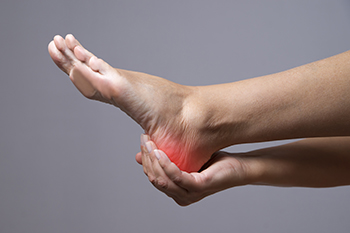
Heel pain is a common condition that affects people worldwide. There are various foot conditions that can cause heel pain, including plantar fasciitis, heel spurs, and Achilles tendonitis. It can be difficult to walk, and medical attention is often sought for relief. There are certain stretches that can be performed that may reduce heel pain. The standing calf stretch is done by standing on a step and lowering one heel at a time until a gentle stretch is felt. This can be repeated several times per day to gradually strengthen the heel. Another effective stretch is done by sitting on the floor while stretching the feet out in front of you. After rolling up a towel lengthwise, it can be put around the ball of the feet, while pulling it towards you. After holding for several seconds, this stretch can be repeated during the day. If you have heel pain, it is strongly suggested that you confer with a podiatrist who can determine the cause and provide effective treatment solutions.
Many people suffer from bouts of heel pain. For more information, contact the podiatrists of Issaquah Foot & Ankle Specialists. Our doctors can provide the care you need to keep you pain-free and on your feet.
Causes of Heel Pain
Heel pain is often associated with plantar fasciitis. The plantar fascia is a band of tissues that extends along the bottom of the foot. A rip or tear in this ligament can cause inflammation of the tissue.
Achilles tendonitis is another cause of heel pain. Inflammation of the Achilles tendon will cause pain from fractures and muscle tearing. Lack of flexibility is also another symptom.
Heel spurs are another cause of pain. When the tissues of the plantar fascia undergo a great deal of stress, it can lead to ligament separation from the heel bone, causing heel spurs.
Why Might Heel Pain Occur?
- Wearing ill-fitting shoes
- Wearing non-supportive shoes
- Weight change
- Excessive running
Treatments
Heel pain should be treated as soon as possible for immediate results. Keeping your feet in a stress-free environment will help. If you suffer from Achilles tendonitis or plantar fasciitis, applying ice will reduce the swelling. Stretching before an exercise like running will help the muscles. Using all these tips will help make heel pain a condition of the past.
If you have any questions, please feel free to contact one of our offices located in Issaquah, WA . We offer the newest diagnostic and treatment technologies for all your foot care needs.
