




December 2024
Mini-BEAR Surgery

A surgical method called the Mini-BEAR system offers a less invasive way to fix certain foot issues. Instead of using multiple long cuts like in traditional surgeries such as medial displacement calcaneal osteotomy, which involves shifting the heel bone inward to improve alignment, or lateral column lengthening, which extends the outer part of the foot to correct flat feet, this approach uses smaller incisions. This can mean shorter surgery times, quicker healing, and smaller scars for patients. This technique also reduces the amount of work done inside the foot, which can lower pain levels after surgery. Because of this, patients may need fewer painkillers like narcotics during recovery. It is a good option for people looking for a simpler, less painful treatment for their foot problems. If you think this type of procedure might help you, it is suggested that you speak to a podiatrist to learn more about your options, and the best treatment for your needs.
Foot surgery is sometimes necessary to treat a foot ailment. To learn more, contact the podiatrists of Issaquah Foot & Ankle Specialists. Our doctors will assist you with all of your foot and ankle needs.
When Is Surgery Necessary?
Foot and ankle surgery is generally reserved for cases in which less invasive, conservative procedures have failed to alleviate the problem. Some of the cases in which surgery may be necessary include:
- Removing foot deformities like bunions and bone spurs
- Severe arthritis that has caused bone issues
- Cosmetic reconstruction
What Types of Surgery Are There?
The type of surgery you receive will depend on the nature of the problem you have. Some of the possible surgeries include:
- Bunionectomy for painful bunions
- Surgical fusion for realignment of bones
- Neuropathy decompression surgery to treat nerve damage
Benefits of Surgery
Although surgery is usually a last resort, it can provide more complete pain relief compared to non-surgical methods and may allow you to finally resume full activity.
Surgical techniques have also become increasingly sophisticated. Techniques like endoscopic surgery allow for smaller incisions and faster recovery times.
If you have any questions, please feel free to contact one of our offices located in Issaquah, WA . We offer the newest diagnostic and treatment technologies for all your foot care needs.
Chronic Plantar Fasciitis
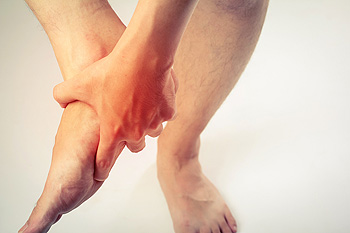
Plantar fasciitis is a common condition caused by inflammation of the plantar fascia, a thick band of tissue connecting the heel to the toes. It typically results in sharp heel pain, especially during the first steps in the morning or after prolonged periods of rest. This condition is often linked to overuse, improper footwear, obesity, or high-impact activities like running. While many cases improve with conservative treatments, plantar fasciitis can become chronic if untreated or mismanaged. Chronic plantar fasciitis occurs when the inflammation persists for several months, leading to degenerative changes in the fascia, ongoing pain, and limited mobility. Treatment for chronic cases may include custom orthotics, targeted exercises, or advanced options like shockwave therapy, injections, or even surgery. If you have ongoing pain from plantar fasciitis, it is suggested that you see a podiatrist who can provide expert care.
Plantar fasciitis is a common foot condition that is often caused by a strain injury. If you are experiencing heel pain or symptoms of plantar fasciitis, contact the podiatrists from Issaquah Foot & Ankle Specialists. Our doctors can provide the care you need to keep you pain-free and on your feet.
What Is Plantar Fasciitis?
Plantar fasciitis is one of the most common causes of heel pain. The plantar fascia is a ligament that connects your heel to the front of your foot. When this ligament becomes inflamed, plantar fasciitis is the result. If you have plantar fasciitis you will have a stabbing pain that usually occurs with your first steps in the morning. As the day progresses and you walk around more, this pain will start to disappear, but it will return after long periods of standing or sitting.
What Causes Plantar Fasciitis?
- Excessive running
- Having high arches in your feet
- Other foot issues such as flat feet
- Pregnancy (due to the sudden weight gain)
- Being on your feet very often
There are some risk factors that may make you more likely to develop plantar fasciitis compared to others. The condition most commonly affects adults between the ages of 40 and 60. It also tends to affect people who are obese because the extra pounds result in extra stress being placed on the plantar fascia.
Prevention
- Take good care of your feet – Wear shoes that have good arch support and heel cushioning.
- Maintain a healthy weight
- If you are a runner, alternate running with other sports that won’t cause heel pain
There are a variety of treatment options available for plantar fasciitis along with the pain that accompanies it. Additionally, physical therapy is a very important component in the treatment process. It is important that you meet with your podiatrist to determine which treatment option is best for you.
If you have any questions, please feel free to contact one of our offices located in Issaquah, WA . We offer the newest diagnostic and treatment technologies for all your foot care needs.
Prevent Injury and Fatigue With Custom Orthotics

Custom Orthotics aren't just about comfort; they're your shield against injury and fatigue. By aligning your feet just right, they reduce strain on muscles and joints, ensuring you stay active longer without the usual wear and tear. Whether you're an athlete pushing limits or someone seeking day-to-day ease, Custom Orthotics offer the support you need. Don't let fatigue set the pace; with Custom Orthotics, you're always one step ahead. Call today for more information.
How Pronation Affects the Health of Your Feet
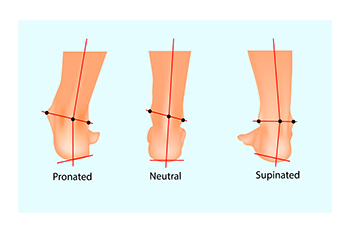
Pronation refers to the natural inward movement of the foot during walking or running, which helps absorb shock and distribute weight evenly. However, irregular pronation patterns, such as overpronation or underpronation, can disrupt this balance and contribute to foot and ankle discomfort. Overpronation occurs when the foot rolls excessively inward, often linked to flat arches. Meanwhile, underpronation, or supination, causes the foot to roll outward, frequently associated with high arches. Both conditions can increase stress on the foot, toes, and ankle, often leading to problems like plantar fasciitis, shin splints, or ankle sprains. A podiatrist is trained to evaluate your gait, determine the extent of pronation, and recommend solutions to improve foot alignment and support. This may include the use of custom orthotics or advice on footwear that enhances stability and reduces strain on vulnerable areas. If you are experiencing foot pain, it is suggested that you schedule an appointment with a podiatrist for an exam, diagnosis, and treatment options.
If you have any concerns about your feet, contact the podiatrists from Issaquah Foot & Ankle Specialists. Our doctors can provide the care you need to keep you pain-free and on your feet.
Biomechanics in Podiatry
Podiatric biomechanics is a particular sector of specialty podiatry with licensed practitioners who are trained to diagnose and treat conditions affecting the foot, ankle and lower leg. Biomechanics deals with the forces that act against the body, causing an interference with the biological structures. It focuses on the movement of the ankle, the foot and the forces that interact with them.
A History of Biomechanics
- Biomechanics dates back to the BC era in Egypt where evidence of professional foot care has been recorded.
- In 1974, biomechanics gained a higher profile from the studies of Merton Root, who claimed that by changing or controlling the forces between the ankle and the foot, corrections or conditions could be implemented to gain strength and coordination in the area.
Modern technological improvements are based on past theories and therapeutic processes that provide a better understanding of podiatric concepts for biomechanics. Computers can provide accurate information about the forces and patterns of the feet and lower legs.
Understanding biomechanics of the feet can help improve and eliminate pain, stopping further stress to the foot.
If you have any questions please feel free to contact one of our offices located in Issaquah, WA . We offer the newest diagnostic and treatment technologies for all your foot and ankle needs.
When Are Custom Orthotics the Right Choice?
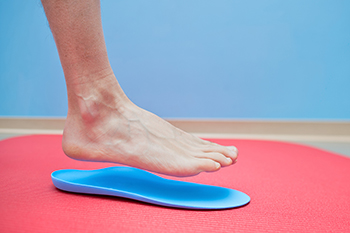
Custom orthotics can be especially beneficial for individuals with specific foot issues or unique needs. For example, those with significantly flat feet, advanced arthritis-related foot deformities, or diabetes may find essential support and pain relief with orthotic devices tailored to their condition. Diabetic patients, in particular, face a higher risk of foot complications due to reduced sensation and circulation, increasing the likelihood of developing sores or ulcers. If you have foot problems, it is suggested that you visit a podiatrist for an assessment of your feet and a discussion of how custom orthotics can address specific health concerns, improve mobility, and enhance overall foot health.
Our feet carry us through every part of life, absorbing the impact of thousands of steps each day. When they are not properly supported, the effects can extend far beyond the feet themselves. Custom orthotics provide the foundation the body needs by aligning, cushioning, and stabilizing each foot in its most natural position. They are carefully crafted to match the unique structure of each individual’s feet, allowing them to move efficiently and comfortably while reducing stress on the muscles, joints, and ligaments.
Proper foot support is essential for maintaining balance and preventing fatigue. Without it, the body compensates by shifting weight unevenly, which can lead to discomfort in the ankles, knees, hips, or lower back. Custom orthotics help restore this balance by redistributing pressure and promoting a more natural walking pattern. They not only ease existing pain but also protect against future strain or injury by supporting the arches and controlling excessive motion.
Unlike store-bought insoles, custom orthotics are created through detailed assessment and advanced technology to provide precise correction and comfort. They fit seamlessly into most shoes, making them ideal for daily wear, work, or sports.
If your feet feel tired, sore, or unsupported, it is recommended that you contact our office for more information, or to make an appointment.
If you have any questions please contact one of our offices located in Issaquah, WA .
Chronic Kidney Disease and the Feet
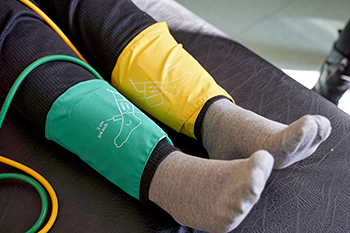
Chronic kidney disease, or CKD, has a significant impact on foot health, often leading to complications that require vigilant care. Poor kidney function affects blood flow and can contribute to peripheral artery disease, reducing circulation to the legs and feet. This diminished blood flow slows the healing process, increasing the risk of ulcers, especially in people with diabetes, a common condition in CKD patients. Reduced kidney function also leads to fluid retention, causing swelling in the feet and ankles, which can be painful and limit mobility. Additionally, CKD affects the body’s ability to regulate calcium and phosphorus, weakening bones and potentially causing fractures in the feet. Since CKD can dull sensation due to nerve damage, it may delay the detection of injuries or infections. If you have chronic kidney disease, it is suggested that you include a podiatrist on your team of doctors as regular foot exams and preventive care are essential for the best quality of life.
When dealing with systemic disease of the feet, it is extremely important to check the affected areas routinely so that any additional problems are caught quickly. If you have any concerns about your feet and ankles contact the podiatrists from Issaquah Foot & Ankle Specialists. Our doctors will assist you with all of your podiatric needs.
Systemic Diseases of the Feet
Systemic diseases affect the whole body, and symptoms usually are displayed in the feet. This condition can make a patient’s ability to walk unbearable. Systemic diseases include gout, diabetes mellitus, neurological disorders, and arthritis.
Gout – is caused by an excess of uric acid in the body. Common symptoms include pain, inflammation, and redness at the metatarsal/phalangeal joint of the base big toe. Gout can be treated by NSAIDs to relieve pain and inflammation, and other drugs that lower the acid levels in the body.
Diabetes mellitus – is an increase in the level of blood sugar that the body cannot counteract with its own insulin. Failure to produce enough insulin is a factor in Diabetes.
Diabetes of the Feet
Diabetic Neuropathy – may lead to damaged nerves and affect the feet through numbness and loss of sensation.
Peripheral Vascular Disease – can restrict the blood flow to the feet, and often times lead to amputation of the feet.
If you have any questions please contact one of our offices located in Issaquah, WA . We offer the newest diagnostic and treatment technologies for all your foot and ankle needs.
Overview of Bunions
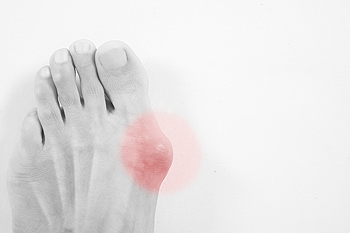
A bunion is a bony bump that forms at the base of the big toe, caused by a misalignment of the toe joint. As the big toe moves inward, the joint sticks out, causing pain, redness, and swelling. Symptoms of bunions can range from mild discomfort to severe pain, making it difficult to wear certain shoes or walk for long periods. In some cases, bunions may also cause corns or calluses to form on the toes. The primary causes of bunions include wearing tight or ill-fitting shoes, genetics, and certain medical conditions like arthritis. To prevent bunions, it is important to wear shoes that provide enough room for the toes, particularly shoes with a wide toe box. Regular foot exercises to strengthen and stretch the muscles in the feet can also help reduce the risk of developing bunions. If you have a bunion, it is suggested that you consult a podiatrist who can monitor its development, and offer effective relief tips.
If you are suffering from bunion pain, contact the podiatrists of Issaquah Foot & Ankle Specialists. Our doctors can provide the care you need to keep you pain-free and on your feet.
What Is a Bunion?
Bunions are painful bony bumps that usually develop on the inside of the foot at the joint of the big toe. As the deformity increases over time, it may become painful to walk and wear shoes. Women are more likely to exacerbate existing bunions since they often wear tight, narrow shoes that shift their toes together. Bunion pain can be relieved by wearing wider shoes with enough room for the toes.
Causes
- Genetics – some people inherit feet that are more prone to bunion development
- Inflammatory Conditions - rheumatoid arthritis and polio may cause bunion development
Symptoms
- Redness and inflammation
- Pain and tenderness
- Callus or corns on the bump
- Restricted motion in the big toe
In order to diagnose your bunion, your podiatrist may ask about your medical history, symptoms, and general health. Your doctor might also order an x-ray to take a closer look at your feet. Nonsurgical treatment options include orthotics, padding, icing, changes in footwear, and medication. If nonsurgical treatments don’t alleviate your bunion pain, surgery may be necessary.
If you have any questions, please feel free to contact one of our offices located in Issaquah, WA . We offer the newest diagnostic and treatment technologies for all your foot care needs.
Do You Suffer From Painful Feet?

Painful deformities, such as hammertoes, can be treated. Stop living with foot pain, and have beautiful feet again!
