




March 2021
Running, Warming Up And Cooling Down
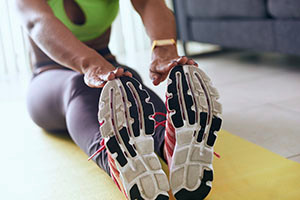 The benefits of exercising generally affects the overall body. Preventing running injuries is important in keeping the body strong, and can be accomplished in several ways. These can include properly stretching and warming up before any running activity begins, and cooling down when it is completed. It is beneficial to practice running that coincides with your fitness level, and wearing shoes that fit correctly may help to prevent painful running injuries. Many people who enjoy running often find it is helpful to gradually increase the time, mileage, and type of running that is pursued. If you would like more information about how running injuries can affect the feet, and how to prevent them, please schedule a consultation with a podiatrist.
Exercising your feet regularly with the proper foot wear is a great way to prevent injuries. If you have any concerns about your feet, contact the podiatrists of Issaquah Foot & Ankle Specialists. Our doctors will treat your foot and ankle needs.
How to Prevent Running Injuries
Many common running injuries are caused by overuse and overtraining. When the back of the kneecap starts wearing out and starts causing pain in your knee, this is commonly referred to as runner’s knee. Runner’s knee is a decrease in strength in your quadriceps and can occur if you’re not wearing properly fitted or supporting shoes. To prevent runner’s knee, focusing on hip strengthening is a good idea, as well as strengthening your quads to keep the kneecaps aligned.
What Are Some Causes of Running Injuries?
- One cause of a common running injury is called iliotibial band syndrome.
- Plantar fasciitis is also another common injury.
- Stress fractures can occur from overtraining, lack of calcium, or even your running style.
Best Ways to Prevent Running Injuries
- Wear footwear that fits properly and suits your running needs.
- Running shoes are the only protective gear that runners have to safeguard them from injury.
- Make a training schedule. Adding strengthening exercises as well as regular stretching can help keep you strong and limber and can lessen the possibility of injuries.
- Stretching keeps muscles limber; this will help you gain better flexibility.
If you have any questions, please feel free to contact one of our offices located in Issaquah, WA . We offer the newest diagnostic and treatment technologies for all your foot care needs.
Living With Flat Feet
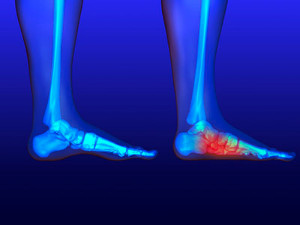 Having flat feet, defined as feet that do not have a visible arch in the sole while standing, can sometimes cause foot problems to arise. While many people have flat feet and do not experience any negative effects, others may find that they have foot pain, fatigue easily, or have an abnormal walking pattern. Fortunately, there are steps you can take to make living with flat feet more comfortable. Over the counter and custom orthotic inserts can be worn in the shoes to provide more cushioning and support to your flat feet as you go about your daily activities. Stretching and strengthening the feet with simple foot exercises can also help to reduce pain and discomfort. For more information about flat feet, please consult with a podiatrist.
Flatfoot is a condition many people suffer from. If you have flat feet, contact the podiatrists from Issaquah Foot & Ankle Specialists. Our doctors will treat your foot and ankle needs.
What Are Flat Feet?
Flatfoot is a condition in which the arch of the foot is depressed and the sole of the foot is almost completely in contact with the ground. About 20-30% of the population generally has flat feet because their arches never formed during growth.
Conditions & Problems:
Having flat feet makes it difficult to run or walk because of the stress placed on the ankles.
Alignment – The general alignment of your legs can be disrupted, because the ankles move inward which can cause major discomfort.
Knees – If you have complications with your knees, flat feet can be a contributor to arthritis in that area.
Symptoms
- Pain around the heel or arch area
- Trouble standing on the tip toe
- Swelling around the inside of the ankle
- Flat look to one or both feet
- Having your shoes feel uneven when worn
Treatment
If you are experiencing pain and stress on the foot you may weaken the posterior tibial tendon, which runs around the inside of the ankle.
If you have any questions, please feel free to contact one of our offices located in Issaquah, WA . We offer the newest diagnostic and treatment technologies for all your foot care needs.
Dr. Brandon Nelson Discusses Forefoot Capsulitis/Neuroma
Forefoot pain is a very common presenting symptom for patients at our office. We see a lot of people that have returned to activities or started a new exercise program that come in with forefoot discomfort. There are many different causes of forefoot pain. However, the most common are capsulitis and neuromas.
Capsulitis
Capsuilitis is an inflammation of the joint and, in the foot specifically, an inflammation of the metatarsal phalangeal joint. Capsulitis often can present with some swelling to the forefoot and the pain goes away with rest often times. Patients often describe it as a dual ache or throbbing like sensation, additionally there is usually underlying foot pathology that contributed to this. Where the most common other presenting pathology with forefoot capsulitis is a bunion deformity. We see a lot of people with large bunion deformities that are overloading the forefoot getting a considerable amount of discomfort daily. It is important to have an x-ray in order to rule out additional causes like stress fractures and arthritis.
Neuromas
Neuromas involve an inflammation of your nerves. Typically we see this pathology with, but not limited to, people between the ages of 40 and 60. Neuromas will typically present with burning or sharp shooting type pain. Most patients will relate that the pain is relieved by staying off of the foot or by taking off their shoe and rubbing the foot. The most common space for neuroma is the third interspace we typically will be able to isolate this pathology with palpation. However I do recommend an x-ray to rule out other causes as well.
Issaquah Foot and Ankle Specialists provides the most advanced care to all walks of life. We see pediatric patients all the way to geriatric patients. We treat all of our patients like family and look forward to helping you with your foot and ankle care.
Give us a call today at 425-391-8666 or make an appointment online.
Heel Pain Can Be Treated!

Do you suffer from heel pain when you get up in the morning? If so, you should seek professional help and have a proper diagnosis performed. Heel pain can be caused by several different foot-related conditions.
Off-the-Shelf vs. Custom-Made Foot Orthotics
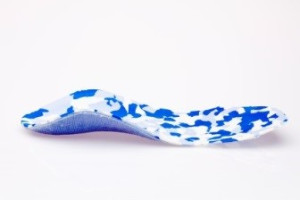 When you are experiencing foot pain, any relief is welcome. Pre-made shoe inserts (foot orthotics) purchased at the drug store can alleviate discomfort for some people. There are also custom-made foot orthotics which go a step further. A podiatrist first determines the cause of your foot pain, and creates either a 3D model or takes an impression of your actual feet. Then, a customized foot orthotic is created to fit you and treat the specific nature of your pain. These made-to-order orthotics can benefit patients with conditions such as plantar fasciitis, bunions, high arches and various forms of arthritis. If you are experiencing pain in one or both of your feet, don’t suffer in silence. It is suggested that you call a podiatrist to see if foot orthotics can improve your quality of life.
If you are having discomfort in your feet and would like to try orthotics, contact the podiatrists from Issaquah Foot & Ankle Specialists. Our doctors can provide the care you need to keep you pain-free and on your feet.
What Are Orthotics?
Orthotics are inserts you can place into your shoes to help with a variety of foot problems such as flat feet or foot pain. Orthotics provide relief and comfort for minor foot and heel pain but can’t correct serious biomechanical problems in your feet.
Over-the-Counter Inserts
Orthotics come in a wide variety of over-the-counter inserts that are used to treat foot pain, heel pain, and minor problems. For example, arch supports can be inserted into your shoes to help correct overarched or flat feet, while gel insoles are often used because they provide comfort and relief from foot and heel pain by alleviating pressure.
Prescription Orthotics
If over-the-counter inserts don’t work for you or if you have a more severe foot concern, it is possible to have your podiatrist prescribe custom orthotics. These high-quality inserts are designed to treat problems such as abnormal motion, plantar fasciitis, and severe forms of heel pain. They can even be used to help patients suffering from diabetes by treating foot ulcers and painful calluses and are usually molded to your feet individually, which allows them to provide full support and comfort.
If you are experiencing minor to severe foot or heel pain, it’s recommended to speak with your podiatrist about the possibilities of using orthotics. A podiatrist can determine which type of orthotic is right for you and allow you to take the first steps towards being pain-free.
If you have any questions, please feel free to contact one of our offices located in Issaquah, WA . We offer the newest diagnostic and treatment technologies for all your foot care needs.
How to Care for Ankle Sprains and Strains
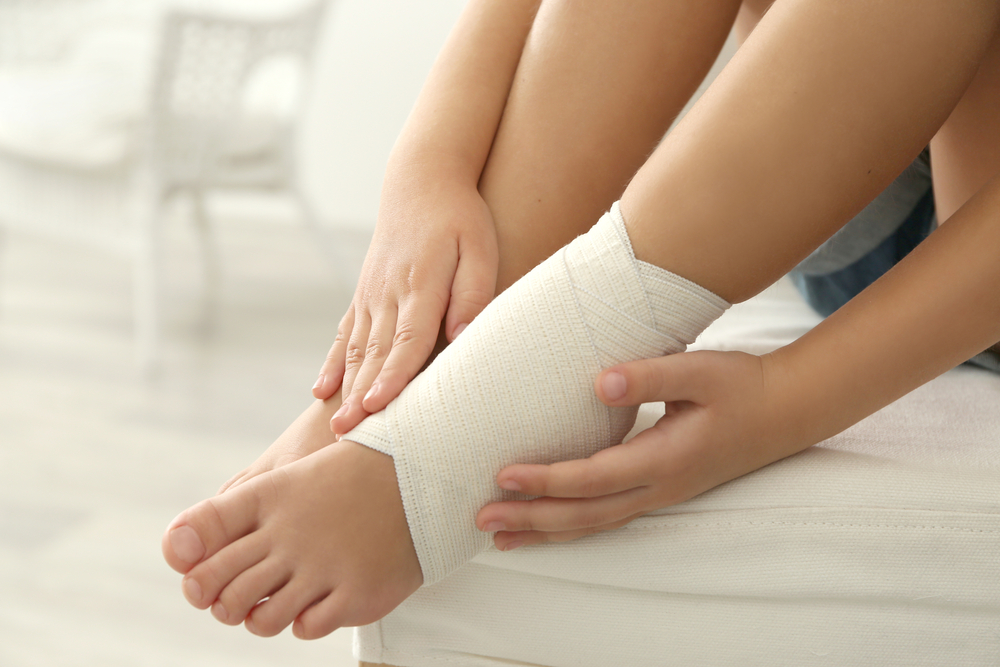 A sprained or strained ankle is a common injury. While full recovery can take between 6 to 8 weeks, there are steps that you can take at home to encourage healing. Wrapping the ankle with a bandage can support it during short, necessary activities, like walking from room to room. Applying ice to the injured area can reduce pain and swelling. Resting the ankle is important to avoid aggravating the injury, and the ankle should be elevated while you rest. Taking nonsteroidal anti-inflammatory medications can also help reduce pain. For best results, it is important to follow the instructions of your doctor. If you have injured your ankle, it is recommended that you see a podiatrist for treatment.
Although ankle sprains are common, they aren’t always minor injuries. If you need your ankle injury looked at, contact the podiatrists from Issaquah Foot & Ankle Specialists. Our doctors can provide the care you need to keep you pain-free and on your feet.
How Does an Ankle Sprain Occur?
Ankle sprains are the result of a tear in the ligaments within the ankle. These injuries may happen when you make a rapid shifting movement while your foot is planted. A less common way to sprain your ankle is when your ankle rolls inward while your foot turns outward.
What Are the Symptoms?
- Pain at the sight of the tear
- Bruising/Swelling
- Ankle area is tender to touch
- In severe cases, may hear/feel something tear
- Skin discoloration
Preventing a Sprain
- Wearing appropriate shoes for the occasion
- Stretching before exercises and sports
- Knowing your limits
Treatment of a Sprain
In many cases, the RICE method (Rest, Ice, Compression, and Elevate) is used to treat ankle sprains. However, you should see a podiatrist to see which treatment option would work best with your injury. In severe cases, surgery may be required.
It is important to ask your doctor about rehab options after you receive treatment for your injury. Stretching, strength training, and balance exercises may help the ankle heal while also preventing further injury.
If you have any questions, please feel free to contact one of our offices located in Issaquah, WA . We offer the newest diagnostic and treatment technologies for all your foot care needs.
How Seniors Can Care for Their Feet
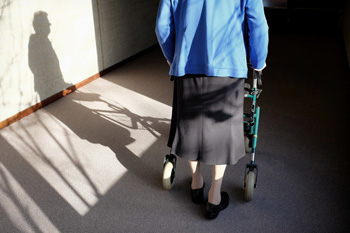 Because the foot is made up of 26 bones, plus a variety of tendons, ligaments, muscles and joints, proper foot care is very important. As our bodies age, the feet experience a lot of wear and tear and other chronic health conditions begin to develop. Therefore, foot care becomes even more important for seniors. Seniors should do daily foot checks to monitor sores, cracks and cuts as well as check for infections. They should also wash their feet daily and make sure that they are dried thoroughly. Keeping the toenails trimmed straight across can help to prevent ingrown toenails. Shoes should fit properly and help protect the feet from extreme hot or cold temperatures. Moisturizing cream should be used to help keep the skin soft. Seniors who are dealing with corns, calluses, bunions or any other foot related issues should visit a podiatrist for proper care.
Proper foot care is something many older adults forget to consider. If you have any concerns about your feet and ankles, contact the podiatrists from Issaquah Foot & Ankle Specialists. Our doctors can provide the care you need to keep you pain-free and on your feet.
The Elderly and Their Feet
As we age we start to notice many changes in our body, but the elder population may not notice them right away. Medical conditions may prevent the elderly to take notice of their foot health right away. Poor vision is a lead contributor to not taking action for the elderly.
Common Conditions
- Neuropathy – can reduce feeling in the feet and can hide many life-threatening medical conditions.
- Reduced flexibility – prevents the ability of proper toenail trimming, and foot cleaning. If left untreated, it may lead to further medical issues.
- Foot sores – amongst the older population can be serious before they are discovered. Some of the problematic conditions they may face are:
- Gouging toenails affecting nearby toe
- Shoes that don’t fit properly
- Pressure sores
- Loss of circulation in legs & feet
- Edema & swelling of feet and ankles
Susceptible Infections
Diabetes and poor circulation can cause general loss of sensitivity over the years, turning a simple cut into a serious issue.
If you have any questions, please feel free to contact one of our offices located in Issaquah, WA . We offer the newest diagnostic and treatment technologies for all your foot care needs.
