




July 2024
Key Facts About Foot Stress Fractures
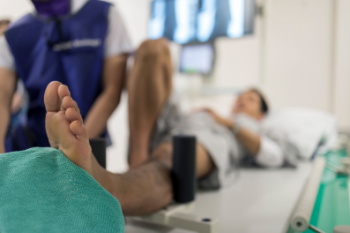 Foot stress fractures are tiny cracks, usually found in the long bones of the foot, that result from repetitive force or overuse. These fractures often occur in athletes and individuals who engage in high-impact activities like running or jumping. Risk factors can include a sudden increase in activity intensity, wearing improper footwear, and conditions like osteoporosis that weaken bones. Stress fractures develop when muscles become fatigued and lose their ability to absorb shock, transferring the impact to the bones. Common sites for these fractures are the metatarsal bones, which bear significant weight during movement. Symptoms often include pain, swelling, and tenderness that worsen with activity. Early diagnosis is vital for healing and preventing further complications. If you have foot pain after bouts of exercise, it is suggested that you contact a podiatrist who can accurately diagnose and treat stress fractures.
Activities where too much pressure is put on the feet can cause stress fractures. To learn more, contact the podiatrists from Issaquah Foot & Ankle Specialists. Our doctors can provide the care you need to keep your pain free and on your feet.
Dealing with Stress Fractures of the Foot and Ankle
Stress fractures occur in the foot and ankle when muscles in these areas weaken from too much or too little use. The feet and ankles then lose support when walking or running from the impact of the ground. Since there is no protection, the bones receive the full impact of each step. Stress on the feet can cause cracks to form in the bones, thus creating stress fractures.
What Are Stress Fractures?
Stress fractures occur frequently in individuals whose daily activities cause great impact on the feet and ankles. Stress factors are most common among:
- Runners
- People affected with Osteoporosis
- Tennis or basketball players
- Gymnasts
- High impact workouts
Symptoms
Pain from the fractures occur in the area of the fractures and can be constant or intermittent. It will often cause sharp or dull pain with swelling and tenderness. Engaging in any kind of activity which involves high impact will aggravate pain.
If you have any questions please contact one of our offices located in Issaquah, WA . We offer the newest diagnostic and treatment technologies for all your foot and ankle needs.
Causes of Toenail Fungus
 Toenail fungus, also known as onychomycosis, is caused by a fungal infection. It can also be triggered by psoriasis, a chronic autoimmune skin disorder that affects the skin and nails, causing thickening, scaling, and inflammation. When psoriasis affects the nails, it can create pits, ridges, and discoloration, making them more likely to develop a fungal infection. Fungi thrive in warm, moist environments, such as sweaty socks and shoes. Additionally, fungi can be picked up by walking barefoot in communal spaces, such as locker rooms or swimming pool areas. Individuals with a weakened immune system, diabetes, or poor circulation are more likely to develop issues with toenail fungus. Injuries to the toenail, such as ongoing pressure or trauma, may provide opportunities for fungi to infect the nail bed. Practicing good foot hygiene, wearing breathable footwear, and avoiding walking barefoot in public areas can help prevent exposure to toenail fungus. If an infection occurs, it is suggested to seek prompt treatment from a podiatrist to prevent it from spreading and to restore the health of your toenails.
If left untreated, toenail fungus may spread to other toenails, skin, or even fingernails. If you suspect you have toenail fungus it is important to seek treatment right away. For more information about treatment, contact the podiatrists of Issaquah Foot & Ankle Specialists. Our doctors can provide the care you need to keep you pain-free and on your feet.
Symptoms
- Warped or oddly shaped nails
- Yellowish nails
- Loose/separated nail
- Buildup of bits and pieces of nail fragments under the nail
- Brittle, broken, thickened nail
Treatment
If self-care strategies and over-the-counter medications does not help your fungus, your podiatrist may give you a prescription drug instead. Even if you find relief from your toenail fungus symptoms, you may experience a repeat infection in the future.
Prevention
In order to prevent getting toenail fungus in the future, you should always make sure to wash your feet with soap and water. After washing, it is important to dry your feet thoroughly especially in between the toes. When trimming your toenails, be sure to trim straight across instead of in a rounded shape. It is crucial not to cover up discolored nails with nail polish because that will prevent your nail from being able to “breathe”.
In some cases, surgical procedure may be needed to remove the toenail fungus. Consult with your podiatrist about the best treatment options for your case of toenail fungus.
If you have any questions please contact one of our offices located in Issaquah, WA . We offer the newest diagnostic and treatment technologies for all your foot and ankle needs.
Custom Orthotics Can Be Used In Stylish Footwear

Who said style can't be comfortable? With Custom Orthotics, you get the best of both worlds. Slip them into your favorite fashionable shoes and feel the difference. They mold to your feet, offering support without compromising on style. No more choosing between looking good and feeling great. With Custom Orthotics, step out in style and comfort every day. Contact our office to learn more!
Gout and Its Impact on Women
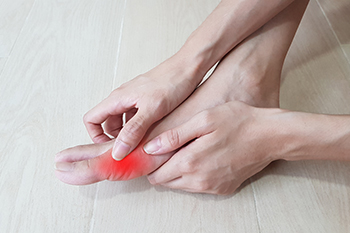 Gout, a form of arthritis caused by the buildup of uric acid crystals in the joints, affects both men and women, though it is more prevalent in men. However, women are increasingly affected, especially after menopause. Before menopause, estrogen helps to lower uric acid levels, providing a protective effect. After menopause, the decline in estrogen levels leads to higher uric acid levels, increasing the risk of gout. Women with gout often experience symptoms in different joints compared to men, with a higher likelihood of affecting the knees and wrists. Additionally, women may face a delayed diagnosis, as gout is traditionally associated with men. Understanding the gender differences in gout can lead to better awareness and treatment options for women, ensuring timely management and improved quality of life. Gout generally affects the joints and the big toe and can produce a significant amount of pain and discomfort. If you have this type of foot pain, it is strongly suggested that you visit a podiatrist who can help you to manage this condition.
Gout is a foot condition that requires certain treatment and care. If you are seeking treatment, contact the podiatrists from Issaquah Foot & Ankle Specialists. Our doctors will treat your foot and ankle needs.
What Is Gout?
Gout is a type of arthritis caused by a buildup of uric acid in the bloodstream. It often develops in the foot, especially the big toe area, although it can manifest in other parts of the body as well. Gout can make walking and standing very painful and is especially common in diabetics and the obese.
People typically get gout because of a poor diet. Genetic predisposition is also a factor. The children of parents who have had gout frequently have a chance of developing it themselves.
Gout can easily be identified by redness and inflammation of the big toe and the surrounding areas of the foot. Other symptoms include extreme fatigue, joint pain, and running high fevers. Sometimes corticosteroid drugs can be prescribed to treat gout, but the best way to combat this disease is to get more exercise and eat a better diet.
If you have any questions, please feel free to contact one of our offices located in Issaquah, WA . We offer the newest diagnostic and treatment technologies for all your foot care needs.
Custom Orthotics Are a Safer Fit
 Orthotics are specialized devices designed to support and enhance the function of the feet, aiding in the alignment, movement, and pressure distribution across the foot. These devices come in various forms, including insoles, arch supports, and heel cups, and can be classified into three main types known as functional, accommodative, and therapeutic. Functional orthotics are crafted to correct abnormal foot mechanics, accommodative orthotics provide additional cushioning and support for comfort, and therapeutic orthotics address specific medical conditions like diabetes or arthritis. Orthotics are used to alleviate discomfort, improve gait, and prevent or treat various foot conditions, such as plantar fasciitis, bunions, and flat feet. While off-the-shelf orthotics offer a general solution, custom orthotics provide a tailored fit, addressing the unique contours and needs of an individual's feet. This personalized approach ensures optimal comfort and effectiveness, reducing the risk of improper fitting associated with generic options. If you would like to discuss custom orthotics further, it is suggested that you make an appointment with a podiatrist for a consultation.
Custom orthotics are specialized shoe inserts created to support and align the feet according to each person’s unique structure and walking pattern. They are an effective way to relieve foot discomfort caused by conditions such as flat feet, high arches, plantar fasciitis, bunions, and heel pain. When the natural alignment of the foot is off balance, it can lead to pressure points, strain, and pain that affect how a person stands, walks, and moves. Orthotics work by redistributing weight evenly and supporting the arch to reduce stress on the muscles, tendons, and joints of the feet and lower legs.
Foot discomfort can develop for many reasons, including wearing improper footwear, long hours of standing, repetitive motion, or underlying structural problems. Over time, this discomfort can extend beyond the feet, contributing to knee, hip, or lower back pain. Custom orthotics help correct these issues by improving alignment and promoting more efficient movement. They are made using precise measurements and imaging to ensure the best fit for each patient, providing targeted support and cushioning where it is needed most.
Unlike generic insoles, custom orthotics are durable, medically designed, and tailored to your specific needs. Whether you are managing chronic pain, recovering from an injury, or simply seeking better comfort and stability, orthotics can make a noticeable difference in how your feet feel throughout the day.
If you are experiencing persistent foot discomfort or fatigue, it may be time to have your feet evaluated by a podiatrist. Call our office today for more information or to schedule an appointment.
If you have any questions, please feel free to contact one of our offices located in Issaquah, WA .
Common Warning Signs of Poor Foot Circulation

Poor foot circulation is a serious issue that can lead to various health complications if left untreated. Common warning signs include persistent coldness in the feet, even in warm environments. Numbness or tingling sensations, often described as pins and needles, can indicate circulation problems. Discoloration, such as a bluish or pale hue, may also be a sign of reduced blood flow. Swelling in the feet and ankles is another common symptom. Additionally, slow-healing sores or wounds on the feet can indicate poor circulation, as the necessary nutrients and oxygen are not efficiently reaching the area. Cramping or pain in the legs and feet, especially during physical activity, is another key indicator. Poor foot circulation can indicate serious health issues. If you have this condition, it is suggested that you visit a podiatrist who can determine what the reason is, and offer effective management tips.
Poor circulation is a serious condition and needs immediate medical attention. If you have any concerns with poor circulation in your feet contact the podiatrists of Issaquah Foot & Ankle Specialists. Our doctors will treat your foot and ankle needs.
Poor Circulation in the Feet
Poor blood circulation in the feet and legs is can be caused by peripheral artery disease (PAD), which is the result of a buildup of plaque in the arteries.
Plaque buildup or atherosclerosis results from excess calcium and cholesterol in the bloodstream. This can restrict the amount of blood which can flow through the arteries. Poor blood circulation in the feet and legs are sometimes caused by inflammation in the blood vessels, known as vasculitis.
Causes
Lack of oxygen and oxygen from poor blood circulation restricts muscle growth and development. It can also cause:
- Muscle pain, stiffness, or weakness
- Numbness or cramping in the legs
- Skin discoloration
- Slower nail & hair growth
- Erectile dysfunction
Those who have diabetes or smoke are at greatest risk for poor circulation, as are those who are over 50. If you have poor circulation in the feet and legs it may be caused by PAD and is important to make changes to your lifestyle in order to reduce risk of getting a heart attack or stroke. Exercise and maintaining a healthy lifestyle will dramatically improve conditions.
As always, see a podiatrist as he or she will assist in finding a regimen that suits you. A podiatrist can also prescribe you any needed medication.
If you have any questions, please feel free to contact one of our offices located in Issaquah, WA . We offer the newest diagnostic and treatment technologies for all your foot care needs.
Are You Suffering From Ingrown Toenails?

If left untreated, an ingrown toenail can lead to more serious concerns, such as an infection. Knowing proper nail care can help in the prevention of an ingrown toenail. Give us a call, and get treated!
Pretty Feet for Summer
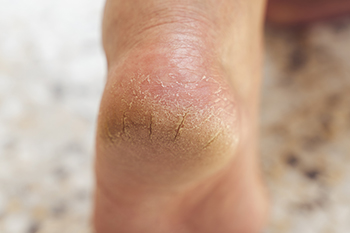 Dry, cracked heels can be an uncomfortable and unsightly problem, particularly in sandal and open-heel season. This condition occurs when the skin on the heels becomes excessively dry, often due to factors like prolonged standing, wearing open-backed shoes, or insufficient moisture. More severe causes can include medical conditions such as diabetes or thyroid problems. Dry, cracked heels feel rough, and the skin may become thickened or develop painful fissures. To treat and prevent this issue, start by moisturizing your feet daily with a rich, emollient cream, focusing on the heel area. Exfoliate regularly with a pumice stone to remove dead skin. Soaking your feet in warm water with Epsom salts can also help soften the skin. Wearing supportive, closed-back shoes and using heel balms can prevent cracks from worsening. If you have a persistent case of cracked heels, it is suggested that you visit a podiatrist for treatment and tips on how to keep your feet looking their best.
Cracked heels are unsightly and can cause further damage to your shoes and feet. If you have any concerns, contact the podiatrists from Issaquah Foot & Ankle Specialists. Our doctors can provide the care you need to keep you pain-free and on your feet.
Cracked Heels
Cracked heels appear unappealing and can make it harder for you walk around in sandals. Aside from looking unpleasant, cracked heels can also tear stockings, socks, and wear out your shoes. There are several methods to help restore a cracked heel and prevent further damage.
How Do You Get Them?
Dry skin is the number one culprit in creating cracked heels. Many athletes, walkers, joggers, and even swimmers suffer from cracked heels. Age and skin oil production play a role to getting cracked heels as well.
Promote Healing
Over the counter medicines can help, especially for those that need instant relief or who suffer from chronic dry feet.
Wear Socks – Wearing socks with medicated creams helps lock in moisture.
Moisturizers – Applying both day and night will help alleviate dryness which causes cracking.
Pumice Stones – These exfoliate and remove dead skin, which allows for smoother moisturizer application and better absorption into the skin.
Change in Diet
Eating healthy with a well-balanced diet will give the skin a fresh and radiant look. Your body responds to the kinds of food you ingest. Omega-3 fatty acids and zinc supplements can also revitalize skin tissue.
Most importantly, seek professional help if unsure how to proceed in treating cracked heels. A podiatrist will help you with any questions or information needed.
If you have any questions, please feel free to contact one of our offices located in Issaquah, WA . We offer the newest diagnostic and treatment technologies for all your foot care needs.
