




October 2020
An Exercise to Reduce Ankle Swelling
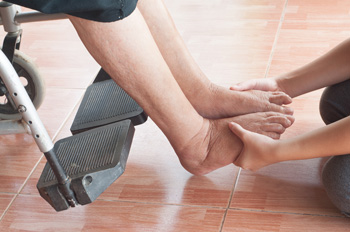 Many older adults suffer from swelling in the feet and ankles. This swelling can reduce mobility, make falls more likely to occur, and decrease overall comfort. Doing simple exercises can help reduce swelling in the lower limbs by helping the body pump fluids up from the feet and back into the center area of the body. Once the excess fluid is in the trunk of the body, it can be eliminated via urine. A simple exercise that you can do at home to reduce swelling in the ankles is ankle pumps. To do this exercise, lie down and elevate the feet. Moving only the feet, point your toes up towards your head, and then down away from your head. Go back and forth 30 times, completing this exercise three times per day. For more information about what you can do to reduce swelling in the lower limbs, consult with a podiatrist today.
Proper foot care is something many older adults forget to consider. If you have any concerns about your feet and ankles, contact the podiatrists from Issaquah Foot & Ankle Specialists. Our doctors can provide the care you need to keep you pain-free and on your feet.
The Elderly and Their Feet
As we age we start to notice many changes in our body, but the elder population may not notice them right away. Medical conditions may prevent the elderly to take notice of their foot health right away. Poor vision is a lead contributor to not taking action for the elderly.
Common Conditions
- Neuropathy – can reduce feeling in the feet and can hide many life-threatening medical conditions.
- Reduced flexibility – prevents the ability of proper toenail trimming, and foot cleaning. If left untreated, it may lead to further medical issues.
- Foot sores – amongst the older population can be serious before they are discovered. Some of the problematic conditions they may face are:
- Gouging toenails affecting nearby toe
- Shoes that don’t fit properly
- Pressure sores
- Loss of circulation in legs & feet
- Edema & swelling of feet and ankles
Susceptible Infections
Diabetes and poor circulation can cause general loss of sensitivity over the years, turning a simple cut into a serious issue.
If you have any questions, please feel free to contact one of our offices located in Issaquah, WA . We offer the newest diagnostic and treatment technologies for all your foot care needs.
Plantar Hyperhidrosis May Increase the Risk of Other Foot Conditions
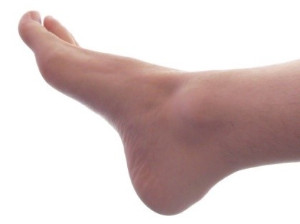 Patients who have excessively sweaty feet may experience a condition that is referred to as plantar hyperhidrosis. This ailment can occur as a result of overactive sweat glands which produce sweat when cooling the body is not necessary. Plantar hyperhidrosis may increase the risk for other foot conditions to develop, including athlete’s foot, warts, and corns. Additionally, shoes may fall off of your feet due to the excess sweat making them slippery, and there may be a strong odor that comes from the feet and shoes. If you are afflicted with plantar hyperhidrosis, it is suggested that you speak with a podiatrist who can determine what the best treatment is for you.
If you are suffering from hyperhidrosis contact the podiatrists of Issaquah Foot & Ankle Specialists. Our doctors can provide the care you need to attend to all of your foot and ankle needs.
Hyperhidrosis of the Feet
Hyperhidrosis is a rare disorder that can cause people to have excessive sweating of their feet. This can usually occur all on its own without rigorous activity involved. People who suffer from hyperhidrosis may also experience sweaty palms.
Although it is said that sweating is a healthy process meant to cool down the body temperature and to maintain a proper internal temperature, hyperhidrosis may prove to be a huge hindrance on a person’s everyday life.
Plantar hyperhidrosis is considered to be the main form of hyperhidrosis. Secondary hyperhidrosis can refer to sweating that occurs in areas other than the feet or hands and armpits. Often this may be a sign of it being related to another medical condition such as menopause, hyperthyroidism and even Parkinson’s disease.
In order to alleviate this condition, it is important to see your doctor so that they may prescribe the necessary medications so that you can begin to live a normal life again. If this is left untreated, it is said that it will persist throughout an individual’s life.
A last resort approach would be surgery, but it is best to speak with your doctor to find out what may be the best treatment for you.
If you have any questions, please feel free to contact one of our offices located in Issaquah, WA . We offer the newest diagnostic and treatment technologies for all your foot care needs.
Symptoms of Morton’s Neuroma
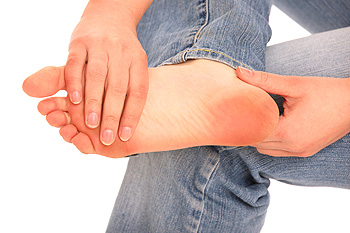 Many patients feel pain in the ball of their foot when the medical condition that is known as Morton’s neuroma exists. Additional symptoms can include a tingling or numbing sensation, and it may feel like there is a small stone or pebble in your shoe. It is an ailment that typically develops gradually and may occur from wearing shoes that do not fit correctly. There may also be medical conditions that can cause Morton’s neuroma. These can consist of having flat feet, bunions, hammertoes, or high arches. Mild relief may be found when wearing custom-made orthotics, shoes that are worn have adequate room in the toe area, or from getting foot massages that target the affected area. If you have symptoms of Morton’s neuroma, it is recommended that you speak with a podiatrist who can effectively treat this condition.
Morton’s neuroma is a very uncomfortable condition to live with. If you think you have Morton’s neuroma, contact the podiatrists of Issaquah Foot & Ankle Specialists. Our doctors will attend to all of your foot care needs and answer any of your related questions.
Morton’s Neuroma
Morton's neuroma is a painful foot condition that commonly affects the areas between the second and third or third and fourth toe, although other areas of the foot are also susceptible. Morton’s neuroma is caused by an inflamed nerve in the foot that is being squeezed and aggravated by surrounding bones.
What Increases the Chances of Having Morton’s Neuroma?
- Ill-fitting high heels or shoes that add pressure to the toe or foot
- Jogging, running or any sport that involves constant impact to the foot
- Flat feet, bunions, and any other foot deformities
Morton’s neuroma is a very treatable condition. Orthotics and shoe inserts can often be used to alleviate the pain on the forefront of the feet. In more severe cases, corticosteroids can also be prescribed. In order to figure out the best treatment for your neuroma, it’s recommended to seek the care of a podiatrist who can diagnose your condition and provide different treatment options.
If you have any questions, please feel free to contact one of our offices located in Issaquah, WA . We offer the newest diagnostic and treatment technologies for all your foot care needs.
Plantar Warts Can Be Treated!

Plantar warts are small growths that develop on parts of the feet that bear weight. They're typically found on the bottom of the foot. Don't live with plantar warts, and call us today!
Why Do Bunions Develop?
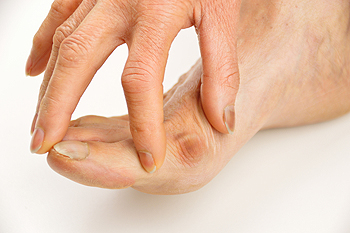 A bony bump that extends around the base of the big toe joint may be referred to as a bunion. It can be difficult to wear shoes that fit properly as it grows, and this may cause pain and discomfort. Additional symptoms can include redness, swelling, and it may interfere with accomplishing daily activities. Some of the reasons bunions develop may include inherited foot structures such as flat feet, or wearing shoes that do not fit correctly. Additional reasons can include existing medical conditions such as rheumatoid arthritis, and certain nerve conditions can also affect the feet. If the bunion is severe and causes distress throughout the day, surgery may be an option for removal. If you have developed a bunion, it is strongly suggested that you are under the care of a podiatrist who can determine the extent of the deformity and provide effective treatment options.
If you are suffering from bunion pain, contact the podiatrists of Issaquah Foot & Ankle Specialists. Our doctors can provide the care you need to keep you pain-free and on your feet.
What Is a Bunion?
Bunions are painful bony bumps that usually develop on the inside of the foot at the joint of the big toe. As the deformity increases over time, it may become painful to walk and wear shoes. Women are more likely to exacerbate existing bunions since they often wear tight, narrow shoes that shift their toes together. Bunion pain can be relieved by wearing wider shoes with enough room for the toes.
Causes
- Genetics – some people inherit feet that are more prone to bunion development
- Inflammatory Conditions - rheumatoid arthritis and polio may cause bunion development
Symptoms
- Redness and inflammation
- Pain and tenderness
- Callus or corns on the bump
- Restricted motion in the big toe
In order to diagnose your bunion, your podiatrist may ask about your medical history, symptoms, and general health. Your doctor might also order an x-ray to take a closer look at your feet. Nonsurgical treatment options include orthotics, padding, icing, changes in footwear, and medication. If nonsurgical treatments don’t alleviate your bunion pain, surgery may be necessary.
If you have any questions, please feel free to contact one of our offices located in Issaquah, WA . We offer the newest diagnostic and treatment technologies for all your foot care needs.
