




February 2025
Choosing the Right Orthotics
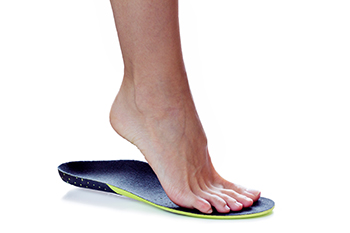
Orthotics are custom shoe inserts designed to support the feet, improve alignment, and alleviate pain. They can help with a range of issues, including flat feet, high arches, plantar fasciitis, bunions, and general foot or leg discomfort. Knowing which type of orthotic is right for you depends on your specific condition, activity level, and footwear needs. Custom orthotics, prescribed by a podiatrist, can help with mild discomfort in addition to addressing more complex or chronic problems. They are tailored to your unique foot shape and biomechanics for optimal comfort and effectiveness. To choose the right orthotic, it is suggested that you consult a podiatrist who can evaluate your gait, foot structure, and lifestyle.
If you are having discomfort in your feet and would like to try orthotics, contact the podiatrists from Issaquah Foot & Ankle Specialists. Our doctors can provide the care you need to keep you pain-free and on your feet.
What Are Orthotics?
Orthotics are inserts you can place into your shoes to help with a variety of foot problems such as flat feet or foot pain. Orthotics provide relief and comfort for minor foot and heel pain but can’t correct serious biomechanical problems in your feet.
Over-the-Counter Inserts
Orthotics come in a wide variety of over-the-counter inserts that are used to treat foot pain, heel pain, and minor problems. For example, arch supports can be inserted into your shoes to help correct overarched or flat feet, while gel insoles are often used because they provide comfort and relief from foot and heel pain by alleviating pressure.
Prescription Orthotics
If over-the-counter inserts don’t work for you or if you have a more severe foot concern, it is possible to have your podiatrist prescribe custom orthotics. These high-quality inserts are designed to treat problems such as abnormal motion, plantar fasciitis, and severe forms of heel pain. They can even be used to help patients suffering from diabetes by treating foot ulcers and painful calluses and are usually molded to your feet individually, which allows them to provide full support and comfort.
If you are experiencing minor to severe foot or heel pain, it’s recommended to speak with your podiatrist about the possibilities of using orthotics. A podiatrist can determine which type of orthotic is right for you and allow you to take the first steps towards being pain-free.
If you have any questions, please feel free to contact one of our offices located in Issaquah, WA . We offer the newest diagnostic and treatment technologies for all your foot care needs.
Custom Orthotics Help Runners Protect Their Feet
Runners, meet your game-changer: Custom Orthotics. Every stride matters, and with Custom Orthotics, you can ensure optimal foot alignment, reducing stress on joints and muscles. They help absorb shock, protect against injuries, and can even enhance your running efficiency. Whether you're sprinting short distances or conquering marathons, Custom Orthotics provide the support and balance your feet crave. Call today for more information.
The Importance of Treating Gout

Gout is a type of arthritis that causes sudden, intense pain, swelling, and redness, often in the big toe. The pain usually starts abruptly and can be severe, making it difficult to walk or even touch the affected area. This condition occurs when uric acid builds up in the blood, forming crystals that deposit in the joints and leading to inflammation and pain. Common causes of gout include consuming too much alcohol, red meat, or sugary foods, which can increase uric acid levels. Genetics, obesity, and certain medications can also contribute to the condition. Treatment for gout typically involves medications like NSAIDs to reduce pain and inflammation, along with lifestyle changes, such as avoiding purine-rich foods. In some cases, a podiatrist may recommend prescription medications to lower uric acid levels. Left untreated, gout can lead to joint damage and more frequent flare-ups. If you have gout attacks, it is suggested that you schedule an appointment with a podiatrist.
Gout is a painful condition that can be treated. If you are seeking treatment, contact the podiatrists from Issaquah Foot & Ankle Specialists. Our doctors will treat your foot and ankle needs.
What Is Gout?
Gout is a form of arthritis that is characterized by sudden, severe attacks of pain, redness, and tenderness in the joints. The condition usually affects the joint at the base of the big toe. A gout attack can occur at any random time, such as the middle of the night while you are asleep.
Symptoms
- Intense Joint Pain - Usually around the large joint of your big toe, and it most severe within the first four to twelve hours
- Lingering Discomfort - Joint discomfort may last from a few days to a few weeks
- Inflammation and Redness -Affected joints may become swollen, tender, warm and red
- Limited Range of Motion - May experience a decrease in joint mobility
Risk Factors
- Genetics - If family members have gout, you’re more likely to have it
- Medications - Diuretic medications can raise uric acid levels
- Gender/Age - Gout is more common in men until the age of 60. It is believed that estrogen protects women until that point
- Diet - Eating red meat and shellfish increases your risk
- Alcohol - Having more than two alcoholic drinks per day increases your risk
- Obesity - Obese people are at a higher risk for gout
Prior to visiting your podiatrist to receive treatment for gout, there are a few things you should do beforehand. If you have gout you should write down your symptoms--including when they started and how often you experience them, important medical information you may have, and any questions you may have. Writing down these three things will help your podiatrist in assessing your specific situation so that he or she may provide the best route of treatment for you.
If you have any questions, please feel free to contact one of our offices located in Issaquah, WA . We offer the newest diagnostic and treatment technologies for all your foot care needs.
Foot and Ankle Problems Treated With Orthotics
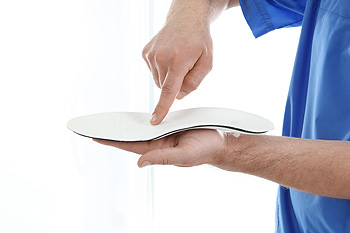
Custom orthotics play a vital role in the conservative management of various foot and ankle problems by providing tailored support, alignment, and cushioning. Different types of orthotics are designed to address specific conditions. For plantar fasciitis, orthotics with arch support and heel cushioning can relieve pressure on the plantar fascia, reducing pain and promoting healing. In tendon disorders like Achilles tendinopathy, orthotics help redistribute weight and improve alignment to reduce stress on the affected tendon. For cavus foot deformity, which involves a high arch, custom orthotics provide extra cushioning and stabilization to prevent further complications, such as ankle instability or stress fractures. Each pair is carefully crafted based on the patient’s biomechanics and specific needs, allowing for targeted relief. By improving foot function and reducing strain, custom orthotics offer an effective, non-invasive solution for managing foot and ankle conditions. If you have an unrelenting foot or ankle problem, it is suggested that you visit a podiatrist for an evaluation and treatment. Customized orthotics may be part of the solution.
Custom orthotics are specialized shoe inserts created to support and align the feet according to each person’s unique structure and walking pattern. They are an effective way to relieve foot discomfort caused by conditions such as flat feet, high arches, plantar fasciitis, bunions, and heel pain. When the natural alignment of the foot is off balance, it can lead to pressure points, strain, and pain that affect how a person stands, walks, and moves. Orthotics work by redistributing weight evenly and supporting the arch to reduce stress on the muscles, tendons, and joints of the feet and lower legs.
Foot discomfort can develop for many reasons, including wearing improper footwear, long hours of standing, repetitive motion, or underlying structural problems. Over time, this discomfort can extend beyond the feet, contributing to knee, hip, or lower back pain. Custom orthotics help correct these issues by improving alignment and promoting more efficient movement. They are made using precise measurements and imaging to ensure the best fit for each patient, providing targeted support and cushioning where it is needed most.
Unlike generic insoles, custom orthotics are durable, medically designed, and tailored to your specific needs. Whether you are managing chronic pain, recovering from an injury, or simply seeking better comfort and stability, orthotics can make a noticeable difference in how your feet feel throughout the day.
If you are experiencing persistent foot discomfort or fatigue, it may be time to have your feet evaluated by a podiatrist. Call our office today for more information or to schedule an appointment.
If you have any questions, please feel free to contact one of our offices located in Issaquah, WA .
How Pregnancy Affects Foot Size
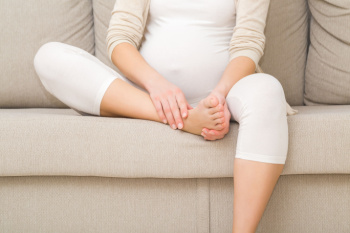
During pregnancy, many women experience changes in their feet, with one of the most noticeable being an increase in foot size. This occurs due to a combination of factors related to hormonal changes, weight gain, and the growing baby. Increased levels of the hormone relaxin play a significant role by loosening ligaments and joints in the body to accommodate childbirth. This relaxation of ligaments can lead to the feet becoming wider and longer. Additionally, the weight gained during pregnancy puts added pressure on the feet, causing the arches to flatten and the feet to spread. Fluid retention is another contributing factor, as the body retains more fluids during pregnancy, which can lead to swelling in the feet and ankles. As a result, many women find that their shoe size increases during pregnancy, and some may experience permanent changes even after childbirth. If you have foot pain during your pregnancy, it is suggested that you consult a podiatrist who can treat various foot conditions, and offer effective relief tips.
Pregnant women with swollen feet can be treated with a variety of different methods that are readily available. For more information about other cures for swollen feet during pregnancy, consult with the podiatrists from Issaquah Foot & Ankle Specialists. Our doctors will attend to all of your foot and ankle needs.
What Foot Problems Can Arise During Pregnancy?
One problem that can occur is overpronation, which occurs when the arch of the foot flattens and tends to roll inward. This can cause pain and discomfort in your heels while you’re walking or even just standing up, trying to support your baby.
Another problem is edema, or swelling in the extremities. This often affects the feet during pregnancy but tends to occur in the later stages.
How Can I Keep My Feet Healthy During Pregnancy?
- Wearing orthotics can provide extra support for the feet and help distribute weight evenly
- Minimize the amount of time spent walking barefoot
- Wear shoes with good arch support
- Wear shoes that allow for good circulation to the feet
- Elevate feet if you experience swelling
- Massage your feet
- Get regular, light exercise, such as walking, to promote blood circulation to the feet
If you have any questions, please feel free to contact one of our offices located in Issaquah, WA . We offer the newest diagnostic and treatment technologies for all your foot care needs.
How to Measure Shoe Size and Ensure a Proper Fit
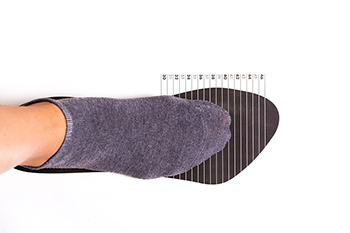
Properly measuring your shoe size and understanding how shoes should fit is essential for comfort and preventing foot pain. To begin, measure each foot, as one may be slightly larger than the other. Stand while measuring to account for any changes in foot size that occur when weight is applied. Athletic shoes, such as running shoes, should fit snugly around the heel with a bit of room at the toe for movement. Boots should provide enough space for thick socks and ensure the foot is secure without feeling too tight. Walking shoes should have a comfortable fit with adequate cushioning to support the natural movement of the foot. It is important to try on shoes later in the day when feet are slightly swollen to ensure the best fit. Always choose shoes that provide support without squeezing or causing discomfort. If you have foot pain from wearing shoes that do not fit correctly, it is suggested that you consult a podiatrist who can treat various foot conditions, and guide you on how to find your correct shoe size.
Getting the right shoe size is an important part of proper foot health. Seek the assistance of the podiatrists from Issaquah Foot & Ankle Specialists. Our doctors will provide the care you need to keep you pain-free and on your feet.
Getting the Right Shoe Size
There are many people who wear shoes that are the incorrect size, negatively affecting their feet and posture. Selecting the right shoes is not a difficult process, so long as you keep several things in mind when it comes to choosing the right pair.
- When visiting the shoe store, use the tools available to measure your foot.
- Be sure there is ‘wiggle room’. There should be about an inch between your toes and the tip of your shoes.
- Do not always assume you are the same size, as manufacturers run differently.
- Purchase shoes later in the day, as your feet swell as the day progresses.
- If a shoe is not comfortable, it is not suitable. Most shoes can’t be ‘broken in’, and comfort should be the ultimate goal when it comes to choosing the right pair of shoes
As our feet hold our body weight and keep us moving, it is important to treat them right. Picking the right pair of shoes can provide your feet comfort and mobility without pain.
If you have any questions, please feel free to contact one of our offices located in Issaquah, WA . We offer the newest diagnostic and treatment technologies for all your foot care needs.
